Oct
28
2026
Upcoming webinar

From research to clinical manufacturing: advancing gene-edited HSC therapies through collaboration

Wednesday 09:00 PDT / 12:00 EDT / 16:00 GMT / 17:00 CET
Sponsor
From research to clinical manufacturing: advancing gene-edited HSC therapies through collaboration

How do you take an electroporation-based cell engineering workflow off the research bench and turn it into a reproducible, clinical-scale manufacturing process? This session sows how a sustained academia-industry collaboration is bridging the gap, drawing on the UC San Diego program developing an autologous gene-edited hematopoietic stem cell (HSC) therapy for Friedreich's ataxia. 

Speakers will walk through the process development decisions, technology-transfer steps, and translational data behind scaling electroporation from a research-scale platform to a larger-scale system suited to clinical manufacturing. Expect practical guidance on scale-up strategy, process optimization, cell banking, documentation, and the infrastructure and technical expertise that make the transition from an academic lab into a clinical program work. 

Attend this webinar to: 

  • Apply lessons from the UC San Diego Friedreich's ataxia program to plan the transition of a gene-edited HSC workflow from research into clinical manufacturing.
  • Compare research-scale and larger-scale electroporation platforms using translational data from a working CRISPR-Cas9 HSC editing workflow.
  • Identify the process development, cell banking, and technology-transfer steps that most influence reproducibility at clinical scale.
  • Understand how industry–academia collaboration and access to specialized core facilities can help accelerate process development, technology transfer and the translation of promising cell therapy research toward the clinic.
  • Take away practical criteria for evaluating scale-up strategies and infrastructure requirements before committing to a manufacturing platform.
Stephanie Cherqui, PhD
Professor of Pediatrics, Division of Genetics at Institute for Genomic Medicine, UCSD

Stephanie Cherqui is Professor in the Department of Pediatrics, Division of Genetics at the University of California San Diego, Director of the UC San Diego Gene Therapy Initiative, and Ben and Wanda Hildyard Endowed Chair for Mitochondrial and Metabolic Diseases. Her research focused on developing hematopoietic stem cell gene therapy for metabolic and neurological disorders, with a strong track record of translating fundamental discoveries into clinical applications. Among her most significant achievements is the development of the first-in-human autologous hematopoietic stem cell gene therapy for cystinosis, an inherited metabolic disorder. Dr Cherqui has leveraged these discoveries to expand her therapeutic approach to multiple disorders such as Friedreich’s ataxia, mucopolysaccharidosis type IIIC, and Alzheimer’s disease. She is the Chair of the Cystinosis Stem Cell and Gene Therapy Consortium, the Chair of the Scientific Review Board of the Cystinosis Research Foundation, and a member of the ASGCT Gene and Cell Therapy of Genetic and Metabolic Diseases committee.

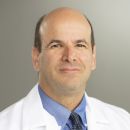
Dan S Kaufman, PhD
Dan S Kaufman, PhD
Professor, Department of Medicine, Director of Cell Therapy Program at Sanford Advanced Therapy Center UC-San Diego

Dr Kaufman is a Professor in Department of Medicine, Divisions of Regenerative Medicine and BMT. At UCSD, he does clinical work in hematology/BMT and serves as Scientific/Medical Director of the UCSD Advanced Cell Therapy Laboratory (ACTL) that provides GMP cell manufacturing to translate new cell-based therapies to clinical trials. Research in the Kaufman lab uses human pluripotent stem cells to understand the development of blood and immune cells. Recent studies have focused on the ability to use human iPSC-derived natural killer (NK) cells to kill diverse types of human cancer cells. These studies have used cellular engineering to enhance the anti-tumor activity of the iPSC-derived NK cells by various strategies. This work has now been translated into clinical trials for treatment of relapsed/refractory cancers- both hematologic malignancies and solid tumors. Additional studies demonstrate efficient production of macrophages from human iPSCs. These cells can be used for treatment of non-malignant diseases or engineered to mediate anti-tumor activity. His group has also developed novel targeted virus-like particles for in vivo engineering of immune cells to express CARs that mediate anti-tumor activity.

Namritha Ravinder, PhD
Director R&D, Cell and Gene Therapy Platforms at Thermo Fisher Scientific

Namritha Ravinder is Director of R&D for Cell and Gene Therapy Platforms at Thermo Fisher Scientific. Since joining the company in 2008, she has led R&D efforts spanning cell engineering, gene delivery, genome editing and modulation, viral vector production, and CRISPR technologies. In her current role, Namritha leads R&D efforts focused on workflow automation and the development of closed, automated platforms for cell and gene therapy manufacturing, spanning cell processing, gene delivery and cell engineering, and formulation and fill-finish. She holds a doctorate in Biotechnology from the University of Alabama in Huntsville and completed a postdoctoral fellowship in HIV virology at Children’s Hospital Los Angeles.

In 33 Days
You have registered for this webinar

SPEAKERS

Stephanie Cherqui, PhD
Professor of Pediatrics, Division of Genetics at Institute for Genomic Medicine, UCSD
Dan S Kaufman, PhD
Dan S Kaufman, PhD
Professor, Department of Medicine, Director of Cell Therapy Program at Sanford Advanced Therapy Center UC-San Diego
Namritha Ravinder, PhD
Director R&D, Cell and Gene Therapy Platforms at Thermo Fisher Scientific

You might also like