Feb
26
2026
Upcoming webinar

Genomic integrity and safety assessment strategies for CRISPR-edited cell therapies

Thursday 08:00 PST / 11:00 EST / 16:00 GMT / 17:00 CET
Sponsor
Genomic integrity and safety assessment strategies for CRISPR-edited cell therapies

Live30 webinars pack the latest innovations and applications into a data-rich 30-minute session.

This webinar will present data from IND-enabling studies supporting the PPL-001 program, an autologous CRISPR/Cas9 gene-edited CD34⁺ hematopoietic stem cell (HSC) therapy, with the goal of initiating a first-in-human genome editing clinical trial. Find out how genomic integrity, cytogenetic analysis, and safety assessment are integrated into US FDA-aligned development plans, from early research through IND-enabling activities.

The session combines real-world examples with a step-by-step discussion of translating a CRISPR-edited HSC therapy to treat Friedreich’s Ataxia from bench to bedside. It focuses on how to design, interpret, and apply genomic integrity data to support pharmacology, manufacturing development, and toxicology packages while addressing regulatory expectations for off-target effects and chromosomal rearrangements.

Attendees will learn how to:

  • Identify where genomic integrity and cytogenetic analyses should be integrated across discovery, process development, and IND-enabling stages.
  • Apply FDA-aligned safety assessment strategies covering pharmacology, toxicology, manufacturing development, and genome editing–specific risks.
  • Evaluate approaches for detecting off-target edits, chromosomal rearrangements, and structural variants that may affect product safety and regulatory risk.
  • Interpret genomic integrity data to inform go or no-go decisions, process optimization, and risk mitigation strategies across development.
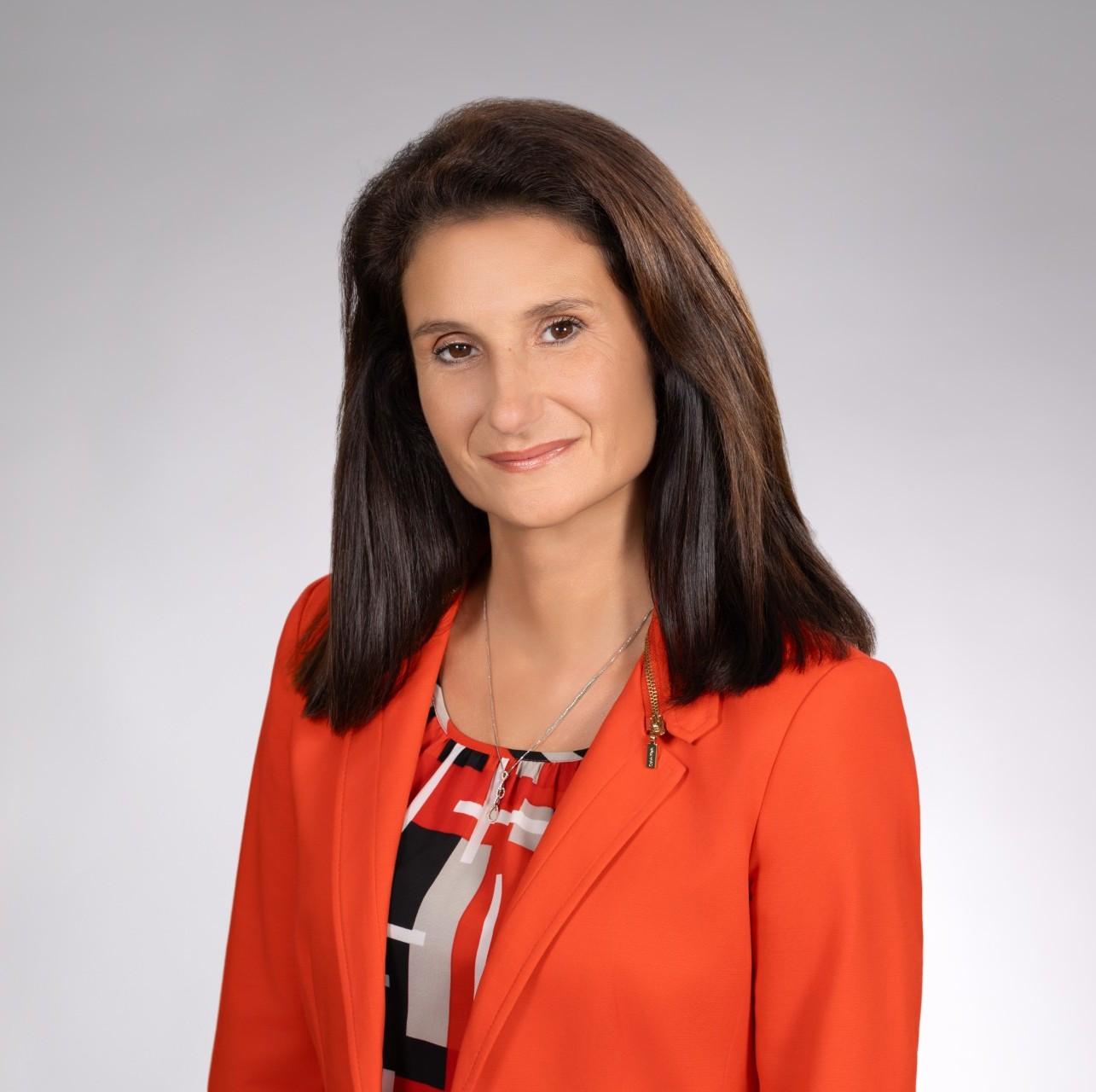
Stephanie Cherqui
Stephanie Cherqui
Professor in the Department of Pediatrics at the University of California San Diego

Stephanie Cherqui is Professor in the Department of Pediatrics, Division of Genetics at the University of California San Diego, the Director of the UC San Diego Gene Therapy Initiative, and co-founder of Papillon Therapeutics. Her laboratory primarily focus is the development of hematopoietic stem cell gene therapy-based treatments for genetic disorders. Her work led to the first-in-human HSPC gene therapy clinical trial for cystinosis. She is now applying this strategy to other disorders including the neurodegenerative diseases, Friedreich’s ataxia, Sanfilippo C, and Alzheimer’s disease. Dr. Cherqui is the Chair of the Cystinosis Stem Cell and Gene Therapy Consortium, the Chair of the Scientific Review Board of the Cystinosis Research Foundation, a member of the American Society of Gene and Cell Therapy (ASCGT) Gene and Cell Therapy of Genetic and Metabolic Diseases committee, and a member of the Cystinosis Research Foundation Board of Trustees.

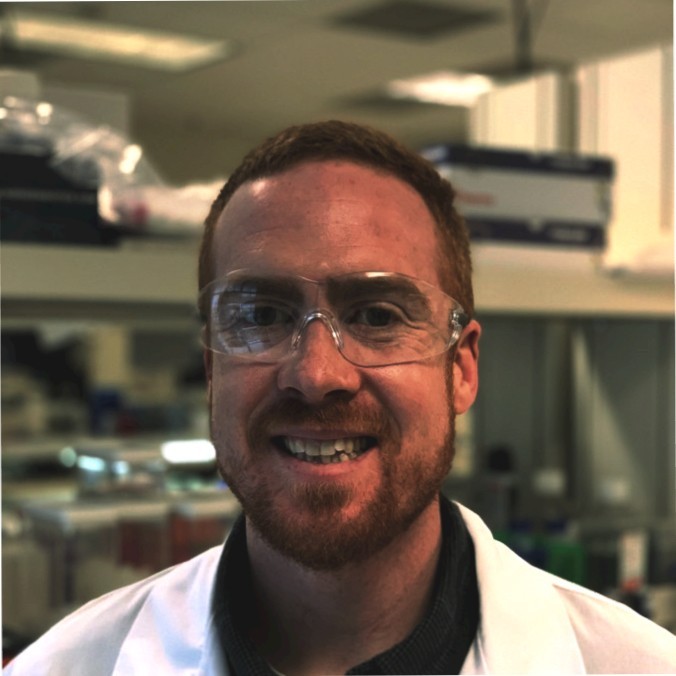
Kurt Marshall
Kurt Marshall
Customer Success Manager at Kromatid

Kurt Marshall, Ph.D., is a scientific leader in cell and gene therapy with deep expertise in CAR-T development, CRISPR-based gene editing, and advanced analytical characterization. He has built and supported programs spanning Analytical Development, R&D, and cell engineering across both early-stage biotech companies and global life-science organizations.

Kurt currently serves as a Customer Success Manager at KROMATID, where he partners closely with therapeutic developers to integrate high-resolution genomic integrity analysis across the product lifecycle. His work empowers teams to make confident, data-driven decisions that accelerate the development of safe and effective genetic medicines.

Prior to joining KROMATID, Kurt led immune cell engineering and analytical development efforts supporting CRISPR-based CAR-T therapies and AAV programs. He is a co-inventor on one issued gene-editing patent and one submitted patent application, reflecting his contributions to precision genome engineering.

Kurt holds a Ph.D. in Biomedical Sciences and is recognized for combining scientific rigor with strategic insight to advance innovative cell and gene therapy programs.

}