Special Interest Group




Expanding the therapeutic reach
of oligonucleotides: from scalable manufacturing
to delivery design
Interested in sponsoring the SIG?
FIND OUT MORE

Our aim
The Oligonucleotides Special Interest Group (SIG) is an invitation-only working group of senior experts from across the oligos community, formed to address the sector’s most pressing challenges. Members meet in small, closed-door working groups under the Chatham House Rule, to build consensus, set priorities, and produce practical, open-access guidance for the field.
More than 30 senior experts have been invited to become members of the SIG to answer the question:
“What will it take to manufacture oligonucleotide therapeutics at commercial scale and deliver them beyond the liver?”
Focus for 2027
In its first year, members addressed the efficiency and sustainability of oligonucleotide manufacturing. In 2027, the SIG will review progress against its 2026 outputs and extend its focus to extrahepatic delivery.
Oligonucleotide therapeutics are moving into larger patient populations and beyond the liver. Programmes in obesity, cardiometabolic disease, and MASH will require metric-ton supply that current manufacturing was not designed for, while systemic delivery to extrahepatic tissues remains a major challenge. As manufacturing and delivery choices constrain each other, the SIG brings manufacturing, CMC, and delivery leaders together to address both.
Steering Committee
Meet the members of the SIG Steering Committee, who advise on the SIG’s focus and discussion topics.
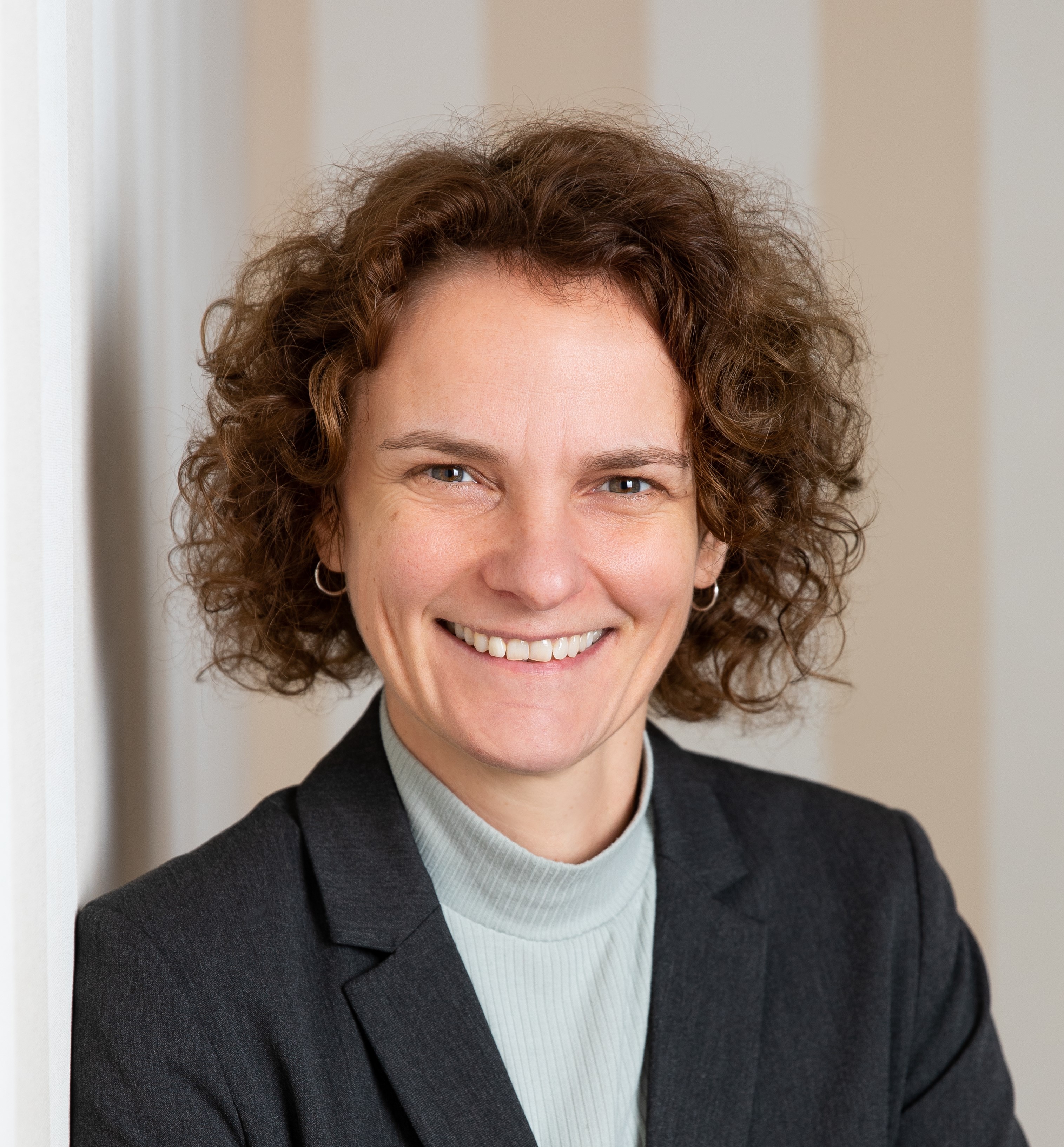
Jeske is a biologist with over 20 years’ experience in the biotech industry and academic research. She has expertise in CMC aspects in different areas, including cell therapies, biologics, and RNA therapies. After 7 years in academic research focusing on molecular mechanisms in bone development and diseases, she moved to co.don AG as Head of Scientific Affairs in 2012. Here her work focused on preclinical development and quality aspects of cartilage cell transplants, contributing to the EMA central market authorization of a cartilage cell therapy. Following, she joined ProBioGen as CMC project leader, where she was overseeing customer projects, focusing on process and analytical development, scale-up, and large-scale GMP manufacturing of biologics for clinical Phase 1 studies. In 2020, Jeske joined Silence Therapeutics as Senior Director, Head of Drug Substance overseeing CMC development of early-stage development projects, including process and analytical development, scale-up, and clinical product manufacturing of siRNA compounds and contributing to quality sections of regulatory documentation. Her work included managing a team consisting of several CMC project leaders, a starting material lead, and analytical chemists. Subsequently, she joined AiCuris as Senior Director CMC, where she is currently leading the CMC development of different therapeutic modalities throughout the different clinical phases, including an antisense oligonucleotide. She is responsible for the strategic and operational oversight of the different activities including manufacturing, but also CMC regulatory activities, with a main focus on the oligonucleotide program.
Jeske Smink
Senior Director CMC, AiCuris Anti-infective Cures AG
+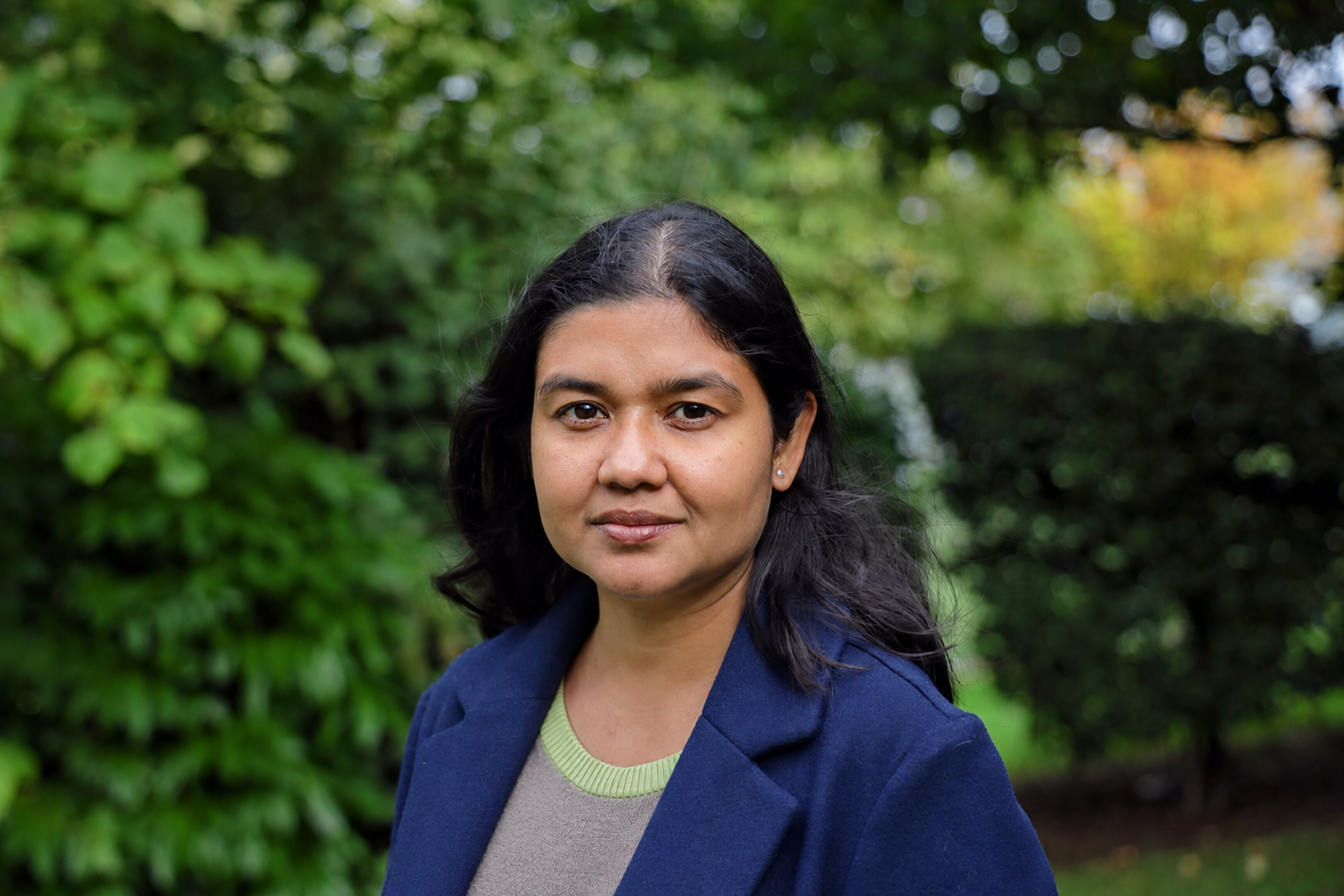
Sritama Bose is Associate Director and Head of Chemistry at Orfonyx Bio, leading the oligonucleotide chemistry team and overseeing project delivery across multiple therapeutic programs. As a member of the senior leadership team, she drives scientific strategy, discovery planning, and external partnerships. Prior to Orfonyx, Sritama served as Head of Chemistry Research & Innovation at MRC’s Nucleic Acid Therapy Accelerator. There, she established the chemistry function from the ground up, developing novel conjugation and linker technologies while managing a diverse portfolio of collaborative and grant-funded programs. Her earlier career includes senior roles at Sygnature Discovery. Sritama holds a PhD in Total Synthesis from IACS Kolkata. She is an inventor on multiple patents and author of numerous peer-reviewed publications. She is an active mentor, a dedicated advocate for inclusive research cultures, and a recognized leader within the nucleic acid therapeutics community.
Sritama Bose
Associate Director, Head of Chemistry, Orfonyx Bio
+
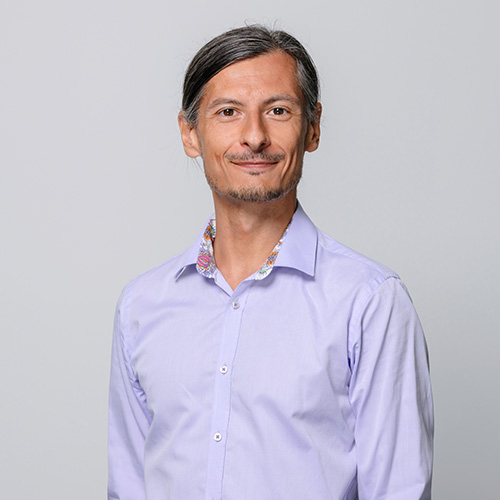
Eduardo Paredes is the Chief Technology Officer at Leal Therapeutics, a CNS-focused biotechnology company developing small molecules, oligonucleotides, and conjugated platforms for CNS delivery. He is a pharmaceutical development executive with over a decade of experience leading Chemistry, Manufacturing and Controls (CMC), platform development, and global outsourced manufacturing strategies across early- to clinical-stage programs. Paredes has successfully supported multiple IND and CTA submissions and has extensive expertise in phase-appropriate CMC strategy, CDMO oversight, process scale-up, and technology transfer for both small molecule and oligonucleotide therapeutics. Prior to Leal Therapeutics, he held senior leadership roles at Nitto Avecia, where he led large cross-functional teams in process development and technology strategy, expanding manufacturing capacity and advancing innovative manufacturing platforms. He earned his PhD in Chemistry from Carnegie Mellon University and completed postdoctoral training in virology at the National Cancer Institute (NIH). Eduardo also holds an Executive MBA from IE Business School and Brown University. He is originally from Mexico and has lived in the United States for over 20 years.
Eduardo Paredes
Chief Technology Officer, Leal Therapeutics
+
Piotr Putaj obtained his PhD from the University of Lyon, France (Laboratory of Organometallic Chemistry LCOMS) in 2012. After two postdoctoral stays at the Charles University in Prague, Czechia and RWTH Aachen, Germany he transitioned to the biotech industry in 2017. He held various scientific and managerial positions at Future Synthesis (Poznan, Poland), MultiplexDX (Bratislava, Slovakia), and AIRNA Bio (Tübingen, Germany). He is currently a Director of Oligonucleotide Chemistry at VICO Therapeutics in Leiden, the Netherlands. His research interests include optimization of potency and safety profile of oligonucleotides, new methodologies of bioconjugation, and targeted delivery to tissues and organs. At VICO Therapeutics we are pioneering RNA-based science to target the root cause of rare genetic neurological diseases. Our lead molecule VO659 is the first clinical candidate directly targeting the CAG repeat expansion mutation that causes all polyglutamine diseases (e.g., Huntington disease).
Piotr Putaj
Director of Oligonucleotide Chemistry, VICO Therapeutics
+
Barrie Cassey is a pharmaceutical and biotechnology technical leader with over 25 years of experience spanning process development, sterile manufacturing, technology transfer, and delivering innovation. Currently running his own consultancy, Invox, Barrie most recently served as Technology Lead for Medicines Manufacturing at the Centre for Process Innovation (CPI), where he built and led multi-functional teams and secured over £40 million in funding for cutting-edge oligonucleotide and peptide manufacturing projects. Prior to CPI, Barrie held senior leadership roles at GSK, including Commercial and Site Technical Director, where he oversaw complex technology transfers, multi-million pound capital investment programs, and international supply chain strategy. His career reflects a consistent track record of using innovation to address commercial challenges, from biocatalysis and solvent nanofiltration to large-scale sterile pharmaceutical manufacturing. Barrie holds a PhD in Biotechnology and Molecular Biology from the University of Sheffield and a First Class BSc in Biological Sciences from the University of Birmingham.
Barrie Cassey
Principal Consultant, Invox
+SIG members
The full list of SIG members will be updated here as members are confirmed.

Firoz joined Denali in 2024 to lead development and manufacturing for Denali’s small molecule and oligonucleotide programs. Previously, he spent 12 years at Biogen establishing internal oligonucleotide development and manufacturing capabilities and helping file SPINRAZA® and QALSODY®. Earlier, Firoz led CMC peptide development for VYLEESI® at Palatin Technologies and spent 10 years at Merck in BioProcess & Chemical Engineering R&D functions, contributing to the development of the semi-synthetic CANCIDAS® and several small molecules. He began his career developing peptides at Sandoz Pharma AG and J&J’s RW Johnson Pharmaceutical Research Institute.
Firoz D. Antia
VP, Oligonucleotide & Small Molecule CMC, Denali Therapeutics
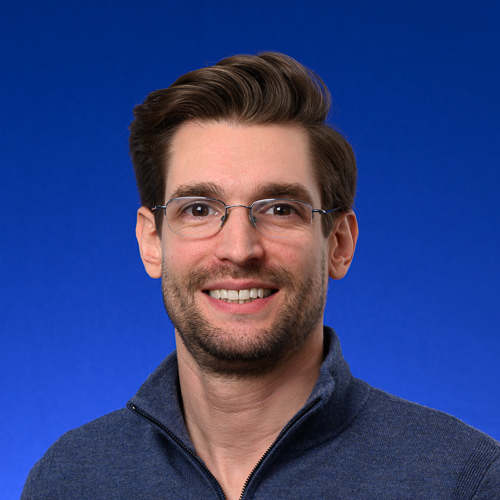
+Sritama Bose is Associate Director and Head of Chemistry at Orfonyx Bio, leading the oligonucleotide chemistry team and overseeing project delivery across multiple therapeutic programs. As a member of the senior leadership team, she drives scientific strategy, discovery planning, and external partnerships. Prior to Orfonyx, Sritama served as Head of Chemistry Research & Innovation at MRC’s Nucleic Acid Therapy Accelerator. There, she established the chemistry function from the ground up, developing novel conjugation and linker technologies while managing a diverse portfolio of collaborative and grant-funded programs. Her earlier career includes senior roles at Sygnature Discovery. Sritama holds a PhD in Total Synthesis from IACS Kolkata. She is an inventor on multiple patents and author of numerous peer-reviewed publications. She is an active mentor, a dedicated advocate for inclusive research cultures, and a recognized leader within the nucleic acid therapeutics community.
Sritama Bose
Associate Director, Head of Chemistry, Orfonyx Bio
+
Kevin Craig holds a PhD in Pharmaceutical Sciences from Northeastern University, studying siRNA delivery to hepatic macrophages for treating metabolic dysfunction–associated steatohepatitis. He has over a decade of experience in oligonucleotide therapeutics, specializing in pharmacology and delivery.
At Dicerna Pharmaceuticals, Kevin contributed to the GalXC™ and GalXC-Plus™ platforms and advanced programs integrated into Novo Nordisk’s pipeline. He later joined ReNAgade Therapeutics, investigating targeted lipid nanoparticle delivery strategies.
Kevin currently leads the in vivo pharmacology team for the RNA Therapeutics group at Eli Lilly, supporting a diverse portfolio of oligonucleotide programs across disease areas while advancing innovative approaches to pharmacology, delivery, and safety.
Kevin Craig
Senior Director, Head of In Vivo Pharmacology, RNA Therapeutics, Eli Lilly & Company
+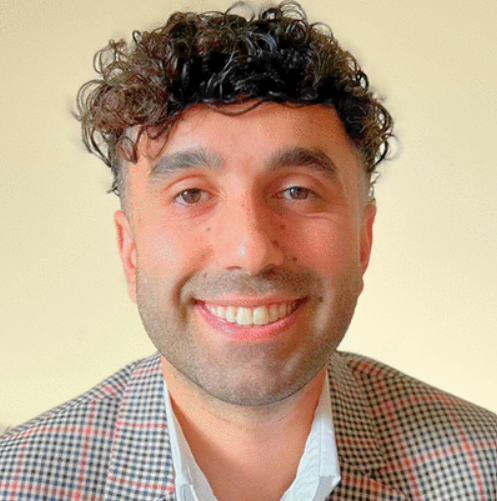
Sasha Ebrahimi joined GSK in 2021 where he is currently a Scientific Leader in the emerging drug delivery platforms team. His research at GSK has focused on enhancing the developability of emerging therapeutic modalities like antibody–drug conjugates and oligonucleotides. This work has spanned areas such as the design of drug delivery vehicles for targeted delivery, the development of novel formulations for enhancing the in vitro/in vivo stability of therapeutics, and the engineering of the molecular architecture of these therapeutics to boost their potency. His contributions have been recognized with more than 20 awards of national and international scope.
Sasha Ebrahimi
Scientific Leader, GSK
+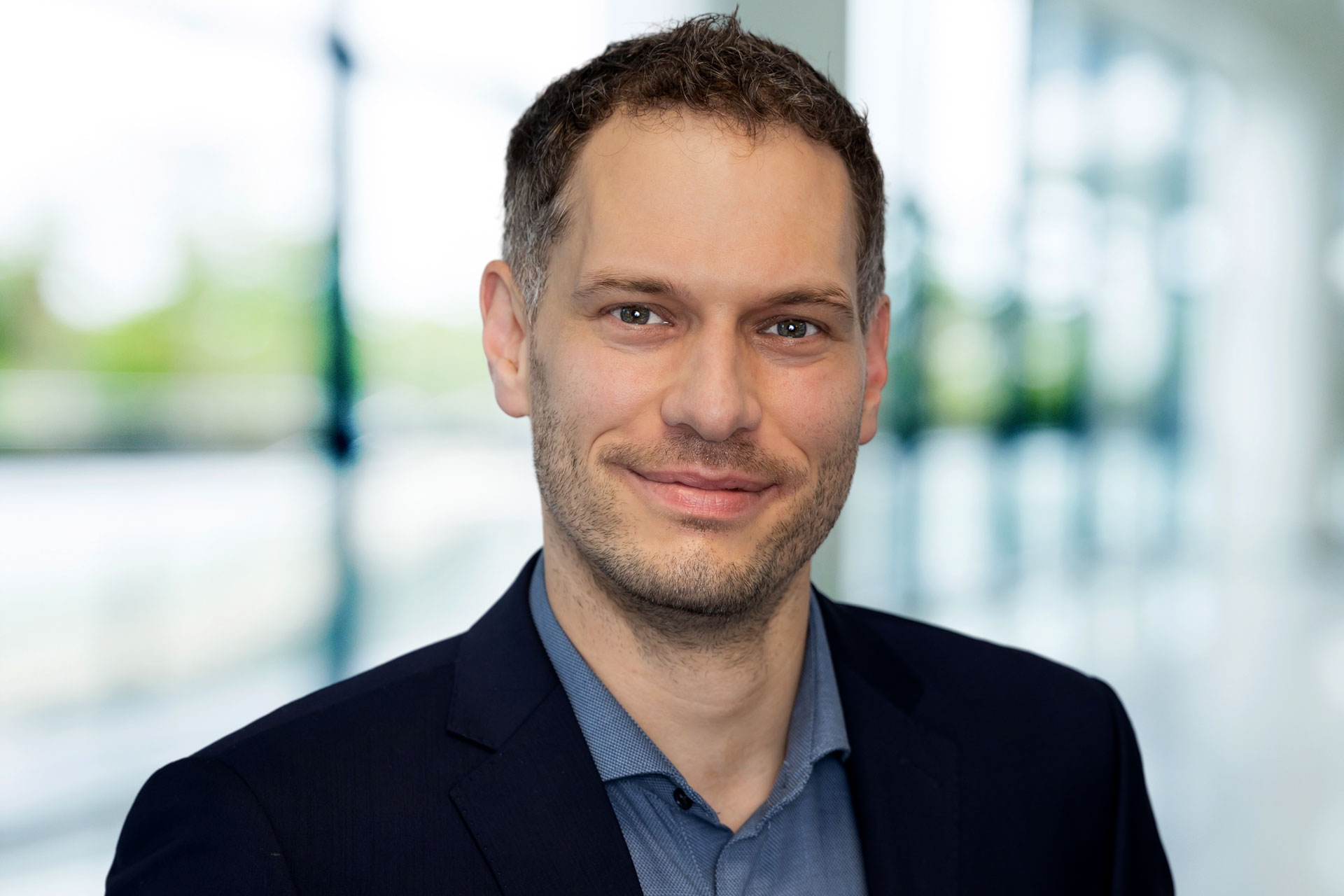
Julian Fischer is Director, CMC API Manufacturing at AiCuris Anti-infective Cures AG, part of Asahi Kasei Therapeutics, where he leads drug substance development and manufacturing activities across the company's small molecule and oligonucleotide portfolio, from preclinical development through late-stage development and commercial readiness. This includes an antisense oligonucleotide program targeting BK virus reactivation in kidney transplant patients.
His expertise spans CDMO selection and oversight, GMP manufacturing process transfers, and the development of CTD Module 3 documentation for global regulatory submissions.
Prior to joining AiCuris, Julian worked at Midas Pharma in Ingelheim, Germany, and periodically in Shanghai, where he managed development and manufacturing projects for GMP intermediates and developing sustainable sourcing strategies to mitigate supply chain risks and prevent drug shortages.
He entered the pharmaceutical industry in 2014 following the completion of a PhD in Chemistry focused on the development of an innovative polymer for dental root canal filling applications.
Julian Fischer
Director CMC API Manufacturing, AiCuris Anti-infective Cures AG, part of Asahi Kasei Therapeutics
+
Kok-Seong Lim
Independent Consultant, CMC and Analytical Sciences, Independent
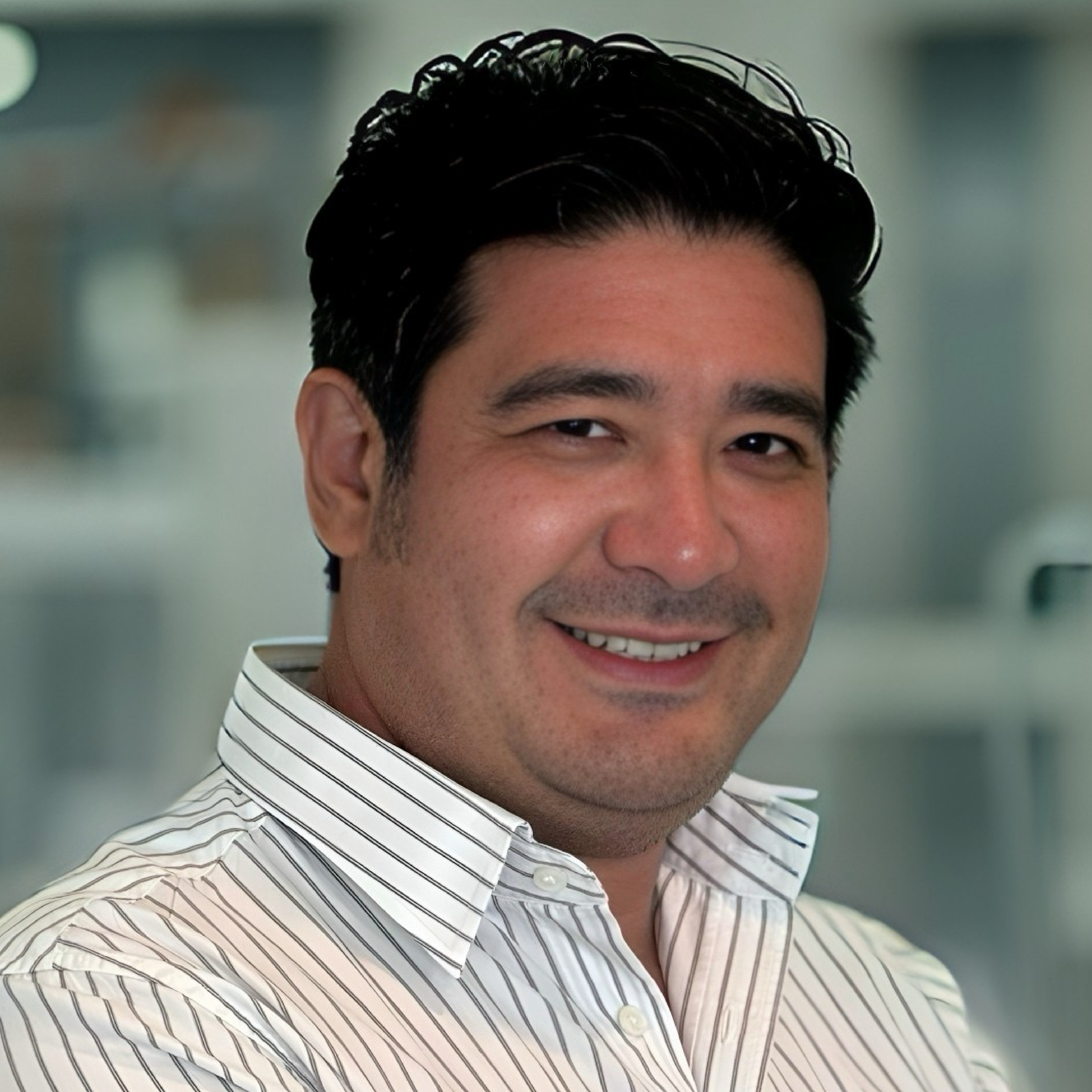
Naim Nazef is Vice President of Oligonucleotide Therapeutics at Denali Therapeutics, where he leads discovery of Oligonucleotide Transport Vehicle therapeutics for the central nervous system and beyond. He brings more than 25 years of biotechnology and pharmaceutical experience, including over 16 years in oligonucleotide research. At Dicerna, he co-invented the GalXC™ GalNAc-siRNA platform, which contributed to multiple clinical programs and the approved medicine Rivfloza®. At Takeda, he built and led an oligonucleotide discovery group and developed delivery platforms spanning GalNAc-siRNA and antibody–oligonucleotide conjugates. His work integrates oligonucleotide chemistry, delivery, screening, bioanalysis, and translational research to advance new oligonucleotide therapeutic candidates.
Naim Nazef
VP Oligonucleotide Tx and Delivery Platforms, Denali Therapeutics
+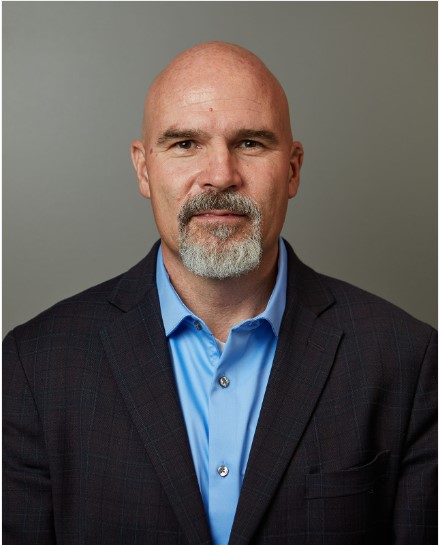
Chris is an experienced CMC consultant assisting drug substance and drug product clients in all oligo modalities to assist them in their discovery to commercial goal for their therapeutic asset. He is the former plant manager for Agilent’s Nucleic Acid Solutions Division in Boulder, CO and has also led a commercial QC laboratory. Chris' specialty besides CMC consultation is CDMO management and facility buildouts, from process development bench laboratories to large commercial builds.
Chris Oswald
CMC Consultant, Coswald Consulting LLC
+
Adam Oxley
Research Associate, School of Engineering and Materials Science, Queen Mary University of London
Eduardo Paredes is a pharmaceutical development executive with around 20 years of experience in oligonucleotide therapeutics, CMC strategy, manufacturing, and technology innovation. He has led multidisciplinary teams advancing small molecules and oligonucleotides from early development through clinical manufacturing, supporting regulatory submissions and innovative therapeutic platforms. He is currently CTO at Leal Therapeutics and he has held senior leadership roles at Nitto Avecia, driving process development, manufacturing scale-up, and technology strategy. He earned his PhD in Chemistry from Carnegie Mellon University, completed postdoctoral research at the National Cancer Institute (NIH), and holds an Executive MBA from IE Business School and Brown University.
Eduardo Paredes
Chief Technology Officer, Leal Therapeutics, Inc.
+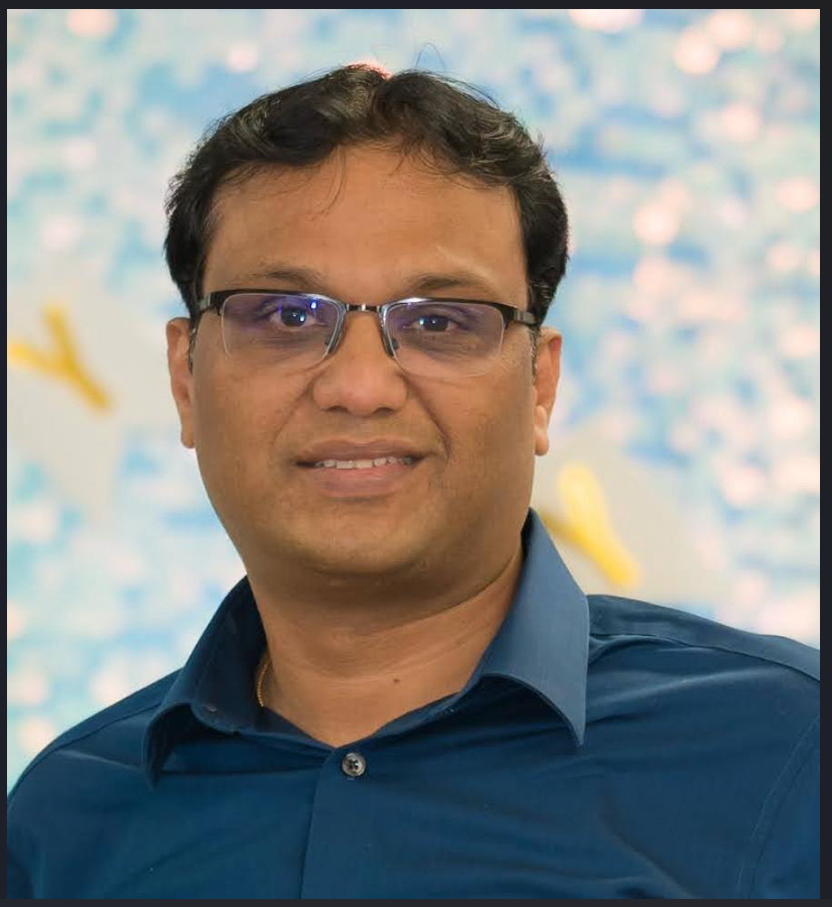
Praveen Kumar Pogula is an oligonucleotide CMC leader with more than 15 years of experience in nucleic acid chemistry. His expertise spans oligonucleotide design, synthesis, and targeted delivery. He supports oligonucleotide programs from early discovery through late-stage development, with a focus on process and analytical development, technology transfer, and GMP manufacturing. He also develops CMC strategies and prepares regulatory submission documentation for early- and late-stage programs.
Praveen Kumar Pogula
Director, CMC, QurAlis
+Piotr Putaj obtained his PhD from the University of Lyon, France (Laboratory of Organometallic Chemistry LCOMS) in 2012. After two postdoctoral stays at the Charles University in Prague, Czechia and RWTH Aachen, Germany he transitioned to the biotech industry in 2017. He held various scientific and managerial positions at Future Synthesis (Poznań, Poland), MultiplexDX (Bratislava, Slovakia), and AIRNA Bio (Tübingen, Germany). He is currently a Director of Oligonucleotide Chemistry at VICO Therapeutics in Leiden, the Netherlands. His research interests include optimization of potency and safety profile of oligonucleotides, new methodologies of bioconjugation, and targeted delivery to tissues and organs.
Piotr Putaj
Director Oligonucleotide Chemistry, VICO Therapeutics B.V.
+
Kehinde Ross
Reader (Associate Professor) in Molecular and Cellular Biology, Liverpool John Moores University
Subhadeep (Shubh) Roy
Independent Consultant
Jeske Smink is a biologist with over 20 years’ experience in the biotech industry and academic research. She has expertise in CMC aspects in different areas, including cell therapies, biologics, and RNA therapies. After 7 years in academic research focusing on molecular mechanisms in bone development and diseases, she moved to co.don AG as Head of Scientific Affairs in 2012. Here her work focused on preclinical development and quality aspects of cartilage cell transplants, contributing to the EMA central market authorization of a cartilage cell therapy. Following, she joined ProBioGen as CMC project leader, where she was overseeing customer projects, focusing on process and analytical development, scale-up, and large-scale GMP manufacturing of biologics for clinical Phase 1 studies. In 2020, Jeske joined Silence Therapeutics, Berlin, Germany, as Senior Director, Head of Drug Substance overseeing CMC development of early-stage development projects, including process and analytical development, scale-up, and clinical product manufacturing of siRNA compounds, and contributing to quality sections of regulatory documentation. Her work included managing a team consisting of several CMC project leaders, a starting material lead, and analytical chemists. In 2025, Jeske joined AiCuris as Senior Director CMC, where she is now heading the CMC department, overseeing CMC development of development projects at different clinical stages, including the development of an antisense oligonucleotide as well as a small molecule as anti-viral therapies for patients with weakened immune systems.
Jeske Smink
Head of CMC, Senior Director, AiCuris Anti-infective Cures AG, part of Asahi Kasei Therapeutics
+
Peter Smith
Director, New Modalities Chemistry, AstraZeneca

Carl Spickett
Director of Translational Medicine, Independent
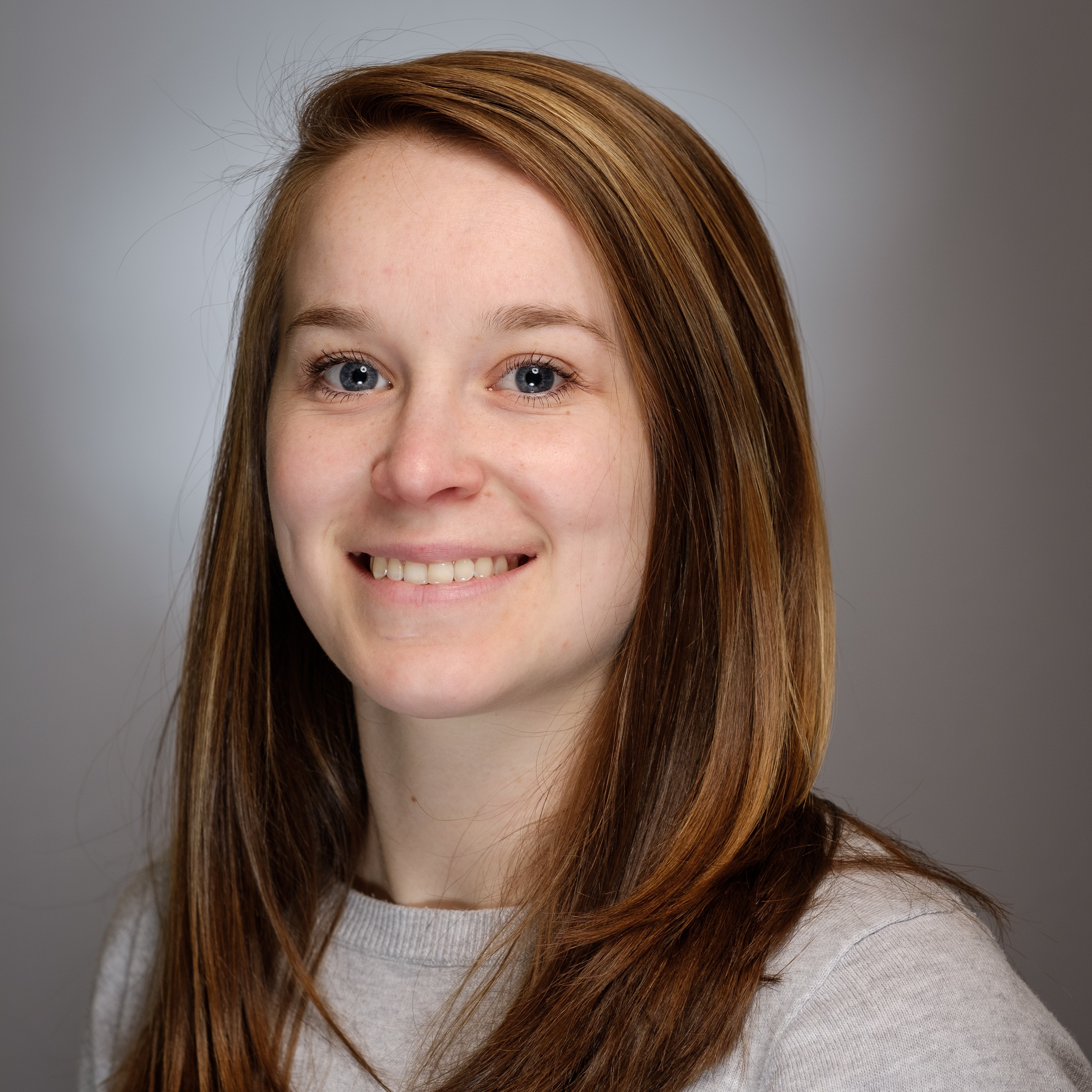
Anna Watson is an Associate Director leading a team of chemical engineers working across oligonucleotides, peptides, and antibody–drug conjugates, with a primary focus on new manufacturing technology development and implementation. Anna has experience leading process development teams to improve sustainability, throughput, and robustness of oligonucleotide manufacturing processes. This has involved investigation of new synthesis and downstream technologies including liquid-phase synthesis, semi-continuous chromatography, and implementation of process analytical technology techniques. Anna also co-leads the ACS Green Chemistry Institute Pharmaceutical Roundtable oligonucleotide focus team with inputs from pharmaceutical companies and contract manufacturing organizations involved in oligonucleotide manufacture to drive improved sustainability of oligo production.
Anna Watson
Associate Director, Chemical Engineering, AstraZeneca
+
Mike, a former GSK VP, is an independent consultant on CMC for therapeutic oligonucleotides.
Michael Laurence Webb
CEO, MikeWebbPharma Ltd
+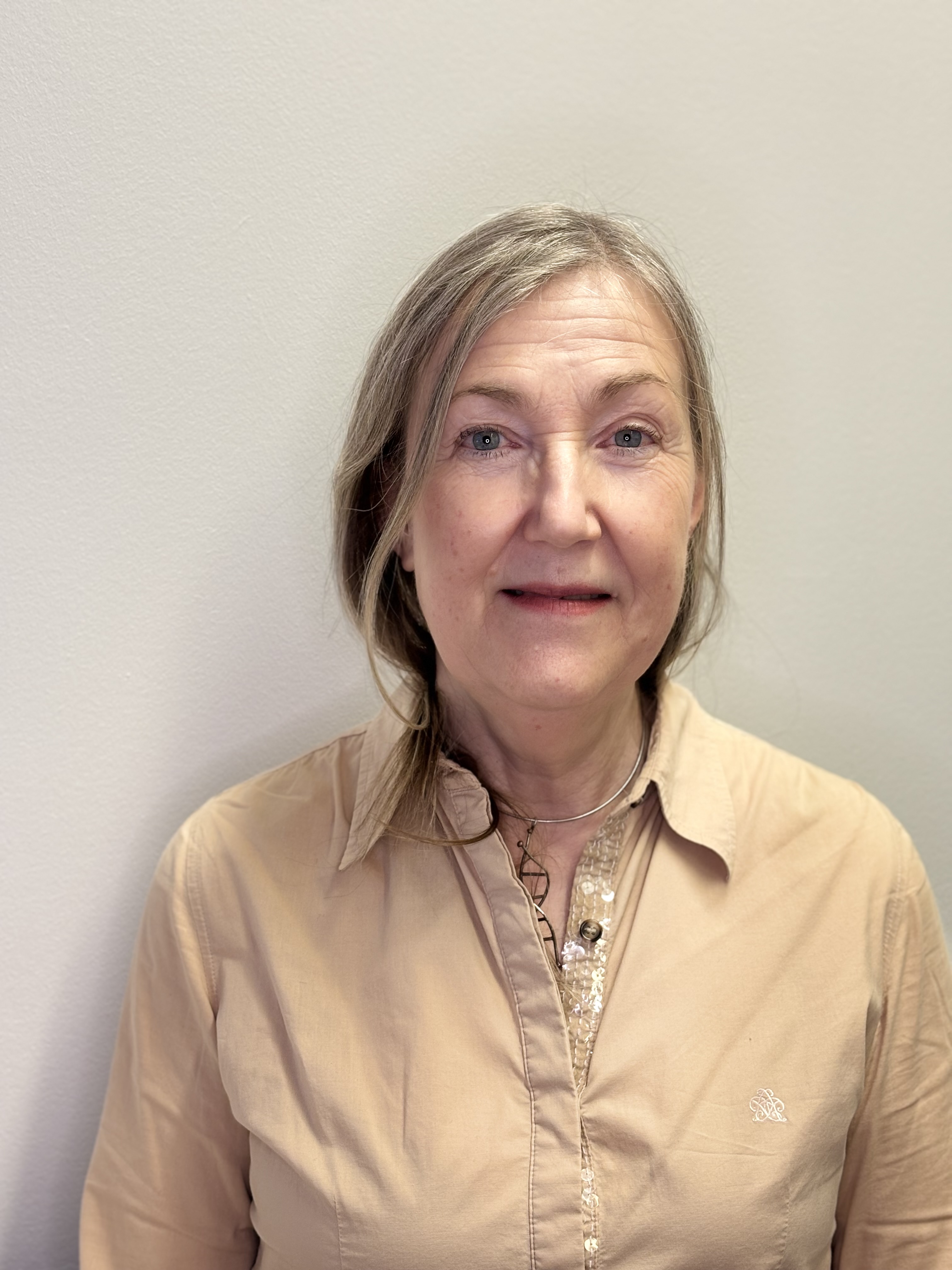
Scientist-turned-executive with 20 years in RNA-targeting therapeutics, with a starting point as academic subject matter expert in cardiometabolic disease. Her track record includes eight ASO and siRNA programs from ideation through to clinical development, and also handling a follow-up ASO when the first one resulted in a serious adverse clinical event, a hard learning experience sharpening her focus on off-target assessment for any kind of oligonucleotide therapeutics.
Marie Wikström Lindholm
CSO, Silence Therapeutics
+Upcoming key dates and activities
The SIG’s work in 2027 centers on a series of closed-door working groups, taking place from May 4 to 21. The Nucleic Acid Insights editorial team then turns the consensus reached by members into a series of outputs published in the months that follow, setting out the field’s shared position and priorities.
2027 initial working group meetings:
4–21 May
SIG members will meet in eight closed-door working groups under the Chatham House Rule, generating consensus statements on each topic.
Working groups:
- Synthesis platforms for large indications: scaling beyond solid-phase
- Downstream processing at commercial scale: from established platforms to a chromatography-free future
- Analytical tools innovation: keeping pace with new synthesis platforms and modalities
- Extrahepatic delivery beyond GalNAc: which tissues are within reach?
- Oligonucleotide conjugates from design to CMC
- Securing the oligonucleotide supply chain: raw materials, capacity, and starting material control
- Translational and regulatory readiness: preclinical models, chronic dosing, and harmonisation
- Commercial readiness: platform selection, freedom to operate, and CDMO capability
Report
consensus statements and recommendations agreed by SIG members across the working groups
White paper
a detailed peer-reviewed article of the annual initiative’s discussions and key findings
Infographic
a visual summary of the initiative’s key findings
Other
A year-long program of activities and outputs including webinars, roundtables and more…
To be kept informed about the progression and development of the SIG outputs, please register your interest.
REGISTER YOUR INTERESTSIG outputs and activities to date
Since its inception in April 2026, the Oligonucleotide SIG has brought together 36 senior experts from industry and academia in an ongoing collaboration to improve the efficiency and sustainability of oligonucleotide manufacturing. The outputs from this work so far are available here.
To hear when each 2027 output is published
REGISTER YOUR INTEREST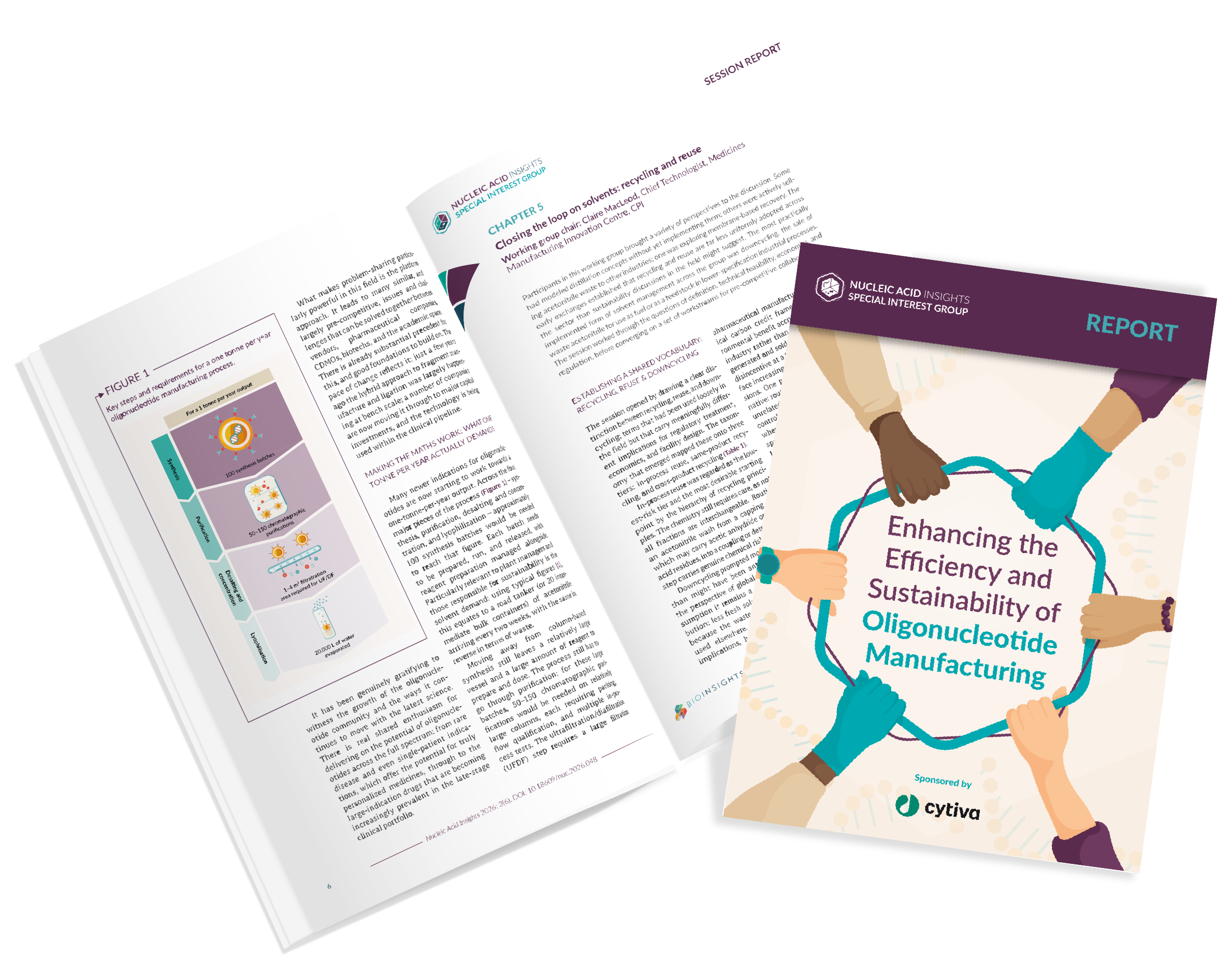 Enhancing the Efficiency and Sustainability of Oligonucleotide Manufacturing: 28–29 April Report
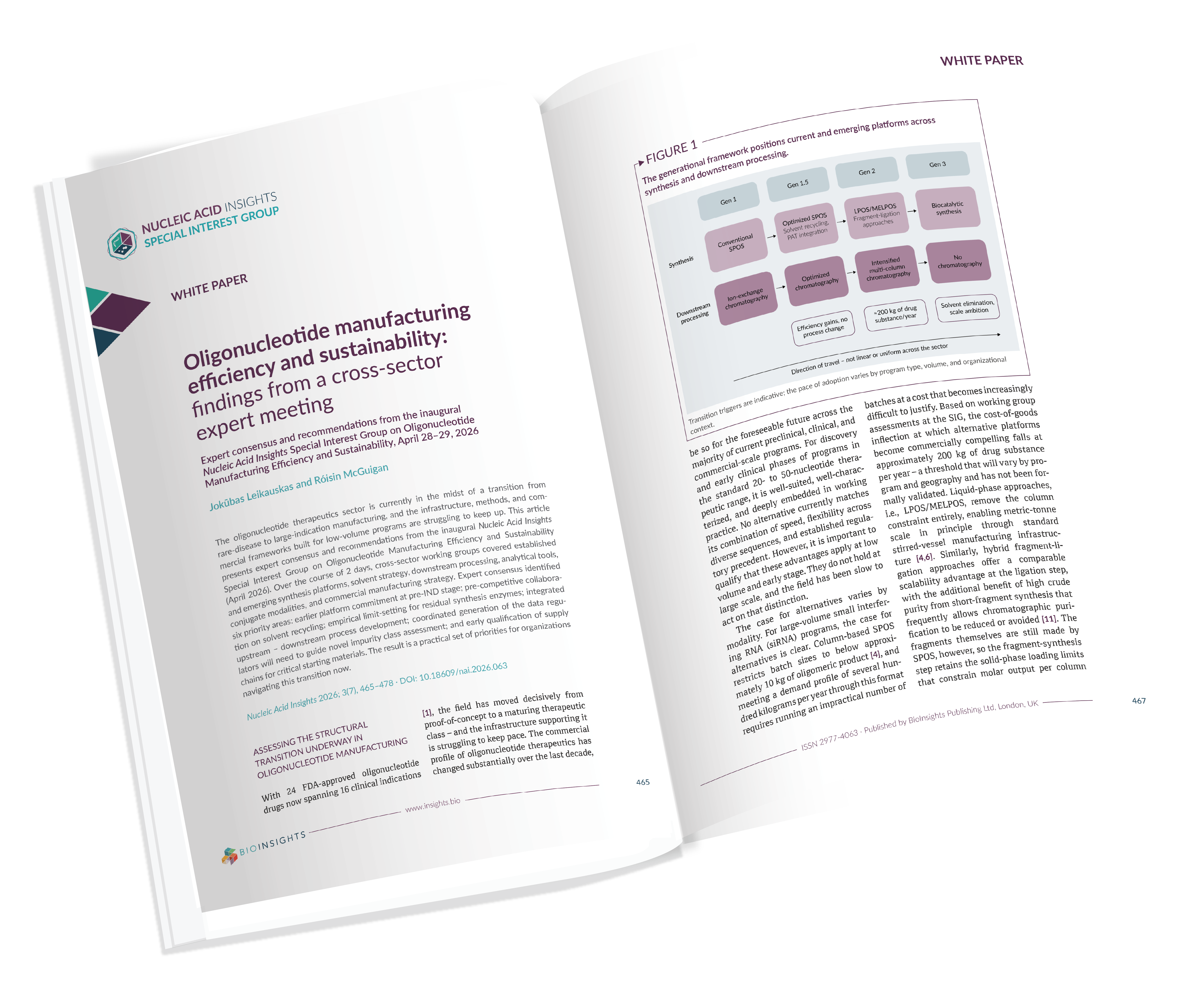 Oligonucleotide manufacturing efficiency and sustainability: findings from a cross-sector expert meeting White paper
 SOCIALS-06-07.png) The industry speaks: assessing the state of oligonucleotide manufacturing in 2026 Infographic
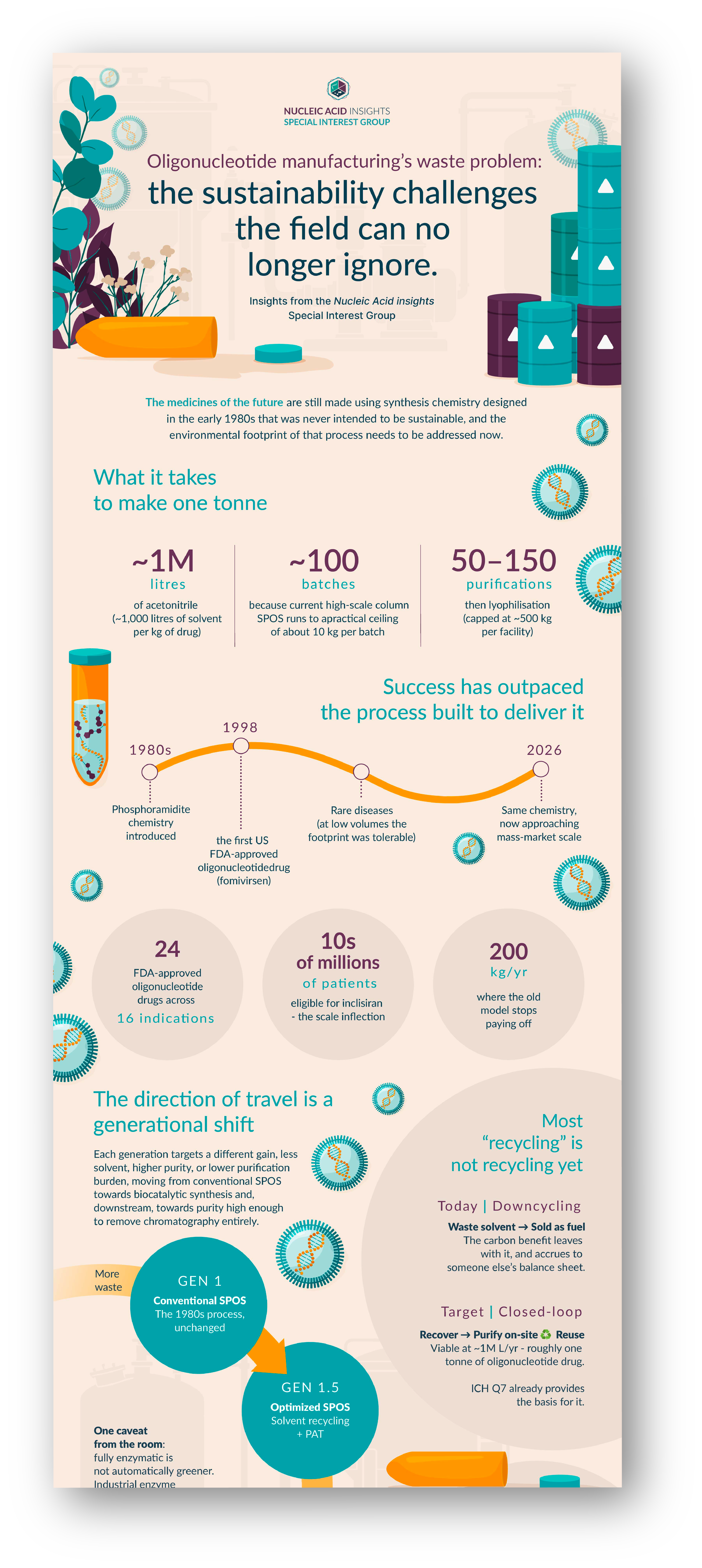 Oligonucleotide manufacturing’s waste problem: the sustainability challenges the field can no longer ignore Infographic
 From data to decisions: AI's emerging role in oligonucleotide development and manufacturing Follow-up webinar
FAQs
What is the Oligonucleotides Special Interest Group (SIG)?
The Oligonucleotides SIG is an invitation-only working group of senior experts from across the oligonucleotide therapeutics community, run by Nucleic Acid Insights. Members meet in small, closed-door working groups to build consensus on the sector’s most pressing challenges and produce practical, open-access guidance for the field.
Who can join the Oligonucleotides SIG?
Membership is by invitation only. More than 30 senior experts from industry and academia, spanning manufacturing, CMC and delivery, have been invited to take part. The full list of 2027 members will be published on this page in early 2027.
How do the SIG working groups operate?
Members meet in small, closed-door working groups under the Chatham House Rule. Participants can speak openly without what they say being attributed to them or their organisation, which supports candid, pre-competitive discussion. The Nucleic Acid Insights editorial team then turns the consensus into published outputs.
What is the focus of the 2027 Oligonucleotides SIG?
The 2027 SIG focuses on expanding the therapeutic reach of oligonucleotides, from scalable manufacturing to delivery design. It will review progress against its 2026 outputs on manufacturing efficiency and sustainability, and extend its focus to extrahepatic delivery, treating manufacturing and delivery as a single problem because each constrains the other.
Why is commercial-scale oligonucleotide manufacturing a challenge?
Oligonucleotide therapeutics are moving into larger patient populations, including obesity, cardiometabolic disease and MASH. These programmes will require metric-ton supply, which current manufacturing was not designed to deliver. The SIG is examining alternatives to solid-phase synthesis, next-generation downstream processing, analytical innovation and supply chain resilience.
What is extrahepatic delivery, and why does it matter?
Extrahepatic delivery means getting oligonucleotides to tissues beyond the liver, such as muscle, heart, kidney, lung and the CNS. GalNAc conjugates work well for the liver, but systemic delivery elsewhere remains a major challenge. The SIG will assess which tissues are realistically within reach over the next five years.
When is the 2027 Oligonucleotides SIG?
The 2027 SIG takes place from 4 to 21 May 2027, with members meeting across eight closed-door working groups. Topics include synthesis platforms, downstream processing, analytics, extrahepatic delivery, conjugates, supply chain, translational and regulatory readiness, and commercial readiness.
What outputs will the SIG publish, and are they free?
The SIG produces a report of consensus statements and recommendations, a peer-reviewed white paper, an infographic, and further outputs such as webinars. All outputs are open access. You can register your interest to be notified when each 2027 output is published.
What did the 2026 SIG achieve?
The SIG’s inaugural meeting, held on 28–29 April 2026, brought together 36 senior experts to address the efficiency and sustainability of oligonucleotide manufacturing. Its outputs include a report, a white paper, two infographics and a follow-up webinar on AI’s role in oligonucleotide development and manufacturing, all available on this page.
How can I stay informed about the SIG?
Register your interest using the button on this page to hear when each 2027 output is published.
To hear when each 2027 output is published
REGISTER YOUR INTEREST
Discussion topics: 2027 SIG
Expanding the therapeutic reach of oligonucleotides: from scalable manufacturing to delivery design
4–21 May 2027
In 2027, the Oligonucleotides Special Interest Group (SIG) will address scalable manufacturing and extrahepatic delivery as a single problem, with members working across eight working groups. Find out more about the overall content, the individual working groups, and their outputs below.
Synthesis platforms for large indications: scaling beyond solid-phase
Content:
- How far solid-phase synthesis can be advanced for large chronic indications, including larger-scale synthesisers, process intensification, and reduced acetonitrile and phosphoramidite consumption.
- The progress of liquid-phase, hybrid ligation, chemical ligation, and enzymatic platforms, and the raw material dependencies each introduces.
Key group tasks and outputs include:
- An updated, timebound adoption roadmap for alternative platforms, benchmarked against 2026.
Downstream processing at commercial scale: from established platforms to a chromatography-free future
Content:
- Whether established purification platforms retain their regulatory precedent and resolving power as programmes scale, and where capacity will constrain first.
- Multicolumn continuous chromatography, chromatography-free approaches, and whether lyophilisation gives way to solution API.
Key group tasks and outputs include:
- A next-generation downstream processing roadmap for metric-ton supply, identifying where established platforms will hold and where new approaches will be required, with indicative timeframes.
Analytical tools innovation: keeping pace with new synthesis platforms and modalities
Content:
- Whether IPRP LC-MS remains adequate, and when orthogonal methods should be required for duplexes and heavily modified oligonucleotides.
- Moving PAT from passive monitoring to active control, and the role of machine learning and digital twins in process control.
Key group tasks and outputs include:
- A prioritised roadmap for analytical development at commercial scale, updating the 2026 PAT roadmap.
- Where AI and digital twins can deliver near-term impact.
Extrahepatic delivery beyond GalNAc: which tissues are within reach?
Content:
- Progress in systemic delivery to muscle, heart, kidney, and lung, and whether AOCs, peptide conjugates, and lipid-based approaches will deliver on their promise.
- Strategies to enhance endosomal escape and release a fully functional payload.
Key group tasks and outputs include:
- A tissue-by-tissue readiness assessment against a five-year horizon, mapping the most credible conjugate, lipid-based, and route-of-administration strategies for each tissue, including CNS.
Oligonucleotide conjugates from design to CMC
Content:
- How the choice between small molecule, peptide, lipid, and antibody ligands shapes linker chemistry, synthesis routes, supply chains, and cost of goods.
- Characterising peptide conjugates and AOCs as single entities, and which ADC practices transfer directly.
Key group tasks and outputs include:
- A design-to-CMC framework for oligonucleotide conjugates.
- Recommendations on potency assay expectations by stage of development.
Securing the oligonucleotide supply chain: raw materials, capacity, and starting material control
Content:
- Whether vertical integration, onshoring, and dual sourcing are realistic responses to phosphoramidite supply concentration amid export controls and tariff uncertainty.
- Whether global capacity is on track to meet projected demand, and whether existing QC frameworks are adequate for novel chemistries.
Key group tasks and outputs include:
- A supply chain resilience framework covering sourcing, capacity planning, and QC for novel chemistries.
- An outline of what an international framework on starting material control would need to deliver.
Translational and regulatory readiness: preclinical models, chronic dosing, and harmonisation
Content:
- Selecting preclinical models by delivery system and route, and how far organoids and computational approaches can reduce reliance on non-human primates.
- Characterising accumulation and immune effects under chronic dosing, and the feasibility of harmonisation across the FDA, EMA, CDE, and other APAC agencies.
Key group tasks and outputs include:
- Recommendations on preclinical model selection and the assessment of high-dose accumulation and immunogenicity.
- Priorities for an industry-regulator harmonisation framework.
Commercial readiness: platform selection, freedom to operate, and CDMO capability
Content:
- The production volumes at which each alternative platform becomes commercially compelling relative to optimised solid-phase.
- How freedom to operate should be weighted, and what would accelerate transferable CDMO capability.
Key group tasks and outputs include:
- A commercial decision framework for platform selection, including indicative volume thresholds and a timeline for transferable CDMO capability.
- The pre-competitive data the sector would need to publish to support these decisions.
To hear when each 2027 output is published
REGISTER YOUR INTEREST