NUCLEIC ACID INSIGHTS

Nucleic Acid Spotlights 2026

February

Preclinical and translational tools and tech
View

Preclinical and translational tools and tech

  • Strategies for understanding and mitigating immune responses that result in safety issues and/or interfere with intended mechanism of action
    • Modifying nucleic acid sequences or their chemical structures to reduce immunogenicity
  • Addressing safety and toxicity issues—particularly related to accumulation of delivery vehicles at high dosages
  • Moving towards standardized approaches to characterizing the pharmacological and toxicological profiles of nucleic acids
  • Assessing the pros and cons of preclinical models for assessing nucleic acids
  • Exploring the latest tools for understanding distribution and clearance

March

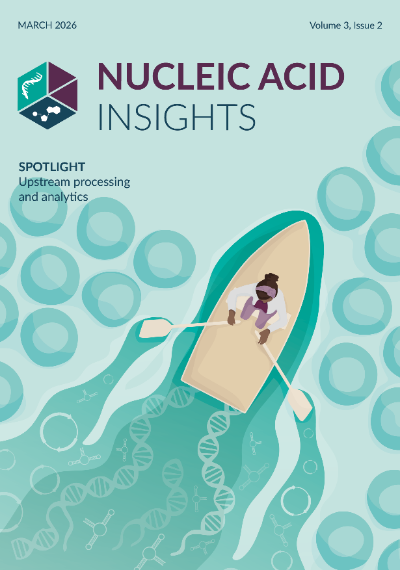
Upstream processing and analytics
View

Upstream processing and analytics

  • Are manufacturing challenges around sustainability and scalability holding the oligonucleotide field back from reaching its full potential?
    • How is the field addressing scale-up difficulties, high solvent consumption, and increasing environmental impact concerns?
    • How suited are different synthesis options (including solid-phase, liquid-phase, enzymatic manufacturing and hybrid approaches) to solving these issues?
  • Exploring the latest tools and strategies for producing large quantities of mRNA and oligonucleotides (e.g., aptamers) at scale and with high purity, fidelity, and consistency
  • Improving the connection between upstream and downstream processes
  • Are traditional synthesis options holding the oligonucleotide field back from reaching its full potential?
  • Dissecting the pros and cons of synthetic versus plasmid DNA for therapeutic and manufacturing applications
  • Current issues with cost and variability of raw materials

April

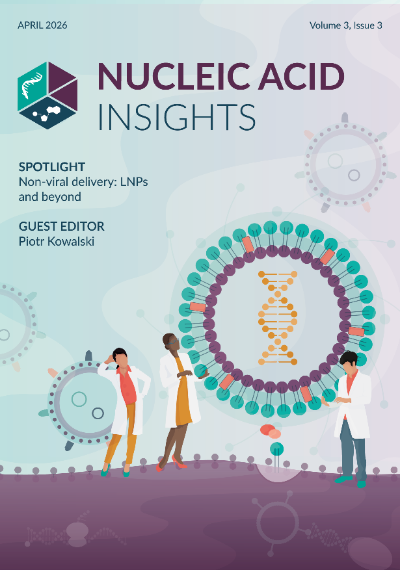
Non-viral delivery: LNPs and beyond
View

Non-viral delivery: LNPs and beyond

  • Assessing the latest opportunities and challenges for nonviral delivery vehicles (LNPs, extracellular vesicles, circular RNA, polymers, conjugates, and more)
  • Can lingering issues with LNPs be solved via new formulations, or will increased complexity lead to issues with size, stability, and release kinetics?
  • Overcoming issues associated with viral delivery and LNPs: what emerging alternatives are showing promise in helping solve current challenges around toxicity, immunogenicity, targeting, and endosomal escape?

May

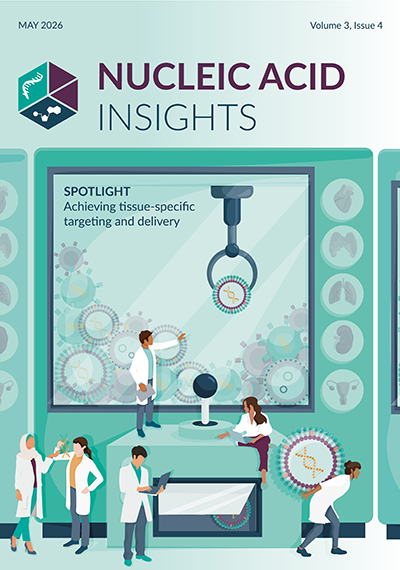
Achieving tissue-specific targeting and delivery
View

Achieving tissue-specific targeting and delivery

  • Overcoming ongoing challenges surrounding extrahepatic delivery and endosomal escape
    • What progress in targeting challenging organs and tissues such as the CNS and solid tumors?
  • How can tailored delivery approaches based on tissue and organ characteristics improve targeting and expression?
  • Are innovative delivery platforms and approaches addressing regulators’ ongoing targeting and toxicity concerns?

June

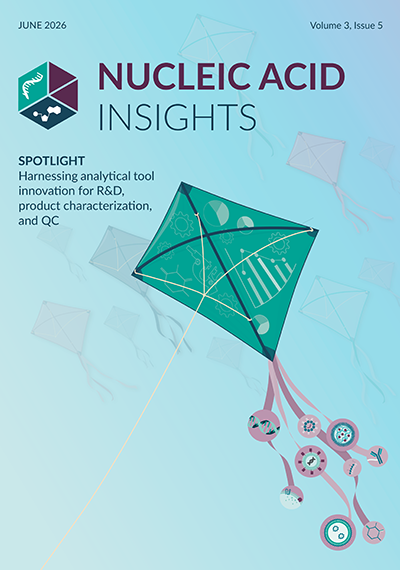
Harnessing analytical tool innovation for R&D, product characterization, and QC
View

Harnessing analytical tool innovation for R&D, product characterization, and QC

  • How are advances in the oligonucleotide analytical toolkit helping address the CMC expectations and concerns of regulators?
  • Where is the cutting edge in terms of analyzing complex products with different drug substances (e.g., mRNA and guide RNA co-formulated within an LNP)?
  • As requirements for process control and product release grow increasingly stringent, will current analytical methods remain sufficient or will new tools be needed?


July

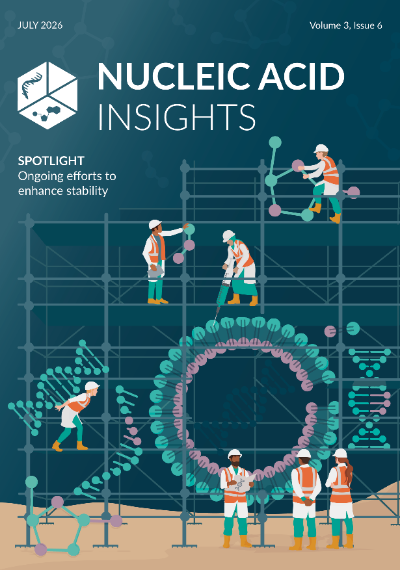
Ongoing efforts to enhance stability
View

Ongoing efforts to enhance stability

  • Structural modifications to enhance stability and translation efficiency
  • In vivo stability and pharmacokinetics of oligonucleotides (aptamers, RNA-based modalities)
  • Tools and approaches to gain mechanistic insights into stability and degradation of nucleic acids and LNPs?
  • Approaches for improving the stability of DNA nanostructures 
  • Formulation optimization to improve stability and release kinetics of nanoparticles, and non-temperature-dependent formulations

September

Downstream processing and analytics
View

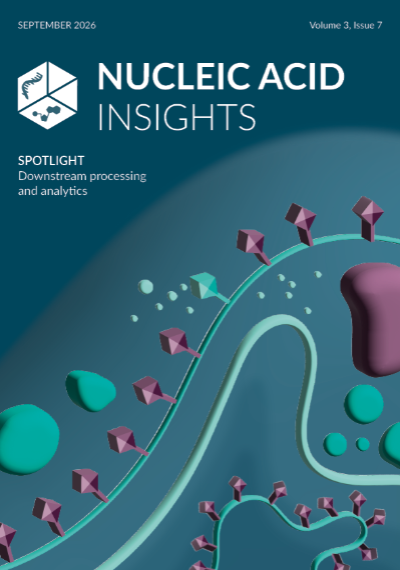
Downstream processing and analytics

  • Are existing oligonucleotide purification tools up to the challenge of meeting regulators’ expectations 
  • How and where are cutting-edge analytics driving downstream process improvements in terms of scalability, speed, cost, and accuracy?
  • Enhancing the characterization of complex impurity profiles and removal of product- and process-related impurities (e.g., dsRNA)
  • Addressing fill-finish challenges for nucleic acid therapeutics
  • Progress in advancing non-temperature dependent formulations for mRNA

October

Integrated supply chain
View

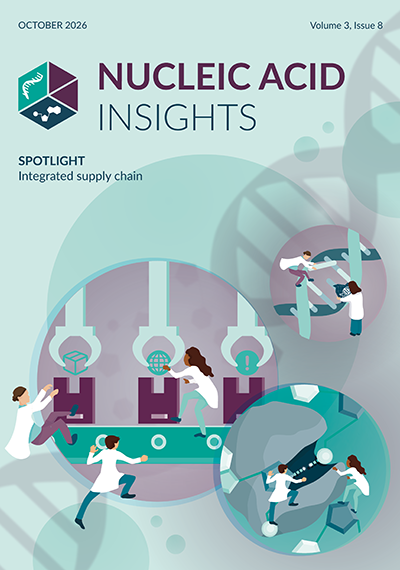
Integrated supply chain

  • Troubleshooting nucleic acid therapeutic raw and starting material sourcing strategy’
  • How can variability in analysis and quality from different raw material suppliers be addressed?  
    • Addressing the need for standardization 
  • Solutions to address the high cost and supply bottleneck of materials and reagents for oligonucleotide manufacturing, and their environmental impact (e.g. liquid phase manufacture, solvent reuse)
  • Ensuring a secure and reliable supply chain for pDNA biomanufacturing: how can the space manage potential disruptions in raw materials supply and ensure traceability?
  • Understanding regulatory expectations around raw and starting materials for complex nucleic acid products

November

Where and how is AI impacting the nucleic acids space?
View

Where and how is AI impacting the nucleic acids space?

  • Exploring the latest applications of AI/ML in discovery, development, manufacturing and regulatory processes
  • Exploring AI-driven predictive models for novel drug candidates, AI-driven nucleic acid design and delivery, and predictive SELEX
  • Leveraging AI platforms to predict RNA/DNA/aptamer structure with high reliability, pre-screen aptamer libraries, and perform binding studies

December

What’s next for nucleic acid therapeutics?
View

What’s next for nucleic acid therapeutics?

  • How can the nucleic acids space move into more and larger indications?
    • Does mRNA need a rebrand?
    • How can ASOs and siRNAs move beyond rare and orphan diseases?
  • How to address manufacturing and safety issues associated with the larger quantities and dosages of mRNA required for therapeutic applications? 
  • Addressing the lack of commercial incentive to pursue indications and areas such as antimicrobial resistance, fungal resistance, parasites, and tuberculosis
}