As AAV-based gene therapies continue to advance toward broader indications, manufacturing efficiency, consistency, and scalability are becoming critical enablers of commercial viability. Traditional transient transfection approaches introduce supply chain complexity, batch-to-batch variability, and scaling limitations, prompting increasing interest in stable producer cell line (PCL)–based manufacturing.
Transitioning from transient transfection to a PCL represents a manufacturing process change, not simply a material change, and must be evaluated within the framework of ICH Q5E and applicable global regulatory guidance. Analytical comparability serves as the foundation for assessing potential impacts to product quality, safety, and efficacy, and informs the need for additional nonclinical or clinical bridging studies.
In this fireside chat, industry experts will explore practical considerations for adopting PCL-based processes, including how the timing of the transition influences regulatory expectations and development risk. Panelists will also discuss the role of robust analytical strategies in supporting comparability, as well as the potential of PCL platforms to deliver improved productivity, consistency, and scalability, supporting long-term cost reduction and manufacturing robustness.
Attend this session to:
- Understand the distinction between a manufacturing process change and a material change when transitioning to a producer cell line, and how that distinction affects your comparability strategy
- Gain a framework for determining when analytical comparability data alone is sufficient versus when nonclinical or clinical bridging may be required
- Assess how transition timing affects regulatory risk, development burden, and the path toward scalable, cost-efficient AAV manufacturing
- Apply practical considerations for engaging CMC, regulatory, process development, and CDMO partners when planning and executing a platform transition
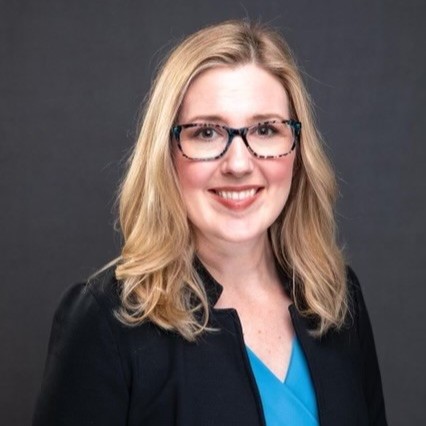
Laura Sands
Head of Regulatory Affairs at Lonza
Laura Sands is Head of Regulatory Affairs for Lonza's Specialized Modalities Platform. She holds a Master of Science in Biotechnology from Johns Hopkins University and a Bachelor of Science in Biochemistry and Molecular Biology from the University of Maryland, Baltimore County. Laura brings more than 25 years of biopharmaceutical industry experience, including roles in Quality Control and Regulatory Affairs. During her 20+ years at Lonza, she has held leadership positions in both Quality and Regulatory Affairs, supporting the development and commercialization of innovative therapies.
Suparna Sanyal, PhD
Director of Commercial Development for Viral Vectors at Lonza
Dr Suparna Sanyal is a Director of Commercial Development for viral vectors at Lonza Specialized Modalities, where she partners with global Commercial, Legal, Licensing, R&D, and Operations teams to advance the development and commercialization of viral vector manufacturing services for cell and gene therapies. With over 20 years of experience across pharmaceutical R&D, drug discovery, CDMO operations, and cell and gene therapy, she specializes in translating scientific innovation into scalable, commercially viable solutions, particularly in viral vector platforms. Dr Sanyal earned her PhD in Neuropharmacology from the University of Toronto and brings a strong foundation to her work supporting next-generation therapies.
Ramesh Koukuntla, PhD
Director of R&D at Lonza
Ramesh Koukuntla, PhD, is Director, R&D, where he leads viral vector manufacturing platform development and innovation. With over 25 years in biotech, Ramesh has worked across gene therapy, vaccine development, bioprocessing, and CMC strategy — including leadership roles at FUJIFILM Diosynth Biotechnologies and Boehringer Ingelheim Animal Health. He holds a PhD in Genetics from Iowa State University and has spent his career developing scientific breakthroughs into scalable, innovative manufacturing technologies.
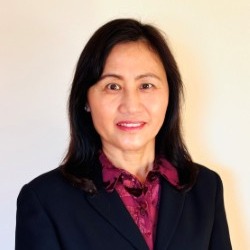
Wenling Dong
Head of Upstream Process Development at Lonza
Wenling Dong serves as Head of Process Development Viral Vector at Lonza Specialized Modalities based in Houston. Leveraging over 25 years of experience in research, process development, and GMP manucturing, she leads a high-performing team to develop and tech transfer manufacturing processes for various viral vectors, focusing on product quality, safety, and efficacy. Prior to Lonza, she held roles as a bioprocess engineer at various healthcare companies, including Baxter, GSK, and Teva. Wenling holds a Masters of Science in Chemical and Biochemical Engineering from the University of Maryland Baltimore County, a Masters of Science in Applied Chemistry from Shanghai Jiao Tong University and Bachelor of Science in Chemical Engineering from East China University of Science and Technology.
Vijetha Bhat
Subject Expert of Platform Technologies at Lonza
Vijetha Bhat is a technology expert working within Licensing in Lonza’s Specialized Modalities division. She has over 15 years of experience in the biopharma industry. Vijetha started her scientific career at Lonza in 2017 and has since contributed to a variety of projects focusing on developing production platforms and analytics for viral vectors in the cell and gene therapy space. She currently supports with providing in-depth technical direction to users working with Lonza’s expression platforms.
Vijetha has a background in biotechnology from India. She graduated from Rice University in Houston with a degree in Bioengineering. Prior to joining Lonza, she worked at Nanospectra Biosciences, an early-stage medical device company, developing nanotechnology-based therapies for oncology applications.