
Industry Insights: A month in review: crowded targets, beyond the ADC, and the move away from topoisomerase payloads
Bioconjugate Insights 2026; 1(7), 329–345
DOI:10.18609/bci.2026.034
October through November was dominated by ADCs, but the month’s conjugate news extended well beyond them. Radioconjugates featured in first-in-human data from Actinium and Full-Life, alongside a phospholipid drug conjugate case study from Cellectar, a FAP-activated peptide-drug conjugate from Avacta, oligonucleotide conjugates from Ractigen and Aro Biotherapeutics, a peptide-dye conjugate accepted for FDA review from Alume, and Phase 2 data on a 25-valent pneumococcal conjugate vaccine from Pfizer. Target convergence was a recurring theme. B7-H3 programs appeared from GSK, Genentech, BioNTech, CSPC, and Phrontline; FRα from AbbVie, Eli Lilly, AstraZeneca, Zymeworks, Genmab, and Medicovestor; and Nectin-4, TROP2, DLL3, and HER3 each supported multiple assets. Topoisomerase 1 inhibitor payloads recurred across most of these programs, while several companies moved in the opposite direction: Hexagon Bio raised $62 million for a translation inhibitor payload; Akari described a spliceosome modulator; and non-cytotoxic payloads appeared in Chipscreen’s HDAC inhibitor conjugate, HUTCHMED’s KRAS inhibitor conjugate, and glucocorticoid conjugates from Santa Ana Bio and Lifordi. Sequencing after prior conjugate therapy was directly addressed in several datasets. Mabwell, Iksuda, Avacta, and Genmab reported activity in patients or models previously treated with ADCs, and Phrontline reported responses after enfortumab vedotin. In B-cell malignancies, Immunome, Iksuda, and ADC Therapeutics each reported responses in patients previously treated with CAR-T therapy. Genmab and Zymeworks both reported activity across FRα expression levels, including low or negative expression. Licensing activity focused on Asian originators. Hansoh signed a second ADC agreement with Roche; HUTCHMED closed its agreement with GSK; and Boehringer Ingelheim signed a six-program agreement with Sino Biopharmaceutical subsidiaries. Format departures included bispecific ADCs from SystImmune and Phrontline; a dual-targeting ADC from AbbVie; a dual-payload ADC from Acepodia; a biparatopic ADC from Salubris; and a multi-drug conjugate collaboration between iDEL and Daiichi Sankyo. On the supply side, Lonza expanded bioconjugation capacity at Visp, and Fresenius agreed terms with WuXi Biologics covering ADC biosimilar candidates. In this Industry insight: Collaborations, partnerships, and acquisitions Regulatory changes and updates Market trends Research and development highlights Clinical trials and research Tools and technologies Conferences, events, and publications |
COLLABORATIONS, PARTNERSHIPS, AND ACQUISITIONS |
iDEL Therapeutics and Daiichi Sankyo signed research collaboration on multi-drug conjugate [1]
iDEL Therapeutics entered a multiyear research collaboration with Daiichi Sankyo to evaluate a multidrug conjugate (MDC) built on iDEL’s synthetic shuttle platform in selected solid tumor indications. The preclinical research, led by iDEL with scientists at the Daiichi Sankyo Research Institute Munich, will assess the MDC against an ADC carrying a comparable payload. The platform is designed to deliver payloads into the cytosol while avoiding endosomal entrapment, and is compatible with small molecules, peptides and single-domain antibodies. Financial terms were not disclosed.
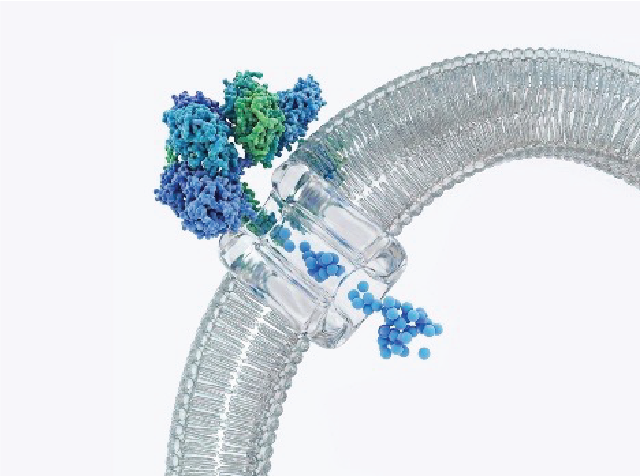
iDEL Therapeutics and Daiichi Sankyo signed research collaboration on multi-drug conjugate; Collaborations, partnerships, and acquisitions. Credit: iDEL Therapeutics.
Boehringer Ingelheim and Sino Biopharmaceutical signed multi-program ADC and T cell engager agreement [2]
Boehringer Ingelheim and Sino Biopharmaceutical Limited entered a multi-program option and license agreement covering six preclinical biologic programs based on ADC and T cell engager technologies. Five originate from LaNova Medicines and one from Beijing Tide Pharmaceutical, both SBP Group subsidiaries. SBP Group will undertake early development; after agreed clinical milestones, Boehringer Ingelheim may exercise options for exclusive development, manufacturing and commercialization rights outside mainland China, Hong Kong and Macau for four programs, and worldwide for the remaining two. SBP Group receives $358 million in upfront and near-term payments, with up to $7 billion in milestones plus tiered royalties.
Fresenius and WuXi Biologics signed biosimilars development agreement including ADC candidates [3]
Fresenius entered an exclusive development agreement with WuXi Biologics providing option rights to up to 37 biosimilar candidates over the next decade, expanding its portfolio from 29 marketed and pipeline molecules to as many as 66. The portfolio spans 13 therapeutic areas and multiple biologic technologies, including monoclonal antibodies (mAbs) and bispecific antibodies, ADCs, and fusion proteins, addressing more than €370 billion in originator sales. Initial development is expected to focus on polatuzumab vedotin, an ADC for diffuse large B-cell lymphoma, and teprotumumab. Fresenius will compensate WuXi Biologics on a fee-for-service basis and retain exclusive global commercialization rights.

Fresenius and WuXi Biologics signed biosimilars development agreement including ADC candidates; Collaborations, partnerships, and acquisitions. Credit: Fresenius.
BioNTech and Gilead agreed to evaluate TROP2 ADC with pumitamig in TNBC [4]
BioNTech entered a clinical trial collaboration and supply agreement with Gilead Sciences to evaluate pumitamig, a PD-L1 × VEGF-A bispecific immunomodulator developed with Bristol Myers Squibb, in combination with sacituzumab govitecan (Trodelvy), Gilead’s TROP2-directed ADC. The global, double-blind Phase 3 ROSETTA Breast-01 trial currently evaluates pumitamig plus chemotherapy versus chemotherapy in locally advanced or metastatic PD-L1 low or negative TNBC. BioNTech and Bristol Myers Squibb plan to adapt the trial to replace chemotherapy with sacituzumab govitecan, pending regulatory approval. BioNTech will continue to sponsor and lead the trial; Gilead will supply the ADC.
HUTCHMED and GSK closed licensing agreement for KRAS-EGFR antibody-targeted therapy conjugate [5]
HUTCHMED closed an exclusive development and license agreement with a GSK subsidiary for HMPL-A830, granting worldwide rights excluding mainland China, Hong Kong, Macau, and Taiwan. HMPL-A830 is an antibody-targeted therapy conjugate (ATTC) comprising a selective KRAS small molecule inhibitor payload conjugated to an anti-EGFR antibody, designed to deliver the inhibitor to EGFR-expressing tumors while blocking both EGFR and KRAS signaling. HUTCHMED retains responsibility for global Phase 1 development, with GSK taking subsequent development and commercialization in its territory. HUTCHMED receives $110 million upfront and up to $1.185 billion in development, regulatory and commercial milestones plus tiered royalties.
Hansoh Pharma and Roche signed second ADC collaboration and license agreement [6]
Hansoh Pharma entered a strategic collaboration and license agreement with Roche covering two preclinical Hansoh ADC programs and multiple additional programs against Roche-proposed targets, developed using Hansoh’s ADC technology platform. Hansoh will lead early development through completion of global Phase 1a trials, after which Roche assumes worldwide development excluding mainland China, Hong Kong, Macau and Taiwan, where Hansoh retains all rights. Hansoh receives $400 million upfront and a $110 million first anniversary payment, and is eligible for more than $15 billion in development, regulatory and commercial milestones plus tiered royalties. Hansoh may opt into two programs for incremental US commercialization upside.
REGULATORY CHANGES AND UPDATES |
Tanabe Pharma filed Japanese marketing authorization application for Zynlonta® in relapsed or refractory DLBCL [7]
Tanabe Pharma, ADC Therapeutics’ Japanese licensing partner, filed a marketing authorization application with Japan’s Ministry of Health, Labour and Welfare for Zynlonta (loncastuximab tesirine) in relapsed or refractory diffuse large B-cell lymphoma after two or more lines of systemic therapy. The filing follows the Phase 1/2 MT-2111-A-101 bridging study in Japanese patients, presented at the Japanese Society of Hematology meeting, in which objective response rate (ORR) was 58.1% with a complete response rate of 41.9% and median duration of response not reached at median follow-up of 15.21 months. Tanabe Pharma has sublicensed commercialization in Japan to Nippon Shinyaku.
US FDA accepted NDA for peptide-dye conjugate for intraoperative nerve visualization [8]
The US FDA accepted Alume Biosciences’ New Drug Application for bevonescein (ALM-488) for filing and review, a fluorescent peptide-dye conjugate administered intravenously to provide contrast between nerves and surrounding tissue during head and neck surgery. The application is supported by three Phase 3 trials across 13 institutions in 11 states. In all three, bevonescein-enabled visualization produced a statistically significant improvement in nerve conspicuity, a co-primary endpoint, compared with white light alone. Pooled analysis showed significant improvements in visible nerve length and branching delineation. No serious drug-related adverse events or deaths were reported.
NMPA accepted new indication application for TROP2 ADC with pembrolizumab in PD-L1-negative NSCLC [9]
China’s NMPA accepted for review a new indication application for sacituzumab tirumotecan (sac-TMT), Kelun-Biotech’s TROP2-directed ADC, in combination with pembrolizumab as first-line treatment for locally advanced or metastatic non-squamous non-small cell lung cancer (NSCLC) with PD-L1 tumor proportion score below 1% and EGFR- and ALK-negative disease. The application is based on the Phase 3 OptiTROP-Lung06 study, which compared sac-TMT plus pembrolizumab with pembrolizumab plus pemetrexed and platinum chemotherapy. At prespecified interim analysis, the combination met its primary endpoint of progression-free survival (PFS) by blinded independent central review, with a positive trend in OS. This is the seventh indication application for sac-TMT accepted by the NMPA.
Enhertu® approved in China for HER2-positive solid tumors and in the EU in early breast cancer [10,11]
Enhertu (trastuzumab deruxtecan) received two approvals in October. China’s NMPA granted conditional approval as monotherapy for adults with unresectable or metastatic HER2-expressing (IHC 3+) solid tumors after prior treatment, based on four Phase 2 trials. In DESTINY-PanTumor02, confirmed ORR was 51.4% with median duration of response of 19.4 months; DESTINY-PanTumor03 in China reported 58.0%. The European Commission approved Enhertu as adjuvant monotherapy for resected HER2-positive breast cancer with residual invasive disease after neoadjuvant taxane-based and HER2-targeted treatment. In the Phase 3 DESTINY-Breast05 trial, Enhertu reduced the risk of invasive disease recurrence or death by 53% versus trastuzumab emtansine, with a 3-year invasive disease-free survival rate of 92.4% versus 83.7%. AstraZeneca owes Daiichi Sankyo a $75 million milestone payment on the EU approval.
European Commission approved pembrolizumab plus enfortumab vedotin for muscle-invasive bladder cancer [12]
The European Commission approved Keytruda (pembrolizumab) in combination with Padcev (enfortumab vedotin), a Nectin-4-targeted ADC, as neoadjuvant treatment continued after radical cystectomy as adjuvant treatment in adults with resectable muscle-invasive bladder cancer. Approval is based on the Phase 3 KEYNOTE-B15 trial, conducted with Pfizer and Astellas, in which the combination reduced the risk of event-free survival events by 47% and risk of death by 35% versus neoadjuvant gemcitabine and cisplatin plus surgery. Pathologic complete response was 55.8% versus 32.5%.

European Commission approved pembrolizumab plus enfortumab vedotin for muscle-invasive bladder cancer; Regulatory changes and updates. Credit: iStock.
AbbVie completed pCPA negotiations for Elahere® in Canada [13]
AbbVie completed negotiations with the pan-Canadian Pharmaceutical Alliance for Elahere (mirvetuximab soravtansine) and signed a letter of intent, a step toward public reimbursement ahead of provincial and territorial listing decisions. Elahere is an ADC comprising an FRα-binding antibody, a cleavable linker and the maytansinoid payload DM4, a tubulin inhibitor. It was approved by Health Canada in August 2025 as monotherapy for adults with FRα-positive, platinum-resistant epithelial ovarian, fallopian tube or primary peritoneal cancer who have received one to three prior systemic treatment regimens.
Samsung Bioepis gained Fast Track designation for its first novel ADC [14]
The US FDA granted Fast Track designation to SBE303, Samsung Bioepis’s first novel ADC, in advanced solid tumors. SBE303 binds Nectin-4, an adhesion protein expressed in tumor cells including urothelial, lung and breast cancer, and comprises an anti-Nectin-4 antibody conjugated to a novel Topo-1 inhibitor payload via a proprietary linker. The company states the construct is engineered to improve the therapeutic window relative to existing Nectin-4 ADCs, which it describes as limited by narrow therapeutic index and dose-limiting toxicities. SBE303 is in Phase 1 clinical development.
US FDA granted Fast Track designation to FRα-targeted ADC for pancreatic cancer [15]
The US FDA granted Fast Track designation to MC001, Medicovestor’s lead investigational ADC for pancreatic cancer. MC001 targets FRα and is engineered to combine targeted cytotoxic delivery with antibody-mediated innate immune effector functions through the company’s antibody scaffold technology, a dual mechanism intended to extend activity beyond payload-mediated tumor cell killing. Medicovestor is preparing to initiate an international, multicenter Phase 1 study assessing safety, tolerability, pharmacokinetics, and preliminary antitumor activity in patients with advanced or metastatic pancreatic cancer and other eligible FRα-expressing solid tumors.
NMPA accepted two INDs for PD-1/VEGF bispecific in ADC and pan-RAS inhibitor combinations [16]
OncoC4 received NMPA acceptance of two IND applications for cesalatamig (AI-081), a PD-1/VEGF bispecific antibody, in combination regimens for advanced solid tumors. One study will evaluate cesalatamig with ADCs across selected solid tumors; the other with pan-RAS inhibitors in molecularly defined populations. Cesalatamig is designed for high PD-1 affinity and higher VEGF-binding affinity than bevacizumab-based PD-(L)1/VEGF bispecifics, with Fc-silencing modifications intended to avoid depletion of PD-1-positive effector T cells. The US FDA granted Fast Track Designation in September 2026 for NSCLC progressing after PD-(L)1-targeted immunotherapy and platinum-based chemotherapy. Enrollment follows NMPA approval.
Chipscreen Biosciences received IND approval for PD-L1-targeted HDAC inhibitor conjugate [17]
Chipscreen Biosciences received IND approval from China’s NMPA for NW001, an epigenetic immune-modulating antibody conjugate (EIMAC) co-developed with Chengdu Chipscreen Newway Biosciences. NW001 comprises a humanized anti-PD-L1 mAb conjugated to a histone deacetylase inhibitor (HDACi) payload; following PD-L1 binding and internalization, intracellular cleavage releases the payload, with the design intended to limit systemic exposure. Preclinical data reported antitumor activity in models refractory or resistant to PD-1/PD-L1 inhibitors, and tolerability in non-human primates. The Phase 1 trial will assess safety, tolerability, pharmacokinetics, and preliminary antitumor activity in patients with advanced tumors.
MARKET TRENDS |
Hexagon Bio raised $62 million Series C for novel ADC payload platform [18]
Hexagon Bio closed a $62 million Series C financing led by The Column Group, with participation from Nextech Invest, Deviation Capital, 8VC and Canada Pension Plan Investment Board. Proceeds will support a Phase 1 trial of HEX-360, anticipated to begin in the first half of 2027, and advance additional payload mechanisms and dual payloads from the company’s platform. HEX-360 is a HER2-targeting ADC carrying a translation inhibitor payload intended to suppress oncogenic protein production, a mechanism the company describes as orthogonal to the topoisomerase and tubulin inhibitors used in approved conjugates. HEX-360 is in IND-enabling studies.
RESEARCH AND DEVELOPMENT HIGHLIGHTS |
Aro Biotherapeutics presented preclinical data for protein-siRNA conjugate in inflammatory myositis [19]
Aro Biotherapeutics presented preclinical data for ABX1200, a conjugate pairing a CD71-targeted Centyrin protein scaffold with a CD40 siRNA, at ACR Convergence 2026. In work with the Karolinska Institute, RNA sequencing of patient muscle samples showed elevated CD40 expression in inclusion body myositis, with CD40L predominant in CD4+ central memory T cells, and CD40 expression correlating with serum creatine kinase levels and disease activity scores. ABX1200 reduced CD40 mRNA in macrophages and myotubes in vitro, and in a preclinical model of muscle inflammation reduced upregulation of CD40 and associated chemokines. Clinical studies are planned for 2027.
Santa Ana Bio presented preclinical data for CD40-targeted glucocorticoid ADC [20]
Santa Ana Bio presented preclinical data for SAB05, an Fc-null CD40-targeted ADC delivering a low-permeability glucocorticoid payload, at ACR Convergence 2026. SAB05 internalized and localized to the lysosome of CD40-positive cells, activating the glucocorticoid receptor and inducing glucocorticoid-responsive genes GILZ and FKBP5 in CD40-positive B cells but not CD40-negative T cells. In human primary cells it suppressed activation of B cells, peripheral blood mononuclear cells, M1 macrophages and monocyte-derived dendritic cells. In a therapeutic collagen-induced arthritis model, weekly dosing of a mouse surrogate at the two highest doses matched daily free glucocorticoid efficacy without the associated weight loss.
Precision Biologics to present preclinical data for ADC targeting truncated core 2 O-glycans [21]
Precision Biologics will present preclinical data for PB-223, an ADC with a valine-citrulline MMAE linker-payload targeting truncated core 2 O-glycans, at the Society for Immunotherapy of Cancer Annual Meeting on 7 November. The poster describes in vivo efficacy in an ovarian cancer patient-derived xenograft model expressing the target glycan. The company reports tumor eradication with minimal toxicity observed in blood and healthy tissue in preclinical animal studies, and states the target is found across solid tumors but not healthy tissue.
Ractigen published preclinical data on lipid-conjugated oligonucleotide platform for extrahepatic delivery [22]
Ractigen Therapeutics published a study describing its lipid-conjugated oligonucleotide platform, which pairs an optimized lipid moiety with a benzimidazole-based linker at the 5´ end of the passenger strand, synthesized as a single entity via solid-phase chemistry. In mice, a single systemic dose achieved over 90% target mRNA knockdown across skeletal muscle, heart, aorta, and adipose tissue, with at least 50% silencing persisting for 6 months. Studies in CD36-knockout models identified the fatty acid translocase CD36 as the primary receptor mediating uptake. In cynomolgus macaques, two intravenous doses produced ~90% myostatin knockdown across skeletal muscles.
Avacta reported preclinical activity for FAP-activated peptide-drug conjugate after Enhertu resistance [23]
Avacta Therapeutics presented preclinical data and the FOCUS-01 Phase 1a trial design for AVA6103, a fibroblast activation protein (FAP)-activated peptide-drug conjugate carrying an exatecan payload, at ESMO. In a patient-derived xenograft model of HER2-positive, FAP-positive gastric tumors that had progressed on Enhertu, all AVA6103-treated animals achieved stable disease, while all animals retreated with Enhertu progressed. Immunohistochemistry showed increased FAP expression over the course of treatment through fibroblast recruitment. FOCUS-01 is a first-in-human multicenter dose escalation trial enrolling patients with tumors co-expressing FAP and SLFN11, a gene associated with response to Topo-1 inhibition.
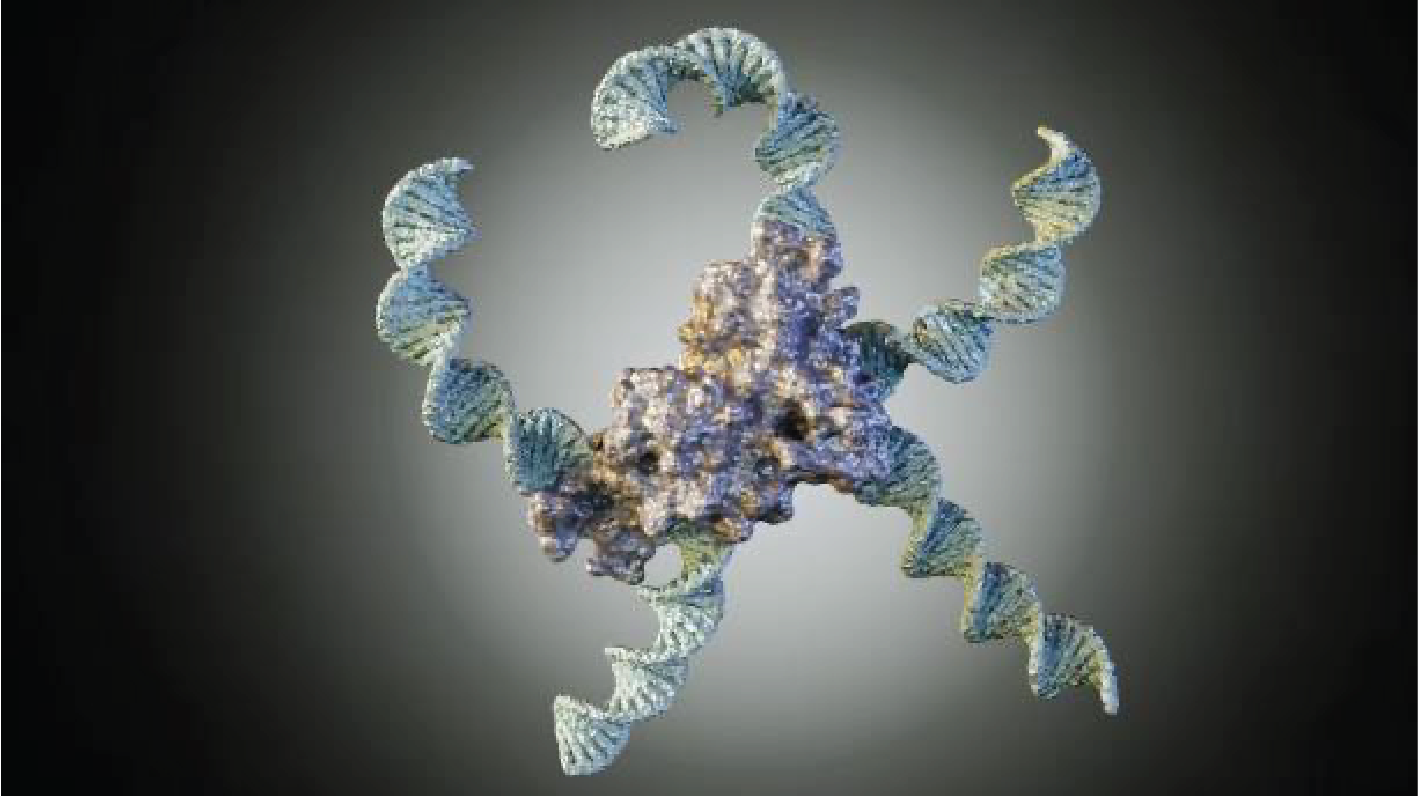
Avacta reported preclinical activity for FAP-activated peptide-drug conjugate after Enhertu resistance; Research and development highlights. Credit: Avacta.
Full-Life reported first-in-human imaging data for c-MET-targeted radionuclide drug conjugate [24]
Full-Life Technologies reported first-in-human imaging data for (111In)In-FL-261, the imaging component of its c-MET-targeted theranostic radionuclide drug conjugate program, at the European Association of Nuclear Medicine Congress. In 10 patients with NSCLC undergoing SPECT/CT at 4, 24, and 72 hours post-injection, lesion uptake correlated with c-MET immunohistochemistry score across six evaluable patients, whereas (18F)FDG uptake did not. Normal organ uptake was low with rapid washout, and no tracer-related serious adverse events were reported. Preclinical data for the α-emitting therapeutic (225Ac)Ac-FL-261 showed tumor regression in xenograft models, including one derived from a patient previously treated with a c-MET ADC.
CLINICAL TRIALS AND RESEARCH |
Lifordi reported Phase 1 data for VISTA-targeted glucocorticoid ADC in healthy participants [25]
Lifordi Immunotherapeutics presented Phase 1 data for LFD-200, a subcutaneously administered ADC comprising a mAb conjugated to eight glucocorticoid payload molecules, at ACR Convergence 2026. The antibody binds the immune cell surface protein VISTA and internalizes the payload, and is designed to have no other biological function. In healthy participants, LFD-200 was well tolerated, with dose-responsive anti-inflammatory effects and no effect on serum cortisol, a marker of systemic glucocorticoid toxicity. Data from patients with moderate to severe rheumatoid arthritis in the ongoing Phase 1b study are expected by the end of 2026.
CSPC initiated first-in-human trial of CEACAM5-targeted ADC in advanced solid tumors [26]
CSPC Pharmaceutical Group initiated a Phase 1/2 clinical trial of SYS6062, an ADC targeting carcinoembryonic antigen-related cell adhesion molecule 5 (CEACAM5), at the first centre in China. The antibody binds CEACAM5 on tumor cells and is internalized, with protease cleavage releasing the payload and producing a bystander effect on surrounding cells. The multicentre, open-label, first-in-human study comprises dose escalation, pharmacokinetic expansion and cohort expansion, assessing safety, tolerability, pharmacokinetics and preliminary efficacy in advanced solid tumors. The NMPA issued clinical trial approval in October 2026.
Iksuda reported first-in-human data for CD19-targeted PBD prodrug ADC [27]
Iksuda Therapeutics reported preliminary dose escalation data for IKS03, a CD19-targeted ADC delivering a tumor-activated pyrrolobenzodiazepine (PBD) prodrug, ahead of presentation at the American Society of Hematology Annual Meeting. Patients with advanced B-cell non-Hodgkin lymphoma, median four prior lines, were treated across five dose levels up to 3.1 mg/m2 without reaching a maximum tolerated dose. Among efficacy-evaluable patients, ORR was 53%, with complete metabolic responses in 29%. Responses occurred from the lowest dose level and in three of four patients with prior CAR-T therapy. Treatment-related adverse events affected seven of 21 treated patients.
Acepodia dosed first patient with dual-payload ADC in hepatocellular carcinoma [28]
Acepodia dosed the first patient in a Phase 1 trial of ACE723, a GPC3-targeted dual-payload ADC, in unresectable or metastatic hepatocellular carcinoma at a site in China. The construct pairs a GPC3-targeting antibody with two cytotoxic payloads acting through different mechanisms, a design intended to address tumor heterogeneity and resistance associated with single-payload conjugates. The study will assess safety, tolerability, dose-limiting toxicities, pharmacokinetics and preliminary antitumor activity, with dose escalation to define a recommended dose. ACE723 received IND clearance from the US FDA and NMPA in September 2026 and from Taiwan’s regulator in October.

Acepodia dosed first patient with dual-payload ADC in hepatocellular carcinoma; Clinical trials and research. Credit: Acepodia.
Immunome reported first-in-human responses for ROR1-targeted ADC in B-cell lymphomas [29]
Immunome reported initial first-in-human data for IM-1021, a ROR1-targeted ADC carrying the company’s proprietary Topo-1 inhibitor payload HC74, ahead of presentation at the American Society of Hematology Annual Meeting. Among response-evaluable patients with B-cell non-Hodgkin lymphoma, ORR was 53%, including five complete and five partial responses; in diffuse large B-cell lymphoma, ORR was 64%. Patients had received a median of four prior lines of therapy, with prior T-cell redirecting therapy common. Responses were observed across all dose levels tested. Grade 3 treatment-emergent adverse events occurred in 52% of patients with B-cell non-Hodgkin lymphoma, most commonly neutropenia.
ADC Therapeutics reported Zynlonta data across B-cell lymphomas ahead of ASH [30]
ADC Therapeutics reported data for Zynlonta (loncastuximab tesirine) across multiple B-cell lymphomas ahead of the American Society of Hematology Annual Meeting in December. In the Phase 1b LOTIS-7 study of Zynlonta plus glofitamab in relapsed or refractory large B-cell lymphoma, ORR was 88.7% with a complete response rate of 75.3%; among patients with prior CAR-T therapy, ORR was 74.1%. In an investigator-led Phase 2 study in relapsed or refractory marginal zone lymphoma, ORR was 93% with a 2-year PFS rate of 90.8%. The Phase 3 LOTIS-5 study met its primary endpoint of PFS versus R-GemOx.
Iksuda reported Phase 1 responses for HER2-directed ADC after trastuzumab deruxtecan [31]
Iksuda Therapeutics reported preliminary Phase 1 data for IKS014 (caxmotabart entudotin), a HER2-directed ADC with tumor-selective release of an MMAF payload, ahead of presentation at the San Antonio Breast Cancer Symposium in December. Across 105 patients enrolled in dose escalation and expansion, grade 3 treatment-related adverse events occurred in 15.2%, most commonly hypokalemia, with no grade 5 or treatment-related serious adverse events. In a pooled analysis of response-evaluable patients with HER2-positive breast cancer previously treated with trastuzumab deruxtecan, objective response rate was 50%, including partial responses in patients whose best response to prior T-DXd was progressive disease.
Phrontline reported preliminary Phase 1 responses for bispecific EGFR × B7-H3 ADC [32]
Phrontline Biopharma reported preliminary results for TJ101, a bispecific ADC targeting EGFR and B7-H3 with a Topo-1 inhibitor payload, from an ongoing global Phase 1 study presented at ESMO. Among response-evaluable patients with urothelial carcinoma, six of eight achieved partial responses, including patients previously treated with enfortumab vedotin and pembrolizumab. Preliminary antitumor activity was also reported in squamous NSCLC, SCLC and prostate cancer. The company has initiated the Phase 1b portion with the first patient dosed, and continues dose escalation and exploration of alternative treatment schedules.
Cellectar reported 8-year complete response in a case study of phospholipid drug conjugate [33]
Cellectar Biosciences reported a case study of a patient with high-grade, double-hit diffuse large B-cell lymphoma treated with iopofosine I 131, a phospholipid drug conjugate delivering iodine-131 to malignant cells. The patient, who had received four prior lines of therapy and stem cell transplantation, achieved a response by day 48 and a complete response by day 85 after a single 57.5 mCi dose, with the target lesion resolving from 825 mm³ to zero. As of May 2026, more than 8 years after treatment, no progression or further anticancer therapy had been reported. Hematologic toxicities resolved.
AimedBio and Boehringer Ingelheim dosed first patient with ADC in Phase 1 solid tumor study [34]
The first patient was dosed in a Phase 1 study of BI 4060107, an ADC discovered by AimedBio and developed by Boehringer Ingelheim under a global collaboration and licensing agreement signed in October 2025. The first-in-human study evaluates different doses in patients with advanced solid tumors, focusing on tolerability. The asset targets a tumor-selective marker described as highly expressed across multiple cancers and minimally present in normal tissue. The milestone triggers an undisclosed payment to AimedBio under the agreement.
DualityBio and BioNTech reported modest Phase 3 benefit for HER2-directed ADC in HR+/HER2-low breast cancer [35]
DualityBio and BioNTech reported that the global Phase 3 DYNASTY-Breast02 trial met its primary endpoint, with trastuzumab pamirtecan (BNT323/DB-1303) showing a statistically significant but modest improvement in PFS versus investigator’s choice of chemotherapy in chemotherapy-naive patients with HR+/HER2-low metastatic breast cancer progressing on endocrine therapy. Overall survival (OS) data were not mature at interim analysis. A higher rate of interstitial lung disease (ILD) was reported than in prior trials with the asset, most cases grade 1 or 2, with severe and fatal events in a small proportion of patients. The companies stated the potential benefit would be limited in the current treatment landscape and will determine next steps.
Pfizer reported Phase 2 immunogenicity data for 25-valent pneumococcal conjugate vaccine in infants [36]
Pfizer reported Phase 2 results for PF-07872412 (25vPnC), an investigational 25-valent pneumococcal conjugate vaccine, in healthy infants at IDWeek 2026. A four-dose series elicited immune responses against all 25 serotypes, including the five not covered by Prevnar 20 (15A, 23A, 23B, 24F and 35B), with local reactions, systemic events and adverse events balanced against the comparator and no related serious adverse events reported. Against serotype 3, geometric mean concentrations were 8.8-fold higher 1 month after dose 3 and approximately 15-fold higher after dose 4. Functional opsonophagocytic responses were observed for all 25 serotypes after dose 4.

Pfizer reported Phase 2 immunogenicity data for 25-valent pneumococcal conjugate vaccine in infants; Clinical trials and research. Credit: iStock.
Bio-Thera reported Phase 2 data for TROP2 ADC with anti-PD-1 antibody in first-line NSCLC [37]
Bio-Thera Solutions reported Phase 2 data for BAT8008, a TROP2-targeted ADC, in combination with BAT1308, an anti-PD-1 mAb, in first-line NSCLC. In patients with mutation-negative disease, the combination achieved an ORR of 61.2% with median PFS of 12.42 months. In the non-squamous subgroup, ORR was 65.2% and median PFS was not reached at the time of analysis. The company reported a safety profile consistent with the known characteristics of the individual agents, with no new safety signals.
Zymeworks reported dose-optimization data for FRα-targeted ADC in platinum-resistant ovarian cancer [38]
Zymeworks reported data from the randomized dose-optimization portion of a Phase 1 study of ZW191, an FRα-targeted ADC carrying the proprietary Topo-1 inhibitor payload ZD06519. Eighty patients with platinum-resistant ovarian cancer (median four prior lines) received 6.4 mg/kg or 9.6 mg/kg every three weeks. Among response-evaluable patients with high-grade serous disease, confirmed ORR was 64.5% at 6.4 mg/kg and 55.3% at 9.6 mg/kg, with confirmed responses of 69.2%, 50.0% and 55.0% in high, intermediate and low or negative FRα expression, respectively. Grade 3 or higher treatment-related adverse events occurred in 22% at 6.4 mg/kg versus 44% at 9.6 mg/kg.
Zai Lab reported first Phase 1b data for DLL3 ADC with atezolizumab in first-line ES-SCLC [39]
Zai Lab reported first data from a global Phase 1b trial of zocilurtatug pelitecan (zoci), a DLL3-targeted ADC, with atezolizumab in first-line ES-SCLC. At the recommended Phase 3 dose of 1.6 mg/kg, confirmed ORR was 81.8% by investigator assessment, with a six-month PFS rate of 81.9%. Among patients with at least 6 months’ follow-up, median PFS and median duration of response were not reached after median follow-up of 10 months. Grade 3 or higher adverse events related to zoci occurred in 9.1%, with no treatment-related discontinuations.
Genmab reported positive topline Phase 3 results for FRα-targeted ADC in platinum-resistant ovarian cancer [40]
Genmab reported positive topline results from the global Phase 3 RAINFOL-02 trial of rinatabart sesutecan (Rina-S), an FRα-targeted ADC with a Topo-1 inhibitor payload, in platinum-resistant ovarian cancer regardless of FRα expression or prior mirvetuximab treatment. The trial met its primary endpoint of PFS, with a 71% reduction in risk of progression or death in the intent-to-treat population and 67% in the primary analysis set. The key secondary endpoint of OS was also met.
Salubris reported updated Phase 1b/2 data for biparatopic 5T4-targeted ADC [41]
Salubris Biotherapeutics reported updated Phase 1b/2 data for JK06, a quadrivalent, biparatopic ADC targeting 5T4 with an MMAE payload and site-specific conjugation, in unresectable locally advanced or metastatic solid tumors. Among 230 patients treated in the target dose range of 3.7–5.2 mg/kg, ORR was 22% in response-evaluable squamous NSCLC (7/32) with a disease control rate of 84%, 33% in HR-positive breast cancer (9/27), and 33% in cervical cancer (6/18). Grade 3 or higher treatment-related adverse events occurred in 9% of patients, with two grade 4 events and none grade 5; 5% discontinued due to adverse events.
IDEAYA and Hengrui reported survival data for DLL3-targeted ADC in SCLC [42]
IDEAYA Biosciences and partner Jiangsu Hengrui Pharmaceuticals reported updated Phase 1 results for IDE849 (SHR-4849), an ADC pairing a humanized anti-DLL3 IgG1 antibody with a Topo-1 inhibitor payload via a cleavable linker, in relapsed SCLC and other neuroendocrine carcinomas. Among 101 previously treated patients with SCLC receiving doses of 1.8 mg/kg or above, confirmed ORR was 54.5% with median OS of 14.7 months and median PFS of 6.8 months; in second-line patients, median OS was 17.4 months. In 19 patients with other neuroendocrine carcinomas, confirmed ORR was 36.8% and median PFS 7.0 months.
TORL reported Phase 1 data for Claudin 6-targeted ADC in recurrent germ cell tumors [43]
TORL BioTherapeutics reported preliminary data for ixotatug vedotin (Ixo-V), a Claudin 6 (CLDN6)-targeted ADC with an MMAE linker-payload, in recurrent germ cell tumors from the Phase 1 CATALINA-1 study. Eleven heavily pretreated patients (median three prior lines) received 0.4 to 3.4 mg/kg every three weeks. ORR was 45.5% (five partial responses) and disease control rate 72.7% at median follow-up of 13.8 months, with median PFS of 5.8 months. Three of six patients previously treated with high-dose chemotherapy and autologous stem cell transplantation achieved confirmed responses. One response was maintained for 47.4 months. Adverse events were primarily low-grade.
CSPC initiated Phase 3 trial of B7-H3 ADC in first-line TNBC [44]
CSPC Pharmaceutical Group initiated a Phase 3 trial of SYS6043, a B7-H3-targeted ADC, at the first study center in China for first-line treatment of unresectable recurrent or metastatic TNBC. The construct pairs an anti-B7-H3 antibody with a tetrapeptide linker conjugated to a Topo-1 inhibitor payload, cleaved by proteases to release the payload and exert a bystander effect. The Fc region is modified to reduce lymphocyte uptake and lower off-target toxicity relative to wild-type Fc. The randomized, open-label, multicenter trial compares SYS6043 with investigator’s choice of chemotherapy. Recruitment and screening are underway.
Sutro Biopharma dosed first patient in Phase 1 trial of integrin β6-targeted ADC [45]
Sutro Biopharma dosed the first patient in a Phase 1 trial of STRO-006, an integrin β6 (ITGB6)-targeting ADC with a DAR of 8. The construct pairs a high-affinity anti-ITGB6 antibody that binds without disrupting TGFβ signaling to an exatecan payload via a site-specific β-glucuronidase cleavable linker. The open-label, multicenter trial will assess safety, pharmacokinetics and preliminary antitumor activity in adults with advanced or metastatic solid tumors, with dose escalation in ITGB6-expressing tumor types including head and neck, esophageal or gastric, colorectal, endometrial, urothelial, NSCLC, and breast cancer. Dosing begins at 1.5 mg/kg.
Actinium reported first-in-human data for HER3-targeted alpha radioconjugate in prostate cancer [46]
Actinium Pharmaceuticals reported initial first-in-human Phase 1 results for ATNM-400, a HER3-targeted alpha radioconjugate pairing the mAb barecetamab with actinium-225, in metastatic castration-resistant prostate cancer. Three patients, all previously treated with an androgen receptor pathway inhibitor and one with lutetium-177 PSMA therapy, received 1.0 µCi/kg. No dose-limiting toxicities, xerostomia or grade 3/4 hematologic adverse events were observed, and dose escalation advanced to 1.5 µCi/kg. The study uses a theranostic approach with zirconium-89-labeled barecetamab PET imaging, which showed lesion uptake retained through day 7, consistent with the ~10-day half-life of actinium-225.
Actinium reported first-in-human data for HER3-targeted alpha radioconjugate in prostate cancer; Clinical trials and research. Credit: Actinium.
Servier dosed first patients in pivotal Phase 2 cohort of B7-H4 ADC in adenoid cystic carcinoma [47]
Servier dosed the first patients in EMBLEM-1, the pivotal Phase 2 cohort of an ongoing Phase 1/2 study of emiltatug ledadotin (Emi-Le) in aggressive adenoid cystic carcinoma. Emi-Le is a B7-H4-directed ADC built on the Dolasynthen platform with a DAR of 6 and an auristatin F-HPA payload designed to provide a controlled bystander effect. The primary endpoint is ORR by RECIST 1.1. The cohort follows Phase 1 data presented at ASCO 2026 and US FDA Breakthrough Therapy Designation for locally advanced, recurrent, or metastatic disease with solid histology or high-grade transformation. The cohort is currently enrolling.
First patient dosed with CD25-directed ADC DS1025 in Phase 1 trial [48]
Kansai Medical University Hospital administered the first worldwide dose of DS1025, a CD25-directed ADC, on August 18, 2026, in a global multicenter Phase 1 trial sponsored by Daiichi Sankyo. DS1025 uses the company’s DXd ADC technology with an immuno-oncology-optimized cytotoxic payload intended to deplete regulatory T cells in the TME, where CD25 is highly expressed. The open-label, first-in-human dose escalation trial will assess safety, tolerability, pharmacokinetics, and preliminary efficacy in patients with advanced or metastatic solid tumors progressing after at least one prior line of therapy. Enrollment of up to 45 adults is planned across Asia and Europe.
Mabwell reported Phase 2 data for Nectin-4 ADC in Topo-1 ADC-pretreated TNBC [49]
Mabwell reported Phase 2 data for 9MW2821 (bulumtatug fuvedotin), a Nectin-4-targeted ADC, in locally advanced or metastatic triple-negative breast cancer (TNBC) previously treated with a Topo-1 inhibitor payload ADC. In the study, evaluating monotherapy or combination with a PD-1 mAb, 60 efficacy-evaluable pretreated patients showed an ORR of 30.0%, disease control rate of 80.0%, median PFS of 3.7 months, and median duration of response of 8.7 months as of April 10, 2026. Median OS was not available, and no new safety signals were reported.
TOOLS AND TECHNOLOGIES |
Lonza expanded bioconjugation manufacturing capacity at Visp [50]
Lonza announced a further expansion of its bioconjugation manufacturing at Visp, Switzerland, combining two investments. Existing mid-scale suites will be converted to a standardized single-use platform with 500 L capacity by 2027, adding single-use equipment, chromatography capability and parallel manufacturing to support faster campaign changeovers. A previously announced large-scale facility under construction at the same site will now include three multiproduct suites for cytotoxic and non-cytotoxic products, with stainless-steel and single-use manufacturing at scales up to 3,000 L, expected to be operational from 2028.
CONFERENCES, EVENTS, AND PUBLICATIONS |
Adcendo to present first clinical data for uPARAP-targeted ADC in soft tissue sarcoma [51]
Adcendo will present initial clinical data from the ongoing Phase 1 ADCElerate1 trial of ADCE-D01, an ADC targeting urokinase plasminogen activator receptor-associated protein (uPARAP), in previously treated patients with advanced soft tissue sarcoma. The data will be given as a late-breaking oral presentation in a plenary clinical trials session at the 38th EORTC-NCI-AACR Symposium on Molecular Targets and Cancer Therapeutics in Barcelona, 18–20 November. ADCE-D01 is the first conjugate against uPARAP to report clinical results.
Medicus Pharma to present oncology portfolio including CD228-targeted ADC at BIO-Europe [52]
Medicus Pharma will present its oncology portfolio at BIO-Europe in Cologne, 9–11 November. The presentation covers CD228V, an early clinical-stage ADC using a vedotin linker-payload platform licensed from Pfizer, alongside two non-conjugate programs. Medicus is prioritizing clinical proof-of-concept for CD228V in melanoma, particularly relapsed, refractory or immunotherapy-resistant disease, with biomarker research intended to guide further development. The company states that evidence generated in melanoma could support evaluation in other CD228-expressing solid tumors, and is pursuing development partnerships.
Akari to present rationale for RNA splicing payload at ADC Payload Summit [53]
Akari Therapeutics will present on RNA splicing modulation as an ADC payload mechanism at the 3rd Annual ADC Payload Summit in Boston, November 4–6. The company’s PH1 payload is a spliceosome modulator designed to disrupt RNA splicing in cancer cells, which in preclinical models produced cell killing alongside activation of innate and adaptive immune responses. The presentation covers scientific rationale, engineering considerations including multidrug resistance and conjugation strategy, and preclinical findings. PH1 underpins Akari’s pipeline, including lead candidate AKTX-101, a TROP2-targeted conjugate.
Pyxis Oncology to present Phase 1 data for fibronectin-targeted ADC at EORTC-NCI-AACR [54]
Pyxis Oncology will present Phase 1 data for micvotabart pelidotin (MICVO) as monotherapy in previously treated recurrent or metastatic head and neck squamous cell carcinoma in a late-breaking oral presentation at the 38th EORTC-NCI-AACR Symposium in Barcelona, November 18–20. MICVO is an ADC targeting extradomain-B of fibronectin, a structural component of the tumor extracellular matrix rather than a cell-surface antigen. Two posters in the symposium’s antibody-drug conjugates session cover in vitro mechanism of action and combination with EGFR-targeted therapy in patient-derived xenograft models.
Bioconjugate data featured across the 2026 ESMO Congress [55–64]
The 2026 European Society for Medical Oncology (ESMO) Congress took place in Madrid, Spain, 23–27 October. The following companies presented updates within the bioconjugate space:
AbbVie:
- Temab-A (telisotuzumab adizutecan), a c-Met-directed ADC with a Topo-1 payload: in previously treated advanced colorectal cancer, Temab-A plus bevacizumab gave a 30% ORR and median OS of 14.7 months versus 10.2 months for standard of care after median follow-up of 18.2 months;
- In non-squamous NSCLC, Temab-A monotherapy gave a 50% ORR and median OS of 13.8 months in EGFR wild-type patients, and 63% ORR with median OS of 16.2 months in EGFR-mutant patients. A post hoc analysis in EGFR-mutant patients with baseline brain metastases reported 37% intracranial ORR and median duration of intracranial response of 19.8 months;
- ABBV-706, a SEZ6-directed ADC with a Topo-1 payload: at the selected Phase 3 dose of 1.8 mg/kg in relapsed or refractory SCLC, ORR was 56% with median OS of 12.4 months in second-line and later patients, and 82% with median OS of 14.4 months in the second-line-only subset;
- ABBV-969, a dual PSMA- and STEAP1-targeting ADC with a Topo-1 payload: in heavily pretreated metastatic castration-resistant prostate cancer, 90% of patients achieved a ≥50% reduction in ctDNA by cycle 3 and 78% converted circulating tumor cells from unfavorable to favorable levels;
- Elahere (mirvetuximab soravtansine), a folate receptor alpha-targeted ADC: five abstracts covering MIRASOL Phase 3 responder outcomes and first-line assessment, fatigue patient-reported outcomes, hematologic safety with carboplatin in platinum-sensitive ovarian cancer, and the FLORENZA Phase 2 combination study design;
- Emrelis (telisotuzumab vedotin), a c-Met-directed ADC with an MMAE payload: real-world uptake and patient characteristics in NSCLC from a US claims database.
AstraZeneca:
- Sonesitatug vedotin (Sone-Ve), a wholly owned Claudin18.2-targeted ADC: Phase 3 CLARITY-Gastric01 in second-line and later CLDN18.2-positive (≥25%) advanced gastric or gastroesophageal junction cancer versus investigator’s choice. AstraZeneca describes it as the first Phase 3 trial to show a statistically significant OS benefit with an anti-CLDN18.2 ADC in this setting; no figures were given in the release;
- Torvutatug samrotecan (Torvu-Sam), a FRα-targeted ADC: updated results from the Phase 1/2a FONTANA trial as monotherapy in platinum-resistant recurrent ovarian cancer;
- Datroway (datopotamab deruxtecan): exploratory analysis of patients with brain metastases from first-line TROPION-Breast02 in locally recurrent inoperable or metastatic TNBC;
- Enhertu (trastuzumab deruxtecan): MRI-assessed objective responses during neoadjuvant treatment in DESTINY-Breast11, patient-reported outcomes from first-line DESTINY-Lung04 in HER2-mutant NSCLC, and a DESTINY-Breast09 analysis in patients with baseline brain metastases;
- Phase 3 VOLGA evaluated perioperative Imfinzi (durvalumab) with or without tremelimumab plus neoadjuvant enfortumab vedotin, a Nectin-4-targeted ADC, in cisplatin-ineligible muscle-invasive bladder cancer.
ArriVent:
- ARR-217 (MRG007): initial safety and efficacy data from a first-in-human Phase 1 study in locally advanced or metastatic solid tumors, presented as a late-breaking rapid oral.
BeOne Medicines:
- BG-C477: first-in-human Phase 1 data in heavily pretreated locally advanced NSCLC, with additional analysis in patients with CEA-high expressing tumors.
BioNTech:
- Elfetabart drozuntecan (Elfe-D) developed with DualityBio: first results from a global Phase 2 trial of Elfe-D plus pumitamig, a PD-L1 × VEGF-A bispecific, in advanced solid tumors, reported as showing preliminary antitumor activity with minimal overlapping toxicities. Further abstracts covered a Phase 2 dose optimization cohort in platinum-resistant ovarian cancer, and the Phase 3 trial-in-progress design versus docetaxel in taxane-naive metastatic castration-resistant prostate cancer;
- Beruzatatug pelitecan (YL202/BNT326): clinical outcomes in advanced or metastatic HR+/HER2-null or HER2-low breast cancer in chemotherapy-naive and chemotherapy-exposed patients;
- Trastuzumab pamirtecan (T-Pam): Phase 1 results from a Phase 1/2 trial in combination with pumitamig in HR+, HER2-low advanced or metastatic breast cancer;
- BNT329: trial-in-progress design for a first-in-human Phase 1/2 dose escalation and expansion study in advanced solid tumors expressing CA19-9.
Daiichi Sankyo:
- Raludotatug deruxtecan (R-DXd): updated efficacy and tolerability analysis from the Phase 2 part of REJOICE-Ovarian01 in platinum-resistant ovarian cancer, and results from cohort B-1 of the Phase 1b/2 REJOICE-Ovarian02 study in combination with bevacizumab;
- Patritumab deruxtecan (HER3-DXd), developed with Merck: final OS results from the Phase 2 TUXEDO-3 trial in active brain metastases and leptomeningeal disease, and primary analysis from HERTHENA-PanTumor01 in melanoma after anti-PD-(L)1 therapy;
- Ifinatamab deruxtecan (I-DXd): updated IDeate-Lung01 results in ES-SCLC;
- A paired-biopsy multi-omic analysis reporting target-independent mechanisms of ADC resistance in metastatic breast cancer, and a retrospective analysis of mechanisms of insensitivity to the Datroway payload in advanced NSCLC from TROPION-Lung01.
Eli Lilly:
- Sofetabart mipitecan (Sofe-M), a FRα-targeted ADC comprising an Fc-silent humanized mAb linked to exatecan, a Topo-1 inhibitor, via a cleavable polysarcosine linker: first Phase 1 data for Sofe-M plus bevacizumab in recurrent platinum-sensitive ovarian cancer, presented as a rapid oral;
- Further Sofe-M abstracts covered model-informed Phase 3 dose selection using a clinical utility index, and outcomes in patients aged 65 years and over with platinum-resistant and platinum-sensitive disease from the first-in-human Phase 1 study;
- Sofe-M holds US FDA Breakthrough Therapy Designation for platinum-resistant ovarian cancer and is in the Phase 3 FRAmework-01 trial.
Genentech (Roche):
- Tambotatug pelitecan (Tam-Peli, YL201): late-breaking interim Phase 3 TAISHAN-301 results versus chemotherapy in heavily pretreated recurrent or metastatic nasopharyngeal carcinoma, Phase 1 efficacy and safety in locally advanced or metastatic NSCLC, and an ILD analysis across Phase 1/2 studies in advanced solid tumors;
- YL211, a c-Met-targeted ADC: Phase 1 first-in-human results in advanced solid tumors;
- Roche is developing and commercializing Tam-Peli outside mainland China, Hong Kong and Macau, and plans to initiate global trials across multiple tumor types.
GSK:
- Presented more than 20 abstracts across its solid tumor portfolio, including two Hansoh Pharma-licensed ADCs;
- Risvutatug rezetecan (Ris-Rez): Phase 1b dose-optimization data in relapsed extensive-stage SCLC showed a confirmed ORR of 61% at 8 mg/kg versus 32% at 6 mg/kg, supporting the dose selected for Phase 3. Global dose-escalation results were also presented;
- Licensor Hansoh Pharma presented late-breaking Phase 3 ARTEMIS-011 primary results for Ris-Rez versus gemcitabine and docetaxel in relapsed or refractory osteosarcoma;
- Mocertatug rezetecan (Mo-Rez): late-breaking BEHOLD-1 data at over 13 months’ follow-up, showing a confirmed ORR of 62%, median duration of response of 12.2 months, and median PFS of 11.1 months at the 5.8 mg/kg Phase 3 dose in platinum-resistant ovarian cancer;
- Further Mo-Rez abstracts covered BEHOLD-1 response biomarkers and Phase 3 trial-in-progress designs for BEHOLD-Ovarian01 and BEHOLD-Endometrial01.
SystImmune:
- Iza-bren (izalontamab brengitecan), developed with BMS: late-breaking randomized Phase 3 data from PANKU-Lung01 versus platinum-based chemotherapy in Chinese patients with EGFR-mutant non-squamous NSCLC after progression on a third-generation EGFR TKI, and from PANKU-Breast01 versus physician’s choice chemotherapy in previously treated HR+/HER2− breast cancer resistant to endocrine therapy and CDK4/6 inhibitors;
- Phase 2 data for iza-bren in combination with pembrolizumab in treatment-naive recurrent or metastatic head and neck squamous cell carcinoma, and in combination with osimertinib in first-line EGFR-mutant locally advanced or metastatic NSCLC.

Bioconjugate data featured across the 2026 ESMO Congress; Conferences, events, and publications. Credit: oncodaily.com.

References
1. iDEL Therapeutics. iDEL Therapeutics Enters Global Research Collaboration with Daiichi Sankyo to Develop Multi-Drug Conjugate with Targeted Cytosolic Delivery into Solid Tumor Cells. Nov 9, 2026.
2. Boehringer Ingelheim. Boehringer Ingelheim and SBP Group enter partnership to advance next-generation cancer therapies. Nov 4, 2026.
3. Fresenius. Fresenius and WuXi Biologics enter exclusive development agreement to expand biosimilars pipeline. Nov 2, 2026.
4. BioNTech. BioNTech Advances Phase 3 Clinical Trial of Pumitamig in Combination with Gilead’s TROP2-Directed ADC Sacituzumab Govitecan in Triple-Negative Breast Cancer. Oct 22, 2026.
5. HUTCHMED. HUTCHMED Announces Closing of KRAS-EGFR-Antibody Conjugate Therapy License to GSK Outside China. Oct 21, 2026.
6. Hansoh Pharma. Hansoh Pharma Announces Strategic Collaboration and License Agreement with Roche to Advance Novel ADC Portfolio. Oct 19, 2026.
7. ADC Therapeutics. ADC Therapeutics Announces ZYNLONTA® Updates in Japan. Oct 29, 2026.
8. Alume Biosciences. Alume Biosciences Announces FDA Acceptance of New Drug Application for Bevonescein for Use During Surgery. Oct 28, 2026.
9. Sichuan Kelun-Biotech Biopharmaceutical. New Indication Application for Sacituzumab Tirumotecan (sac-TMT) in Combination with Pembrolizumab as First-Line Treatment for PD-L1-Negative Non-Squamous NSCLC Accepted for Review by NMPA. Oct 27, 2026.
10. Daiichi Sankyo. Enhertu® Approved in China as First and Only Tumor Agnostic HER2 Directed Medicine and Antibody Drug Conjugate for Previously Treated Patients with HER2 Positive Metastatic Solid Tumors. Oct 22, 2026.
11. Daiichi Sankyo. Enhertu® Approved in the EU as Adjuvant Treatment for Patients with Residual Disease After Neoadjuvant Treatment for HER2 Positive Early Breast Cancer. Oct 27, 2026.
12. Merck. European Commission Approves KEYTRUDA (pembrolizumab) Plus Padcev (enfortumab vedotin-ejfv) as Perioperative Treatment for Adults With Resectable Muscle-Invasive Bladder Cancer (MIBC). Oct 21, 2026.
13. AbbVie. AbbVie reaches agreement with the pan-Canadian Pharmaceutical Alliance (pCPA) for ELAHERE® in Platinum-Resistant Ovarian Cancer. Oct 21, 2026.
14. Samsung Bioepis. Samsung Bioepis Receives FDA Fast Track Designation for SBE303, Company’s First Antibody-Drug Conjugate (ADC) Candidate. Oct 21, 2026.
15. Medicovestor. Medicovestor Announces FDA Fast Track Designation for MC001, Its First-in-Class Chemoimmunotherapy ADC for Pancreatic Cancer. Oct 20, 2026.
16. OncoC4. OncoC4 Announces NMPA Acceptance of Two IND Applications for Cesalatamig Combination Studies with ADCs and Pan-RAS Inhibitors. Oct 19, 2026.
17. Chipscreen Biosciences. Chipscreen Biosciences Announces NMPA IND Approval for NW001, a PD-L1-Targeted Epigenetic Immune-Modulating Antibody Conjugate. Oct 16, 2026.
18. Hexagon Bio. Hexagon Bio Raises $62 Million Series C Financing to Advance HEX-360 into the Clinic and Expand Pipeline of Antibody-Drug Conjugates with Novel Payload Mechanisms. Oct 23, 2026.
19. Aro Biotherapeutics. Aro Biotherapeutics Reports Therapeutic Potential of Centyrin–CD40 siRNA Conjugate for the Treatment of Inflammatory Myositis. Nov 10, 2026.
20. Santa Ana Bio. Santa Ana Bio Presents Preclinical Data on SAB05, a CD40-Targeted Glucocorticoid Antibody-Drug Conjugate, at ACR Convergence 2026. Nov 9, 2026.
21. Precision Biologics. New Data for Precision Biologics, Inc. PB-223 ADC against novel tumor-specific target on human cancers revealed at SITC 2026. Nov 6, 2026.
22. Ractigen Therapeutics. Ractigen Therapeutics Publishes Foundational Study on its Extrahepatic LiCO™ Delivery Platform in Molecular Therapy – Nucleic Acids. Oct 23, 2026.
23. Avacta Therapeutics. Avacta Highlights pre|CISION Platform Data and Ongoing FOCUS-01 Trial Design with FAP-Exd (AVA6103). Oct 23, 2026.
24. Full-Life Technologies. Full-Life Technologies Reports First-in-Human Imaging Data for c-MET-Targeting Theranostic Ligand FL-261 Showing Robust Tumor Uptake, High Lesion Contrast and No Tracer-Related Serious Adverse Events in Patients with NSCLC. Oct 19, 2026.
25. Lifordi Immunotherapeutics. Lifordi Immunotherapeutics Presents Phase 1 Clinical Data for LFD-200, a Subcutaneous Glucocorticoid Antibody Drug Conjugate for Treatment of Autoimmune Disorders. Nov 9, 2026.
26. CSPC Pharmaceutical Group. Phase I/II Clinical Trial of SYS6062 for the Treatment of Advanced Solid Tumours Officially Initiated at the First Centre in China. Nov 5, 2026.
27. Iksuda Therapeutics. Iksuda to present first clinical data for IKS03 in advanced B-cell non-Hodgkin lymphomas at ASH. Nov 5, 2026.
28. Acepodia. Acepodia Announces First Patient Dosed in Phase 1 Trial of ACE723, a Novel Dual-Payload Antibody-Drug Conjugate. Nov 4, 2026.
29. Immunome. Immunome to Present Initial First-in-Human Clinical Data for IM-1021 in Advanced B-Cell Lymphomas at ASH 2026. Nov 4, 2026.
30. ADC Therapeutics. ADC Therapeutics Announces Abstracts at the 68th ASH Annual Meeting Highlighting Breadth of ZYNLONTA® Clinical Program. Nov 4, 2026.
31. Iksuda Therapeutics. Iksuda to present clinical data for IKS014 in HER2+ solid tumours at SABCS.
32. Phrontline Biopharma. Phrontline Biopharma Highlights Encouraging Preliminary Safety and Antitumor Activity of TJ101 Presented at ESMO 2026 and Announces Phase Ib Initiation. Oct 20, 2026.
33. Cellectar Biosciences. Cellectar Biosciences Reports Case Study Highlighting Complete Response Lasting More Than Eight Years in Heavily Pretreated DLBCL Patient Treated with Iopofosine I 131. Oct 27, 2026.
34. AimedBio. AimedBio and Boehringer Ingelheim initiate Phase I study of antibody-drug conjugate BI 4060107. Oct 27, 2026.
35. DualityBiologics. DualityBio and BioNTech Announce Topline Results of the DYNASTY-Breast02 Global Phase 3 Clinical Trial Evaluating Trastuzumab Pamirtecan in HR+/HER2-low Metastatic Breast Cancer. Oct 26, 2026.
36. Pfizer. Pfizer’s 25-Valent Pediatric Pneumococcal Conjugate Vaccine Candidate Shows Robust Phase 2 Data at IDWeek 2026. Oct 24, 2026.
37. Bio-Thera Solutions. Bio-Thera Announces Promising Clinical Data for BAT8008 in Combination with BAT1308 in First-Line Non-Small Cell Lung Cancer at ESMO 2026. Oct 26, 2026.
38. Zymeworks. Zymeworks Presents New Phase 1 Data for Folate Receptor Alpha-Targeting Antibody-Drug Conjugate ZW191 at ESMO Congress 2026. Oct 24, 2026.
39. Zai Lab. Zai Lab’s Zocilurtatug Pelitecan (Zoci, Formerly ZL-1310) Demonstrates High Response Rates, Encouraging Durability and Well-Tolerated Safety Profile in First-Line Extensive-Stage Small Cell Lung Cancer. Oct 23, 2026.
40. Genmab. Genmab Announces Rinatabart Sesutecan (Rina-S®) Demonstrates Statistically Significant Improvement in Progression-Free Survival and Overall Survival in Patients with Platinum-Resistant Ovarian Cancer. Oct 23, 2026.
41. Salubris Biotherapeutics. Salubris Biotherapeutics Presents Updated Expansion Cohort Data for JK06, 5T4-Targeted Antibody Drug Conjugate, at the European Society for Medical Oncology. Oct 23, 2026.
42. IDEAYA Biosciences. IDE849 (SHR-4849) DLL3 TOP1 ADC Updated Phase 1 Results at ESMO 2026 Demonstrates Promising Anti-Tumor Activity and Preliminary Overall Survival Results in Relapsed Small Cell Lung Cancer and Neuroendocrine Carcinomas. Oct 23, 2026.
43. TORL BioTherapeutics. TORL BioTherapeutics Presents Preliminary Safety and Efficacy Data of Ixotatug Vedotin Monotherapy in Treatment-Refractory Germ Cell Tumors at the ESMO Congress 2026. Oct 23, 2026.
44. CSPC Pharmaceutical Group. Phase III Clinical Trial of SYS6043 for the First-Line Treatment of Unresectable Recurrent or Metastatic Triple-Negative Breast Cancer Officially Initiated in China. Oct 22, 2026.
45. Sutro Biopharma. Sutro Biopharma Announces First Patient Dosed in Phase 1 Trial of STRO-006, a Next-Generation ITGB6-Targeting ADC, in Advanced Solid Tumors. Oct 21, 2026.
46. Actinium Pharmaceuticals. Actinium Pharmaceuticals Unveils ATNM-400 Data at EANM 2026 with a First-In-Human HER3-Targeted Radiotherapy Approach Beyond PSMA in Prostate Cancer. Oct 20, 2026.
47. Servier. Servier Announces First Patients Dosed in Pivotal Phase 2 EMBLEM-1 Cohort Evaluating Emiltatug Ledadotin (Emi-Le) in Adenoid Cystic Carcinoma. Oct 19, 2026.
48. NIH. First-in-Human Trial of DS1025a in Participants With Advanced Solid Tumors. Oct 23, 2026.
49. Mabwell. ESMO 2026 Preview | Mabwell to Present Clinical Results for Nectin-4-Targeting ADC 9MW2821 in ADC-Pretreated Triple-Negative Breast Cancer. Oct 19, 2026.
50. Lonza. Lonza Further Expands Bioconjugation Manufacturing to Support Growing ADC Demand. Oct 29, 2026.
51. Adcendo. Adcendo ApS to Present ADCE-D01 Phase 1 Clinical Data in Advanced Soft Tissue Sarcoma in Late-Breaking Oral Presentation at 2026 EORTC-NCI-AACR Symposium on Molecular Targets and Cancer Therapeutics. Nov 10, 2026.
52. Medicus Pharma. Medicus Pharma to Present at BIO-Europe 2026. Nov 5, 2026.
53. Akari Therapeutics. Akari Therapeutics to Highlight Novel RNA-Splicing ADC Payload Strategy at the 3rd Annual ADC Payload Summit. Oct 30, 2026.
54. Pyxis Oncology. Pyxis Oncology to Present Micvotabart Pelidotin (MICVO) Phase 1 Monotherapy Data in Late-Breaking Oral Presentation and Two Poster Presentations at EORTC-NCI-AACR Symposium on Molecular Targets and Cancer Therapeutics. Oct 27, 2026.
55. AbbVie. AbbVie to Present Data at the 2026 European Society for Medical Oncology (ESMO) Congress Highlighting Progress Across its Expanding Solid Tumor Portfolio. Oct 18, 2026.
56. AstraZeneca. AstraZeneca to present overall survival data from four pivotal Phase III trials in Presidential Symposia at ESMO 2026 featuring Sone-Ve, Imfinzi, Tagrisso and Orpathys. Oct 19, 2026.
57. ArriVent BioPharma. ArriVent to Present Initial Phase 1 Data for CDH17-targeted ADC ARR-217 in Patients with Gastrointestinal Cancers at the ESMO Congress 2026. Oct 23, 2026.
58. BeOne Medicines. BeOne Medicines Highlights Rapidly Accelerating Solid Tumor Franchise at ESMO 2026. Oct 19, 2026.
59. BioNTech. BioNTech to Showcase Oncology Late-Stage Pipeline Progress and Pumitamig Novel-Novel Combination Data at ESMO 2026. Oct 19, 2026.
60. Daiichi Sankyo. Daiichi Sankyo Highlights Ongoing Progress Across Industry-Leading ADC Portfolio with New Research Updates at ESMO. Oct 22, 2026.
61. Eli Lilly. Lilly to showcase advances across its oncology pipeline at the 2026 European Society for Medical Oncology (ESMO) Congress. Oct 18, 2026.
62. Genentech. Genentech to Present Pivotal Data at ESMO 2026, Showcasing Advances Across Its Lung and Breast Cancer Late-Stage Portfolio. Oct 18, 2026.
63. GSK. GSK showcases pipeline momentum across lung, gynaecological and gastrointestinal cancers at ESMO 2026. Oct 16, 2026.
64. SystImmune. SystImmune, Inc. to Present New Phase 3 Data on Iza-bren (izalontamab brengitecan) in EGFR-mutated NSCLC, HR+ Breast Cancer, and Phase 2 Data in Head and Neck Cancer at ESMO 2026. Oct 19, 2026.
You might also like

Industry Insights
Industry Insights: Payload diversification and bispecific design shaping the bioconjugate field
Interview
Dual-target, dual-payload ADCs to overcome tumor heterogeneity and resistance
Innovator Insight
From bench to bedside: translating novel-target ADCs against treatment-resistant tumors
Innovator Insight
Precision payloads: enhancing potency and selectivity