
Industry Insights: Payload diversification and bispecific design shaping the bioconjugate field
Bioconjugate Insights 2026; 1(6), 281–293
10.18609/bci.2026.030
Payload diversification was the clearest thread across August and September. Several groups positioned candidates explicitly against the limitations of the Topo-1 inhibitor and microtubule inhibitor classes that dominate approved conjugates: Akari reported preclinical activity for an RNA spliceosome-modulating payload in tumors resistant to sacituzumab govitecan, Simris confirmed a strategy built on amanitin, an RNA polymerase II inhibitor, and DualityBio licensed its DUPAC novel-payload platform to Genentech in a deal worth $45M upfront. Two programs moved further from cytotoxics altogether, conjugating targeted small molecule inhibitors to antibodies with HUTCHMED’s KRAS inhibitor – anti-EGFR conjugate, licensed to GSK for $110M upfront and up to $1.295B in milestones, and Adlai Nortye’s pan-RAS(ON) candidate, which entered the clinic. Formats beyond the ADC also featured, including a degrader-antibody conjugate, an antibody-radionuclide conjugate, and antibody-oligonucleotide conjugates.
Construct engineering followed a parallel line. Bispecific conjugates appeared across discovery and clinical stages, targeting pairs including PSMA/STEAP1, EGFR/HER3, TROP2/Nectin-4, and B7-H3/PTK7, alongside dual-payload designs from Acepodia, Simris, and Styx, both approaches framed around tumor heterogeneity and payload-specific resistance. On the enabling side, Ridge Bio raised further seed capital for its conjugation enzyme and linker platforms, FluoSphera licensed Debiopharm’s AbYlink chemistry for antibody characterization, and WuXi XDC reported first-half revenue of RMB 3,701.4M alongside GMP release of its first overseas bioconjugate line.
Clinical news clustered around the World Conference on Lung Cancer. Risvutatug rezetecan delivered the first Phase 3 overall survival benefit for a B7-H3 ADC, with median survival of 18.5 versus 10.3 months against topotecan, and first-line Enhertu extended progression-free survival to 14.3 months in HER2 mutant disease, though overall survival data remained immature. Against this, Novartis reported that del-desiran missed its primary endpoint in myotonic dystrophy. Regulatory activity was heavily weighted toward China and included a European approval for sacituzumab govitecan with pembrolizumab in first-line triple-negative breast cancer.
In this issue:
Collaborations, partnerships, and acquisitions Regulatory changes and updates Market trends Research and development highlights Clinical trials and research Tools and technologies Conferences, events, and publications
COLLABORATIONS, PARTNERSHIPS, AND ACQUISITIONS |
Adagene received a preclinical milestone payment from Exelixis for a masked ADC program [1]
Adagene received a $2.0M preclinical milestone payment from Exelixis under their collaboration and license agreement, triggered by progress on XB404. The candidate applies Adagene’s SAFEbody masking technology to deliver a cytotoxic payload to ROR1/2-expressing tumors while limiting on-target, off-tumor effects. A further payment was triggered by candidate selection for a second SAFEbody ADC program. Exelixis holds rights to use the platform to generate masked antibodies for masked ADC candidates. Adagene remains eligible for development and commercialization milestones and royalties.
HUTCHMED licensed an antibody-conjugated KRAS inhibitor to GSK [2]
HUTCHMED granted a GSK subsidiary exclusive worldwide rights, excluding Mainland China, Hong Kong, Macau, and Taiwan, to develop and commercialize HMPL-A830. The candidate is an antibody-targeted therapy conjugate comprising a selective KRAS small molecule inhibitor payload conjugated to an anti-epidermal growth factor receptor antibody, designed to deliver the inhibitor to EGFR-expressing tumors while blocking both EGFR and KRAS signaling. Clinical development will focus initially on colorectal, pancreatic, and lung cancer. HUTCHMED retains responsibility for the global Phase 1 program, expected to start in the second half of 2026. GSK pays $110M upfront, with milestones up to $1.295B plus royalties.
 |
Styx Biotech and ZoeNCure agreed a funding and development deal for ADC programs; Collaborations, partnerships, and acquisitions. Credit: styxtech.bio |
Styx Biotech and ZoeNCure agreed a funding and development deal for ADC programs [3]
Styx Biotechnologies entered a strategic agreement with ZoeNCure Therapeutics to advance selected ADC programs toward first-in-human studies. ZoeNCure will provide development capital and clinical infrastructure to execute early-phase studies, with Styx receiving an upfront payment and milestone-based payments tied to development progress. The agreement covers coordinated preclinical, chemistry, manufacturing, and controls, regulatory, and clinical activities, while Styx retains rights for broader global development and partnering. Styx is developing ADCs across solid tumor indications including liver, gastric, and rare cancers, using dual-payload strategies.
DualityBio and Genentech signed an ADC collaboration built on a novel payload platform [4]
DualityBio entered a collaboration and license agreement with Roche’s Genentech unit to develop ADCs against Genentech-defined oncology targets using payloads from DualityBio’s DUPAC platform. DUPAC comprises payloads with distinct antitumor mechanisms, including DUP5, DUP9, and DUP10, paired with linkers selected for systemic stability and tumor-specific release, and is intended to retain activity in tumors resistant or less responsive to Topo-1 inhibitor payloads. DualityBio will lead discovery and early global clinical development; Genentech receives an exclusive worldwide license and assumes development and commercialization after Phase 1a. DualityBio receives $45M upfront and is eligible for over $1B in milestones plus tiered royalties.
Natera and Angiex partnered on circulating tumor DNA monitoring in an ADC trial [5]
Natera and Angiex entered a collaboration applying Natera’s Signatera assay for longitudinal circulating tumor DNA (ctDNA) monitoring in Angiex’s Phase 1 trial of AGX101. AGX101 is an investigational TM4SF1-directed nuclear-delivered ADC designed to bind TM4SF1 and deliver a cytotoxic payload to both TM4SF1-expressing tumor cells and tumor-associated endothelial cells, targeting tumor vasculature alongside tumor cells. The trial is enrolling patients with unresectable, locally advanced, or metastatic solid tumors. The collaboration will assess whether serial ctDNA measurements complement radiologic assessment for treatment response monitoring.
Akiram and ITM agreed to a lutetium-177 supply deal for an antibody-radionuclide conjugate [6]
Akiram Therapeutics and ITM Isotope Technologies signed a supply agreement for non-carrier-added lutetium-177 to support clinical development of AKIR001, an antibody-radionuclide conjugate targeting CD44v6-expressing solid tumors. Lutetium-177 serves as the active payload, paired with a proprietary CD44v6 antibody, a marker associated with several aggressive tumor types. The conjugate is designed to deliver radiation selectively to tumor cells while limiting exposure to healthy tissue. AKIR001 is in a Phase 1 trial at Karolinska University Hospital in patients with irresectable or metastatic CD44v6-positive solid tumors, including lung, head and neck, thyroid, and gynecological cancers.
Henlius and Sandoz signed a biosimilars collaboration covering up to 10 antibody and ADC assets [7]
Henlius entered a strategic collaboration with Sandoz covering up to 10 proposed monoclonal antibody and ADC biosimilar products or components. Sandoz receives exclusive registration and commercialization rights outside China. Henlius retains development, manufacturing, and supply. Most partnered assets are at early development stages. Initial assets are HLX05-N, HLX16, and a proposed belimumab biosimilar, with an option on HLXTE-HAase1001, a recombinant human hyaluronidase. Upfront, milestone, and option payments total up to $322M, with up to $100.5M invoiced in 2026. The agreement extends an April 2025 ipilimumab biosimilar partnership.
REGULATORY CHANGES AND UPDATES |
CSPC received a fourth breakthrough therapy designation in China for an EGFR-targeted ADC [8]
China’s National Medical Products Administration (NMPA) granted breakthrough therapy designation to CSPC Pharmaceutical Group’s SYS6010 for recurrent or metastatic actionable genomic alteration-negative non-squamous non-small cell lung cancer (NSCLC) that has failed prior immunotherapy and platinum-based chemotherapy. SYS6010 comprises a humanized anti-EGFR monoclonal antibody conjugated to a Topo-1 inhibitor payload via a cleavable linker. A randomized, open-label, multicenter Phase 3 trial is evaluating the conjugate as monotherapy in this setting. The designation is the fourth granted to SYS6010, following designations in EGFR mutation-positive NSCLC, esophageal squamous cell carcinoma, and head and neck squamous cell carcinoma (HNSCC).
Innovent received Chinese clearance for a bispecific ADC targeting two prostate cancer antigens [9]
Innovent Biologics received clearance from the Center for Drug Evaluation of China’s NMPA to begin clinical trials of ICP-B381 in prostate cancer and other solid tumors. ICP-B381 is a bispecific ADC combining a humanized anti-PSMA/STEAP1 antibody, an irreversible linker developed in-house, and a cytotoxic payload. Targeting both antigens is intended to cover heterogeneous tumor cell populations and reduce tumor escape. In a 22Rv1 prostate cancer xenograft model, the conjugate showed dose-dependent antitumor activity exceeding that of the corresponding single-target PSMA and STEAP1 conjugates at equivalent dosage. It is Innovent’s third ADC to enter clinical trials.
 |
Acepodia received investigational new drug clearance for a dual-payload ADC in liver cancer; Regulatory changes and updates. Credit: acepodia.com |
Acepodia received investigational new drug clearance for a dual-payload ADC in liver cancer [10]
The US FDA cleared Acepodia’s investigational new drug (IND) application for ACE723, a glypican-3-targeted dual-payload ADC generated using the company’s Antibody-Dual-Drugs Conjugation platform, in unresectable or metastatic hepatocellular carcinoma. ACE723 delivers two cytotoxic payloads to glypican-3-expressing tumor cells, an approach intended to address tumor heterogeneity and resistance to single-payload therapies. It is the first candidate from the platform to enter clinical development. The planned Phase 1 study will assess safety, tolerability, dose-limiting toxicities, pharmacokinetics, and preliminary antitumor activity, with dose escalation establishing a recommended dose. Acepodia also filed an application with China’s regulator in August 2026.
IDEAYA agreed a Phase 3 trial design with the US FDA for a DLL3-targeted ADC [11]
IDEAYA Biosciences reported a Type C meeting with the US FDA establishing the Phase 3 registrational design for IDE849, a delta-like ligand 3-targeting ADC with a Topo-1 inhibitor payload, in extensive-stage small cell lung cancer (SCLC). Initiation is targeted by the end of 2026. The randomized study will enroll ~400 patients previously treated with tarlatamab, randomized 1:1 against investigator’s choice of topotecan or ambrucin. Objective response rate (ORR) by blinded independent central review is the primary endpoint for accelerated approval, with median overall survival (OS) for full approval. IDE849 remains in Phase 1 dose escalation, evaluating 2.4 and 3.5 mg/kg every 3 weeks.
Formosa submitted a European clinical trial application for an ADC biosimilar [12]
Formosa Pharmaceuticals submitted a clinical trial application to European regulatory authorities for a pivotal trial of TSY-110, an ADC biosimilar candidate referencing ado-trastuzumab emtansine (Kadcyla) in HER2-positive metastatic and early-stage breast cancer. The conjugate links trastuzumab to the cytotoxic payload mertansine. The trial will evaluate safety, tolerability, pharmacokinetics, and immunogenicity against the reference product, and was designed following guidance from US and European regulators. TSY-110 is co-developed with EirGenix. Preclinical assessments reported biosimilarity, drug-to-antibody ratio (DAR) consistency, and comparable plasma kinetics relative to the reference product.
CytomX received fast track designation for an EpCAM-targeted ADC in colorectal cancer [13]
The US FDA granted fast track designation to varsetatug masetecan (Varseta-M), CytomX Therapeutics’ ADC directed toward epithelial cell adhesion molecule with a Topo-1 inhibitor payload, for relapsed or refractory metastatic colorectal cancer. The designation follows previously reported Phase 1 data in this setting. CytomX attributes the choice of indication to high epithelial cell adhesion molecule expression in colorectal cancer. A potential monotherapy registrational study in relapsed or refractory metastatic colorectal cancer is planned for initiation in the first half of 2027.
European Commission approved a Trop-2 ADC with pembrolizumab in first-line triple-negative breast cancer [14]
The European Commission granted marketing authorization for Trodelvy (sacituzumab govitecan) in combination with pembrolizumab in adults with unresectable, locally advanced, or metastatic triple-negative breast cancer who have received no prior systemic therapy for metastatic disease and whose tumors express PD-L1 with a combined positive score of 10 or greater. Approval was based on the Phase 3 ASCENT-04/KEYNOTE-D19 study, in which the combination reduced the risk of disease progression or death by 35% versus chemotherapy plus pembrolizumab. The decision follows a recent European Commission approval of Trodelvy as monotherapy in the same first-line setting.
Orum received IND clearance for a CD123-targeted degrader-antibody conjugate [15]
The US FDA cleared Orum Therapeutics’ IND application for ORM-1153, a degrader-antibody conjugate DAC delivering a GSPT1 degrader payload to CD123-expressing cells via the company’s TPD² approach. A first-in-human Phase 1 study in relapsed or refractory acute myeloid leukemia and other hematologic malignancies is planned by the end of 2026, enrolling ~42 patients at US sites initially, with potential expansion to other regions. The study will assess safety, tolerability, pharmacokinetics, pharmacodynamics, and preliminary antitumor activity. Preclinical data presented at AACR 2026 showed activity across acute myeloid leukemia models, including primary patient samples and TP53-relevant models.
Akeso received Chinese clearance to begin a Phase 1 trial of a B7-H3-targeted ADC [16]
Akeso received clinical trial clearance from the Center for Drug Evaluation of China’s NMPA for AK157D1, a B7-H3-targeting ADC developed in-house. The clearance permits a Phase 1 study in patients with advanced malignant solid tumors, with combination development alongside the bispecific antibodies ivonescimab and cadonilimab also planned. B7-H3 is expressed across solid tumors including NSCLC, SCLC, prostate, esophageal, colorectal, and breast cancer, with limited normal tissue expression. AK157D1 is Akeso’s third ADC candidate to enter clinical development, following AK146D1 (TROP2/Nectin-4) and AK138D1 (HER3).
 |
Japan approved a companion diagnostic panel for trastuzumab deruxtecan in mutant lung cancer; Regulatory changes and updates. Credit: iStock |
Japan approved a companion diagnostic panel for trastuzumab deruxtecan in mutant lung cancer [17]
Japan’s Ministry of Health, Labor and Welfare approved the AmoyDx Pan Lung Cancer PCR Panel as a companion diagnostic for trastuzumab deruxtecan in patients with unresectable advanced or recurrent NSCLC harboring HER2 mutations. The multiplex PCR test detects actionable alterations across eight driver genes: EGFR, ALK, ROS1, BRAF, MET exon 14 skipping, KRAS, RET, and HER2. The test is associated with more than 20 targeted therapies and provides reference information on NTRK1, NTRK2, and NTRK3 outside its approved intended use. Riken Genesis, AmoyDx, and PREMIA announced the approval jointly.
MARKET TRENDS |
Ridge Bio raised additional seed funding for its bioconjugation enzyme and linker platforms [18]
Ridge Biotechnologies raised additional investment, bringing total capital to approximately $38M. The upsized seed round was anchored by Dimension Capital, alongside founding investor Sutter Hill Ventures and Overlap Holdings. Funds will support partnerships, data-generation and machine learning platforms, expansion of the bioconjugation enzyme and linker portfolio, and internal discovery programs. The company develops NativeLink enzymes, which attach payloads to proteins site-specifically without altering sequence, disulfide bonds, glycans, or upstream manufacturing; ProTrigger protease-cleavable linkers designed to release payloads in target tissues; and Catalytic Medicines, an enzyme-based therapeutic class. Partnerships span bispecific, peptide, degrader, and radioconjugate formats.
Medicus Pharma repositioned around a CD228-targeted ADC program [19]
Medicus Pharma announced a strategic reprioritization, making CD228V its principal development program. CD228V is a second-generation ADC targeting melanotransferrin (CD228) in solid tumors, supported by an active US IND application and a first-in-human Phase 1 study (NCT06799533). Initial development will focus on relapsed or refractory melanoma, with potential extension to other CD228-expressing solid tumors. The company will pursue partnerships for its two non-oncology programs: SkinJect, now focused on Gorlin syndrome following FDA authorization of a registrational Phase 2b study, and Teverelix in acute urinary retention and endometriosis.
WuXi XDC reported first-half revenue growth and expanded its bioconjugate project pipeline [20]
WuXi XDC reported revenue of RMB 3,701.4M, up 37.0% period-over-period, and a gross profit of RMB 1,371.3M at a 37.0% margin for H1 2026. Service backlog reached ~$2.0B, rising to $2.2B including upcoming milestone fees. The customer base reached 814 companies. Integrated projects totaled 328, comprising 286 ADC and 42 broader bioconjugate projects, with 21 process performance qualification projects and two commercial-stage projects. During the period the group explored over 3,100 molecules spanning bispecific ADCs, dual-payload ADCs, degrader-antibody conjugates, antibody-oligonucleotide conjugates (AOCs), and antibody-peptide conjugates. BioDlink was acquired in March 2026.
RESEARCH AND DEVELOPMENT HIGHLIGHTS |
Real-world analyzes supported PTK7 as a stable ADC target in lung adenocarcinoma [21]
Whitehawk Therapeutics presented two real-world analyzes at the 2026 World Conference on Lung Cancer examining protein tyrosine kinase 7 as an ADC target in pretreated EGFR wild-type NSCLC. PTK7 expression remained largely stable following chemotherapy, immunotherapy, chemoimmunotherapy, and tyrosine kinase inhibitor treatment, with less treatment-associated variation than MET, PD-L1, and ITGB6, and was consistent across tumors with and without other actionable genomic alterations. A separate analysis found PTK7 expression was not independently associated with real-world overall or progression-free survival, supporting its use as a target-engagement biomarker rather than a prognostic marker. The analyzes were conducted with Tempus AI.
Simris confirmed a development strategy built on two amanitin-based ADC programs [22]
Simris Group confirmed a strategic direction focused on amanitin-based ADC payloads, targeting clinical development for two programs by late 2027 or early 2028. Amanitin inhibits RNA polymerase II, a mechanism distinct from the payload classes currently predominant in the field. SMR-101 is a B cell depleting amanitin ADC for liquid tumors and autoimmune disease; SMR-102 is a dual-payload ADC combining amanitin with a second payload for solid tumors. Development will be led by Simris Biologics under Andreas Pahl as chief executive, with six additional specialist staff expected over 12 months. Existing microcystin-based ADC work continues in parallel.
Veraxa and Secarna reported early results from an AOC collaboration [23]
Veraxa Biotech and Secarna Pharmaceuticals reported initial in vitro results from their research collaboration developing AOCs for autoimmune and chronic immune diseases. A candidate generated by combining the two companies’ technologies showed greater potency than the equivalent unconjugated oligonucleotide. Veraxa contributed conjugation chemistry based on its proprietary click chemistry approach, with Secarna providing oligonucleotide expertise. The companies are discussing next steps in the collaboration. No data on specific targets, conjugate format, or candidate identity were disclosed.
 |
Akari reported preclinical activity for an ADC with an RNA splicing modulator payload in urothelial cancer; Research and development highlights. Credit: iStock |
Akari reported preclinical activity for an ADC with an RNA splicing modulator payload in urothelial cancer [24]
Akari Therapeutics reported preclinical data for AKTX-101, a TROP2-targeted ADC carrying PH1, a proprietary RNA spliceosome-modulating payload. In the UM-UC-14 advanced urothelial carcinoma model, where enfortumab vedotin showed limited responsiveness, AKTX-101 achieved statistically significant tumor growth inhibition versus vehicle. In tumors that acquired resistance to sacituzumab govitecan and resumed growth, switching to AKTX-101 slowed growth again, suggesting resistance was payload-associated rather than driven by TROP2 target loss. The findings support developing payloads outside established microtubule inhibitor and Topo-1 inhibitor classes. IND-enabling activities continue, with a Phase 1 trial targeted for mid-2027.
CLINICAL TRIALS AND RESEARCH |
Enhertu improved progression-free survival in first-line mutant non-small cell lung cancer [25]
Daiichi Sankyo and AstraZeneca presented full Phase 3 DESTINY-Lung04 results at the 2026 World Conference on Lung Cancer. First-line Enhertu (trastuzumab deruxtecan) monotherapy reduced risk of progression or death by 37.0% versus pembrolizumab plus chemotherapy in HER2-mutant non-squamous NSCLC (HR 0.63; 95% CI 0.50–0.79; p<0.0001). Median progression-free survival (PFS) was 14.3 versus 8.3 months by blinded independent central review, with ORR of 70.0% versus 44.5%. OS data were 46.9% mature, with no observed benefit. Grade ≥3 treatment-related adverse events occurred in 34.1%; adjudicated interstitial lung disease (ILD) or pneumonitis in 20.8%, including four Grade 5 events.
A B7-H3 ADC improved overall survival in a Phase 3 trial in relapsed SCLC [26]
GSK and Hansoh presented Phase 3 ARTEMIS-008 data at the 2026 World Conference on Lung Cancer for risvutatug rezetecan, a B7-H3-targeted ADC, versus topotecan in relapsed SCLC after platinum-based first-line therapy. Median OS was 18.5 months (n=230) versus 10.3 months (n=231), a 54% reduction in risk of death (HR 0.46; 95% CI 0.35–0.62; p<0.0001) at 12.2 months median follow-up. Independent review committee-assessed median PFS was 7.2 versus 3.0 months (HR 0.33), with ORR of 58.3% versus 12.6%. Grade ≥3 treatment-related adverse events occurred in 60.9% versus 78.2%.
SystImmune presented Phase 1 dose expansion data for an EGFR/HER3 bispecific ADC [27]
SystImmune presented global Phase 1 data at the 2026 World Conference on Lung Cancer for iza-bren (izalontamab brengitecan), an EGFR/HER3 bispecific ADC with a Topo-1 inhibitor payload, developed with Bristol Myers Squibb. The randomized expansion cohort evaluated three dose levels in patients with EGFR-mutated metastatic NSCLC previously treated with a third-generation EGFR inhibitor. Higher efficacy was observed at 2.5 mg/kg, supporting 2.5 mg/kg on days 1 and 8 every 3 weeks as the recommended Phase 3 dose for IZABRIGHT-Lung01, the global registrational study in this population. Efficacy and safety were consistent with earlier results in Chinese patients.
Pyxis Oncology reported updated Phase 1 data for an ADC targeting the tumor extracellular matrix [28]
Pyxis Oncology reported updated Phase 1 monotherapy data for micvotabart pelidotin, an ADC with an auristatin payload targeting extra-domain-B of fibronectin, a structural component of the tumor extracellular matrix, in second-line and beyond recurrent or metastatic HNSCC. Among 33 evaluable patients dosed at 5.4 mg/kg every three weeks with a dose cap, confirmed ORR was 36% and disease control rate 94%. Median PFS was 6.2 months and 12-month OS probability 79%. Grade ≥3 treatment-related adverse events occurred in 54.3% of 35 patients. A Phase 3 trial is planned for mid-2027.
SOTIO dosed the first patient in a Phase 1/2 trial of a cadherin-17-targeted ADC [29]
SOTIO Biotech dosed the first patient in CADENCIA-01, a Phase 1/2 dose escalation and optimization trial of SOT109 in advanced unresectable or metastatic colorectal cancer after exhaustion of standard options. SOT109 combines a fully human internalizing antibody against cadherin-17 with Lonza’s SYNtecan E linker-payload at a DAR of 4. Cadherin-17 is overexpressed in more than 90% of colorectal cancers and in other gastrointestinal tumors. The trial will enroll patients in Europe and the US. The US FDA has cleared the IND application and granted fast track designation.
Adlai Nortye dosed the first patient in a Phase 1 trial of a RAS inhibitor conjugated antibody [30]
Adlai Nortye dosed the first patient in Australia in a global Phase 1 trial of AN4035, a CEACAM5-targeted conjugate carrying a pan-RAS(ON) inhibitor payload, in patients with CEACAM5-enriched RAS-addicted solid tumors. The company also received a study-may-proceed letter from the US FDA, permitting expansion into the United States, and is filing with China’s regulator. The trial evaluates AN4035 as monotherapy and in combination with cetuximab, assessing safety, tolerability, pharmacokinetics, pharmacodynamics, and preliminary efficacy. The candidate is the first from the company’s RASiCA platform, which conjugates RAS inhibitors to antibodies for tumor-selective delivery. Full Phase 1a data are expected in the second half of 2027.
Del-desiran missed its primary endpoint in a Phase 3 myotonic dystrophy trial [31]
Novartis reported that the global Phase 3 HARBOR study of del-desiran in myotonic dystrophy type 1 (DM1) did not show a statistically significant improvement over placebo on the primary endpoint of video hand opening time, a measure of hand myotonia. Clinical activity was observed in secondary endpoints and exploratory analyzes, and safety was consistent with previously reported data. Del-desiran is an AOC pairing a monoclonal antibody against transferrin receptor 1 with an siRNA designed to degrade toxic DMPK messenger RNA. Novartis is reviewing the full dataset and will engage health authorities on the development path.
 |
BigHat dosed the first patient in a Phase 1 trial of a cadherin-17-directed VHH-Fc ADC; Clinical trials and research. Credit: iStock |
BigHat dosed the first patient in a Phase 1 trial of a cadherin-17-directed VHH-Fc ADC [32]
BigHat Biosciences dosed the first patient in a first-in-human Phase 1 trial of BHB810, a cadherin-17-directed VHH-Fc ADC for gastric cancer and other advanced gastrointestinal malignancies. The antibody was engineered using the company’s AI-based design platform, and BHB810 is the first program BigHat has advanced from AI-generated design into human studies. The dose escalation trial will assess safety, tolerability, pharmacokinetics, and preliminary antitumor activity, initially enrolling patients with advanced gastric and gastroesophageal tumors. Preclinical work across close to 30 patient- and cell-derived models, including tumors with low and heterogeneous cadherin-17 expression, reported complete or near-complete tumor clearance.
Daiichi Sankyo dosed the first patient in a Phase 1 trial of a CD25-targeted ADC [33]
Daiichi Sankyo dosed the first patient in a first-in-human Phase 1 trial of DS1025, a CD25-directed ADC carrying an immuno-oncology optimized cytotoxic payload. CD25 is expressed on regulatory T cells, which suppress antitumor immune responses. The multicenter, open-label, dose escalation trial will enroll patients with advanced or metastatic solid tumors progressing on or after at least one prior line of standard therapy, with up to 45 patients across sites in Asia and Europe. Primary endpoints are safety and tolerability, including dose-limiting toxicities. No CD25-directed ADCs are currently approved.
First patient dosed in a Phase 3 trial of Datroway in muscle-invasive urothelial cancer [34]
Daiichi Sankyo and AstraZeneca dosed the first patient in TROPION-Urothelial04, a global three-arm open-label Phase 3 trial of Datroway (datopotamab deruxtecan) with rilvegostomig or as monotherapy versus standard of care in patients with muscle-invasive urothelial cancer at high risk of recurrence after radical surgical resection. Approximately 915 patients will be randomized 2:1:2 across Asia, Europe, North America, Oceania, and South America. The primary endpoint is investigator-assessed disease-free survival for the combination arm. No Trop-2-directed medicines are currently approved in urothelial cancer.
AbbVie presented safety and biomarker data across three ADC programs in lung cancer [35]
AbbVie presented data at the 2026 World Conference on Lung Cancer across three ADC programs. New safety analyzes of ABBV-706, a SEZ6-targeted ADC with a Topo-1 inhibitor payload, in 240 patients receiving monotherapy showed mainly low-grade gastrointestinal events (nausea 35.8%, vomiting 17.5%, diarrhea 10.8%) with Grade ≥3 pneumonitis or ILD in 1.7% and serious treatment-related adverse events in 12.5%. Real-world data showed SEZ6 expression in 91% of SCLC patients and over 96% of those with brain or liver metastases.
Henlius reported Phase 1 data for a PD-L1-targeted ADC in thymic squamous cell carcinoma [36]
Henlius released abstract data ahead of the 2026 World Conference on Lung Cancer from the dose-expansion cohort of a Phase 1 study of HLX43, a PD-L1-targeting ADC combining a humanized anti-PD-L1 IgG1 antibody, a tripeptide linker, and a topoisomerase inhibitor payload at a DAR of ~8. 34 patients with advanced or metastatic thymic squamous cell carcinoma progressing after platinum-based chemotherapy received 2.0, 2.5, or 3.0 mg/kg every three weeks. Among 33 evaluable patients, blinded independent central review showed an ORR of 39.4% and a disease control rate of 84.8%. Grade ≥3 treatment-related adverse events occurred in 58.8%.
BioNTech presented first data combining a bispecific antibody with a B7H3-targeted ADC in lung cancer [37]
BioNTech presented data at the 2026 World Conference on Lung Cancer from a global Phase 1/2 trial evaluating pumitamig, a PD-L1 x VEGF-A bispecific antibody developed with Bristol Myers Squibb, in combination with elfetabart drozuntecan, a B7H3-targeted ADC developed with Duality Biologics. The trial enrolled patients with advanced or metastatic SCLC and NSCLC. The presentation represented the first combination data reported for a PD-(L)1xVEGF bispecific immunomodulator paired with an ADC in lung cancer.
Antengene reported updated Phase 2 data for a claudin 18.2 ADC in gastric cancer [38]
Antengene presented updated data from the Phase 2 CLINCH study of ATG-022, a CLDN18.2-targeted ADC, at the Evercore 2nd China Biotech Summit. As of June 26, 2026, patients with moderate-to-high CLDN18.2 expression in the 2.4 mg/kg cohort showed an ORR of 42.4%, disease control rate of 90.9%, and median OS of 12.85 months. In the 1.8 mg/kg cohort, ORR was 46.7%, disease control rate was 86.7%, and median OS was not reached at 14.03 months follow-up. Grade ≥3 treatment-related adverse events were 21.0% in the 1.8 mg/kg cohort. ATG-022 is in Phase 2, Phase 1b/2, and Phase 3 trials.
Enhertu improved progression-free survival in first-line HER2 mutant non-small cell lung cancer [39]
Daiichi Sankyo and AstraZeneca reported positive topline results from the Phase 3 DESTINY-Lung04 trial of Enhertu (trastuzumab deruxtecan) in unresectable, locally advanced, or metastatic HER2 mutant non-squamous NSCLC. As first-line treatment, Enhertu produced a statistically significant and clinically meaningful improvement in PFS versus platinum-pemetrexed doublet chemotherapy plus pembrolizumab. The safety profile was consistent with prior experience, with no new concerns identified. The trial continues to assess secondary endpoints including OS.
TOOLS AND TECHNOLOGIES |
FluoSphera licensed Debiopharm’s conjugation technology for antibody characterization in 3D models [40]
FluoSphera licensed AbYlink, Debiopharm’s antibody conjugation technology, for use in an integrated in vitro characterization workflow. AbYlink enables selective attachment of fluorescent or therapeutic cargos to the Fc region of IgG antibodies without prior antibody modification, an approach designed to preserve target affinity. Labeled candidates are then evaluated in FluoSphera’s three-dimensional human tumor spheroid models using multiplexed imaging and light sheet fluorescence microscopy to assess target binding, selectivity, tissue penetration, and spatial distribution. The workflow is intended to support characterization of ADCs, bispecific antibodies, and other antibody-based modalities earlier in development.
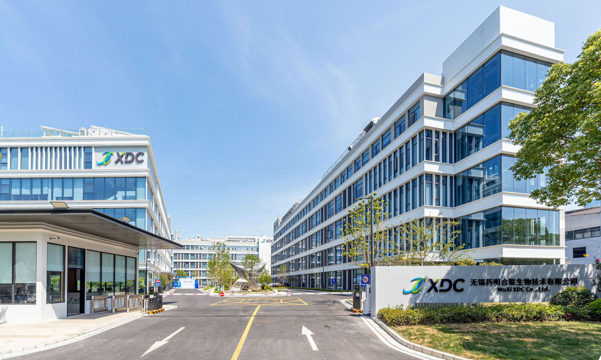 |
WuXi XDC achieved GMP release for its first overseas bioconjugate production line in Singapore; Tools and technologies. Credit: wuxixdc.com |
WuXi XDC achieved GMP release for its first overseas bioconjugate production line in Singapore [41]
WuXi XDC announced GMP release of BCM3, a dual-function production line for antibody intermediates and bioconjugate drug substances at its Singapore site, the company’s first overseas GMP-released facility. The line supports batch sizes from 200–2,000 L for antibody intermediates and up to 2,000 L for conjugated drug substances, with a multi-purpose layout accommodating high-potency manufacturing zones. BCM3 will operate alongside the BCM1 and BCM2 lines at the Wuxi site. The facility progressed from announcement in March 2024 through mechanical completion in June 2025 to GMP release.
CONFERENCES, EVENTS, AND PUBLICATIONS |
Avenzo will present early Phase 1 data for a bispecific ADC at the EORTC-NCI-AACR symposium [42]
Avenzo Therapeutics announced acceptance of an abstract for poster presentation at the 38th EORTC-NCI-AACR Symposium on Molecular Targets and Cancer Therapeutics, in Barcelona, November 18–20, 2026. The poster will report preliminary safety, tolerability, and efficacy results from the Phase 1 portion of AVENTINE-1, a Phase 1/2 study of AVZO-1418, an EGFR/HER3 bispecific ADC, in locally advanced or metastatic solid tumors. The company’s second conjugate, AVZO-103, a Nectin4/TROP2 bispecific ADC, is in the BEACON-1 Phase 1/2 study.
InduPro publishes paper describing proximity-based target discovery underlying a bispecific ADC program [43]
InduPro reported publication of research mapping the nanoscale spatial organization of cell-surface proteins in tumor cells. The study defines tumor-associated proximity antigens, a class of co-targets identified by disease-associated spatial proximity to another cell-surface antigen rather than by expression alone. The company applied proximity-labeling chemistry across tumor systems and developed MetaMap, a graph-based machine learning approach that predicts spatial relationships between proteins not directly mapped against one another. Co-targeting proximity-defined antigen pairs produced differentiated tumor cell internalization and killing. The approach underpins IDP-001, a bispecific ADC now in Phase 1 development.

References
1. Adgene. Adagene Achieves Milestone in Collaboration with Exelixis for Advancement of SAFEbody® Antibody-Drug Conjugate Candidates. 09 Sep, 2026.
2. HUTCHMED. HUTCHMED Announces Licensing Agreement with GSK for KRAS-EGFR-Antibody Conjugate Cancer Therapy. 03 Sep, 2026.
3. ZoeNCure. Styx Biotechnologies Announces Strategic Agreement with ZoeNCure Therapeutics to Accelerate Next-Generation ADC Pipeline to Clinic. 02 Sep, 2026.
4. DualityBio. DualityBio Enters a Global Collaboration and License Agreement with Genentech to Develop Next-Generation ADCs Built on DualityBio’s DUPAC Novel-Payload Platform. 28 Aug, 2026.
5. Natera. Natera and Angiex Partner to Assess Response to Investigational Nuclear-Delivered Antibody-Drug Conjugate™ Using Signatera™. 27 Aug, 2026.
6. Akriam Therapeutics. Akiram Therapeutics and ITM Sign Lutetium-177 Supply Agreement to Support Development of AKIR001 for the Treatment of Solid Tumors. 20 Aug, 2026.
7. Shanghai Henlius Biotech. Henlius and Sandoz Enter Strategic Collaboration to Unlock Global Value of Biosimilars Platform. 17 Aug, 2026.
8. CSPC Pharmaceuticals Group. SYS6010 Granted Breakthrough Therapy Designation By NMPA in China for the Treatment of Patients with Actionable Genomic Alteration-Negative Non-Squamous Non-Small Cell Lung Cancer. 15 Sep, 2026.
9. Innovent. InnoCare Pharma’s PSMA/STEAP1 bispecific antibody ADC ICP-B381 has been approved for clinical trials. 09 Sep, 2026.
10. Acepodia. Acepodia Announces FDA Clearance of IND Application for ACE723, a Novel Dual-Payload Antibody-Drug Conjugate. 04 Sep, 2026.
11. IDEAYA Biosciences. IDEAYA Biosciences Announces Successful FDA Type C Meeting for IDE849, DLL3 TOP1 ADC, on Phase 3 Registrational Trial Design for Potential Accelerated and Full Approval in Extensive Stage Small Cell Lung Cancer. 31 Aug, 2026.
12. Formosa Pharmaceuticals. Formosa Pharmaceuticals Files Clinical Trial Application for TSY-110, an Antibody-Drug Conjugate Biosimilar Targeting HER2-Positive Breast Cancers. 28 Aug, 2026.
13. CytomX Therapeutics. CytomX Therapeutics Announces FDA Fast Track Designation for Varsetatug masetecan (‘Varseta-M’) for Relapsed/Refractory Metastatic Colorectal Cancer (R/R mCRC). 27 Aug, 2026.
14. Gilead Sciences. European Commission Expands Role of Gilead’s Trodelvy® in First-Line Metastatic Triple-Negative Breast Cancer Across PD-L1 Status. 24 Aug, 2026.
15. Orum Therapeutics. Orum Therapeutics Announces U.S. FDA Clearance of an IND Application for ORM-1153, a Novel CD123-GSPT1 Degrader-Antibody Conjugate. 23 Aug, 2026.
16. Akeso. Akeso’s AK157D1 (B7-H3 ADC) Cleared for Phase 1 Trial in Solid Tumors, Adding a Third Differentiated ADC to Its Pipeline. 21 Aug, 2026.
17. Amoy Diagnostics. AmoyDx® Pan Lung Cancer PCR Panel Approved in Japan as a Companion Diagnostic for Trastuzumab Deruxtecan. 17 Aug, 2026.
18. Ridge Bio. Ridge Biotechnologies Expands Investor Base as Demand Accelerates for AI-Designed Bioconjugate Therapeutics. 09 Sep, 2026.
19. Medicus Pharma. Medicus Pharma Advances Transformation into a Precision Oncology-Led Biotechnology Company. 08 Sep, 2026.
20. WuXi XDC. WuXi XDC Delivers Strong First Half 2026 Performance, with Improving Margins and Profitability Further Strengthening Global ADC/XDC CRDMO Leadership. 24 Aug, 2026.
21. Whitehawk Therapeutics. Whitehawk Therapeutics Presents Real-World Analyzes Supporting PTK7 as a Durable ADC Target in EGFR Wild-Type Non-Small Cell Lung Cancer at WCLC 2026. 13 Sep, 2026.
22. Simris Group. Simris Group Confirms Strategic Direction And Advances Two Amanitin-Based ADC Programs Toward The Clinic. 08 Sep, 2026.
23. VERAXA Biotech. VERAXA Biotech and Secarna Pharmaceuticals Achieve Research Milestone in Antibody Oligonucleotide Conjugate (AOC) Alliance. 24 Aug, 2026.
24. Akari Therapeutics. Akari Therapeutics Builds Momentum for AKTX-101 with Compelling Urothelial Cancer Data Supporting Differentiated ADC Strategy. 18 Aug, 2026.
25. Daiichi Sankyo. Enhertu® Demonstrated a Median Progression-Free Survival of 14.3 Months as First-Line Therapy in Patients with HER2 Mutant Advanced Non-Small Cell Lung Cancer in DESTINY-Lung04 Phase 3 Trial. 14 Sep, 2026.
26. GSK. Ris-Rez reduced risk of death by 54% versus topotecan in patients with relapsed small cell lung cancer in China. 13 Sep, 2026.
27. SystImmune. SystImmune, Inc. to Present New Global Data on Iza-bren (izalontamab brengitecan) in EGFR-mutated Non-Small Cell Lung Cancer at WCLC Congress 2026. 12 Sep, 2026.
28. Pyxis Oncology. Pyxis Oncology Announces Positive Updated Data from Phase 1 Monotherapy Study of Micvotabart Pelidotin (MICVO) in Second-Line and Beyond Recurrent/Metastatic Head and Neck Squamous Cell Carcinoma (2 L+ R/M HNSCC). 09 Sep, 2026.
29. SOTIO Biotech. SOTIO Doses First Patient in Phase 1/2 CADENCIA-01 Clinical Trial of SOT109, a CDH17-Targeting ADC for Colorectal Cancer. 09 Sep, 2026.
30. Adlai Nortye. Adlai Nortye Announces First Patient Dosed in Australia and U.S. FDA IND Clearance for AN4035, a First-in-Class Pan-RAS(ON) Inhibitor-Based ADC. 08 Sep, 2026.
31. Novartis. Novartis provides update on delpacibart etedesiran (del-desiran) Phase 3 HARBOR study for the treatment of myotonic dystrophy type 1 (DM1). 08 Sep, 2026.
32. BigHat Biosciences. BigHat Biosciences Announces First Patient Dosed in Phase 1 Trial Evaluating BHB810, a Novel CDH17-Directed Antibody-Drug Conjugate, for the Treatment of Gastric Cancer and other Advanced Gastrointestinal Tumors. 01 Sep, 2026.
33. Daiichi Sankyo. DS1025 Enters Clinical Development in Patients with Advanced Solid Tumors as Novel CD25 Directed ADC in Industry-Leading ADC Portfolio of Daiichi Sankyo. 27 Aug, 2026.
34. Daiichi Sankyo. TROPION-Urothelial04 Phase 3 Trial of Datroway® Initiated as Adjuvant Therapy in Patients with High-Risk Muscle Invasive Urothelial Cancer. 26 Aug, 2026.
35. AbbVie. AbbVie to Present New Data at WCLC 2026 Showcasing Innovation Across Lung Cancer Pipeline. 21 Aug, 2026.
36. Henlius. WCLC 2026 Preview | HLX43, a Potential First PD-L1 ADC for TSCC, Shows Promising Efficacy with an ORR of 39.4% in Previously Treated Patients. 20 Aug, 2026.
37. BioNTech. BioNTech Highlights Late-Stage Lung Cancer Pipeline Momentum and First Global Data for Pumitamig/Elfetabart Drozuntecan Novel-Novel Combination at WCLC 2026. 20 Aug, 2026.
38. Antengene. Antengene Presents Key R&D Highlights at the Evercore 2nd China Biotech Summit. 19 Aug, 2026.
39. Daiichi Sankyo. Enhertu® Demonstrated Statistically Significant and Clinically Meaningful Improvement in Progression-Free Survival as First-Line Treatment of Patients with HER2 Mutant Advanced Non-Small Cell Lung Cancer in DESTINY-Lung04 Phase 3 Trial. 17 Aug, 2026.
40. Debiopharma. FluoSphera Licenses Debiopharm’s AbYlink™ Technology for 3D Antibody Characterization while Leveraging Leica Microsystems Viventis Deep Imaging Capabilities. 01 Sep, 2026.
41. WuXi XDC Cayman. WuXi XDC Achieves GMP Release of BCM3 Facility at Singapore Site, Enabling Global Clients with Professional Excellence. 18 Aug, 2026.
42. Avenzo Therapeutics. Avenzo Therapeutics to Present Preliminary Phase 1 Study Results of AVZO-1418, a Potentially Differentiated EGFR/HER3 Bispecific Antibody-Drug Conjugate, at the 38th EORTC-NCI-AACR Symposium. 10 Sep, 2026.
43. InduPro. InduPro Announces Publication in Nature Establishing Spatial Protein Proximity as a New Framework for Therapeutic Discovery. 09 Sep, 2026.