Aug
19
2026
Upcoming webinar

Replacing in vivo adventitious agent tests with NGS: from regulatory permission to routine practice

Wednesday 08:00 PDT / 11:00 EDT / 16:00 BST / 17:00 CEST
Sponsor
Replacing <i>in vivo</i> adventitious agent tests with NGS: from regulatory permission to routine practice

Next-generation sequencing (NGS) is now explicitly recognised by global regulatory frameworks as a powerful tool for adventitious agent detection and for reducing reliance on traditional animal-based tests in vaccine quality control. The revised ICH Q5A(R2) guideline on viral safety evaluation of biotechnology products, adopted November 2023 and implemented by major regulators including FDA and EMA, integrates NGS into risk-based strategies for controlling adventitious viruses, and supports its use to replace in vivo assays where scientifically justified and validated.

This panel brings together regulators, manufacturers, and researchers to examine where NGS is already delivering real change, and what practical, scientific, and organisational barriers stand in the way of routine adoption.
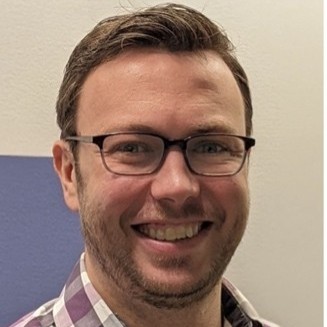

Charley Swofford, PhD
Assistant Director of Biomanufacturing Initiatives at the Center for Biomedical Innovation, MIT

Charley Swofford has been at the Center for Biomedical Innovation at MIT since 2022, where he is the Assistant Director for Biomanufacturing Initiatives. In this role, he manages collaborative sponsored research projects, including investigating long-read sequencing for adventitious agent detection. Dr Swofford also supports joint research projects among members of the Consortium on Adventitious Agent Contamination in Biomanufacturing (CAACB), a pre-competitive biopharmaceutical industry consortium focused on identifying and sharing best practices to mitigate the risk of adventitious agent contamination in biopharmaceutical manufacturing. Specifically, he is currently leading a CAACB project to develop an aligned industry approach on what constitutes an actionable signal on an NGS adventitious agent assay and the follow up investigation that is required. Dr Swofford received his PhD in Chemical Engineering from the University of Massachusetts Amherst in 2014, where he engineered microbes for targeted cancer drug delivery.

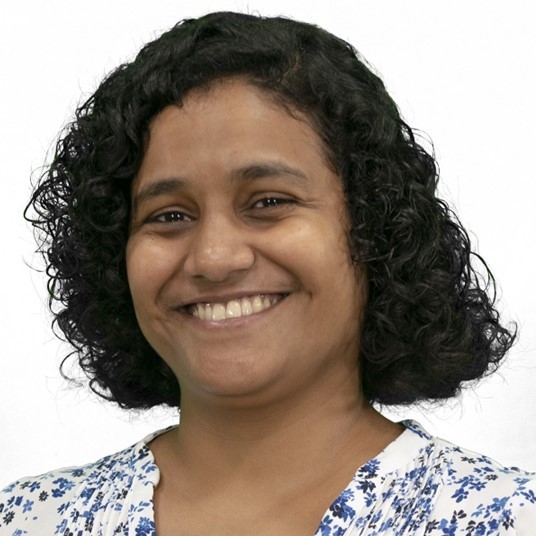
Arifa S. Khan, PhD
Arifa S. Khan, PhD
Head of the Molecular Retrovirology Unit, Division of Viral Products, Office of Vaccines Research and Review at the Center for Biologics Evaluation and Research, US Food and Drug Administration

Dr Arifa S. Khan is Head, Molecular Retrovirology Unit, Division of Viral Products, Office of Vaccines Research and Review, in the Center for Biologics Evaluation and Research, US Food and Drug Administration. Her current research efforts are focused toward implementation of high-throughput sequencing technologies for adventitious virus and endogenous retrovirus detection for safety evaluation of cell substrates and biological products. Dr Khan’s primary regulatory responsibilities include review submissions related to viral vaccines, including HIV-1, influenza virus, RSV and SARS-COV-2. She also provides expert consultation on viral safety testing to OTAT/CBER and CDER offices. Dr Khan has been involved in licensure of several viral vaccines and has contributed to the development of FDA, ICH, PHS, USP, and WHO documents. She served as the FDA Deputy Topic Lead in the Expert Working Group for updating the ICH Q5A(R2) guideline on viral safety of biotechnology products and contributed to the development of the PhEur 2.6.41 chapter on High Throughput Sequencing. Dr Khan obtained her PhD in Microbiology from the George Washington University, Washington, DC She has authored more than 100 publications.

Sophie Ayama, PhD
Sophie Ayama, PhD
Molecular Biology Innovation and Automation Lead at GSK

Dr Sophie Ayama began her career in personalised oncology at the Institut de Cancérologie de l’Ouest (France). She then completed a PhD in Cell and Molecular Biology at the University of Namur, focusing on RNA-seq–based characterization of cancer cell migration. Sophie joined GSK Vaccines as an HTS Expert, implementing high-throughput sequencing to support vaccine safety and development. She is now Molecular Biology Innovation and Automation Lead at GSK, overseeing molecular biology methods and automation within G-MSAT. Her expertise spans molecular biology, bioinformatics, high-throughput sequencing, and laboratory automation in regulated environments.

In 47 Days
You have registered for this webinar

SPEAKERS

Charley Swofford, PhD
Assistant Director of Biomanufacturing Initiatives at the Center for Biomedical Innovation, MIT
Arifa S. Khan, PhD
Arifa S. Khan, PhD
Head of the Molecular Retrovirology Unit, Division of Viral Products, Office of Vaccines Research and Review at the Center for Biologics Evaluation and Research, US Food and Drug Administration
Sophie Ayama, PhD
Sophie Ayama, PhD
Molecular Biology Innovation and Automation Lead at GSK

You might also like