
Industry Insights: First-in-human Ebola trial launches, HPV vaccination linked to fewer cervical cancer deaths, gonorrhea vaccine setback
Vaccine Insights 2026; 5(6), 367–373
10.18609/vac.2026.046
A 24-year population-level analysis offered the first direct evidence that HPV vaccination is preventing cervical cancer deaths in England, providing a rare mortality-level payoff for a vaccination program two decades in the making. Regulatory momentum built for mRNA vaccines outside COVID-19, with a US FDA advisory committee unanimously backing Moderna’s mRNA-based influenza vaccine, while the response to the ongoing Bundibugyo ebolavirus outbreak reached a new stage as the University of Oxford dosed the first participants in a Phase 1 trial. Elsewhere, a large randomized trial found that the meningococcal B vaccine does not protect against gonorrhea, closing the door on an approach earlier studies had suggested was promising.
In this issue:
Pandemic and Global Health Clinical Trials Therapeutic Vaccines Regulation and Policy Manufacturing Innovation Formulation and Delivery Discovery and Immunology
PANDEMIC AND GLOBAL HEALTH |
Fifty volunteers received the first doses of an experimental Bundibugyo Ebola vaccine [1]
The vaccine candidate, ChAdOx1 BDBV, uses the same viral vector platform as the Oxford/AstraZeneca COVID-19 vaccine and was developed by the University of Oxford’s Oxford Vaccine Group and Pandemic Sciences Institute with backing from the Coalition for Epidemic Preparedness Innovations (CEPI). Conducted in Oxford, UK, the Phase 1 study will assess safety and immune response in participants aged 18–55 years, following conditional approval from the UK’s Medicines and Healthcare products Regulatory Agency. The Serum Institute of India has manufactured and stockpiled approximately 620,000 doses for potential future use. If the trial succeeds, CEPI will support late-stage studies toward emergency use authorization.
In the absence of licensed treatments, WHO set out 16 recommendations for managing Ebola and Marburg patients [2]
The 16 evidence-based recommendations, developed through global expert consultations, emphasize early supportive care as the primary intervention available to health workers, given the absence of licensed vaccines or treatments for Marburg, Bundibugyo, and Sudan virus disease. There have been 72 outbreaks of Ebola and Marburg disease reported in Africa since 1967, with case fatality rates ranging from 25–90% in the most severe outbreaks. The document represents WHO’s first attempt to consolidate clinical management across the full spectrum of filovirus disease into a single reference, intended to harmonize approaches and support health system preparedness for future outbreaks.
Routine childhood vaccination edged up in 2025, but 13.5 million infants still received no vaccines at all [3]
According to the annual WHO-UNICEF Estimates of National Immunization Coverage, 90% of the world’s infants received at least one dose of a diphtheria, tetanus, and pertussis-containing vaccine in 2025, with 85% completing the three-dose series, both up one percentage point from 2024 but still below 2019 levels. Measles coverage remained particularly concerning, with 84% of children receiving a first dose and 77% a second, both short of the 95% threshold needed to prevent outbreaks; 57 countries reported large or disruptive measles outbreaks in 2025. An estimated 13.5 million infants received no vaccines at all during their first year of life, and aid cuts to immunization programs were cited as a risk to further progress.
CLINICAL TRIALS |
Two decades on, HPV vaccination has all but eliminated cervical cancer deaths in one English cohort [4]
Among women aged 20–24 years in England between 2020 and 2024, no cervical cancer deaths occurred, compared with 23.1 expected deaths based on historical rates, according to an analysis of population-based mortality data from 2001 to 2024 published in The Lancet. Vaccination coverage at ages 12–13 years in this cohort was approximately 88–90%. The researchers, from Queen Mary University of London and funded by Cancer Research UK, estimated that approximately 200 cervical cancer deaths had been avoided in England by the end of 2024. The findings provide the first population-level mortality evidence supporting two decades of incidence and precancer data showing that vaccination programs can approach elimination of vaccine-preventable cervical cancer deaths in highly vaccinated cohorts.
 |
A bandage marks the site of a recent vaccination; Clinical Trials. Credit: CDC. |
A bacterially produced nine-valent HPV vaccine posted strong efficacy in a large Chinese trial [5]
As a lower-cost vaccine manufactured in Escherichia coli using a bacterial expression system rather than yeast, Cecolin 9 is positioned as a candidate to expand global access to nine-valent vaccination, particularly in low- and middle-income countries where cost remains a barrier to broader cervical cancer prevention programs. In a multicenter, double-blind, randomized, controlled Phase 3 trial enrolling 9,327 previously unvaccinated women in China, Cecolin 9 was 98.2% effective at preventing 12-month persistent infection with five additional high-risk HPV types (31, 33, 45, 52, and 58), compared with the two-valent Cecolin used as an active control.
A second dose of Moderna’s respiratory syncytial virus vaccine, given two years after the first, proved just as safe [6]
An earlier analysis of revaccination with Moderna’s mRNA-1345 at 12 months had already found neutralizing antibody responses non-inferior to those after the primary dose. A follow-on Phase 2/3 extension study now extends that finding to a 24-month interval in adults aged 60 years and older; through six months of follow-up, no new safety signals emerged, including no cases of myocarditis, pericarditis, seizures, or vaccine-related anaphylaxis. Together, the data support the feasibility of periodic revaccination to sustain protection against respiratory syncytial virus in older adults as durability data continue to accumulate.
A definitive trial closed the door on using a meningitis vaccine against gonorrhea [7]
Earlier observational studies had suggested that the four-component meningococcal B vaccine (4CMenB) provided cross-protection of 30% to 40% against gonorrhea, based on the genetic relationship between Neisseria meningitidis and Neisseria gonorrhoeae. The GoGoVax trial, a double-blind, randomized, placebo-controlled study led by investigators at Griffith University and the Kirby Institute at UNSW Sydney and published in the New England Journal of Medicine, enrolled 587 participants at high risk of infection and found no such effect. The result is consistent with two other randomized controlled trials, DOXYVAC and MenGO, that similarly found no protective effect. The authors emphasized that 4CMenB remains safe and effective for its licensed indication against meningococcal disease.
 |
A 3D rendering of Neisseria bacteria, the pathogen genus responsible for both meningococcal disease and gonorrhea; Clinical Trials. Credit: CDC. |
THERAPEUTIC VACCINES |
New analyses suggested the survival benefit of DCVax-L in glioblastoma was previously underestimated [8]
The original analysis of the Phase 3 trial of the dendritic cell vaccine DCVax-L in glioblastoma had relied on cohort-level, rather than patient-level, data for the external control arm. At the British Neuro-Oncology Society’s annual meeting, Northwest Biotherapeutics presented updated analyses using individual patient-level data, with independent statisticians applying propensity score matching and inverse probability weighting to estimate a survival benefit of 3.4 to 6.3 months in newly diagnosed glioblastoma, larger than the approximately 2.8-month difference reported in the original analysis published in JAMA Oncology. A marketing authorization application for DCVax-L is currently under review in the United Kingdom.
A peptide cancer vaccine showed it can activate immune cells inside notoriously ‘cold’ colorectal tumors [9]
Microsatellite-stable colorectal cancer typically lacks the immune activity needed for checkpoint inhibitors to work, making it one of the more difficult settings for cancer immunotherapy. In the Phase 1b/2 OBERTO-301 study, conducted with Mayo Clinic, Treos Bio’s off-the-shelf multi-peptide vaccine PolyPEPI1018, combined with the anti-PD-L1 antibody atezolizumab, induced measurable immune remodeling in patients with this tumor type: paired baseline and on-treatment biopsies showed increased intratumoral CD8-positive T cell infiltration and expansion of tumor-reactive T cell receptor clonotypes, with the depth of immune activation associated with clinical outcomes. The findings support continued development of PolyPEPI1018 combinations in this historically difficult-to-treat population.
A personalized cancer vaccine platform built for head and neck cancer branched into lung cancer [10]
TG4050, Transgene’s first candidate from its myvac platform, is currently in Phase 2 testing in head and neck cancer using the company’s clinically validated Modified Vaccinia Ankara viral vector. Transgene has now initiated a randomized Phase 1 trial of a second candidate, TG4070, in combination with nivolumab, in the adjuvant treatment of resected non-small cell lung cancer, integrating artificial intelligence-driven neoantigen selection with in-house cell line manufacturing. The expansion reflects the company’s strategy of applying a consistent manufacturing and antigen-selection infrastructure across multiple individualized cancer vaccine indications.
A once-promising universal cancer vaccine reached the end of the road after a fifth trial setback [11]
The investigator-led Phase 2 DOVACC trial evaluated the cancer vaccine UV1, in combination with the PARP inhibitor olaparib and the checkpoint inhibitor durvalumab, as maintenance therapy in patients with BRCA-wild-type, platinum-sensitive recurrent ovarian cancer. Zelluna, which acquired Ultimovacs through a 2025 business combination, announced that the trial did not meet its primary endpoint of progression-free survival, the fifth Phase 2 study of UV1 not to do so. The company has closed the program, redirecting its focus entirely to its T cell receptor-based natural killer cell therapy platform.
REGULATION AND POLICY |
Advisers voted unanimously that Moderna’s flu shot mFlusiva is ready for approval [12,13]
In the FLUENT trial (Study P304), mFlusiva (mRNA-1010) met all pre-specified success criteria, demonstrating 26.6% relative efficacy (95% CI: 16.7–35.4) against protocol-defined influenza-like illness compared with a standard-dose influenza vaccine. Citing this data, the Vaccines and Related Biological Products Advisory Committee voted 9 to 0 that the vaccine’s benefits outweigh its risks for adults aged 50–64 years, and separately voted 9 to 0 for adults 65 years and older. Reactogenicity was higher than with traditional influenza vaccines but predominantly mild to moderate, with a median duration of about two days; no cases of myocarditis or pericarditis occurred within the 42-day risk window, though a small and balanced number of adjudicated cases (4 versus 3) were identified over the full six-month follow-up. The US FDA, which typically follows its advisory committees, has set a decision date of August 5, 2026, after which mFlusiva could become the first mRNA-based seasonal influenza vaccine licensed in the United States.
Sanofi offered concessions to settle an EU antitrust probe into its flu vaccine marketing [14]
At issue is whether Sanofi’s marketing of its enhanced influenza vaccine Efluelda, in communications to healthcare professionals in Germany and France since 2024, disparaged the competing enhanced flu vaccine Fluad, made by CSL Seqirus, in a manner that breached EU competition rules. Following a formal investigation opened in June 2026, the European Commission has proposed that Sanofi publish corrective statements clarifying that national immunization advisory bodies recommend the two vaccines equally, and refrain from suggesting unsupported superiority for Efluelda. The proposed commitments would run until March 2030. Interested parties have been invited to comment by August 21, 2026, before the Commission decides whether to make the commitments legally binding.
EU regulators restricted the chikungunya vaccine Ixchiq to people at high risk of infection [15]
Following reports of aseptic meningitis after vaccination, including in healthy young adults rather than only the older or immunocompromised patients previously affected, the Pharmacovigilance Risk Assessment Committee (PRAC) recommended that use of the live-attenuated chikungunya vaccine Ixchiq be restricted to people at high risk of chikungunya infection. The recommendation followed a routine EMA safety review weighing the reported adverse events against the vaccine’s benefits, and PRAC also endorsed a direct communication to healthcare professionals on the updated recommendations. The restriction narrows the vaccine’s use rather than withdrawing its authorization; it remains contraindicated in immunocompromised patients and should not be co-administered with other vaccines.
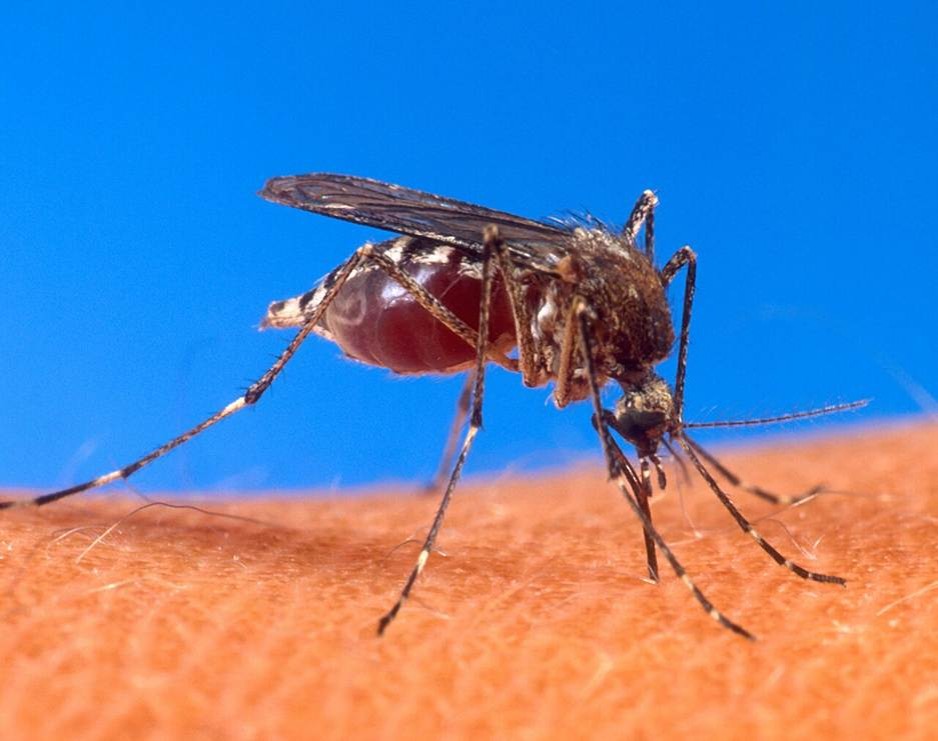 |
Chikungunya, transmitted by Aedes mosquitoes, continues to expand its geographic range; Regulation and Policy. Credit: United States Department of Agriculture. |
Bavarian Nordic’s chikungunya vaccine gained ground in the Americas [16]
Following Health Canada’s approval of the same shot, marketed as Vimkunya, its fifth regulatory approval after the United States, the European Union, the United Kingdom, and Switzerland, Bavarian Nordic submitted its virus-like particle vaccine, CHIKV-VLP, to Brazil’s health regulatory agency, Anvisa, in partnership with Eurofarma. Chikungunya, a mosquito-borne viral disease, causes fever and debilitating joint pain and has expanded its geographic range in recent years; Brazil accounts for a substantial share of reported cases and deaths worldwide. The submissions and approvals reflect continued efforts to build global access to chikungunya vaccination ahead of the disease’s anticipated spread into new regions.
MANUFACTURING INNOVATION |
South Africa’s regulator certified the continent’s first fully integrated mRNA manufacturing site [17]
The certification, awarded to Afrigen Biologics for its Cape Town facility by the South African Health Products Regulatory Authority, confirms that the site meets internationally recognized GMP standards and authorizes it to manufacture investigational biological products for Phase 1 and 2 clinical trials. The achievement, supported through the European Union’s Global Gateway initiative, positions Afrigen among a small number of advanced biomanufacturing platforms in Africa and reflects years of investment in local regulatory readiness and manufacturing infrastructure. It strengthens the continent’s capacity to develop, manufacture, and supply vaccines closer to where they are needed.
Intravacc highlighted four vaccine development platforms for outside manufacturing partners [18]
The four platforms span bacterial, viral, conjugate, and E. coli-expressed vaccines, each supported by integrated process development, formulation, analytical development, quality control, technology transfer, and cGMP manufacturing capabilities. Intravacc positions the platform-based model as a way to help partners define quality attributes earlier, reduce CMC risk, and accelerate candidates from discovery toward clinical proof of concept. The offerings are available as standalone services or as part of broader CDMO programs for partners developing both human and veterinary vaccines.
FORMULATION AND DELIVERY |
A modified lipid nanoparticle redirected delivery away from the liver and toward the spleen in mouse studies [19]
Continued innovation in lipid nanoparticle (LNP) chemistry remains a priority for the RNA vaccine field, as developers seek formulations with improved tolerability, tissue targeting, and stability compared with the PEG-based LNPs developed during the COVID-19 pandemic. In mouse studies, CDW Holding’s biotech subsidiary ABio, working with Neoregen Biotech, found that its LANFA-modified LNP platform sharply reduced liver accumulation while significantly increasing delivery to the spleen, a lymphoid organ relevant to vaccine and immunotherapy applications, alongside low immunogenicity comparable to saline. Further preclinical characterization and safety evaluation will be needed before any advance into clinical testing.
A bacterial membrane vesicle platform showed it can trigger mucosal immunity in people for the first time [20]
Mucosal immunity, generated at the site of pathogen entry such as the respiratory tract, is considered important for blocking transmission of many respiratory pathogens more effectively than the systemic immunity elicited by injectable vaccines. In a randomized, double-blind, placebo- and OMV-controlled Phase 1 trial in 40 healthy adults, published in the peer-reviewed journal Vaccines, AdJane’s native outer membrane vesicle (nOMV) platform, combined with a SARS-CoV-2 spike protein antigen and delivered intranasally, was safe and well tolerated and induced both systemic and mucosal immune responses, including virus-neutralizing antibodies. The results provide clinical proof-of-concept for the platform’s use as a delivery route capable of inducing protective immunity at mucosal surfaces, supporting its broader application across respiratory pathogens and pandemic preparedness.
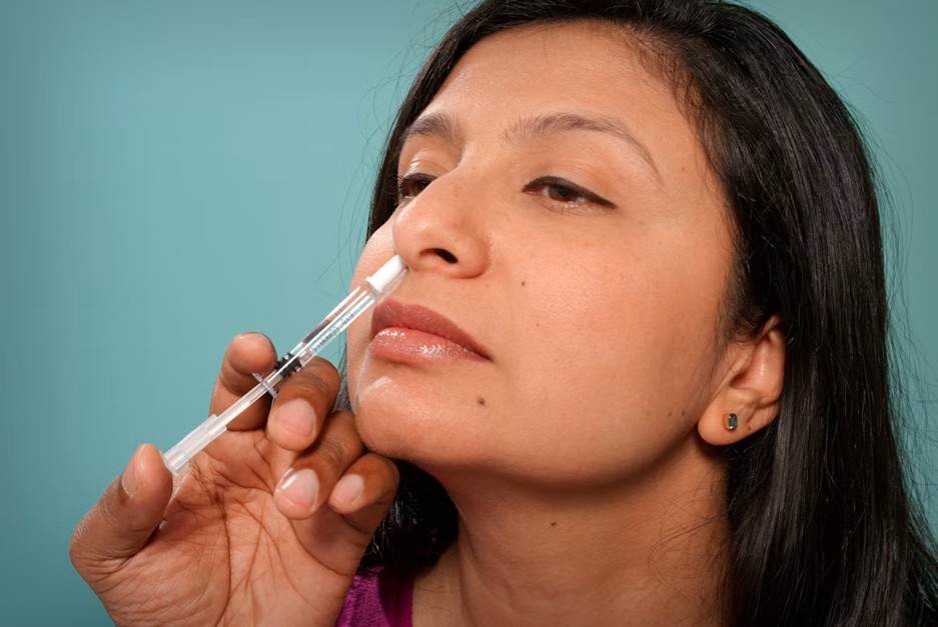 |
A vaccine is administered using an intranasal applicator; Formulation and Delivery. Credit: CDC. |
DISCOVERY AND IMMUNOLOGY |
A new grant will fund self-amplifying RNA vaccine candidates against tuberculosis [21]
Self-amplifying RNA (srRNA) platforms are designed to replicate within host cells after administration, potentially enabling lower doses and stronger immune responses than conventional mRNA vaccines. Replicate Bioscience will apply the approach to tuberculosis (TB), one of the world’s leading infectious disease killers, under a third research grant of approximately $3 million from the Gates Foundation, subject to humanitarian licensing terms. TB vaccine development has historically lagged behind other pathogens despite the disease’s substantial global burden, and the award reflects renewed interest in applying next-generation nucleic acid platforms to neglected pathogens.
SK bioscience turned to artificial intelligence to de-risk vaccine development choices [22]
Late-stage attrition remains a persistent and costly challenge in vaccine R&D, prompting developers to look for ways to identify higher-probability candidates earlier in the pipeline. SK bioscience will lead a Gates Foundation-funded project, the Research Optimization & Trial Outcome Recommender (ROTOR), in collaboration with the global health nonprofit PATH and technology consulting firm Slalom, applying artificial intelligence to clinical, immunogenicity, and other scientific data generated across the vaccine development process. The initial application will support next-generation injectable rotavirus vaccine development, with the aim of the platform eventually scaling to other vaccines and disease areas.
A manufacturing partner signed on to help bring a hybrid antiviral-vaccine platform into clinical trials, starting with influenza [23]
The hybrid approach, developed by VaxDome and known as zIFV, works by rapidly transforming a selected influenza virus strain into an intranasally delivered, antigen-agnostic antiviral-vaccine hybrid, intended to combine immediate antiviral activity with durable immune protection without requiring the virus to be genetically characterized in advance. Under the new agreement, Matica Bio, a viral vector CDMO, will handle process development, analytical development, and production of clinical trial material at its Texas facility, moving VaxDome’s candidates toward first-in-human studies. Influenza is being used as an initial disease model, with the companies indicating that the platform could subsequently be extended to other viral targets.

References
1. University of Oxford. World’s first phase I Bundibugyo ebolavirus vaccine trial launched by Oxford Vaccine Group. Jul 13, 2026.
2. World Health Organization. WHO issues comprehensive guidelines on filovirus disease, including Ebola and Marburg disease. Jun 17, 2026.
3. World Health Organization; UNICEF. Global childhood immunization coverage inches forward despite conflict and hesitancy. Jul 15, 2026.
4. Sasieni P, Falcaro M. Cervical cancer mortality trends following HPV vaccination in England, 2001-24: an analysis of population-based mortality data. Lancet 2026; published online Jun 17.
5. Efficacy, safety, and immunogenicity of an Escherichia coli-produced nine-valent human papillomavirus vaccine: a multicentre, double-blind, randomised, controlled, phase 3 trial. Lancet Infect. Dis. 2026; published online Jun 30.
6. Desai M, Jimenez G, Wijewardane P, et al. Safety and immunogenicity of mRNA-1345 revaccination at 24 months following primary vaccination in adults aged ≥60 years. J. Infect. Dis. 2026; Epub ahead of print.
7. Seib KL, Grulich AE, et al. Meningococcal B vaccine to prevent Neisseria gonorrhoeae infection: the GoGoVax trial. N. Engl. J. Med. 2026; published online Jul 8.
8. Northwest Biotherapeutics. Northwest Biotherapeutics presents updated survival data from phase III trial of DCVax-L for glioblastoma using individual patient level data in multiple independent analyses. Jul 8, 2026.
9. Treos Bio. Treos Bio presents new translational data showing PolyPEPI1018 plus anti-PD-L1 immunotherapy remodels the tumor immune microenvironment in MSS colorectal cancer. Jul 2, 2026.
10. Transgene. Transgene expands myvac into non-small cell lung cancer with TG4070, an individualized neoantigen therapeutic vaccine. Jun 22, 2026.
11. Zelluna. Readout from legacy Ultimovacs DOVACC phase II trial concludes UV1 programme as previously guided. Jun 26, 2026.
12. US Food and Drug Administration. Vaccines and Related Biological Products Advisory Committee meeting outcome: mFlusiva (mRNA-1010). Jun 18, 2026.
13. NPR. Key FDA committee unanimously recommends its first vaccine since 2023. Jun 18, 2026.
14. European Commission. Commission seeks feedback on commitments offered by Sanofi over possible anticompetitive conduct regarding the promotion of a flu vaccine for vulnerable patients. Jul 8, 2026.
15. European Medicines Agency. Meeting highlights from the Pharmacovigilance Risk Assessment Committee (PRAC), 8-11 June 2026. Jun 12, 2026.
16. Bavarian Nordic. Bavarian Nordic’s chikungunya vaccine submitted for regulatory approval in Brazil. Jul 13, 2026; Bavarian Nordic receives Health Canada approval for chikungunya vaccine. Jun 29, 2026.
17. Afrigen Biologics. Afrigen secures SAHPRA GMP certification for Africa’s first end-to-end mRNA manufacturing facility. Jun 30, 2026.
18. BioSpace. Intravacc highlights four integrated vaccine development platforms for CDMO partners. Jun 30, 2026.
19. CDW Holding. General announcement: next-generation drug delivery technology LNP-LANFA. Jun 29, 2026.
20. AdJane. AdJane reports first clinical validation of its OMV vaccine platform inducing mucosal immunity in humans. Jun 30, 2026.
21. Replicate Bioscience. Replicate Bioscience awarded grant to advance srRNA vaccine candidates for tuberculosis. Jun 19, 2026.
22. SK bioscience. SK bioscience launches AI-powered initiative to reduce uncertainty in vaccine-development decisions. Jul 2, 2026.
23. Matica Bio; VaxDome. Matica Bio and VaxDome partner to develop antigen-agnostic antiviral-vaccine hybrids with influenza as one of the disease models. Jul 6, 2026.