
Measles, Marburg, and mounting policy discord: a vaccine landscape under pressure
Vaccine Insights 2026; 5(3), 138–144
10.18609/vac.2026.022
Across mid-March to mid-April 2026, vaccine science and policy were shaped by escalating public health concern over declining vaccination coverage in the USA, significant regulatory turbulence, and clinical progress across novel platforms and previously unaddressed pathogens. The ongoing US measles outbreak raised the prospect of the country losing its elimination status for the first time since 2000, while a rapid meningococcal group B outbreak in Kent prompted a review of UK adolescent vaccination policy. Phase 3 efficacy data were reported for the most advanced Lyme disease vaccine candidate to date, and first-in-human dosing began for a Marburg virus vaccine, reflecting continued momentum in outbreak preparedness. In this issue: Clinical TrialsDiscovery & ImmunologyPandemic & Global HealthMarket TrendsRegulation & Policy |
CLINICAL TRIALS |
Pfizer and Valneva reported Phase 3 efficacy data for six-valent OspA-based Lyme disease vaccine candidate in participants aged 5 years and older [1]
Pfizer and Valneva announced topline results from the Phase 3 VALOR trial of PF-07307405 (LB6V), a six-valent OspA-based Lyme disease vaccine candidate, in 12,547 participants aged 5 years and older across the USA, Canada, and Europe over two Lyme disease seasons. The vaccine demonstrated 73.2% efficacy from 28 days post-dose 4 (95% CI 15.8–93.5) and 74.8% efficacy from one day post-dose 4 (95% CI 21.7–93.9). The vaccine works by inducing antibodies that are ingested by feeding ticks and neutralise the bacteria within the tick, preventing transmission to the host. The vaccine was well tolerated with no safety concerns. Pfizer plans to submit a Biologics License Application to the US FDA and a Marketing Authorisation Application to the European Medicines Agency (EMA) in 2026. There are currently no approved human vaccines for Lyme disease.
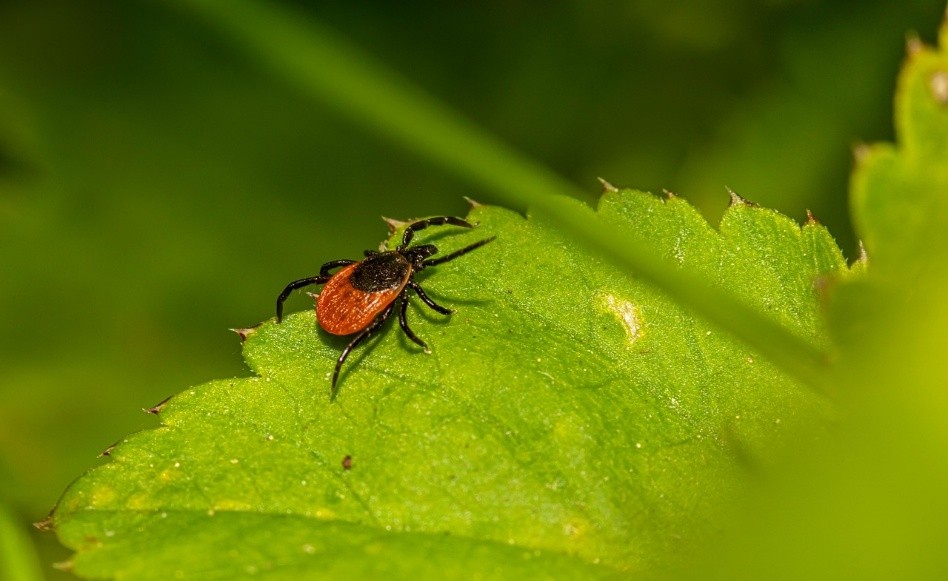 |
Pfizer and Valneva reported Phase 3 efficacy data for six-valent OspA-based Lyme disease vaccine candidate; Clinical Trials. Credit: Pixabay |
First-in-human dosing initiated in Phase 1 trial of single-dose rVSV-vectored Marburg virus vaccine candidate [2]
IAVI announced first-in-human dosing in the IAVI C104 Phase 1 trial of rVSVG-MARV-GP, an investigational single-dose recombinant vesicular stomatitis virus (rVSV)-vectored Marburg virus vaccine candidate. The randomized, placebo-controlled, observer-blind study will enrol approximately 112 healthy adults across several US sites, evaluating safety and immunogenicity across four dose levels with 6 months of follow-up. In nonclinical studies, a single immunisation with rVSVΔG-MARV-GP provided 100% protection against lethal Marburg virus challenge. The candidate uses the same rVSV platform as ERVEBO, the licensed single-dose Ebola vaccine. Marburg virus disease has an average case fatality rate exceeding 65%, and outbreak frequency has increased markedly in recent years, with three outbreaks recorded in sub-Saharan Africa in the past 18 months.
“ | Outbreak frequency has increased markedly in recent years, with three Marburg outbreaks recorded in sub-Saharan Africa in the past 18 months — a disease with an average case fatality rate exceeding 65%. |
Phase 3 enrollment completed for next-generation 31-valent pneumococcal conjugate vaccine VAX-31 in adults [3]
Vaxcyte announced completion of enrollment in the OPUS-1 and OPUS-2 Phase 3 trials evaluating VAX-31, a 31-valent pneumococcal conjugate vaccine (PCV) candidate, in adults. OPUS-1, a randomised, double-blind, active-controlled noninferiority trial, enrolled approximately 4,000 pneumococcal-naïve adults aged 50 years and older, with a separate cohort aged 18–49 years, comparing VAX-31 head-to-head with Capvaxive® (PCV21) and Prevnar 20® (PCV20). OPUS-2 enrolled approximately 1,300 participants to evaluate VAX-31 administered concomitantly with a seasonal influenza vaccine. Topline data from OPUS-1 are expected in the fourth quarter of 2026, with OPUS-2 and OPUS-3 results anticipated in the first half of 2027. VAX-31 holds US FDA Breakthrough Therapy designation for prevention of invasive pneumococcal disease and pneumococcal pneumonia in adults.
Phase 1 success for α-lactalbumin-targeting breast cancer vaccine prompts advancement to Phase 2 and cGMP manufacturing agreement [4]
Anixa Biosciences announced plans to advance its investigational breast cancer vaccine to Phase 2 following positive final Phase 1 results, and entered into a development and manufacturing agreement with Cytovance Biologics for cGMP clinical material production. The vaccine, developed in collaboration with Cleveland Clinic, targets α-lactalbumin, a lactation-associated protein that re-emerges in many forms of breast cancer, and is designed to generate immune responses against α-lactalbumin-expressing cells for potential therapeutic and preventive benefit. In Phase 1, the vaccine met all primary endpoints, was safe and well tolerated at the maximum tolerated dose, and generated protocol-defined immune responses in 74% of participants. Phase 2 trial preparations are ongoing, with further updates expected in the near term.
Centivax closed $37M financing to accelerate Phase 2 development of universal influenza vaccine Centi-Flu 01 [5]
Centivax announced the closing of a $37M oversubscribed financing round led by Structure Fund, with participation from Meiji Seika Pharma, Sigmas Group, Kendall Capital Partners, and Patrick and John Collison, to advance its universal influenza vaccine candidate Centi-Flu 01 into Phase 2. The financing follows near-complete enrollment of 180 participants in the ongoing Phase 1a study, with initial data expected in 2026. Phase 2, scheduled to begin in early 2027, will enrol 500 participants and evaluate broad protective responses against mismatch strains and currently circulating strains relative to standard-of-care seasonal influenza vaccines. Proceeds will also support advancement of four follow-on universal immunity candidates to clinical readiness and deployment of a cell-free GMP manufacturing process in 2026.
DISCOVERY & IMMUNOLOGY |
Aromatic bioreducible lipid nanoparticles demonstrated improved lymph node targeting and reduced liver accumulation in preclinical mRNA vaccine model [6]
Researchers at the University of Pennsylvania developed a library of aromatic bioreducible ionizable lipids incorporating benzene rings and bioreducible disulfide bonds – reported as the first combination of these features in lipid nanoparticles (LNPs). Top-performing aromatic LNPs (aroLNPs) delivered at least 10-fold less mRNA to the liver than the ionizable lipid used in the Moderna COVID-19 vaccine, while maintaining comparable lymph node accumulation, increasing the lymph-node-to-liver delivery ratio by 5- to 10-fold. In a preclinical SARS-CoV-2 vaccine model in mice, aroLNPs induced equivalent antigen-specific antibody responses, increased effector memory T cell generation, decreased terminal effector T cell generation, and minimal systemic proinflammatory cytokine increases. A provisional patent has been filed.
 |
Self-amplifying mRNA vaccine (saRNA) against H5 highly pathogenic avian influenza induced persistent neutralising antibody responses in wild king penguins; Discovery & Immunology. Credit: Pixabay |
Self-amplifying mRNA vaccination conferred persistent protection against H5 highly pathogenic avian influenza in a wild king penguin colony under natural exposure conditions [7]
Researchers vaccinated 30 wild king penguin chicks on Possession Island, Crozet Archipelago, with prime and boost doses of a self-amplifying mRNA (saRNA) vaccine targeting H5 highly pathogenic avian influenza (HPAI; clade 2.3.4.4b), with 20 unvaccinated controls. Vaccinated chicks mounted high, persistent neutralising antibody responses through to fledging (approximately day 252). During the trial, HPAI H5N1 arrived on the island in October 2024, causing mass mortality among king penguins, southern elephant seals, and other species; antibody screening detected no evidence of natural infection in vaccinated chicks. The findings demonstrate in vivo immunogenicity of saRNA platforms in a non-human species under natural exposure conditions, with implications for wildlife conservation and pandemic preparedness.
PANDEMIC & GLOBAL HEALTH |
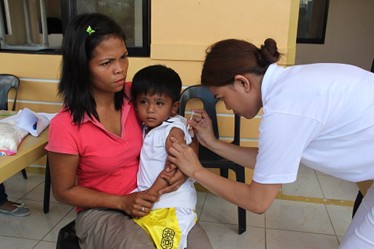 |
US measles outbreak reached 1,714 confirmed cases across 33 jurisdictions, with elimination status at risk; Pandemic & Global Health. Credit: Jess Seldon/Department for International Development |
US measles outbreak reached 1,714 confirmed cases across 33 jurisdictions, with elimination status at risk amid declining childhood vaccination coverage [8,9]
As of April 9, 2026, the US Centers for Disease Control and Prevention (CDC) confirmed 1,714 measles cases across 33 jurisdictions in 2026, with 17 new outbreaks recorded and 94% of cases outbreak-associated. Approximately 94% of confirmed cases occurred in unvaccinated individuals or those with unknown vaccination status. The outbreak follows 2,287 confirmed cases reported across 45 jurisdictions for the full year of 2025. Vaccination coverage among US kindergartners has declined from 95.2% in 2019–20 to 92.5% in 2024–25, falling below the 95% coverage threshold generally required to maintain herd immunity against measles. The US is at risk of losing its measles elimination status, held since 2000, if authorities determine the 12-month continuous transmission threshold has been crossed. Concurrent mumps cases have been reported across 11 US jurisdictions, with experts attributing the co-emergence of multiple vaccine-preventable diseases to declining measles, mumps, and rubella (MMR) vaccination coverage.
“ | The US is at risk of losing its measles elimination status, held since 2000, if authorities determine the 12-month continuous transmission threshold has been crossed. |
Rapid meningococcal group B outbreak at University of Kent prompted review of adolescent booster policy in the UK [10,11]
An unusually rapid cluster of invasive meningococcal group B (MenB) disease emerged in Kent, England, between March 13–15, 2026, with 13 cases notified to the UK Health Security Agency (UKHSA) within 48 hours. By March 25, 20 confirmed cases and two deaths had been recorded, with 17 cases sharing a single outbreak strain subtype. Most cases were University of Kent students. UKHSA and the NHS initiated antibiotic prophylaxis and a targeted MenB vaccination programme for those at risk, with over 4,500 vaccinations administered. Genetic analysis confirmed the outbreak strain is covered by the Bexsero vaccine. The outbreak exposed a gap in routine UK adolescent vaccination, as the school-administered Meningococcal group A, C, W-135, and Y conjugate (MenACWY) vaccine does not cover MenB. UKHSA stated it will advise the Joint Committee on Vaccination and Immunisation to review its current position on routine MenB boosters for adolescents and young adults.
MARKET TRENDS |
Brussels court ordered Poland and Romania to honour COVID-19 vaccine purchase agreements with Pfizer and BioNTech [12]
A Brussels court of first instance ruled that Poland and Romania must honour COVID-19 vaccine purchase agreements signed with Pfizer and BioNTech under the European Union’s (EU) joint procurement framework, following legal action filed in 2023. Poland was ordered to take delivery of remaining vaccine doses and pay approximately €1.3B, while Romania was ordered to pay approximately €600M. The court found that conditions for terminating the procurement contracts had not been met and rejected arguments that changes in pandemic circumstances justified altering contractual obligations. Poland stated its intention to appeal the ruling. Hungary faces a similar hearing on April 16, with Pfizer seeking approximately €60M plus interest. The ruling has potential implications for other EU member states that declined to honour procurement commitments as pandemic-era demand declined.
 |
US federal court issued preliminary injunction reinstating pre-June 2025 childhood vaccine schedule; Regulation & Policy. Credit: Tom Harkin Global Communication Center |
Bavarian Nordic sought EMA approval to extend MVA-BN mpox and smallpox vaccine indication to children aged 2–11 years [13]
Bavarian Nordic submitted clinical data to the EMA to support extension of the MVA-BN® mpox and smallpox vaccine indication to children aged 2–11 years. The submission is based on positive topline results from a Phase 2 study in 227 children aged 2–11 years and 224 adults, demonstrating non-inferior immune responses and a comparable safety profile between age groups following two standard doses. The study was co-funded by the Coalition for Epidemic Preparedness Innovations (CEPI) and conducted at sites in the Democratic Republic of Congo and Uganda. If approved, the Marketing Authorisation for MVA-BN could be extended to individuals from two years of age later in 2026. Children have been disproportionately affected during recent mpox outbreaks, particularly in Africa.
SK bioscience and IDT Biologika agreed to develop and manufacture updated drug product for MSD’s Zaire Ebola vaccine under CEPI-funded collaboration [14]
SK bioscience announced a contract with IDT Biologika for the contract development and manufacturing of the drug product for an updated Zaire Ebola vaccine, developed in collaboration with MSD and Hilleman Laboratories. The project, supported by approximately $30M in funding from CEPI, aims to address the manufacturing complexity and ultra-cold chain requirements of MSD’s existing Zaire Ebola vaccine by increasing manufacturing yield and improving thermostability. Under the agreement, SK bioscience will produce drug substance while IDT will undertake drug product development and manufacturing. The collaboration reflects the broader integration strategy between SK bioscience and IDT following SK bioscience’s acquisition of IDT, and expands IDT’s role as a strategic development and manufacturing hub within SK bioscience’s global network.
REGULATION & POLICY |
US federal court issued preliminary injunction reinstating pre-June 2025 childhood vaccine schedule and staying revised ACIP appointments [15,16]
A US federal judge issued a preliminary injunction staying the Trump administration’s January 2026 CDC Decision Memo, restoring the childhood vaccine schedule in place before June 2025. The injunction also stayed Secretary Kennedy’s appointments to the Advisory Committee on Immunization Practices (ACIP), reversed the May 2025 Secretarial Directive on COVID-19 vaccine recommendations, and overturned downgraded hepatitis B vaccine recommendations from the December 2025 ACIP meeting. Routine childhood vaccines previously downgraded, including influenza, COVID-19, hepatitis A and B, respiratory syncytial virus (RSV), and meningococcal vaccines, regained their universally recommended status, restoring insurance coverage at no out-of-pocket cost. The ruling was brought by a coalition of medical organisations including the American Academy of Pediatrics, American Public Health Association, and Infectious Diseases Society of America.
HHS renewed ACIP charter with revised scope and membership criteria, drawing criticism from over 130 medical and public health organisations [17,18]
The US Department of Health and Human Services renewed the Advisory Committee on Immunization Practices (ACIP) charter for a 2-year period through April 1, 2028, introducing substantive changes to the committee’s focus and membership structure. The revised charter directs ACIP to identify gaps in vaccine safety research, consider the cumulative effects of recommended childhood vaccines, evaluate vaccine ingredients such as aluminium, and specifically review novel vaccine platforms including mRNA vaccines. The renewal also broadens membership criteria and adds non-voting liaison roles to organisations that have publicly questioned vaccine safety. More than 130 medical, nursing, public health, and patient advocacy organisations issued a joint statement expressing concern that the revisions could undermine evidence-based vaccine policy and erode public confidence in immunisation programmes.
“ | More than 130 medical, nursing, public health, and patient advocacy organisations expressed concern that the revisions could undermine evidence-based vaccine policy and erode public confidence in immunisation programmes. |
EMA recommended restricting use of tecovirimat for mpox following failure to demonstrate efficacy in randomized clinical trials [19]
The EMA’s Committee for Medicinal Products for Human Use (CHMP) recommended that tecovirimat (Tecovirimat SIGA) should no longer be used for the treatment of mpox, following a review of data from four randomized, placebo-controlled clinical trials – PALM007, STOMP, UNITY, and PLATINUM-UK. Across all four studies, tecovirimat failed to demonstrate faster lesion resolution, pain reduction, or virological clearance compared with placebo in patients with active mpox lesions, covering both clade I and clade II virus infections. The restriction does not affect tecovirimat’s authorised indications for smallpox, cowpox, and complications from smallpox vaccines, for which no equivalent clinical trial data are available. No new safety concerns were identified. There are currently no other medicines authorised in the EU for treating mpox infections.
Negotiations on pathogen access and benefit sharing annex to the WHO Pandemic Agreement extended ahead of World Health Assembly [20]
World Health Organisation (WHO) member states agreed to extend negotiations on the Pathogen Access and Benefit Sharing (PABS) annex to the WHO Pandemic Agreement, with discussions scheduled to resume from April 27 to May 1, 2026, ahead of consideration by the World Health Assembly in May. The PABS annex is intended to ensure rapid sharing of pathogens with pandemic potential alongside fair and equitable distribution of resulting benefits, including vaccines, diagnostics, and therapeutics. The extension reflects the complexity of outstanding issues, including definitions and distribution of benefits derived from pathogen sharing, contractual arrangements underpinning the PABS system, and governance mechanisms. The WHO Pandemic Agreement was adopted by the World Health Assembly in 2025 to address weaknesses in global pandemic preparedness and response exposed by the COVID-19 pandemic.
CEPI and PAHO expanded collaboration to strengthen regulatory systems and vaccine safety capacity across Latin America and the Caribbean [21]
CEPI and the Pan American Health Organization (PAHO) announced an expansion of their collaboration through new cooperation agreements to strengthen regulatory systems and pharmacovigilance programmes across Latin America and the Caribbean. CEPI will provide up to $1M over 12 months to support regulatory capacity strengthening, including convergence and reliance-based regulatory pathways to expedite vaccine evaluation and approval during outbreaks, and up to $3M over 24 months to enhance pharmacovigilance programmes and signal detection. The agreements build on a broader 5-year memorandum of understanding signed in 2024 and are aligned with CEPI’s 100 Days Mission to develop safe and effective vaccines against pandemic threats within 100 days. Activities will include workforce training and expanded collaboration among national regulatory authorities.

References
1. Pfizer. Pfizer and Valneva Announce Lyme Disease Vaccine Candidate Demonstrates Strong Efficacy in Phase 3 VALOR Trial. March 23, 2026.
2. IAVI. IAVI begins first-in-human Phase 1 trial of single-dose Marburg virus vaccine candidate. April 6, 2026.
3. Vaxcyte. Vaxcyte Completes Enrollment of OPUS-1 and OPUS-2 Phase 3 Trials Evaluating VAX-31 for the Prevention of Invasive Pneumococcal Disease and Pneumonia in Adults. March 23, 2026.
4. Anixa Biosciences. Anixa Biosciences Advances Breast Cancer Vaccine Toward Phase 2 After Positive Phase 1 Results; Cytovance Selected for cGMP Manufacturing. April 1, 2026.
5. Centivax. Centivax Closes $37 Million Financing to Accelerate Phase 2 Clinical Development of Universal Flu and Advance Follow-On Portfolio to Clinical Readiness. March 30, 2026.
6. University of Pennsylvania. New Lipid Nanoparticle Design Improves Precision of mRNA Vaccine Delivery. March 24, 2026.
7. Lejeune M, Tornos J, Bralet T, et al. Vaccination against H5 HP avian influenza virus leads to persistent immune response in wild king penguins. Nat. Comm. 2026; 17, 1395.
8. CDC. Measles Cases and Outbreaks. April 10, 2026.
9. CDC. Mumps Cases and Outbreaks. March 26, 2026.
10. Gov UK. Cases of invasive meningococcal disease notified in Kent. March 16, 2026.
11. Gov UK. Meningitis outbreak: what you need to know. March 18, 2026.
12. Reuters. Poland, Romania to Pay Nearly €2 Billion to Pfizer and BioNTech, Court Rules. April 1, 2026.
13. Bavarian Nordic. Bavarian Nordic Submits Data to EMA to Extend Mpox and Smallpox Vaccine Approval to Children Aged 2–11 Years. March 27, 2026.
14. SK bioscience. SK bioscience and IDT Biologika Partner on Development and Manufacturing of Drug Product for MSD’s Zaire Ebola Vaccine with an Updated Manufacturing Process. March 23, 2026.
15. University of Minnesota. The State of US Vaccine Policy: Special Edition. March 17, 2026.
16. IDSA. Federal Judge Blocks Immunization Schedule Changes, Stays ACIP Member Appointments. March 16, 2026.
17. Federal Register. Advisory Committee on Immunization Practices (ACIP); Notice of Charter Renewal. April 6, 2026.
18. APHA. More Than 130 Organizations Express Concern Over Changes to CDC’s Advisory Committee on Immunization Practices Charter. April 15, 2026.
19. European Medicines Agency. EMA Recommends Restricting Use of Tecovirimat SIGA. March 27, 2026.
20. WHO. WHO Member States Agree to Extend Negotiations on Key Annex to the Pandemic Agreement. March 28, 2026.
21. CEPI. CEPI and PAHO Expand Partnership to Strengthen Regulatory Systems and Vaccine Safety Across the Americas. April 14, 2026.