
Industry Insights: From a landmark Alexander disease approval to advancing CRISPR and saRNA platforms in rare disease
Nucleic Acid Insights 2026; 3(7), 535–538
DOI: 10.18609/nai.2026.069
Late July to mid-September 2026 saw continued regulatory, clinical, and strategic momentum across nucleic acid therapeutic modalities, with notable clustering in rare neurological and neuromuscular disorders. On the regulatory front, the US FDA approved Ionis’ antisense oligonucleotide Zanvastro™ (zilganersen) for Alexander disease, the first therapy to address the condition’s underlying cause, granted Fast Track Designation to HAYA Therapeutics’ long non-coding RNA-targeting ASO HTX-001 in nonobstructive hypertrophic cardiomyopathy, and cleared Ractigen Therapeutics’ small activating RNA candidate RAG-1 °C in proliferative vitreoretinopathy. In the clinic, Oak Hill Bio and Aligos Therapeutics initiated trials of rugonersen in Angelman syndrome and ALG-170675 in chronic hepatitis B. Strategic activity featured Aptar – Aceso and Exegenesis – Modalis collaborations in cystic fibrosis and Duchenne muscular dystrophy, alongside financings of $120 million and $31 million closed by AusperBio and Ractigen. In this issue: Regulatory Changes and Updates Clinical Trials and Research Collaborations, Partnerships, and Acquisitions Market Trends |
REGULATORY CHANGES AND UPDATES |
Ionis received US FDA approval for Zanvastro™, the first ASO therapy for Alexander disease [1]
Ionis announced that the FDA has approved Zanvastro (zilganersen), an antisense oligonucleotide (ASO), for children and adults with Alexander disease (AxD), a rare neurological disorder caused by variants in the GFAP gene. Zanvastro is the first approved AxD treatment in the USA and the first shown to halt production and accumulation of excess GFAP, addressing the underlying cause rather than offering supportive care alone. Approval was based on a Phase 1–3 multiple-ascending-dose study enrolling 54 patients aged 1.5–53 years, randomized to high- or low-dose Zanvastro every 12 weeks or placebo for 60 weeks. High-dose (50 mg) recipients achieved statistically significant stabilization of gait speed versus placebo on the 10-Meter Walk Test, the primary endpoint (mean difference 33.3%).
 |
Ionis received US FDA approval for Zanvastro™, the first ASO therapy for Alexander disease; Regulatory changes and updates. Credit: Adobe Stock. |
HAYA Therapeutics received FDA Fast Track Designation for ASO in hypertrophic cardiomyopathy [2]
HAYA Therapeutics announced that the FDA has granted Fast Track Designation to HTX-001 for the treatment of symptomatic nonobstructive hypertrophic cardiomyopathy (nHCM). HTX-001 is a first-in-class investigational ASO engineered to downregulate WISPER, a heart stress-specific long non-coding RNA overexpressed in hypertrophic cardiomyopathy. By targeting WISPER in cardiac myofibroblasts, the therapy is intended to reprogram this fibrotic, pathological cell state toward a healthy phenotype, addressing the fibrotic pathology and diastolic dysfunction that current therapies do not directly target. The candidate is being evaluated in a Phase 1a/b trial, with the first cohort dosed in May 2026. Fast Track Designation may enable more frequent FDA interactions and eligibility for accelerated approval, priority review, and rolling review. nHCM accounts for an estimated 30–60% of hypertrophic cardiomyopathy cases.
Ractigen Therapeutics received FDA IND clearance for saRNA candidate in proliferative vitreoretinopathy [3]
Ractigen Therapeutics announced that the FDA has cleared its Investigational New Drug (IND) application for RAG-1 °C, a first-in-class small activating RNA (saRNA) candidate for the prevention and treatment of proliferative vitreoretinopathy (PVR), a sight-threatening complication of rhegmatogenous retinal detachment or ocular trauma with no approved pharmacological therapies. RAG-1 °C uses the company’s LiCO™ (lipid-conjugated oligonucleotide) platform, a non-LNP conjugated delivery technology, to reactivate the endogenous p21 (CDKN1A) gene, inducing cell cycle arrest and inhibiting proliferation and myofibroblast transformation. Administered as a single intraoperative intravitreal injection, it is designed for long-lasting anti-fibrotic protection. The clearance follows China NMPA/CDE approval, positioning RAG-1 °C for global development. A Phase 1 trial will assess safety, tolerability, pharmacokinetics, and preliminary efficacy in retinal detachment surgery patients at high risk of PVR.
CLINICAL TRIALS AND RESEARCH |
Oak Hill Bio dosed the first participant in the Phase 3 BEACON trial of ASO drug in Angelman syndrome [4]
Oak Hill Bio announced that the first participant has been dosed in BEACON (NCT07605429), a pivotal Phase 3 trial evaluating rugonersen, an investigational ASO, for the treatment of Angelman syndrome, a neurodevelopmental disorder caused by disruptions in the UBE3A gene and affecting approximately 15,000 individuals in each of the USA and EU5, with no approved treatments. Rugonersen, originally developed by Roche, is designed to restore UBE3A expression. BEACON is a global, randomized, double-blind, sham-controlled study enrolling up to 165 participants aged 1–50 years, randomized 1:1 to sham or 120 mg rugonersen by intrathecal injection every 12 weeks. The primary endpoint is improvement from baseline in BSID-4 cognition and/or expressive communication raw score at 56 weeks. An open-label extension will follow. Topline results are expected in early 2029.
Aligos Therapeutics dosed the first participant in the Phase 1 study of ASO drug in chronic hepatitis B [5]
Aligos announced dosing has been initiated in the Phase 1 study of ALG-170675, an investigational next-generation ASO being evaluated for functional cure of chronic hepatitis B virus (HBV) infection, conducted in China by its partner Amoytop, which retains Greater China rights. ALG-170675 is optimized for both HBsAg RNA inhibition and immuno-activation, and has shown improved RNase H-mediated in vivo activity over bepirovirsen (GSK-836) with similar hTLR8 agonist activity. The study evaluates safety, tolerability, pharmacokinetics, and pharmacodynamics across single (SAD) and multiple (MAD) ascending doses, enrolling approximately 32 healthy participants in the SAD portion (75, 150, 300, 450 mg) and roughly 24 in the MAD portion. A cohort of approximately 16 participants with chronic HBV infection is expected to begin in Q4 2026.
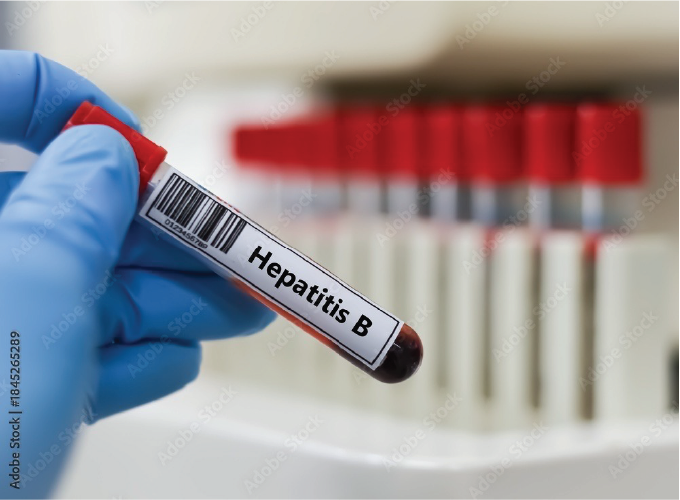 |
Aligos Therapeutics dosed the first participant in the Phase 1 study of ASO drug in chronic hepatitis B; Clinical trials and research. Credit: Adobe Stock. |
COLLABORATIONS, PARTNERSHIPS, AND ACQUISITIONS |
Aptar Pharma and Aceso Therapeutics entered a collaboration to develop an inhaled ASO for cystic fibrosis [6]
Aptar Pharma announced a collaboration with Aceso Therapeutics to advance ACT-101, an ASO candidate designed to target the underlying disease mechanisms of cystic fibrosis (CF), a rare inherited disease affecting approximately 100,000 people worldwide. Under the agreement, Nanopharm, Aptar Pharma’s specialist inhalation development services business, will lead inhaled formulation development and device assessment to support Aceso’s clinical development roadmap and enable direct delivery of ACT-101 to the lung. The activities complement Aptar Pharma’s broader biologics compatibility program, which evaluates how complex biologic molecules, including nucleic acids, peptides, and proteins and their nanoparticle-based delivery systems, interact with the company’s pulmonary and nasal delivery platforms across a range of formulations and delivery formats.
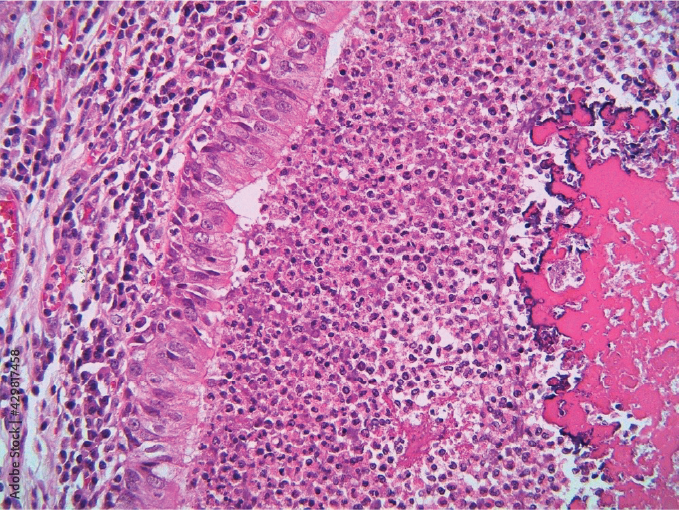 |
Aptar Pharma and Aceso Therapeutics entered a collaboration to develop an inhaled ASO for cystic fibrosis; Collaborations, partnerships, and acquisitions. Credit: Adobe Stock. |
Exegenesis Bio and Modalis Therapeutics entered a collaboration to advance a CRISPR-based candidate for Duchenne muscular dystrophy [7]
Exegenesis Bio and Modalis Therapeutics announced a research collaboration and license agreement to advance MDL-201, a mutation-agnostic candidate for Duchenne muscular dystrophy (DMD), a rare disease caused by dystrophin deficiency and progressive skeletal, cardiac, and respiratory muscle decline. MDL-201 is built on Modalis’ CRISPR-GNDM® (Guide Nucleotide-Directed Modulation) epigenome editing technology, designed to selectively activate utrophin in muscle by regulating gene expression without cutting double-stranded DNA, potentially complementing dystrophin function. Under the agreement, Modalis gains rights to use EMC181, an engineered muscle-tropic AAV capsid developed by Exegenesis Bio with liver-detargeting properties intended to improve safety. By pairing EMC181 with the CRISPR-GNDM payload, the companies aim to enhance muscle delivery, reduce off-target exposure, and accelerate MDL-201 toward clinical development. The agreement becomes effective September 14, 2026.
MARKET TRENDS |
AusperBio closed a $120 million series C to advance its oligonucleotide therapeutics for chronic hepatitis B [8]
AusperBio announced the close of a $120M series C financing to advance its portfolio of investigational oligonucleotide therapeutics for chronic hepatitis B (CHB). The round was led by an unnamed strategic investor, with new participation from RA Capital Management alongside existing backers. Proceeds will support a Phase 3 registrational program for lead ASO AHB-137 and prepare commercialization efforts. Built on the Med-Oligo platform, AHB-137 targets HBsAg production and viral DNA replication while promoting immune reactivation to achieve a functional cure for CHB; its late-stage AUSHINE trial is ongoing in China. The capital will also accelerate development of AHB-171, a hepatocyte-targeted small interfering RNA candidate built on the Au-HALO delivery platform, and support combination approaches. The biotech has raised $360 million in total since 2024.
Ractigen Therapeutics closed a $31 million financing to advance its saRNA pipeline and extrahepatic delivery platforms [9]
Ractigen Therapeutics announced the close of a financing round exceeding $31 million (over RMB 200 million) to advance its clinical-stage saRNA pipeline and proprietary extrahepatic delivery platforms. The round was led by Guozhong Capital, with participation from IDG Capital, China Everbright Limited, Jolmo Capital, Win-Win Capital, and SND Financial Holdings. Proceeds will accelerate Phase 2 trials of lead oncology asset RAG-01 in non-muscle-invasive bladder cancer, advance systemic candidate RAG-18 toward an IND filing for DMD, and progress CNS asset RAG-17 into Phase 2 in amyotrophic lateral sclerosis. Funds will also expand the company’s carrier-free SCAD™ and LiCO™ (systemic multi-tissue) delivery platforms, which use saRNAs targeting gene promoter regions to upregulate endogenous protein expression outside the liver.

References
1. Ionis. Zanvastro™ (zilganersen) approved by FDA as first and only disease-modifying treatment for Alexander disease. 2026.
2. HAYA Therapeutics. HAYA Therapeutics receives FDA Fast Track Designation for HTX-001. 2026.
3. Ractigen Therapeutics. Ractigen Therapeutics announces US FDA IND clearance for first-in-class saRNA candidate RAG-1 °C to treat proliferative vitreoretinopathy. 2026.
4. Oak Hill Bio. Oak Hill Bio announces dosing of first participant in BEACON Phase 3 clinical trial of rugonersen in Angelman syndrome. 2026.
5. Aligos Therapeutics. Aligos Therapeutics announces first participant dosed in the Phase 1 study of its potentially best-in-class antisense oligonucleotide ALG-170675 by its partner Amoytop in China. 2026.
6. Business Wire. Aptar and Aceso Therapeutics announce collaboration to advance inhaled antisense oligonucleotide therapy for cystic fibrosis. 2026.
7. Business Wire. Exegenesis Bio and Modalis collaborate to advance MDL-201 for Duchenne muscular dystrophy. 2026.
8. AusperBio. AusperBio closes over $120 million series C financing to advance hepatitis B therapeutics. 2026.
9. Ractigen Therapeutics. Ractigen Therapeutics closes over $31 million financing to advance clinical-stage saRNA pipeline and proprietary extrahepatic delivery platforms. 2026.