
Industry insights: Clinical advances and regulatory momentum across nucleic acid therapeutic modalities
Nucleic Acid Insights 2026; 3(5), 389–393
DOI: 10.18609/nai.2026.046
May and June 2026 saw significant clinical and regulatory momentum across nucleic acid therapeutic modalities. Regulatory highlights included FDA Breakthrough Therapy Designation for Biogen’s intrathecally administered ASO salanersen in spinal muscular atrophy and MHRA authorisation of Moderna and the University of Oxford’s INTERCEPT-Lynch Phase 1/2 trial of mRNA-4194, the first investigational mRNA cancer prevention vaccine. In clinical development, Novartis reported positive Phase 1/2 biomarker data for the AOC del-brax in facioscapulohumeral muscular dystrophy, GSK published Phase 3 data demonstrating a 19% functional cure rate for the ASO bepirovirsen in chronic hepatitis B, and SpliSense secured $13 million from the Cystic Fibrosis Foundation to advance inhaled ASO SPL84 into Phase 2b. Strategic activity included a multi-target ASO collaboration between Servier and n-Lorem Foundation in rare neurodevelopmental disorders, and WuXi AppTec’s announcement of a 17% increase in capital expenditure to expand oligonucleotide and peptide manufacturing capacity globally. In this issue: Regulatory Changes and Updates Collaborations, Partnerships, and Acquisitions Clinical Trials and Research Market Trends |
REGULATORY CHANGES AND UPDATES |
Biogen’s salanersen received FDA Breakthrough Therapy Designation for spinal muscular atrophy [1]
Biogen announced that the US FDA granted Breakthrough Therapy Designation to salanersen (BIIB115), an investigational intrathecally administered antisense oligonucleotide (ASO) designed to correct SMN2 pre-mRNA splicing and increase SMN protein production, for the treatment of spinal muscular atrophy (SMA). The designation was supported by Phase 1b data (n=24, aged 0.5–12 years) in children with SMA who had a suboptimal response to prior gene therapy, in whom salanersen produced a 75% reduction in neurofilament light chain levels at 6 months – sustained throughout follow-up – and clinically meaningful motor function improvements, with 12 of 24 participants achieving at least one new WHO motor milestone. Salanersen’s novel chemistry enables once-yearly intrathecal dosing, and the Phase 3 programme comprises three global studies: STELLAR-1 (treatment-naïve presymptomatic infants), STELLAR-2 (infants following onasemnogene abeparvovec), and SOLAR (adolescents and adults aged 15–60 years). Salanersen was discovered by Ionis Pharmaceuticals, which licensed global development, manufacturing, and commercialization rights to Biogen.
 |
Credit: Adobe Stock. |
Moderna and the University of Oxford received MHRA authorization to initiate Phase 1/2 study of mRNA cancer vaccine in Lynch syndrome [2]
Moderna and the University of Oxford announced that the MHRA has authorized the INTERCEPT-Lynch Phase 1/2 trial of mRNA-4194, an investigational mRNA-based cancer prevention vaccine, in individuals with Lynch syndrome, an inherited DNA mismatch repair disorder affecting approximately 1 in 300 people and conferring lifetime cancer risk of up to 80%. mRNA-4194 is designed to generate immune responses against targets associated with early cancer development, representing Moderna’s first investigational cancer prevention programme. The Phase 1/2 study, sponsored by the University of Oxford and funded by Moderna, will evaluate safety, characterize immune response, and determine optimal dosing, with first patient dosing anticipated in summer 2026; a multi-center expansion phase is expected to begin in 2027. The trial forms part of a 10-year strategic partnership between Moderna and the UK Government established in 2022, which has to date supported more than 20 clinical trials across 135 centers involving over 14,500 participants.

Moderna and the University of Oxford received MHRA authorization to initiate Phase 1/2 study of mRNA cancer vaccine in Lynch syndrome; Regulatory changes and updates. Credit: Adobe Stock.
Ribo submitted Phase 2 Clinical Trial Application to the EMA for siRNA therapeutic RBD1119 in coronary artery disease [3]
Suzhou Ribo Life Science and Ribocure Pharmaceuticals announced the submission of a Phase 2 Clinical Trial Application to the EMA for RBD1119, an investigational small interfering RNA (siRNA) therapeutic for the treatment of coronary artery disease (CAD). The submission advances Ribo’s broader antithrombotic pipeline, which spans siRNA candidates in atrial fibrillation and venous thromboembolism. CAD remains a leading cause of global morbidity and mortality, with substantial residual thrombotic risk persisting in patients on optimised standard-of-care antiplatelet and anticoagulant therapy, compounded by bleeding risk that limits treatment intensity and duration. RBD1119 is designed to address the root cause of thromboembolic disease, with Ribo positioning the programme as part of a systematic oligonucleotide-based approach to antithrombotic intervention.
COLLABORATIONS, PARTNERSHIPS, AND ACQUISITIONS |
Servier and n-Lorem Foundation announced a multi-target research collaboration to develop ASO therapeutics for rare neurodevelopmental disorders [4]
Servier and n-Lorem Foundation announced a collaboration in which n-Lorem’s ASO technology platform will be used to engineer preclinical candidates across multiple rare genetic neurodevelopmental disorder targets, which Servier will subsequently advance into clinical development. n-Lorem Foundation is a non-profit organisation established to provide experimental ASO medicines to nano-rare patients with high unmet need; the partnership is intended to expand the number of patients n-Lorem can reach. Target indications align with Servier’s stated 2030 rare neurology ambitions, encompassing refractory epilepsy, genetically driven autism spectrum disorders, leukodystrophies, peripheral neuropathies, movement disorders, and neuromuscular diseases, areas in which no approved therapies currently exist for many patients.
Junevity partnered with Sunrise BioVentures to advance its siRNA cardiometabolism programme toward Phase 1 clinical trials [5]
Junevity announced a strategic and operational advisory partnership with Sunrise BioVentures, an RNA therapeutics accelerator founded by industry veterans Andrew Fraley, Rachel Meyers, Stuart Milstein, and Laurence Reid, with collective experience spanning siRNA discovery and development at Alnylam Pharmaceuticals, Korro Bio, Judo Bio, and Decibel Therapeutics. Sunrise will provide guidance across siRNA development, preclinical validation, pipeline strategy, and business development as Junevity advances its lead candidate JUN_01 toward Phase 1 trials in cardiovascular risk in type 2 diabetes, anticipated to begin in Q4 2026. JUN_01 is a once every 6-to-12-month siRNA candidate designed to reprogram cellular metabolism, with preclinical data demonstrating reductions in inflammation and cardiovascular risk markers, robust HbA1c reduction, and improved insulin sensitivity.
CLINICAL TRIALS AND RESEARCH |
Novartis reported positive Phase 1/2 biomarker data for novel AOC in facioscapulohumeral muscular dystrophy [6]
Novartis announced that the biomarker cohort (Cohort C) of the FORTITUDE Phase 1/2 study of delpacibart braxlosiran (del-brax) met its primary and key secondary endpoints in patients with facioscapulohumeral muscular dystrophy (FSHD), with del-brax 2 mg/kg every 6 weeks producing reductions in plasma KHDC1L (a DUX4-regulated circulating biomarker) and creatine kinase levels, indicating target engagement and reduced muscle damage, respectively. Del-brax is an investigational antibody oligonucleotide conjugate (AOC) designed to suppress aberrant DUX4 expression in muscle cells via siRNA delivery mediated by a monoclonal antibody carrier, and holds FDA Orphan Drug and Fast Track designations and EMA Orphan Drug designation. Novartis plans to engage global regulatory authorities on the Phase 1/2 totality of data; the Phase 3 FORTITUDE-3 study (NCT07038200, n=200, aged 16–70) is currently enrolling, with primary endpoints of quantitative muscle testing in the US and the 10-metre walk/run test in Europe. Del-brax was added to the Novartis neuroscience pipeline through the acquisition of Avidity Biosciences in February 2026, alongside two further AOC programmes in Phase 2/3 development for myotonic dystrophy type 1 and Duchenne muscular dystrophy.

Novartis reported positive Phase 1/2 biomarker data for novel AOC in facioscapulohumeral muscular dystrophy; Clinical trials and research. Credit: Adobe Stock.
GSK reported Phase 3 data showing a 19% functional cure rate for ASO bepirovirsen in chronic hepatitis B [7]
GSK announced results from the Phase 3 B-Well 1 and B-Well 2 trials of bepirovirsen, an investigational ASO licensed from Ionis Pharmaceuticals, presented at the EASL congress and published simultaneously in the New England Journal of Medicine. Pooled data showed that six months of bepirovirsen treatment achieved a 19% functional cure response rate versus 0% with placebo in the overall study population, meeting the primary endpoint; in participants with low viral activity (HBsAg level of 1,000 IU/mL or below, representing approximately 45% of diagnosed chronic hepatitis B cases globally), the functional cure rate rose to 26%. An exploratory analysis found that 49% of bepirovirsen-treated patients achieved HBsAg levels of 100 IU/mL or below 1 year after treatment cessation, a threshold associated with an 89% reduction in liver cancer risk and 62% lower all-cause mortality. Serious adverse events were reported in 7% of bepirovirsen-treated patients versus 4% with placebo, with the most common side effects being injection site erythema, local pain, and transient ALT elevations. Regulatory reviews are ongoing in the USA, EU, China, and Japan, with first decisions expected in Q3 2026.
MARKET TRENDS |
WuXi AppTec announced accelerated global manufacturing expansion to support growing demand in oligonucleotides, peptides, and advanced modalities [8]
WuXi AppTec announced plans to increase capital expenditure by at least 17% in 2026 to between RMB 6.5 billion and RMB 7.5 billion, supporting expanded drug substance and drug product manufacturing capacity across the US, Europe, and Asia, driven by rising customer demand in peptide and oligonucleotide modalities. In the USA, a new 1.74 million square foot facility in Middletown, Delaware will commence oral solid dosage operations in Q4 2026, with sterile and injectable production following in Q4 2027. In Europe, the Couvet, Switzerland site will gain a PSD-4 spray dryer later in 2026, with parenteral manufacturing and lipid nanoparticle capabilities to follow. In Asia, the Singapore site is expected to begin Phase 1 API manufacturing operations in 2027, covering small molecules, oligonucleotides, peptides, and conjugates; two additional oligonucleotide, peptide, and PMO production plants at the Taixing, China site are also scheduled to come online in 2027. The company’s small molecule pipeline stood at 3,550 molecules as of end of March 2026, with 328 new molecules added in Q1 alone.
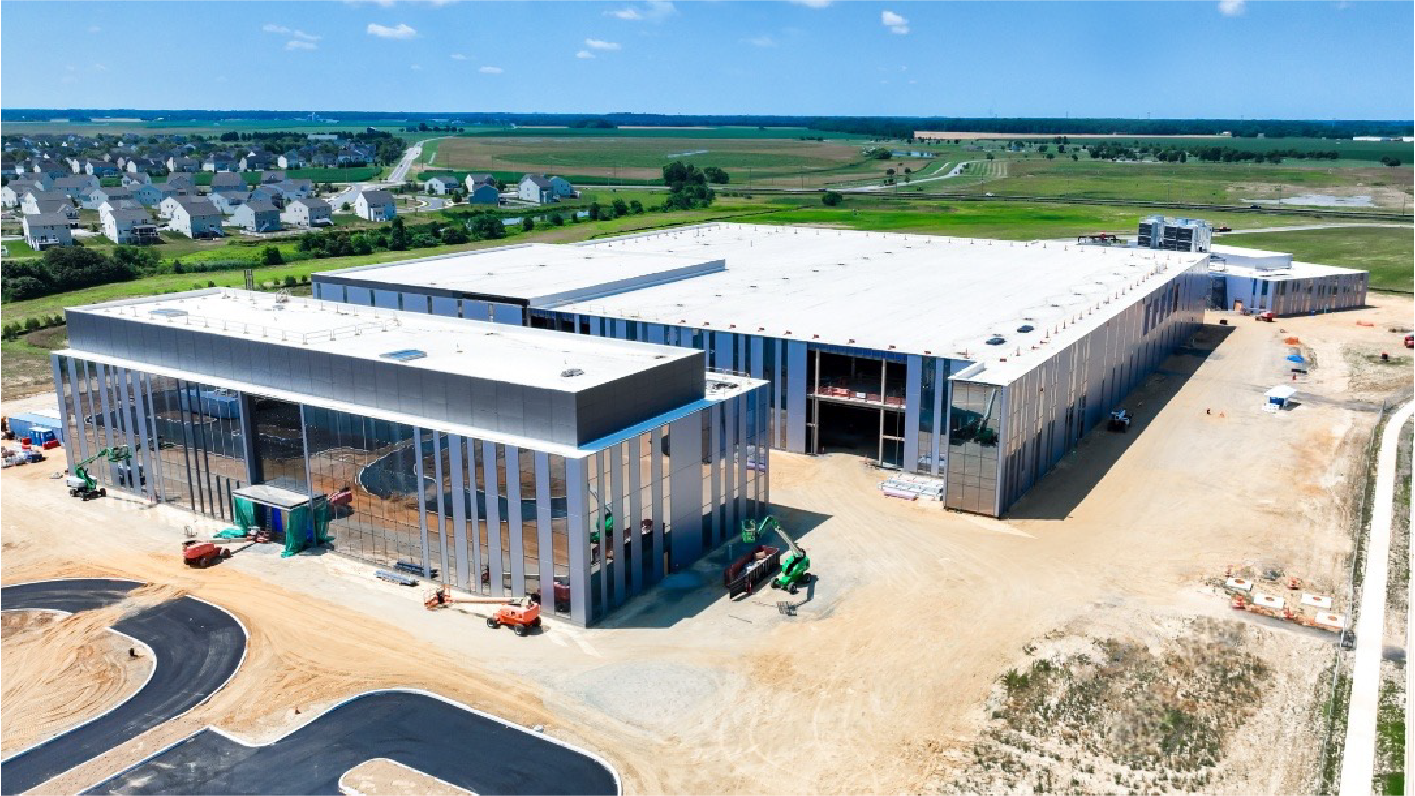
WuXi AppTec announced accelerated global manufacturing expansion to support growing demand in oligonucleotides, peptides, and advanced modalities; Market trends. Credit: RareLabs.
Oak Hill Bio raised $32.5 million Series A to advance ASO rugonersen into Phase 3 development in Angelman syndrome [9]
Oak Hill Bio announced the closing of a $32.5 million Series A financing co-led by Balyasny Asset Management, venBio, and Janus Henderson Investors, with proceeds designated to advance rugonersen (OHB-724) into a pivotal Phase 3 study anticipated to begin in mid-2026. Rugonersen is an investigational ASO originally developed by Roche, designed to bind and degrade the UBE3A-ATS transcript in CNS neurons, thereby unsilencing the paternal UBE3A allele and potentially restoring normal neuronal function in Angelman syndrome, a neurodevelopmental disorder affecting approximately 30,000 diagnosed patients in the USA and EU5 with no approved treatments.
SpliSense secured up to $13 million from the Cystic Fibrosis Foundation to advance inhaled ASO SPL84 into Phase 2b in cystic fibrosis [10]
SpliSense announced a funding agreement with the Cystic Fibrosis Foundation providing up to $13 million to support continued clinical development of SPL84, an inhaled ASO designed to correct the splicing defect caused by the 3849+10kb C→T mutation in the CFTR gene. The funding follows Phase 2a results in which SPL84 demonstrated lung function improvement in up to 70% of treated participants and an estimated mean absolute improvement of 10 percentage points in ppFEV1 versus placebo, representing the first clinical proof-of-concept for an inhaled ASO therapy in a pulmonary disease. The ongoing Phase 2b study (NCT06429176) is a randomized, placebo-controlled trial enrolling approximately 40 participants with the 3849+10kb C→T mutation who are receiving standard-of-care CFTR modulators, across sites in the USA, Europe, and Israel, with topline results anticipated in H2 2027. SPL84 holds FDA Fast Track and Orphan Drug designations and EMA PRIME designation.
Reprogram Biosciences closed seed financing to advance mRNA-based in situ tumour cell reprogramming therapeutics for solid tumors [11]
Reprogram Biosciences announced the close of a seed financing round, bringing total capital raised to $6 million since the company’s founding in 2025, with investors including Unshackled Ventures, 1517 Fund, and Narya. The company is developing mRNA-encoded gene combinations delivered directly into tumours to induce antigen-presenting function in tumour cells, designed to convert the immunosuppressive tumor microenvironment into a site of active immune priming and generate systemic antitumor responses. Candidate identification and pipeline expansion are supported by CellRecodeX, an AI discovery engine integrating multiple biological foundation models.

References
1. Biogen. Biogen’s salanersen receives FDA Breakthrough Therapy Designation for spinal muscular atrophy.
2. University of Oxford. First trial of vaccine to prevent Lynch syndrome-associated cancers approved to begin.
3. Ribo. Ribo announces Phase 2 clinical trial submission to EMA, further advancing siRNA therapeutics in thromboembolic disease.
4. Servier. Servier and n-Lorem Foundation join forces to advance research in rare neurodevelopmental disorders.
5. Business Wire. Junevity partners with Sunrise BioVentures as advisors to accelerate siRNA therapeutic development.
6. Novartis. Novartis delpacibart braxlosiran (del-brax) Phase I/II study in facioscapulohumeral muscular dystrophy meets primary biomarker endpoint.
7. GSK. Bepirovirsen achieves unprecedented functional cure rates with potential to redefine treatment for chronic hepatitis B.
8. EIN Presswire. WuXi AppTec accelerates global manufacturing expansion to meet rising customer demand.
9. Oak Hill Bio. Oak Hill Bio raises $32.5 million Series A financing to advance antisense oligonucleotide therapy rugonersen to Phase 3 study in Angelman syndrome.
10. PR Newswire. SpliSense secures up to $13 million from the Cystic Fibrosis Foundation to advance Phase 2b study of SPL84 for cystic fibrosis.
11. GlobeNewswire. Reprogram Biosciences closes seed financing to advance tumor cell reprogramming therapeutics.