
Industry Insights: Advancing oligonucleotide therapeutics through regulatory approvals, clinical data, and AI-enabled discovery
Nucleic Acid Insights 2026; 3(4), 333–337
DOI: 10.18609/nai.2026.040
Across April and May 2026, the nucleic acid therapeutics field saw broad regulatory momentum, continued clinical advancement, and significant manufacturing investment. Regulatory highlights included MHRA authorisation of the ligand-conjugated ASO donidalorsen for hereditary angioedema prophylaxis and US FDA acceptance of GSK's NDA for the ASO bepirovirsen in chronic hepatitis B, the latter also receiving Breakthrough Therapy Designation. Clinical milestones featured the 50th patient treated under n-Lorem Foundation's personalized ASO programme and first results from HF-REVERT, the inaugural randomized trial of microRNA inhibition in heart failure. Manufacturing expansion featured prominently, with both Agilent Technologies and WuXi AppTec announcing major capacity increases for oligonucleotide production. AI-driven drug discovery also advanced, with RareLabs launching a robotics- and AI-enabled platform for rare disease ASO and siRNA development, and Ribo Life Science partnering with Insilico Medicine to integrate AI across its siRNA pipeline. In this issue: Regulatory Changes and Updates Clinical Trials and Research Market Trends Tools and Technologies Collaborations, Partnerships, and Acquisitions |
REGULATORY CHANGES AND UPDATES |

Credit: Adobe Stock.
MHRA authorized donidalorsen for hereditary angioedema prophylaxis [1]
Otsuka Pharmaceuticals UK announced that the Medicines and Healthcare products Regulatory Agency (MHRA) has authorized donidalorsen (Dawnzera™) for the routine prevention of recurrent hereditary angioedema (HAE) attacks in adults and adolescents aged 12 years and older. Donidalorsen is a ligand-conjugated antisense oligonucleotide (ASO) that reduces prekallikrein production in the liver, interrupting the bradykinin pathway responsible for HAE attacks. Authorisation was based on the Phase 3 OASIS-HAE trial (n=90), in which 80 mg every 4 weeks reduced HAE attack rate by 81% versus placebo (p<0.001) over 24 weeks. The medicine was previously authorised by the European Commission in January 2026 and is licensed by Ionis Pharmaceuticals.
 |
US FDA accepted bepirovirsen NDA for priority review in chronic hepatitis B; Regulatory changes and updates. Credit: Adobe Stock. |
US FDA accepted bepirovirsen NDA for priority review in chronic hepatitis B [2]
GSK announced that the FDA has accepted for priority review a New Drug Application (NDA) for bepirovirsen, an investigational ASO, for the treatment of adults with chronic hepatitis B. Bepirovirsen is designed to degrade hepatitis B virus mRNA and pregenomic RNA, suppress hepatitis B surface antigen, and stimulate immune response. The FDA also granted Breakthrough Therapy Designation, adding to the Fast Track Designation received in February 2024. The submission was supported by the Phase 3 B-Well 1 and B-Well 2 trials, which demonstrated statistically significant and clinically meaningful functional cure rates versus standard of care. The PDUFA goal date is 26 October 2026. Bepirovirsen was licensed from Ionis Pharmaceuticals.
CLINICAL TRIALS AND RESEARCH |
n-Lorem Foundation reported treatment of 50th nano-rare patient with personalized ASO therapy [3]
n-Lorem Foundation announced that 50 nano-rare patients have now been treated with personalised, experimental ASO medicines discovered, developed, and provided by the nonprofit. Across more than 260 doses administered via multiple routes of administration, no ASO-related serious adverse events have been observed, representing over 45 patient-years of cumulative safety experience. One patient has received treatment for more than 3 years and 24 for more than 1 year. The foundation has received more than 440 applications, accepted more than 240 patients, and filed over 45 investigational new drug (IND) applications across five FDA divisions. Nearly all evaluable patients have achieved clinically significant benefit. All treatments are provided free of charge, funded by donations.
Findings from the first randomized trial evaluating microRNA inhibition in heart failure reported [4]
Results from HF-REVERT, the first randomized trial evaluating microRNA inhibition in heart failure, were presented at Heart Failure 2026. The double-blind, placebo-controlled Phase 2 trial (n=280) assessed CDR132L, an ASO inhibitor of microRNA-132, in patients with heart failure early after myocardial infarction. CDR132L did not significantly improve the primary endpoint of left ventricular end-systolic volume index (LVESVI) at 6 months versus placebo (−8.364% and −9.824% for 5 mg/kg and 10 mg/kg, respectively, versus −7.611%; p=0.371 and p=0.257). Plasma microRNA-132 levels decreased in a dose-dependent manner, confirming target engagement. No safety concerns were identified. Further research is ongoing in patients with chronic heart failure with left ventricular hypertrophy.
MARKET TRENDS |
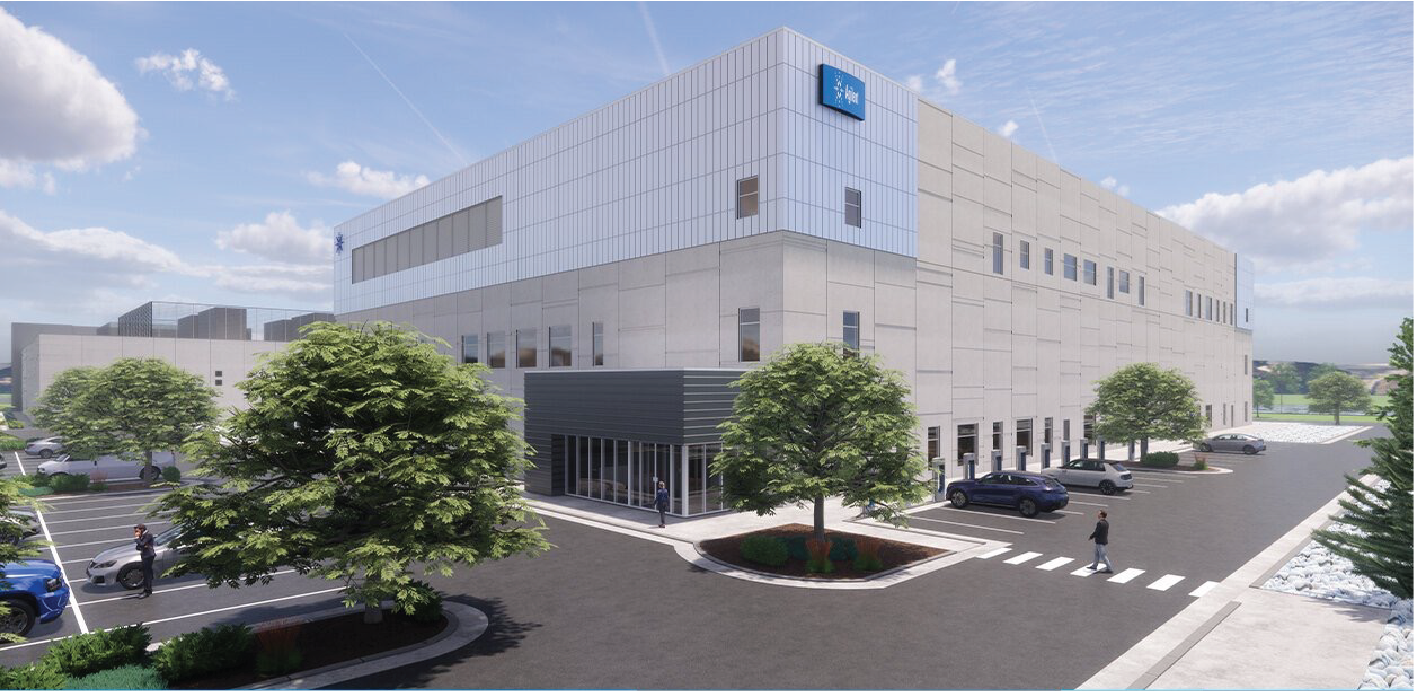 |
Agilent set to launch two new oligonucleotide manufacturing trains at Colorado facility in 2027; Market trends. Credit: BioPharma APAC. |
Agilent set to launch two new oligonucleotide manufacturing trains at Colorado facility in 2027 [5]
Agilent Technologies announced an investment of approximately $725 million to double its manufacturing capacity for therapeutic oligonucleotides, including small interfering RNA (siRNA), antisense, and CRISPR guide RNA molecules. Two additional cGMP manufacturing lines (Trains C and D) are under construction at the company's Frederick, Colorado facility, with launch anticipated in 2027. The expansion is driven by strong demand for oligonucleotide APIs and projected market growth from $2–4 billion by 2030. The new lines will incorporate advanced automation alongside water reduction and solvent capture and recycling technologies.
GSK licensed SiranBio's ALK7-targeting siRNA in deal worth up to $1.005 billion [6]
GSK and China's Siran Biotechnology announced a licensing agreement granting GSK worldwide rights to SA030, a long-acting siRNA targeting activin receptor-like kinase 7 (ALK7), outside China. SA030 is designed to silence ALK7, a type 1 receptor of the TGF-β superfamily predominantly expressed in adipose tissue, with the aim of selectively reducing visceral adipose while preserving lean mass. The deal includes an unspecified upfront payment, success-based milestones, and tiered royalties, with total potential value of $1.005 billion. SiranBio will lead early clinical development; GSK assumes responsibility thereafter. SA030 recently entered Phase 1 testing in approximately 40 overweight or obese participants. Bepirovirsen was licensed from Ionis Pharmaceuticals and is not currently approved anywhere.
WuXi AppTec announced global manufacturing expansion including dedicated oligonucleotide production capacity [7]
WuXi AppTec announced plans to expand drug substance and drug product manufacturing capacity across the USA, Europe, and Asia over the next 2 years, with capital expenditure increased at least 17% to RMB 6.5–7.5 billion in 2026. Of relevance to nucleic acid therapeutics, two plants dedicated to oligonucleotide, peptide, and phosphorodiamidate morpholino oligomer production are under construction at the Taixing site in China, scheduled for operational in 2027. Three additional TIDES plants are under accelerated construction at Taixing and Singapore sites. A new facility in Middletown, Delaware – the company's largest US site – will commence operations in Q4 2026, initially for oral solid dosage manufacturing, expanding to sterile/injectable production in Q4 2027.
TOOLS AND TECHNOLOGIES |
4basebio launched enzymatic single-stranded DNA manufacturing platform for gene editing applications [8]
4basebio announced the commercial launch of a high-capacity single-stranded DNA (ssDNA) product line built on a proprietary enzymatic, cell-free manufacturing process. The platform produces high-purity, long-form, end-protected ssDNA templates of up to 10,000 nucleotides, designed to address manufacturing and performance limitations of traditional chemical synthesis in CRISPR-based gene editing applications. Key attributes include improved stability, reduced immunogenicity, and scalability to support clinical manufacturing, with particular relevance to complex knock-in applications requiring longer DNA templates. The platform is intended to support targeted gene editing, cell engineering, and nucleic acid-based medicines. 4basebio presented technical data at the American Society of Gene & Cell Therapy (ASGCT) Annual Meeting in Boston, MA, USA on May 14, 2026.
EnPlusOne Biosciences presented advances in enzymatic RNA synthesis platform [9]
EnPlusOne Biosciences announced presentations of new research on its ezRNA™ enzymatic RNA synthesis platform at TIDES USA and the ASGCT annual meeting, both held in Boston in May 2026. Key developments highlighted include improved cycle yields, enhanced purity profile control, and increased scale relative to traditional phosphoramidite-based chemical synthesis. The platform also demonstrated incorporation of therapeutically relevant RNA modifications inaccessible via conventional chemistry. A separate poster presented updates on template-independent enzymatic synthesis of therapeutic RNA oligonucleotides. The ezRNA™ platform is positioned as a fully enzymatic alternative to chemical synthesis, intended to support the discovery and development of next-generation RNA therapeutics across rare and prevalent diseases.
 |
RareLabs launched publicly with AI- and robotics-enabled platform for rapid rare disease drug discovery; Tools and technologies. Credit: RareLabs. |
RareLabs launched publicly with AI- and robotics-enabled platform for rapid rare disease drug discovery [10]
AlphaRose Therapeutics announced the public launch of RareLabs, a modality-agnostic precision drug discovery division, alongside the appointment of Dr Rob Freishtat as Chief Executive Officer. The platform integrates AI and robotics to design, screen, and validate candidate therapies – including ASOs, siRNAs, AAV-based and non-viral gene therapies, and repurposed-drug regimens – for rare genetic diseases. Since founding, RareLabs has identified eight novel potential treatments across 30 disease communities spanning four continents. A custom ASO targeting an ultra-rare SLC6A1 mutation demonstrated efficacy in patient-derived cell lines. The platform is designed to compress drug discovery timelines from years to weeks for previously untreatable rare diseases.
COLLABORATIONS, PARTNERSHIPS, AND ACQUISITIONS |
Ribo and Insilico Medicine announced strategic collaboration to advance AI-driven siRNA drug development [11]
Suzhou Ribo Life Science and Insilico Medicine announced a strategic collaboration to integrate AI into siRNA drug development. The agreement encompasses target discovery, drug molecule design and optimization, and clinical translation, building on a prior collaboration in AI-driven high-throughput screening. Ribo contributes an algorithm-driven siRNA sequence design platform and ligand screening capabilities, while Insilico Medicine provides its end-to-end Pharma.AI drug discovery platform. AI integration is intended to improve candidate identification and optimisation, enhance efficacy and safety prediction in clinical development, and facilitate access to targets considered intractable by conventional approaches. The collaboration aims to accelerate the development of siRNA therapeutics addressing unmet clinical needs.
 |
Atrium Therapeutics earned $15 million milestone payment from Bristol Myers Squibb under RNA therapeutics cardiovascular collaboration; Collaborations, partnerships, and acquisitions. Credit: Atrium Therapeutics. |
Atrium Therapeutics earned $15 million milestone payment from Bristol Myers Squibb under RNA therapeutics cardiovascular collaboration [12]
Atrium Therapeutics announced a $15 million development milestone payment from Bristol Myers Squibb, achieved upon delivery of a development candidate for the first licensed compound targeting a cardiology indication under their ongoing collaboration. Atrium's platform combines monoclonal antibody-based tissue selectivity with oligonucleotide precision to enable targeted, non-viral delivery of siRNA to the heart. Under the collaboration terms, Atrium is eligible to receive up to approximately $1.35 billion in research and development milestones, up to approximately $825 million in commercial milestones, and tiered royalties up to low double digits on net sales. Bristol Myers Squibb will fund all future clinical development, regulatory, and commercialisation activities arising from the collaboration.
Ribo and Boehringer Ingelheim achieved third milestone in siRNA collaboration for metabolic dysfunction-associated steatohepatitis [13]
Suzhou Ribo Life Science and Boehringer Ingelheim announced the achievement of a third milestone under their research collaboration to discover novel siRNA therapies for liver disease, including metabolic dysfunction-associated steatohepatitis (MASH). siRNA therapeutics are designed to silence disease-causing genes by targeting their mRNAs. Ribo's liver-targeting delivery technology is intended to enable selective hepatocyte uptake, with the aim of addressing targets difficult to reach with small molecules or antibodies. MASH is a progressive liver disease affecting over 200 million people globally, with significant unmet need for therapies capable of preventing disease progression.

References
1. Medicines and Healthcare products Regulatory Agency. MHRA approves donidalorsen (Dawnzera) for the treatment of hereditary angioedema.
2. GSK. Bepirovirsen accepted for priority review and granted Breakthrough Therapy Designation by the US FDA.
3. n-Lorem Foundation. n-Lorem Foundation announces the 50th nano-rare patient receives personalized ASO medicine.
4. European Society of Cardiology. Findings from the first randomised trial assessing RNA therapy in heart failure.
5. Agilent. Agilent investing $725 million to expand state-of-the-art manufacturing capacity for production of nucleic acid-based therapeutics.
6. Siran Biotechnology. GSK and Siran Biotechnology announce licensing agreement for SA030.
7. WuXi AppTec. WuXi AppTec expands global manufacturing capacity as customer demand accelerates.
8. 4basebio. 4basebio launches high-performance enzymatic ssDNA platform to accelerate next-generation gene editing.
9. EnPlusOne Biosciences. EnPlusOne Biosciences highlights significant advancements to its ezRNA enzymatic RNA synthesis platform and introduces novel modifications for next-generation RNA therapeutics.
10. Biotech Newswire. AlphaRose's RareLabs launches publicly with AI- and robotics-enabled platform to deliver rapid treatments for rare genetic diseases; appoints Dr Rob Freishtat as CEO.
11. Ribocure Pharmaceuticals. Ribo announces strategic collaboration with Insilico Medicine to accelerate siRNA drug development driven by AI.
12. Atrium Therapeutics. Atrium Therapeutics earns $15 million milestone payment from Bristol Myers Squibb under global cardiovascular collaboration.
13. Suzhou Ribo Life Science. Ribo and Boehringer Ingelheim further progress their siRNA program for metabolic dysfunction-associated steatohepatitis (MASH).