Oct
27
2026
Upcoming webinar

Scaling viral vector manufacturing: connecting upstream feed to downstream recovery

Tuesday 09:00 PDT / 12:00 EDT / 16:00 GMT / 17:00 CET
Sponsor

Scaling viral vector manufacturing: connecting upstream feed to downstream recovery

As AAV and lentiviral processes move toward commercial manufacturing, interactions that are not evident at smaller scale start to surface. This roundtable brings together industry experts to examine where upstream conditions, harvest, and impurity burden are driving downstream recovery losses across clarification, capture, and polishing.

Attend this roundtable to: 

  • Identify how downstream yield and impurity burden can be impacted by upstream and harvest parameters that become harder to control at scale 
  • Understand how host cell protein, host-cell DNA, plasmid DNA, chromatin-associated material, and process debris contribute to fouling, inconsistent capture, and polishing load 
  • Compare how capture and elution conditions affect AAV recovery and activity against how residence time and handling affect functional lentiviral vector recovery 
  • Weigh the evidence needed to justify optimizing, adding, or repositioning an impurity-clearance step, whether before capture, after capture, or at both 
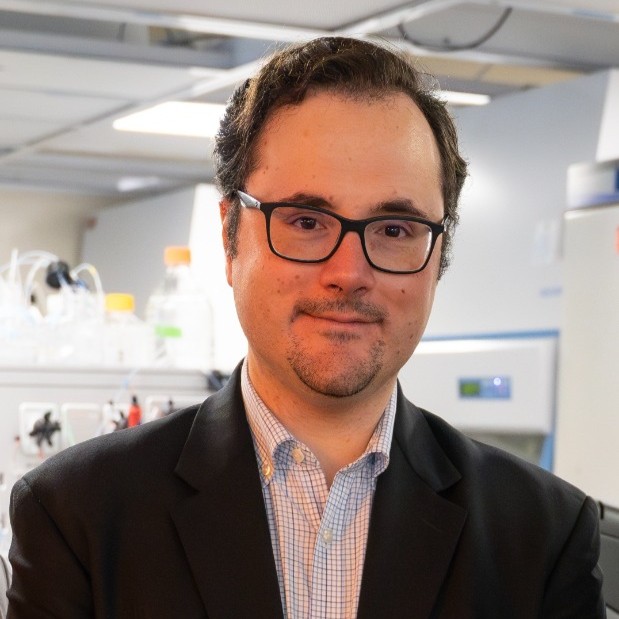
Dr Stefano Menegatti
Chief Scientific Officer at ChromaGenix | Professor at North Carolina State University

Dr Stefano Menegatti is a Professor and University Faculty Scholar in the Department of Chemical and Biomolecular Engineering at North Carolina State University and Chief Scientific Officer at ChromaGenix. A recognized leader in bioseparations and biomanufacturing, his research focuses on advanced purification processes and analytical technologies for biological therapeutics, including proteins, viral vectors, and cells. 

He is also a co-founder of the North Carolina Viral Vector Initiative in Research and Learning (NC-VVIRAL). His contributions to biomanufacturing have been recognized with honors including the NSF CAREER Award, ALCOA Foundation Research Achievement Award, Goodnight Early Career Innovator Award, and 2025 ACS BIOT Young Investigator Award. Dr Menegatti holds a PhD in Chemical Engineering from NC State and BSc and MSc degrees in Chemical Engineering from the University of Bologna.

Dr Romas Skudas
Dr Romas Skudas
R&D Director, Chromatography at Merck Life Science KGaA

Romas Skudas is an R&D Director in Life Science, specializing in chromatography and downstream bioprocessing technologies for the purification of biologics. Based in Darmstadt, Germany, he leads research and innovation activities focused on next-generation chromatography media, affinity ligands, membrane technologies, and advanced purification solutions for antibodies, viral vectors, and other emerging therapeutic modalities. 

Throughout his career, Romas has combined scientific expertise with a strong focus on translating innovation into commercially relevant products. He has led multidisciplinary and international teams working across protein engineering, polymer and surface chemistry, analytical development, and bioprocess applications. His recent work includes the development of novel affinity chromatography platforms for adeno-associated viruses, next-generation Protein A and Protein L technologies, and the integration of newly acquired chromatography technologies into a broader innovation portfolio. 

Romas is particularly passionate about accelerating innovation through close collaboration between R&D, customers, academic partners, and external technology companies. He advocates rapid experimentation, early customer validation, and strong scientific ownership within project teams. 

His long-term professional focus is the development of high-capacity, highly stable, sustainable purification platforms that enable more efficient and economical manufacturing of advanced biopharmaceuticals. 

Dr Thomas Villiger, EMBA
Head Bioprocess Technology at Institute for Pharma Technology and Biotechnology

Thomas Villiger is Professor of Bioprocess Technology at the University of Applied Sciences and Arts Northwestern Switzerland (FHNW). He completed his Master's and PhD degrees at the Institute for Chemical and Bioengineering at ETH Zurich. Prior to returning to academia, he spent more than a decade in the biopharmaceutical industry, working in development and manufacturing roles at several large pharmaceutical companies. 

His current research focuses on new modalities such as AAV-based gene therapies, applying engineering and model-based approaches to accelerate the development of next-generation biotherapeutics. The focus of his research group is product quality and control strategies, continuous and intensified bioprocessing, and process analytical technology (PAT), bridging the gap between advanced manufacturing concepts and robust, quality-driven implementation throughout the product lifecycle.