“Our broader goal is to make cell and gene therapy development more like modern drug development: modular, scalable, and adaptable.”
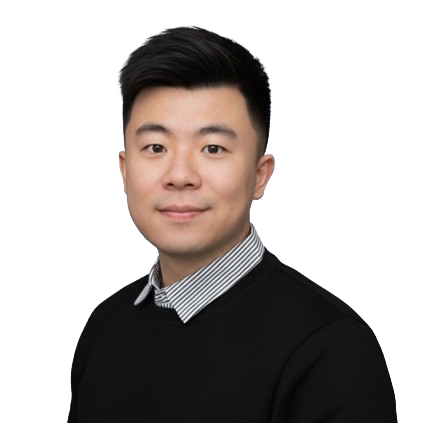
Bowen Li, GSK Chair Professor in Drug Delivery & Pharmaceutics and Research Chair in RNA Vaccine & Therapeutics, University of Toronto, speaks with Abi Pinchbeck, Editor, Cell & Gene Therapy Insights , about how his lab is using AI guided delivery design and machine learning to develop programmable lipid nanoparticles for non-viral nucleic acid delivery for cell and gene therapy applications.
Bowen Li’s research focuses on making nucleic acid medicines programmable across different tissues using AI-guided delivery design. His lab addresses key challenges in non-viral gene editing delivery, including improving efficiency, safety, and repeat dosing, while developing lipid nanoparticles (LNPs) tailored to specific tissues and complex gene-editing cargos. By combining machine learning, high-throughput in vivo screening, and programmable RNA systems, the team aims to shift nanoparticle development from trial- and -error approaches toward predictive engineering and ultimately establish non-viral delivery as a scalable platform for cell and gene therapies.