
Industry Insights: Expanding access across the field, from pediatric approvals to the first solid tumor CAR‑T
Cell and Gene Therapy Insights 2026; 12(6), 723–728
10.18609/cgti.2026.086
July 2026 saw the field push access outward on multiple fronts, from the first FDA approval of a genetic therapy for children as young as 2 years (Vertex’s CASGEVY) to the first international patient treated with satri‑cel, the first CAR‑T therapy approved anywhere for a solid tumor. Regulatory momentum extended across in vivo CAR‑T, allogeneic transplant, and solid tumor cell therapy, while ARPA‑H committed up to $160 million to scalable in vivo gene editing for rare diseases. Alongside these milestones, new partnerships, a €33 million financing, and first patient dosings in pivotal trials for Gaucher disease type 1 and diabetic retinopathy signaled continued investment across the manufacturing, clinical, and commercial landscape.
In this issue:
Collaborations & Partnerships Regulatory Changes & Updates Market Trends Research & Development Highlights Clinical Trials & Research
COLLABORATIONS & PARTNERSHIPS |
Broad Institute, Boston Children’s Hospital, and The Jackson Laboratory launched the Center for Therapeutic Genetics [1]
The Broad Institute, Boston Children’s Hospital, and The Jackson Laboratory launched the Center for Therapeutic Genetics (CTG), a nonprofit collaboration developing genetic medicines, including base and prime editing, for rare and ultra‑rare diseases. CTG aims to treat rare disease as a repeatable clinical practice rather than as one‑off cases, sharing design tools, disease models, manufacturing processes, safety data, and clinical protocols across programs. Founders include base and prime editing inventor David Liu, alongside collaborators from the three institutions. Initial programs include precision gene‑editing treatments for children with rare genetic epilepsies, supported by an award of up to $34.5M from the ARPA‑H THRIVE program. The center plans to add institutions and partners and to work with the US FDA, HHS, and CMS on suitable regulatory frameworks.
 |
Broad Institute, Boston Children’s Hospital, and The Jackson Laboratory launched the Center for Therapeutic Genetics; Collaborations and Partnerships. Credit: www.broadinstitute.org |
Ocugen signed a binding term sheet to license OCU400 gene therapy for retinitis pigmentosa across the Middle East and North Africa [2]
Ocugen signed a binding term sheet with Roots Pharmaceutical and its partner Al‑Dhow International Holding for exclusive rights to OCU400, its modifier gene therapy for retinitis pigmentosa (RP), across the Middle East and North Africa (MENA) region. Under the anticipated license agreement, Ocugen would receive upfront and near‑term development milestones totaling up to $4M, sales milestones of up to $255M, and a 22% royalty on net sales, while manufacturing and supplying commercial product. RP is a leading cause of inherited vision loss with notable prevalence across the region. A definitive agreement is expected within 90 days. Ocugen continues to advance OCU400 in its Phase 3 liMeliGhT trial, with a topline readout expected in the first quarter of 2027 and a Biologics License Application to follow.
REGULATORY CHANGES & UPDATES |
Umoja Biopharma received US FDA clearance of its IND application for an in vivo CAR‑T candidate [3]
The FDA cleared Umoja Biopharma’s Investigational New Drug (IND) application for UB‑VV400, a CD22‑directed in vivo CAR‑T cell therapy for adults with relapsed/refractory B cell malignancies. The candidate is the company’s second program based on its VivoVec platform, which generates CAR‑T cells in vivo. The open‑label Phase 1/2 VIBRANT‑1 study will evaluate safety, tolerability, pharmacokinetics, pharmacodynamics, and preliminary antitumor activity of UB‑VV400 administered with rapamycin, including in patients who have progressed after prior CAR‑T treatment. The first patient is expected to be dosed in the third quarter of 2026. Initial data from an investigator‑initiated trial in China is anticipated at a medical meeting in the second half of 2026.
 |
Umoja Biopharma received US FDA clearance of its IND application for an in vivo CAR‑T candidate; Regulatory Changes and Updates. Credit: wikimedia |
US FDA approved Orca Bio’s Orca‑T for blood cancers with reduced transplant complications [4]
The FDA approved Orca Bio’s Orca‑T (brand name Tregzi) for certain blood cancers, including acute myeloid leukemia, acute lymphoblastic leukemia, and myelodysplastic syndromes. Orca‑T is an allogeneic cell therapy that reconstitutes a patient’s blood and immune system using blood‑forming and immune cells from a matched donor, while aiming to reduce complications of conventional donor stem cell transplants. Approval was based on a late‑stage trial in which 78% of Orca‑T recipients achieved chronic graft‑versus‑host disease (GvHD)‑free survival at 1 year, compared with 38% of those receiving a conventional transplant. The company reported a wholesaler acquisition cost of $428,000 and expects the therapy to be available for orders by the end of July.
CoRegen received US FDA clearance to advance CRG‑150 into Phase 1/2a solid tumor trials [5]
The FDA cleared CoRegen’s Investigational New Drug (IND) application for CRG‑150, an adoptive cell therapy that acts as a master gene regulator affecting multiple immune checkpoint targets, including PD‑1, PD‑L1, CTLA‑4, LAG3, and CCR4. The approach targets steroid receptor coactivator 3 (SRC‑3), a gene implicated in cancer immune evasion; disrupting SRC‑3 impairs the tumor‑protective function of regulatory T cells and, in preclinical mouse models, produced complete tumor eradication without systemic autoimmunity. The first‑in‑human Phase 1/2a study will enroll patients with metastatic triple‑negative breast cancer, HR+ HER2− breast cancer, and prostate cancer to assess safety, tolerability, cellular kinetics, and antitumor activity. CoRegen has partnered with Lonza for manufacturing and plans to begin the trial this year.
US FDA approved expanded use of CASGEVY in patients aged 2 years and older with sickle cell disease or beta thalassemia [6]
The FDA approved expanded use of Vertex Pharmaceuticals’ CASGEVY (exagamglogene autotemcel) for patients aged 2 years and older with either sickle cell disease with recurrent vaso‑occlusive crises or transfusion‑dependent beta thalassemia. CASGEVY is the first approved genetic therapy indicated for children as young as 2 years for both conditions, extending the prior approval in people 12 years and older. Vertex estimates approximately 5,500 additional children in the US are now eligible for the one‑time therapy. Regulatory review of the label expansion is underway in Saudi Arabia and the UK. The company has established more than 75 activated authorized treatment centers across the US to deliver the therapy through existing access and reimbursement pathways.
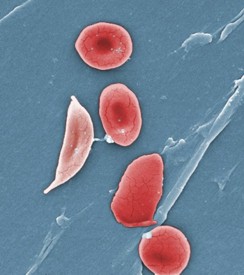 |
US FDA approved expanded use of CASGEVY in patients aged 2 years and older with sickle cell disease or beta thalassemia; Regulatory Changes and Updates. Credit: CDC/ Sickle Cell Foundation of Georgia: Jackie George, Beverly Sinclair. |
MARKET TRENDS |
Prime Medicine resolved its arbitration with Beam Therapeutics, retaining rights to prime editing candidate PM647 [7]
An arbitration tribunal ruled that PM647, Prime Medicine’s investigational Prime Editing candidate for alpha‑1 antitrypsin deficiency (AATD), falls within the company’s defined ‘Field’ under its 2019 collaboration and license agreement with Beam Therapeutics, confirming Prime Medicine’s right to develop and commercialize the therapy. The binding decision found no breach and awarded no monetary damages to Beam. PM647 uses a universal liver lipid nanoparticle to correct the E342K (Pi*Z) mutation in SERPINA1; in humanized mouse models it restored corrected M‑AAT protein into the healthy human range at clinically relevant doses. Prime Medicine plans to submit an IND and/or clinical trial application filing in the third quarter of 2026, with initial clinical data expected in 2027.
ARPA‑H awarded up to $160M for in vivo precision genetic medicines targeting rare genetic diseases [8]
The Advanced Research Projects Agency for Health (ARPA‑H), part of the US Department of Health and Human Services, named performer teams for its Treating Hereditary Rare Diseases with In Vivo Precision Genetic Medicines (THRIVE) program, committing up to $160M over five years. THRIVE aims to develop integrated platform technologies that produce multiple gene‑editing drug products with common biodistribution and toxicology profiles, enabling umbrella clinical trials that test several products and disease phenotypes together. Selected teams are led by the Children’s Hospital of Philadelphia, UC Berkeley’s Innovative Genomics Institute, St. Jude Children’s Research Hospital, the Broad Institute, GEMMABio, Massachusetts General Hospital, and Stanford University, targeting indications spanning metabolic, hematological, immune, bone marrow failure, epilepsy, and skin diseases. Awards are contingent on meeting accelerated milestones.
 |
ARPA‑H awarded up to $160M for in vivo precision genetic medicines targeting rare genetic diseases; Market Trends. Credit: pixabay. |
EG 427 rebranded as Cyllene Therapeutics and raised €33M in Series C financing [9]
EG 427 closed a €33M Series C financing and rebranded as Cyllene Therapeutics. The round was co‑led by new investors GordonMD Global Investments and M Ventures, with participation from existing investors including Andera Partners, Bpifrance, and Lamond Ventures. Proceeds will support clinical development of EG110A, the company’s lead precision genetic medicine candidate for neuro‑urology, beginning with neurogenic detrusor overactivity, and expansion of its HERMES non‑replicating herpes simplex virus type 1 platform for targeted delivery of therapeutic DNA. The company reported that EG110A produced substantial, sustained reductions in urinary incontinence episodes 9 months after treatment in patients with neurogenic detrusor overactivity associated with spinal cord injury. Cyllene plans to initiate a Phase 2b/3 study in 2027 and to expand into indications including overactive bladder.
First international patient began treatment with satri‑cel, the first approved solid tumor CAR‑T therapy [10]
Jiahui International Cancer Center (JICC) in Shanghai began treating the first international patient with satri‑cel, described as the first CAR‑T therapy approved anywhere for a solid tumor, following its recent approval in China. The patient, a 59‑year‑old from New Zealand with advanced gastroduodenal cancer whose options had narrowed after conventional treatment, was deemed eligible after biomarker testing confirmed Claudin 18.2 positivity and HER2 negativity. Satri‑cel is currently available only in China. The patient completed leukapheresis, and manufactured CAR‑T cells are scheduled for reinfusion in the coming weeks. JICC said it increasingly serves as a gateway for international patients seeking cellular therapies developed in China.
RESEARCH & DEVELOPMENT HIGHLIGHTS |
Voyager Therapeutics presented 6‑month preclinical toxicology data for tau‑targeting gene therapy VY1706 [11]
Voyager Therapeutics presented 6‑month GLP toxicology data for VY1706, an investigational AAV gene therapy targeting intracellular and extracellular tau for Alzheimer’s disease, in a late‑breaking poster at the Alzheimer’s Association International Conference. In non‑human primates, a single intravenous dose was well tolerated up to the highest dose tested (5 × 10¹³ vg/kg), with no adverse clinical pathology or histopathology in the central nervous system, dorsal root ganglia, or peripheral organs. The dose produced dose‑dependent central nervous system delivery, lowering MAPT mRNA and tau protein by up to 75% in key brain regions over 6 months. VY1706 crosses the blood–brain barrier via the ALPL receptor. The FDA cleared its IND in June, with dosing in early Alzheimer’s disease expected in the second half of 2026.
CLINICAL TRIALS & RESEARCH |
Fate Therapeutics reported early Phase 1 data for off‑the‑shelf CAR‑T therapy in systemic sclerosis [12]
FT819 is an allogeneic, induced pluripotent stem cell (iPSC)‑derived anti‑CD19 CAR‑T therapy designed to deplete autoreactive B cells, with a T cell receptor alpha constant locus knockout to prevent graft‑versus‑host disease (GvHD). At the International Society for Stem Cell Research meeting, Fate presented data from four patients with treatment‑resistant systemic sclerosis, drawn from an ongoing Phase 1 basket trial that has treated 30 patients across autoimmune indications. Following minimal lymphodepletion, all four showed improvement in modified Rodnan skin score as early as 3 months, with no cytokine release syndrome, immune effector cell‑associated neurotoxicity syndrome, or GvHD. Three were dosed as outpatients or discharged within 24 h. Fate said the data support further autoimmune development.
MEDIPOST treated the first US participant in a Phase 3 trial of cord blood‑derived stem cell therapy for knee osteoarthritis [13]
MEDIPOST treated the first US participant in a Phase 3 trial of its investigational allogeneic mesenchymal stem cell (MSC) therapy, derived from umbilical cord blood, for symptomatic cartilage defects in adults with knee osteoarthritis. The FDA has agreed that this single pivotal study, supported by confirmatory evidence from prior Phase 3 trials in South Korea and Japan alongside Korean real‑world data, can support a planned US Biologics License Application. The trial is enrolling adults aged 18–75 with knee cartilage lesions and osteoarthritis to evaluate the therapy’s clinical efficacy in a population whose options currently fall between palliative care and total knee replacement. Knee osteoarthritis affects more than 32 million US adults.
 |
MEDIPOST treated the first US participant in a Phase 3 trial of cord blood‑derived stem cell therapy for knee osteoarthritis; Clinical Trials and Research. Credit: pexels.com. |
Axiom Biosciences reported positive Phase 1 results for a stem cell therapy in newborns with severe brain injury [14]
Axiom Biosciences reported positive Phase 1 results for its investigational Wharton’s Jelly‑derived mesenchymal stem cell (WJ‑MSC) therapy, co‑developed with Medinno, for neonatal brain injury. The conditioned cells are administered directly into the central nervous system to treat intraventricular hemorrhage (IVH) and hypoxic‑ischemic encephalopathy (HIE). The dose‑escalation study enrolled nine newborns (five with severe IVH, four with HIE) and reported 0% mortality at 12 months, versus an approximately 46% historical natural mortality rate for severe IVH, with no treatment‑related serious adverse events. Cognitive and motor improvements were observed at 24 months. In 2023 the therapy received FDA Rare Pediatric Disease Designations for both indications. Axiom plans to advance into Phase 2 and evaluate expansion into adult ischemic stroke.
Spur Therapeutics dosed the first patient in the Phase 3 GALILEO‑3 trial of a gene therapy for Gaucher disease type 1 [15]
Spur Therapeutics dosed the first patient in GALILEO‑3, a Phase 3 pivotal trial of avigbagene parvec (FLT201), an investigational AAV gene therapy for Gaucher disease type 1 (GD1). FLT201 uses a proprietary liver‑tropic capsid to deliver an engineered beta‑glucocerebrosidase (GCase85), providing continuous enzyme exposure intended to overcome limitations of chronic enzyme replacement or substrate reduction therapy. The open‑label, non‑randomized, multicenter study will enroll approximately 45 adults stable on standard‑of‑care therapy for at least 2 years, each receiving a single intravenous infusion (4.5 × 10¹¹ vg/kg) with prophylactic immunosuppression. The primary endpoint is the proportion maintaining stable hemoglobin at Week 52. FLT201 holds Orphan Drug and regenerative medicine advanced therapy (RMAT) designations from the FDA.
REGENXBIO dosed the first patient in the Phase 2b/3 NAAVIGATE trial of surabgene lomparvovec in diabetic retinopathy [16]
REGENXBIO dosed the first patient in NAAVIGATE, a Phase 2b/3 trial of investigational surabgene lomparvovec (sura‑vec, ABBV‑RGX‑314), an AAV gene therapy delivered suprachoroidally for diabetic retinopathy (DR). The milestone triggers a $100M payment from AbbVie. The multicenter, randomized, masked, sham‑controlled study evaluates sura‑vec in patients with non‑proliferative DR without center‑involved diabetic macular edema; subjects receive 1.0 × 10¹² genome copies/eye plus short‑course topical prophylactic steroids. The primary endpoint is a two‑step or greater improvement on the diabetic retinopathy severity scale at 1 year, with the Phase 2b portion enrolling approximately 135 US participants. REGENXBIO plans to present 2.5‑year ALTITUDE follow‑up data and 5‑year wet age‑related macular degeneration data at the ASRS 2026 meeting.

References
1. The Jackson Laboratory. Broad Institute, Boston Children’s Hospital, and The Jackson Laboratory launch the Center for Therapeutic Genetics. Jul 21, 2026.
2. Ocugen, Inc.. Ocugen, Inc. announces binding term sheet with Roots Pharmaceutical to license OCU400 modifier gene therapy for retinitis pigmentosa in the Middle East and North Africa. Jul 13, 2026.
3. Umoja Biopharma. Umoja Biopharma announces FDA clearance of IND application for UB‑VV400, the industry’s first known CD22‑directed in vivo CAR‑T cell therapy for relapsed/refractory B cell malignancies. Jul 16, 2026.
4. Reuters. FDA clears Orca’s blood cancer therapy to reduce stem cell transplant complications. Jun 30, 2026.
5. CoRegen, Inc.. CoRegen, Inc. receives FDA clearance to advance CRG‑150 into Phase 1/2a clinical trials, pioneering a new frontier in cell therapy for multiple solid tumor types. Jul 7, 2026.
6. Vertex Pharmaceuticals. Vertex announces US FDA approval for expanded use of CASGEVY for the treatment of people ages 2 years and older with sickle cell disease or transfusion‑dependent beta thalassemia. Jul 1, 2026.
7. Prime Medicine, Inc.. Prime Medicine announces positive resolution to arbitration with Beam Therapeutics. Jul 8, 2026.
8. ARPA‑H. ARPA‑H awards to advance personalized curative medicines for rare genetic diseases. Jul 9, 2026.
9. Cyllene Therapeutics. Cyllene Therapeutics (formerly known as EG 427) raises €33 million Series C financing to advance clinical development of EG110A and pipeline expansion. Jul 7, 2026.
10. Jiahui International Cancer Center (PR Newswire). World’s first international patient begins treatment with newly approved solid tumor CAR‑T therapy at Jiahui International Cancer Center. Jul 6, 2026.
11. Voyager Therapeutics, Inc.. Voyager demonstrates single IV dose of VY1706 well tolerated. Jul 13, 2026.
12. Fate Therapeutics. Emerging data with FT819 in systemic sclerosis (presented at ISSCR 2026). Jul 8, 2026.
13. MEDIPOST Inc. (Business Wire). MEDIPOST Inc. treats first U.S. participant in Phase 3 trial of umbilical cord stem cell therapy for symptomatic cartilage defects due to knee osteoarthritis. Jul 8, 2026.
14. Axiom Biosciences. Axiom Biosciences reports positive Phase 1 results for investigational stem cell therapy in newborns with severe brain injury. Jul 14, 2026.
15. Spur Therapeutics. Spur Therapeutics announces first patient dosed in GALILEO‑3 pivotal clinical trial of FLT201 for the treatment of Gaucher disease type 1. Jul 7, 2026.
16. REGENXBIO Inc.. REGENXBIO announces first patient dosed in Phase IIb/III NAAVIGATE trial of surabgene lomparvovec in diabetic retinopathy; company to receive $100 million milestone. Jun 29, 2026.