
Editor’s picks: exploring in vivo cell and gene therapies
Cell & Gene Therapy Insights 2026; 12(2)
DOI: 10.18609/cgti.2026.027
In vivo cell and gene therapies are entering a defining phase of development. From single-dose genome editing treatments to emerging approaches that engineer immune cells directly in the body, the field is rapidly expanding beyond its original technical boundaries. At the same time, significant scientific and translational questions remain. Delivery precision, safety evaluation, manufacturing scalability, and clinical trial design continue to shape how quickly these therapies can move from experimental promise to routine clinical use.
To explore these challenges and opportunities, we have curated a selection of interviews with scientists and industry leaders working at the forefront of in vivo innovation. Together, they offer differing perspectives on the technologies, clinical strategies, and global ecosystems shaping the next generation of cell and gene therapies.
Interview FROM CRISPR TO dna WRITING: EXPANDING THE GENE EDITING TOOLBOX | |
Laura Sepp-Lorenzino, Scientific Advisor, Former CSO of Intellia Therapeutics, Inc. Sepp-Lorenzino reflects on the rapid clinical translation of in vivo CRISPR therapies, including durable Phase 3 data emerging from LNP-delivered genome editing programs. She also discusses the expanding gene editing toolkit, from base editing to DNA writing, and the delivery advances that may enable genome engineering beyond the liver. “I believe that ex vivo HSC editing will eventually be superseded by in vivo approaches targeting HSCs directly in the bone marrow.” |  |
Interview VECTOR VISION: ADVANCING VIRAL DESIGN, ai-drIVEN PRECISION, AND GLOBAL ACCESS IN GENE THERAPY | |
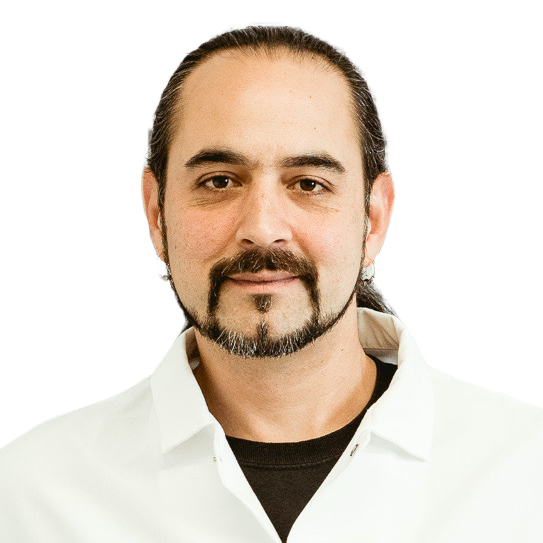
| Semih Tareen, Consultant and former Executive Director, Sana Biotechnology Tareen explores how advances in viral vector engineering and AI-guided tropism design could accelerate the shift toward in vivo gene delivery, particularly in CAR-T cell therapies. If successful, these approaches could significantly expand the reach and scalability of gene therapy beyond traditional ex vivo manufacturing. “In vivo is the big win here. If we can demonstrate that in vivo delivery works safely and effectively – as early trials such as Interius in Australia are beginning to show – it could open up a new era.” |
Interview The next frontier of in vivo CAR-T | |
Shon Green, Cofounder and CSO, Zelig Therapeutics Inc. Green explores the scientific and translational questions shaping the first wave of in vivo CAR-T development, from the limits of preclinical models and first-in-human dose modelling to the complex CMC landscape. She argues that future immune engineering platforms will move beyond simple CAR delivery, enabling programmable genetic modifications tailored to specific diseases. “In the next 5 years, we will learn a lot about how integrating and transient in vivo CAR engineering approaches work in the clinic and see a surge in additional technologies to enhance efficacy and safety.” |  |
Interview LEAPING FORWARD: HOW CHINA'S BIOTECH EVOLUTION IS CAPTURING THE IN VIVO CAR-T FRONTIER | |
| Zhenghong Gao, Co-founder and COO of Uni-Pioneers Bio-Med, Inc. Gao examines how China’s rapidly evolving biotech ecosystem is accelerating progress in in vivo CAR-T development. The discussion highlights structural differences and complementarities between Chinese and Western innovation models, key technological and manufacturing challenges in delivery platforms, and the role of regulatory agility and evolving funding structures. “In vivo CAR-T represents a highly attractive and rational approach to developing best-in-class – and potentially even first-in-class – therapies that can overcome many of the limitations of ex vivo CAR-T” |

Together, these interviews illustrate the breadth of innovation shaping the in vivo cell and gene therapy landscape, from genome editing and CNS gene delivery to programmable immune engineering and emerging global development models.
Explore the full interviews to hear directly from the scientists and innovators driving the next phase of in vivo cell and gene therapy development.