
Industry Insights: From approvals to acquisitions, a month in bioconjugates
Bioconjugate Insights 2026; 1(6), 239–253
DOI:10.18609/bci.2026.027
July through August saw a familiar pattern in the bioconjugate field with consolidation around a handful of validated targets alongside genuine divergence in the chemistry used to reach them. Nectin-4, B7-H3, DLL3, and Trop2 continued to attract multiple programs each, with companies increasingly differentiating not by antigen but by construct – varying DAR, linker stability, epitope selection, and payload class to address the therapeutic-window limitations that have constrained earlier candidates against the same targets. Bispecific ADCs and dual-antigen AND-gate architectures advanced on the same logic, using targeting selectivity rather than payload potency to widen the margin between tumor and normal tissue. In this issue: Collaborations, Acquisitions & Partnerships Regulatory Changes & Updates Market Trends Research & Development Highlights Clinical Trials & Research Tools & Technologies Conferences, Events & Publications |
COLLABORATIONS, ACQUISITIONS & PARTNERSHIPS |
Pathos AI licensed a Trop2 and HER3 bispecific ADC from Alphamab [1]
Pathos AI licensed exclusive rights to research, develop, manufacture, and commercialize JSKN016 outside mainland China, Hong Kong, Macau, and Taiwan from Jiangsu Alphamab Biopharmaceuticals, which retains those territories. Alphamab receives a non-refundable upfront payment of $125 million, development and commercialization milestones totaling up to $2,093 million, and tiered royalties from high-single-digit to low-double-digit percentages of annual net sales. JSKN016 is a bispecific ADC targeting Trop2 and HER3, built on single-domain and bispecific antibody platforms and conjugated by site-specific glycosylation to a homogeneous DAR of 4, releasing Topo-1 inhibitor payload after internalization. A Phase 3 study in triple-negative breast cancer (TNBC) is ongoing.
Fujifilm and Taiho Pharmaceutical partnered on manufacturing technologies for next-generation ADCs [2]
Fujifilm and Taiho Pharmaceutical entered a strategic partnership to develop manufacturing technologies for ADCs. The companies will optimize processes for Taiho candidates built on AraLinQ, a proprietary platform from Taiho subsidiary Araris Biotech enabling selective and homogeneous conjugation of payloads to antibodies. The agreement pairs Taiho’s ADC discovery capability with Fujifilm’s process development and manufacturing experience from its biologics contract development and manufacturing organization business. Group company FUJIFILM Toyama Chemical plans to launch an integrated ADC contract service in Japan in 2027, covering antibody production, conjugation, and drug product manufacturing.
miRecule and Rio Biofarma Brasil agreed to co-develop peptide conjugates for extrahepatic delivery of RNA therapeutics [3]
miRecule entered a research collaboration with Rio Biofarma Brasil, part of EMS, to co-develop peptide–RNA conjugates for delivering RNA therapeutics to extrahepatic tissues. The agreement pairs miRecule’s NAVIgGator platform for RNA medicine design with Rio Biofarma’s peptide discovery, development, and manufacturing capability. miRecule will develop oligonucleotide payloads for up to three targets, with Rio Biofarma manufacturing resulting products in Brazil. Technology developed under the agreement will be co-owned, with opportunities for co-development in global markets. Rio Biofarma has also taken an equity stake in miRecule. Financial terms were not disclosed.

miRecule and Rio Biofarma Brasil agreed to co-develop peptide conjugates for extrahepatic delivery of RNA therapeutics; Collaborations, acquisitions & partnerships. Credit: iStock
Johnson & Johnson completed its acquisition of degrader antibody conjugate developer, Firefly Bio [4]
Johnson & Johnson completed its acquisition of Firefly Bio for $1 billion in cash. Firefly Bio develops the Firelink degrader antibody conjugate platform, designed to deliver selective protein degraders to cancer cells while sparing healthy tissue. The acquisition expands Johnson & Johnson’s oncology portfolio toward difficult-to-treat solid tumors, including KRAS-driven cancers. The transaction is accounted for as an asset acquisition, producing an in-process research and development charge of approximately $1 billion in the third quarter of 2026, and is expected to dilute adjusted earnings per share by around $0.46 in 2026 and $0.08 in 2027.
Samsung Bioepis licensed exclusive commercial rights to a Nectin-4-targeted ADC from IntoCell [5]
Samsung Bioepis entered a commercial license agreement with IntoCell for SBE303, securing exclusive commercial rights to the candidate. SBE303 is Samsung Bioepis’ first novel ADC, combining an anti-Nectin-4 antibody with a Topo-1 inhibitor payload via a proprietary linker developed by IntoCell, and is engineered to widen the therapeutic window relative to existing Nectin-4 ADCs, which the companies note are constrained by a narrow therapeutic index and dose-limiting toxicities. It is in an open-label, multicenter, first-in-human Phase 1 trial in advanced refractory solid tumors. The agreement builds on a December 2023 research collaboration covering up to five ADC candidates.
Engitix licensed antibody–drug conjugate technologies from Lonza for a single target [6]
Lonza and Engitix signed a licensing agreement giving Engitix access to Lonza’s ADC technology platform under a single-target license, covering the SYNtecan E linker-payload alongside the GlycoConnect and HydraSpace technologies. Engitix will apply these to targets identified through its proprietary human extracellular matrix discovery platform, which examines disease biology in human tissue and focuses on targets within the matrix rather than cell surface antigens. Engitix is responsible for research, development, manufacturing, and commercialization of resulting ADCs; Lonza will manufacture components relating to its proprietary technologies and is eligible for undisclosed upfront, clinical, regulatory, and commercial milestone payments plus royalties.
Akari Therapeutics and Whitehawk Therapeutics agreed preclinical collaboration on dual-payload ADCs [7]
Akari Therapeutics entered a research collaboration with Whitehawk Therapeutics to evaluate Akari’s proprietary PH1 spliceosome-modulating payload alongside Whitehawk’s Topo-1 inhibitor ADC platform. The preclinical program comprises multiple workstreams assessing dual-payload compatibility and potential synergies, with Akari leading study design, execution, and evaluation. Data are intended to inform future development decisions and any broader collaboration between the companies. Akari develops ADCs carrying RNA splicing modulator payloads, a mechanistic class distinct from established cytotoxic payloads. Work is expected to begin immediately, with interim updates as studies progress; the companies will jointly review results before deciding on further development.
Biohaven and Regeneron entered a clinical supply agreement to test an FGFR3-directed ADC with a checkpoint inhibitor [8]
Biohaven entered a clinical supply agreement with Regeneron Pharmaceuticals to evaluate BHV-1530, its FGFR3-directed ADC, in combination with cemiplimab in patients with solid tumors. BHV-1530 carries Biohaven’s proprietary Topo-1 payload, TopoIx, which the company reports generates immunogenic cell death and stimulates an antitumor immune response, providing the rationale for combination with checkpoint blockade. The agreement extends an existing clinical supply arrangement between the two companies covering BHV-1510, a next-generation TROP2-directed ADC. Biohaven plans to initiate anti-PD-1 combination cohorts, including the cemiplimab combination, in the second half of 2026.

Biohaven and Regeneron entered a clinical supply agreement to test an FGFR3-directed ADC with a checkpoint inhibitor; Collaborations, acquisitions & partnerships. Credit: iStock
REGULATORY CHANGES & UPDATES |
Sanofi received European approval to extend the indication for its meningococcal conjugate vaccine to infants [9]
The European Commission approved an extension of the indication for Sanofi’s MenQuadfi, a meningococcal group A, C, W and Y conjugate vaccine, to include infants from 6 weeks of age. It was previously approved in the European Union for those aged 12 months and older. The extension follows a positive opinion adopted on June 25, 2026, and is supported by the MET58 pivotal study, which assessed immunogenicity, safety, and tolerability in infants from 6 weeks. Approved regimens include a two-dose primary series with a booster in the second year of life.
Adlai Nortye received Australian clearance to begin clinical testing of its RAS inhibitor conjugated antibody [10]
Adlai Nortye submitted a clinical trial notification to Australia’s Therapeutic Goods Administration and received ethics approval to begin a Phase 1 trial of AN4035 in CEACAM5-enriched, RAS-addicted solid tumors. AN4035 pairs a CEACAM5-targeting antibody with a pan-RAS(ON) inhibitor payload, the first candidate from the company’s RASiCA conjugation platform. The company reports it is the first pan-RAS(ON) ADC to enter clinical development, an approach intended to localize RAS pathway inhibition to tumor tissue and limit systemic exposure. The trial will assess monotherapy and combination with cetuximab. Applications are also being filed with the US FDA and China’s regulator, with dosing expected in the second half of 2026.
Zai Lab received orphan drug designation for its DLL3-targeted ADC in neuroendocrine carcinomas [11]
The US FDA granted orphan drug designation to Zai Lab’s zocilurtatug pelitecan (formerly ZL-1310), a DLL3-targeting ADC, for neuroendocrine carcinomas. DLL3 is overexpressed in many neuroendocrine carcinomas, including SCLC and extrapulmonary forms, and no approved standard of care exists for previously treated patients. The candidate already holds Fast Track designation for extrapulmonary neuroendocrine carcinomas, together with Fast Track and orphan drug designations for SCLC, and orphan drug designation from the EMA for pulmonary disease. Zai Lab plans three registration-enabling studies by end-2026.
Henlius received Chinese clearance to test its PD-L1-targeted ADC with an antiangiogenic agent [12]
China’s National Medical Products Administration (NMPA) approved Henlius’ investigational new drug (IND) application for HLX43, a PD-L1-targeting ADC, in combination with bevacizumab with or without chemotherapy in advanced or metastatic solid tumors. HLX43 combines immune checkpoint blockade with payload-mediated cytotoxicity in a single molecule. The company cites established synergy between PD-(L)1 inhibitors and anti-VEGF agents, which reverse VEGF-mediated immunosuppression and promote T cell infiltration, as rationale for the combination. Henlius has initiated more than ten clinical studies of HLX43 as monotherapy or in combination across solid tumors, enrolling over 1,000 patients globally.
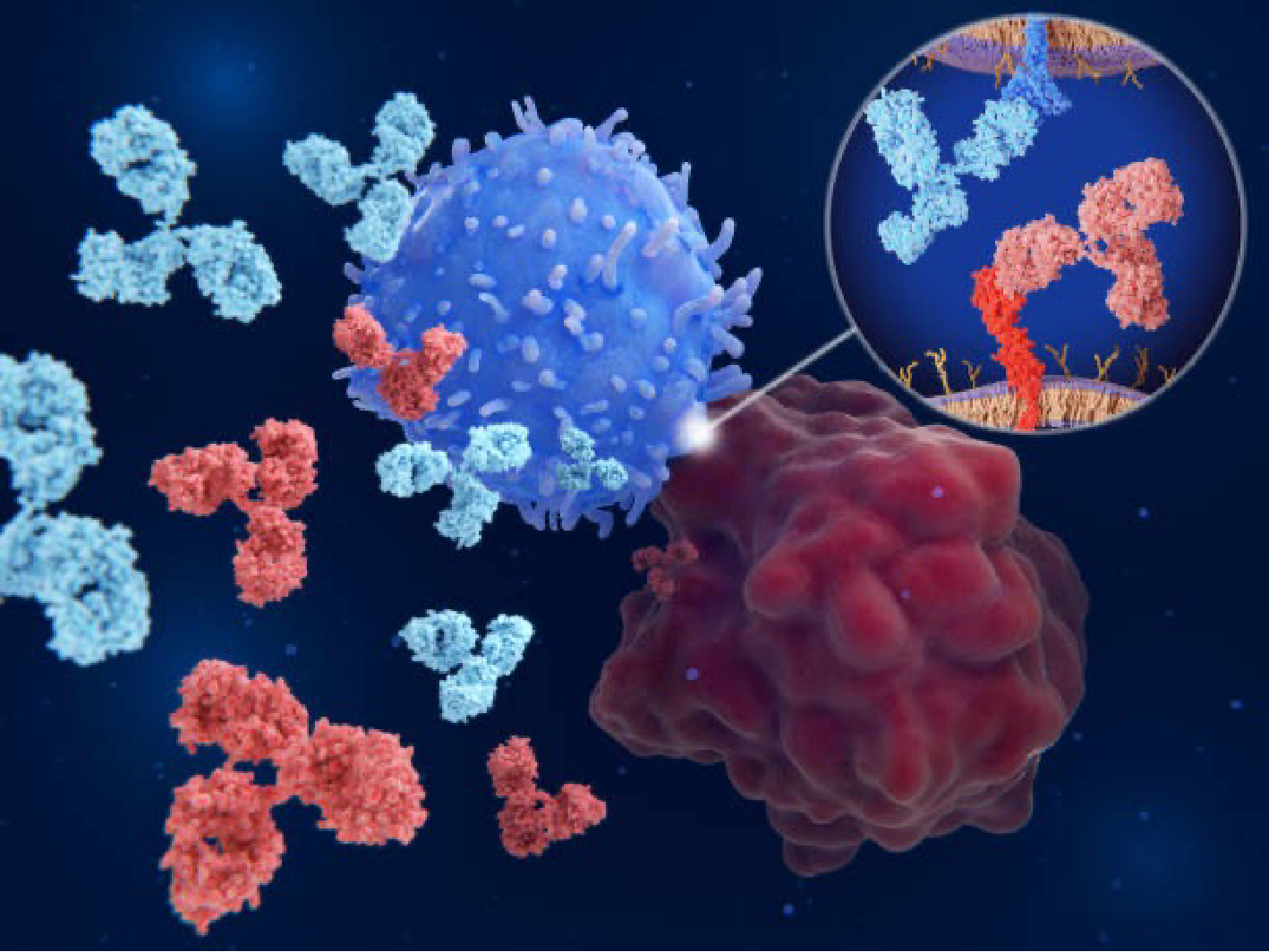
Henlius received Chinese clearance to test its PD-L1-targeted ADC with an antiangiogenic agent; Regulatory changes & updates. Credit: iStock
Ractigen Therapeutics received clearance to begin clinical testing of a conjugated small activating RNA in an ocular disorder [13]
The US FDA cleared Ractigen Therapeutics’ IND application for RAG-1C in proliferative vitreoretinopathy, a fibrotic complication of retinal detachment repair with no approved pharmacological treatment. RAG-1C uses the company’s LiCO lipid-conjugated oligonucleotide platform, a non-lipid nanoparticle delivery technology, to deliver a small activating RNA that upregulates endogenous p21 expression, inducing cell cycle arrest to inhibit proliferation and myofibroblast transformation. It is given by intravitreal injection, with a single intraoperative dose intended to provide sustained local activity. China’s regulator cleared the candidate in March 2025. A Phase 1 study will assess safety, tolerability, pharmacokinetics, and preliminary efficacy.
Daiichi Sankyo and AstraZeneca secured European approval for a first-line ADC monotherapy in TNBC [14]
The European Commission approved Datroway (datopotamab deruxtecan) as monotherapy for first-line treatment of unresectable or metastatic TNBC in adults who are not candidates for PD-1/PD-L1 inhibitor therapy. Approval rests on the Phase 3 TROPION-Breast02 trial, in which median overall survival (OS) reached 23.7 months versus 18.7 months with investigator’s choice chemotherapy (HR 0.79; 95% CI 0.64–0.98; p=0.0291). Risk of progression or death fell by 43% (HR 0.57; 95% CI 0.47–0.69; p<0.0001), with median progression-free survival (PFS) of 10.8 versus 5.6 months and objective response rate (ORR) of 62.5% versus 29.3%. Serious adverse reactions occurred in 17% of patients.
Sichuan Kelun-Biotech had a sixth indication application accepted for its Trop2-directed ADC in China [15]
China’s Center for Drug Evaluation accepted Sichuan Kelun-Biotech’s new indication application for sacituzumab tirumotecan (SKB264/MK-2870) in first-line recurrent or metastatic TNBC with a PD-L1 combined positive score below 10, or recurrence after early-stage PD-1/PD-L1 inhibitor therapy. The Trop2-directed ADC uses a bifunctional linker irreversibly bound to the antibody and pH-sensitive for lysosomal release of a belotecan-derived Topo-1 inhibitor payload, at a DAR of 7.4. Acceptance follows the Phase 3 OptiTROP-Breast03 study versus investigator’s choice chemotherapy. This is the sixth indication application accepted and has entered priority review; four indications are already approved in China.
Iksuda Therapeutics received clearance to begin clinical testing of its CA242-directed ADC in gastrointestinal cancers [16]
The US FDA cleared Iksuda Therapeutics’ IND application for IKS04, enabling a Phase 1 trial in gastrointestinal cancers. IKS04 pairs a humanized antibody against CA242 – a glycotope expressed in most colorectal, gastric, pancreatic, and biliary tract cancers, with limited normal tissue expression – with a pyrrolobenzodiazepine prodrug payload released by glucuronide triggers for tumor-selective activation, a linker approach Iksuda applies across its programs. Prior CA242 ADCs carrying tubulin inhibitor payloads showed limited efficacy. IKS04 will be co-administered with an unconjugated antibody to improve tumor penetration; preclinical work showed enhanced activity in high-expressing models with this regimen.

Iksuda Therapeutics received clearance to begin clinical testing of its CA242-directed ADC in gastrointestinal cancers; Regulatory changes & updates. Credit: Iksuda
Dyne Therapeutics received clearance to begin a Phase 1 trial of its antibody fragment–small interfering RNA conjugate [17]
The US FDA cleared Dyne Therapeutics’ IND application for DYNE-302 in facioscapulohumeral muscular dystrophy, a disease driven by de-repression of DUX4 in skeletal muscle with no approved therapies. DYNE-302 conjugates an antigen-binding fragment targeting transferrin receptor 1 to an siRNA designed to reduce DUX4 expression, using the same delivery platform as Dyne’s clinical-stage programs in Duchenne and myotonic dystrophy. The randomized, placebo-controlled, double-blind, multiple ascending dose trial will enroll ambulatory adults, with safety and tolerability as the primary endpoint. The first cohort randomizes nine participants 2:1 to intravenous DYNE-302 at 1.5 mg/kg or placebo every 4 weeks.
Corbus Pharmaceuticals received clearance to begin a registrational study of its Nectin-4-targeted ADC [18]
The US FDA cleared Corbus Pharmaceuticals to begin TEMPO-1, a registrational study of CRB-701 in second-line oropharyngeal squamous cell carcinoma (SCC). CRB-701 is a Nectin-4-targeted ADC with a site-specific cleavable linker and a homogeneous DAR of 2, using MMAE as payload. The randomized controlled study (n=250) compares CRB-701 with investigator’s choice of capecitabine, cetuximab, or docetaxel; ORR is the primary endpoint, intended to support accelerated approval, with OS supporting potential conversion to full approval. Clearance was supported by Phase 1/2 data presented at ASCO 2026, in which CRB-701 achieved a confirmed response rate of 42.9% at 3.6 mg/kg.
Sichuan Kelun-Biotech received clearance to begin clinical testing of its first dual-payload ADC [19]
China’s Center for Drug Evaluation approved Sichuan Kelun-Biotech’s IND application for SKB565 in advanced solid tumors, the company’s first dual-payload ADC to reach clinical stage. Built on its proprietary OptiDC platform, SKB565 delivers two payload classes with complementary mechanisms – a cytotoxin and an immunomodulator – within a single molecule, combining direct tumor cell killing with activation of immune responses in the TME. The candidate forms part of Kelun-Biotech’s strategy of incorporating synergistic functional components into individual ADC molecules alongside separate work on ADC and checkpoint inhibitor combinations.
Daiichi Sankyo and AstraZeneca received a positive European opinion for a first-line ADC combination in HER2-positive breast cancer [20]
Daiichi Sankyo and AstraZeneca received a positive opinion from the EMA’s Committee for Medicinal Products for Human Use (CHMP) for Enhertu (trastuzumab deruxtecan) with pertuzumab in first-line unresectable or metastatic HER2-positive breast cancer. In the Phase 3 DESTINY-Breast09 trial (n=383), the combination cut risk of progression or death by 44% against a taxane, trastuzumab, and pertuzumab (HR 0.56; 95% CI 0.44–0.71; p<0.00001), extending median PFS to 40.7 months from 26.9 months. ORR reached 85.1% versus 78.6%. Interstitial lung disease or pneumonitis affected 12.1%, mostly low grade, including two grade 5 events. A European Commission decision is pending.
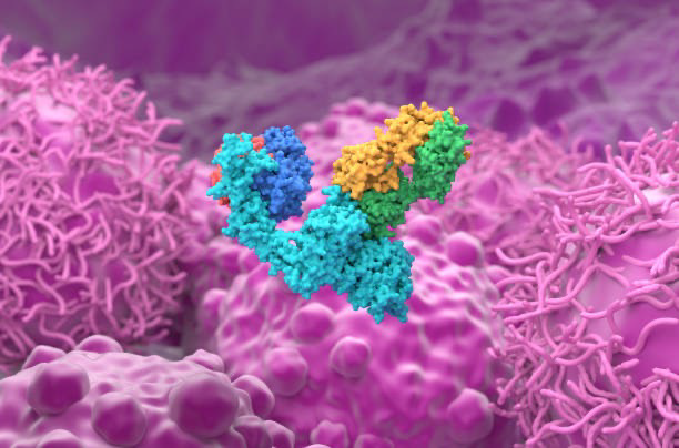
Daiichi Sankyo and AstraZeneca received a positive European opinion for a first-line ADC combination in HER2-positive breast cancer; Regulatory changes & updates. Credit: iStock
European regulators recommended approval of a Trop2-directed ADC combined with a checkpoint inhibitor in TNBC [21]
The EMA’s CHMP adopted a positive opinion recommending marketing authorization of Trodelvy (sacituzumab govitecan) with KEYTRUDA (pembrolizumab) for adults with unresectable locally advanced or metastatic TNBC who have received no prior systemic therapy for metastatic disease and whose tumors express PD-L1 at a combined positive score of 10 or above. The opinion is based on the Phase 3 ASCENT-04/KEYNOTE-D19 study, in which the combination reduced risk of disease progression or death by 35%. A European Commission decision is expected later in 2026.
SOTIO Biotech had a European patent covering its immunocytokine conjugate platform upheld on appeal [22]
The Boards of Appeal of the European Patent Office upheld European Patent EP 3 444 271 B1, confirming the earlier Opposition Division decision to maintain the patent as granted. The patent covers immunocytokines comprising a conjugate of IL-15 with the sushi domain of the IL-15 receptor alpha (IL-15Rα) linked to an immunomodulatory antibody, including PD-1 antagonists. It is co-owned by Cytune Pharma, an affiliate of SOTIO Biotech, together with AP-HP and INSERM. Opposition was brought by Sanofi and Strawman Limited, with Sanofi filing the appeal. The decision supports SOT201, a PD-1-targeted attenuated IL-15 agonist in the Phase 1 VICTORIA-01 study.
Dyne Therapeutics had its license application for an antibody fragment–oligonucleotide conjugate accepted with priority review in Duchenne muscular dystrophy [23]
The US FDA accepted for review Dyne Therapeutics’ Biologics License Application (BLA) for zeleciment rostudirsen (DYNE-251) in Duchenne muscular dystrophy (DMD) amenable to exon 51 skipping, granting Priority Review and a PDUFA target action date of January 21, 2027. The candidate is a phosphorodiamidate morpholino oligomer conjugated to an antigen-binding fragment targeting transferrin receptor 1, designed to produce near-full-length dystrophin in muscle and the central nervous system. The application, seeking Accelerated Approval, is based on the registrational expansion cohort of the Phase 1/2 DELIVER trial, which met its primary endpoint. Dyne anticipates a US launch in Q1 2027 if approved.
CSPC Pharmaceutical Group had its NDA for a HER2-targeted ADC accepted in China [24]
China’s NMPA accepted CSPC Pharmaceutical Group’s new drug application (NDA) for Trastuzumab Envedotin Injection, filed as a Class 1 therapeutic biological product for unresectable or metastatic HER2-positive breast cancer in adults who have received one or more prior anti-HER2 therapies. The candidate is a HER2-targeted ADC that binds HER2 on tumor cells and is internalized, with lysosomal hydrolysis releasing MMAE to inhibit tubulin polymerization and induce apoptosis. The application is based primarily on a pivotal Phase 3 trial in patients previously treated with at least trastuzumab and a taxane, in which the candidate prolonged PFS versus T-DM1.
Sichuan Biokin Pharmaceutical received Chinese approval for its bispecific ADC in esophageal SCC [25]
SystImmune’s parent company, Sichuan Biokin Pharmaceutical, received approval from China’s NMPA for iza-bren in recurrent or metastatic esophageal SCC progressing after platinum-based chemotherapy and PD-1/PD-L1 inhibitor therapy. Iza-bren is a bispecific ADC targeting EGFR and HER3 that releases a Topo-1 inhibitor payload after internalization. It is the second approved indication in China, following nasopharyngeal carcinoma. Approval was supported by the Phase 3 PANKU-Esophagus01 study, which met dual primary endpoints: median OS 9.8 versus 7.2 months and median PFS 4.2 versus 2.0 months; treatment-related discontinuation was 2.0%.
MARKET TRENDS |
Fannin Partners received two grants to advance a synthetic conjugate therapy for Ewing sarcoma [26]
Fannin Partners received grants from the Congressionally Directed Medical Research Programs and the Faris Foundation to advance a Raptamer-drug conjugate for Ewing sarcoma. The candidate targets IL1RAP, an internalizing cell-surface receptor expressed on most Ewing sarcomas. Raptamer-drug conjugates follow ADC architecture but replace the antibody with a fully synthetic Raptamer that binds internalizing surface proteins and delivers a cytotoxic payload intracellularly. The platform, developed by Fannin’s Raptamer Therapeutics, is designed for modular application across disease-associated surface targets. A separate Raptamer-drug conjugate program in osteosarcoma is in IND-enabling studies. Grant values were not disclosed.
 |
Ractigen Therapeutics raised funding to advance its small activating RNA assets and conjugate delivery platforms; Market trends. Credit: iStock |
Ractigen Therapeutics raised funding to advance its small activating RNA assets and conjugate delivery platforms [27]
Ractigen Therapeutics closed a financing round exceeding $31 million, led by Guozhong Capital with participation from IDG Capital, China Everbright Limited, Jolmo Capital, Win-Win Capital, SND Financial Holdings, and existing shareholder Longmen Capital. Proceeds will advance the company’s small activating RNA pipeline and validate its extrahepatic delivery platforms. These include LiCO, which conjugates specialized lipids to oligonucleotides via proprietary SDL linkers for carrier-free delivery to muscle, heart, bladder, and eye tissue, and SCAD, an accessory oligonucleotide-enabled system for central nervous system delivery. Lead programs target non-muscle-invasive bladder cancer, DMD, and amyotrophic lateral sclerosis.
Promatix Biosciences won Innovate UK funding to advance its bispecific ADC toward development candidate nomination [28]
Promatix Biosciences received a grant under the Innovate UK Biomedical Catalyst 2025 industry-led small projects competition to advance PBS293-exatecan, a first-in-class EGFR × EphA2 cis-bispecific ADC for colorectal and other solid tumors. The award funds scale-up and conjugation of PBS293 with an exatecan payload, preclinical proof-of-concept studies in cell line- and patient-derived xenograft models, and IND-enabling safety studies. PBS293 uses an AND-gate design requiring co-expression of both antigens, intended to widen the therapeutic window; preclinical work showed killing of colorectal cancer cell lines while sparing keratinocytes and endothelial cells. Abzena, Crown Bioscience, and Labcorp UK will conduct the work.
RESEARCH & DEVELOPMENT HIGHLIGHTS |
UNC biochemists identified a surface protein as a target for ADC delivery in Ewing sarcoma [29]
Researchers at the UNC School of Medicine and UNC Lineberger Comprehensive Cancer Center reported that LINGO-1, a protein confirmed on the surface of Ewing sarcoma cells, can serve as a target for ADC delivery. The team compared several ADCs directed at LINGO-1 and found opicinumab conjugated to MMAE most promising, suppressing tumor growth in immunocompromised preclinical models without overt toxicity. Ewing sarcoma is a rare pediatric bone and soft tissue cancer. Further preclinical work is planned in models with intact immune function.
Researchers reported that blocking a cell survival protein improved ADC activity in prostate cancer models [30]
Researchers at the UCLA Health Jonsson Comprehensive Cancer Center reported that pairing ADCs with a BCL-XL inhibitor increased activity against metastatic castration-resistant prostate cancer in laboratory and animal models. Analysis of patient tumor samples found B7-H3, PSMA, and STEAP1 frequently co-expressed on the same cells, suggesting multiple ADCs could target one tumor simultaneously. Screening dozens of payload combinations identified DNA-damaging agents plus BCL-XL blockade as consistently synergistic, since inhibiting BCL-XL removes a survival pathway cells use to recover from DNA damage. Tumors with intact TP53 responded particularly well. Co-senior authorship was shared with Fred Hutchinson Cancer Center.
VERAXA Biotech advanced a bispecific ADC program after meeting a technical milestone with OmniAb [31]
VERAXA Biotech advanced VXA-222, a bispecific ADC program, after meeting a technical milestone in its alliance with OmniAb and concluding the discovery phase. The candidate applies AND-gate logic, requiring engagement of two antigens on solid tumors within a single molecule. Antibody leads were generated using OmniAb’s transgenic discovery platforms, including OmniClic, a common light-chain transgenic chicken developed for bispecific antibody generation. VERAXA will establish the lead candidate using its proprietary linker and conjugation technology and conduct in vitro and in vivo validation. VERAXA holds exclusive development and commercialization rights, with OmniAb entitled to a specified revenue share.
CLINICAL TRIALS & RESEARCH |
SystImmune dosed the first patient in a registrational trial of its DLL3-targeted ADC in small cell lung cancer [32]
SystImmune dosed the first patient in BrenDeLL-Lung01, a global randomized Phase 3 registrational trial of BL-M14D1 with atezolizumab in previously untreated extensive-stage SCLC. BL-M14D1 is a DLL3-targeted ADC built on the company’s brengitecan platform, which uses a Topo-1 inhibitor payload. The comparator is platinum and etoposide induction followed by atezolizumab maintenance, with or without lurbinectedin. The study intends to enroll ~580 patients, with PFS by blinded independent central review as the primary endpoint. Phase 1 data supporting the advance were presented at the 2026 ASCO Annual Meeting.
Summit Therapeutics initiated a trial pairing a bispecific antibody with a Nectin-4-directed ADC in bladder cancer [33]
Summit Therapeutics initiated HARMONi-GU1, a global randomized Phase 2/3 trial of ivonescimab combined with enfortumab vedotin against pembrolizumab plus enfortumab vedotin in previously untreated locally advanced or metastatic urothelial carcinoma. Enfortumab vedotin is a Nectin-4-directed ADC; ivonescimab is a tetravalent PD-1 and VEGF bispecific antibody. The study intends to enroll ~800 patients, with the Phase 2 portion identifying the recommended Phase 3 dose and the Phase 3 portion assessing PFS and OS. Site activations begin later this year. The comparator regimen is the current standard of care.
GlycoNex dosed the first patient in a study of its glycan-targeting ADC [34]
GlycoNex dosed the first patient in a first-in-human Phase 1 trial of GNX1021 in Japan, the multinational study also running in Taiwan in patients with advanced solid tumors. GNX1021 is directed at the branched Lewis B/Y glycan antigen, highly expressed in gastric and other gastrointestinal malignancies with limited normal tissue expression. Rather than binding a single protein receptor, the ADC recognizes a tumor-associated glycan structure presented across multiple carrier molecules, an approach intended to improve selectivity and address tumor heterogeneity. The trial evaluates safety, tolerability, pharmacokinetics, immunogenicity, preliminary activity, and recommended dose across multiple dose levels.

GlycoNex dosed the first patient in a study of its glycan-targeting ADC; Clinical trials & research. Credit: iStock
CSPC Pharmaceutical Group initiated a Phase 2 trial of its conjugated small interfering RNA in essential hypertension [35]
CSPC Pharmaceutical Group initiated a Phase 2 trial (SYH2062-003) of SYH2062 Injection at its first center in China, in patients with mild-to-moderate essential hypertension. The candidate is a chemically modified double-stranded siRNA of 21 to 23 nucleotides using N-acetylgalactosamine conjugation for liver-targeted delivery. It silences the angiotensinogen gene to reduce over-activation of the renin-angiotensin-aldosterone system. The multicenter, randomized, double-blind, placebo-controlled study evaluates efficacy and safety, with recruitment underway. Phase 1 data in hypertensive patients have characterized safety, pharmacokinetics, and pharmacodynamics. China’s regulator approved the trial in December 2024.
Akeso dosed the first patient in a study of its HER3-targeted ADC in NSCLC [36]
Akeso dosed the first patient in a Phase 1b/2 study (AK138D1-201) of AK138D1 as monotherapy or combined with ivonescimab in advanced non-small cell lung cancer (NSCLC), spanning first-line treatment, disease after EGFR tyrosine kinase inhibitor resistance, and disease after immuno-chemotherapy resistance. AK138D1 is a HER3-targeted ADC conjugating the humanized IgG1 antibody patritumab to the Topo-1 inhibitor DXd via a cleavable MC-AAA linker. The construct is designed to limit uptake in normal tissue and prevent surface aggregation on tumor cells, improving penetration. No HER3 ADC has been approved to date, with toxicity limiting earlier candidates.
GSK’s licensor reported that a Phase 3 trial of its B7-H3-targeted ADC met its primary endpoint in osteosarcoma [37]
GSK’s licensor, Hansoh Pharmaceutical Group, announced that ARTEMIS-011, a pivotal Phase 3 trial of Ris-Res (risvutatug rezetecan) in patients with osteosarcoma progressing after at least two prior lines of systemic therapy, met its primary endpoint of PFS. The candidate is a B7-H3-targeted ADC combining a fully human monoclonal antibody with a Topo-1 inhibitor payload. Conducted in China, the trial showed significant improvement over chemotherapy, with consistent benefit across secondary endpoints including OS and no new safety signals. Hansoh will use the data for regulatory submission in China. GSK holds exclusive development rights outside mainland China, Hong Kong, Macau, and Taiwan.
AstraZeneca reported that a Phase 3 study of its Claudin 18.2-directed ADC met its OS endpoint [38]
AstraZeneca reported that the Phase 3 CLARITY-Gastric01 trial of sonesitatug vedotin (CMG901), a Claudin 18.2-directed ADC licensed from KYM Biosciences, met one of its dual primary endpoints. The study randomized 594 patients with locally advanced or metastatic gastric, gastroesophageal junction, or esophageal adenocarcinoma expressing Claudin 18.2 on at least 25% of tumor cells to one of two doses or investigator’s choice. OS improved significantly in patients with at least two prior therapies, and a key secondary endpoint of OS after at least one prior therapy was also met. PFS trended positively but missed significance.
Ark Biopharmaceutical advanced its antiviral–Fc conjugate for influenza prophylaxis in China and Australia [39,40]
China’s NMPA approved ArkBio’s IND application for AK0406, an antiviral–Fc conjugate for influenza prophylaxis and the first candidate of its class to enter clinical development in China. AK0406 conjugates a potent small-molecule antiviral to an antibody Fc fragment, an approach designed to extend half-life and support both pre- and post-exposure prophylaxis, with potential therapeutic use. Preclinical data reported by the company show broad-spectrum activity against influenza A and B viruses, retention of Fc-mediated effector function, and prolonged exposure. In parallel, ArkBio has completed enrollment and dosing of all healthy volunteer cohorts in a Phase 1 trial in Australia, initiated after ethics approval in February 2026; that study has now entered follow-up. The company is pursuing parallel development in China and internationally. Current seasonal influenza vaccines are limited by antigenic drift, uncertainty in annual strain matching, and reduced efficacy in elderly and immunocompromised populations.
Bio-Thera Solutions began dosing in a Phase 1 study of its CD25-targeted ADC [41]
Bio-Thera Solutions began dosing in a multicenter, open-label Phase 1 dose-escalation study of BAT8013 in patients with advanced solid tumors. BAT8013 is an ADC combining Bio-Thera’s anti-CD25 antibody with a proprietary linker-payload comprising a systemically stable, cleavable linker and a small-molecule Topo-1 inhibitor. CD25, the IL-2Rα chain, is differentially overexpressed on regulatory T cells within the solid TME; depleting these cells is intended to potentiate immune checkpoint inhibitors. The payload’s membrane permeability is designed to produce a bystander effect against neighboring regulatory T cells. Objectives include maximum tolerated dose, recommended Phase 2 dose, pharmacokinetics, and preliminary efficacy.
Suzhou Ribo Life Science reported Phase 2a data for a conjugated small interfering RNA targeting coagulation Factor XI [42]
Suzhou Ribo Life Science and subsidiary Ribocure Pharmaceuticals reported Phase 2a results for vortosiran (RBD4059), a GalNAc-conjugated siRNA targeting coagulation Factor XI, in patients with chronic coronary artery disease and prior myocardial infarction receiving aspirin. The randomized, double-blind, placebo-controlled study found vortosiran generally well tolerated, with dose-dependent Factor XI suppression; the high-dose group achieved a mean maximum reduction of 92% at a 400 mg maintenance dose, sustained for several months. No treatment-related serious adverse events or major or clinically relevant non-major bleeding events occurred. Vortosiran uses Ribo’s RiboGalSTAR liver-targeting conjugation platform.
Innate Pharma completed dose-escalation enrollment in a Phase 1 study of its Nectin-4-targeted ADC [43]
Innate Pharma completed enrollment in the dose-escalation portion of the Phase 1 IPH4502-101 study, which recruited 76 patients in France and the US. IPH4502 is a Nectin-4-directed ADC combining a proprietary humanized antibody with an epitope distinct from that of enfortumab vedotin, a proprietary stable linker designed to slow release of free payload, and the Topo-1 inhibitor exatecan. The open-label, multicenter study evaluates single-agent IPH4502 in advanced solid tumors expressing Nectin-4. The company reports limited hematological toxicity and objective responses in urothelial carcinoma after enfortumab vedotin, NSCLC, and head and neck squamous cell carcinoma. Preliminary data are expected by year-end.
Akeso dosed first patient in a Phase 2 study of its bispecific ADC combined with a bispecific antibody in advanced breast cancer [44]
Akeso dosed the first patient in a Phase 2 study (AK146D1-202) evaluating AK146D1 in combination with ivonescimab in advanced breast cancer, focusing on first-line treatment of HR+/HER2- and TNBC. AK146D1 is a bispecific ADC comprising an antibody targeting Trop2 and Nectin-4, conjugated via a cleavable MC-AAA linker to the Topo-1 inhibitor DXd. Ivonescimab is a PD-1/VEGF bispecific antibody. The study forms part of Akeso’s combination strategy pairing next-generation ADCs with bispecific I-O agents. Akeso is separately running a Phase 1b/2 study of its HER3 ADC, AK138D1, with ivonescimab.
CSPC Pharmaceutical Group initiated a Phase 3 trial of its B7-H3-targeted ADC in platinum-resistant ovarian cancer [45]
CSPC Pharmaceutical Group initiated a randomized, multicenter, open-label, active-controlled Phase 3 trial of SYS6043 versus investigator’s choice of chemotherapy in platinum-resistant advanced ovarian, primary peritoneal, and fallopian tube cancer, with the first clinical center in China now open. SYS6043 is an ADC targeting B7-H3, in which the antibody binds B7-H3 on tumor cells and is internalized, while a protease-cleavable tetrapeptide linker releases a Topo-1 inhibitor payload with bystander activity. Unlike antibodies with conventional wild-type fragment crystallizable regions, SYS6043 is reported to reduce lymphocyte uptake and mitigate off-target toxicity risk. China’s NMPA approved the trial in July 2026; recruitment and screening are underway.
TOOLS & TECHNOLOGIES |
Decoy Therapeutics expanded its patent portfolio covering antiviral peptide conjugates and their manufacture [46]
Decoy Therapeutics reported that its patent portfolio now spans seven families covering compositions of matter, manufacturing methods, formulations, and its IMP³ACT design platform, comprising one granted US patent and 19 pending applications across seven jurisdictions. The granted patent claims antiviral peptide conjugates incorporating viral spike protein sequences with D-amino acids. A separate family, the company’s most broadly filed, covers automated flow peptide synthesis methods and linker chemistries for these conjugates. Further filings address engineered peptides directed at conserved features of class I viral fusion proteins, associated formulations, and use against paramyxoviruses including measles, mumps, and Nipah.
VERAXA Biotech expanded its patent portfolio covering conjugation and click chemistry platforms [47]
VERAXA Biotech filed first patent applications in the first half of 2026 covering its BiTAC T cell engager and ADC platforms, while previously granted patents on auxiliary technology modules cleared opposition. The portfolio now comprises over 50 granted, owned, or exclusively licensed patents across 26 families in 14 countries, with protection expected through at least 2047 once pending applications are granted. The BiTAC-ADC approach splits delivery between two antibodies against separate tumor antigens, one carrying a systemically inactive prodrug and the other a cell-impermeable proactivator; payload release occurs intracellularly via click-to-release chemistry between trans-cyclooctenes and tetrazines.
Huonslab secured a patent for subcutaneous ADC formulation technology using its hyaluronidase platform [48]
Huonslab, the research subsidiary of Huons Group, was granted a patent covering subcutaneous formulation technology for ADCs using its recombinant human hyaluronidase platform, HyDIFFUZE. All approved ADCs are currently given intravenously, and subcutaneous delivery of these structurally complex biologics requires formulations stable at high concentration. Huonslab reported that HyDIFFUZE-enabled formulations retained physicochemical stability under high-concentration conditions. In nonclinical pharmacokinetic work, subcutaneous administration produced faster initial plasma increases, with systemic exposure and peak plasma concentration rising by up to 126% and 149%, respectively versus formulations without the platform.
CONFERENCES, EVENTS & PUBLICATIONS |
Henlius announced that Phase 1 data for its PD-L1-targeted ADC would be presented at a lung cancer conference [49]
Henlius will present Phase 1 dose-expansion results for HLX43 in pretreated advanced thymic SCC at the World Conference on Lung Cancer, held in Seoul from September 12–15, 2026, during a Poster Tour session. HLX43 is a PD-L1-targeting ADC comprising a fully humanized IgG1 antibody, a novel tripeptide linker, and a Topo-1 inhibitor payload, at a DAR of ~8. Its design combines targeted cytotoxic delivery with checkpoint blockade, and payload released intracellularly can diffuse to neighboring cells. The candidate received orphan drug designation from the US FDA for thymic carcinoma in October 2025.
Phase 3 results for a Nectin-4-directed ADC combination in muscle-invasive bladder cancer were published [50]
Mount Sinai published Phase 3 results from KEYNOTE-B15/EV-304, comparing perioperative enfortumab vedotin plus pembrolizumab with cisplatin-based chemotherapy in muscle-invasive bladder cancer. Enfortumab vedotin is a Nectin-4-directed ADC. The trial enrolled 808 patients across 158 sites. Patients receiving the combination had a 47% lower risk of progression, recurrence, or death; at two years, nearly 80% remained event-free versus 66% on chemotherapy. More than half achieved pathologic complete response, against roughly one-third with chemotherapy. Adverse event rates were higher with the combination. The US FDA approved the regimen on July 10, 2026, broadening the label to all cystectomy candidates.
Northwell Health researchers published Phase 1 results for a first-in-class ADC in metastatic uveal melanoma [51]
Northwell Health’s Feinstein Institutes for Medical Research published Phase 1 findings for DYP688, a first-in-class ADC for metastatic uveal melanoma. Rather than a conventional cytotoxic payload, DYP688 delivers a Gq/11 inhibitor targeting the pathway that drives nearly all uveal melanoma, an approach intended to limit systemic toxicity. The trial reported disease control in >80% of patients and tumor shrinkage in nearly 20%, with the drug described as well tolerated. Novartis has discontinued development of the candidate; however, its potential should be recognized.
Telix published Phase 1 results for its radio-antibody–drug conjugate targeting prostate-specific membrane antigen [52]
Telix published results from the Phase 1 ProstACT SELECT study evaluating TLX591-Tx (lutetium-177 rosopatamab tetraxetan), a prostate-specific membrane antigen-targeting radio-ADC, in metastatic castration-resistant prostate cancer. The study assessed lesion concordance between gallium-68 PSMA-PET and multi-time-point SPECT imaging for patient selection, alongside whole-body biodistribution, organ dosimetry, safety, and tolerability. The authors reported an intensified dosing schedule, prolonged tumor retention, hepatobiliary clearance, and low salivary gland irradiation. In combination with standard of care, the candidate showed a manageable safety profile and median radiographic PFS of 8.8 months in evaluable patients. A Phase 3 study, ProstACT Global, is ongoing.
European Society of Medical Oncology presentation announcements [8,53–56]
Ahead of the 2026 European Society of Medical Oncology (ESMO) Congress, October 23–27 in Madrid, Spain, companies have begun announcing their presentation line-ups. Bioconjugate-relevant data due to be presented are compiled below.
- Antengene: Will present Phase 2 results from the CLINCH study of ATG-022, a Claudin 18.2 ADC, in advanced gastric and gastroesophageal junction cancer;
- Biohaven: Will present Phase 1 dose-escalation data for BHV-1530, a first-in-class FGFR3-directed ADC carrying a proprietary Topo-1 payload (TopoIx), in advanced solid tumors;
- IDEAYA Biosciences: Partner Hengrui Pharma will present long-term Phase 1 results for IDE849 (SHR-4849), a DLL3-targeted Topo-1 ADC, in relapsed SCLC carcinoma and other neuroendocrine carcinomas;
- Mabwell: Will present Phase 2 results in an oral session for bulumtatug fuvedotin (9MW2821), a Nectin-4-directed ADC, in locally advanced or metastatic TNBC previously treated with Topo-1 inhibitor-based ADCs;
- MacroGenics: Will present Phase 1 dose-escalation and tumor-specific cohort results for MGC026, a B7-H3-directed ADC built on Synaffix’s SYNtecan E exatecan linker-payload at a DAR of 4.

References
1. Pathos AI. Pathos AI Enters Global Licensing Agreement with Alphamab Oncology on JSKN016, a First-in-Class TROP2/HER3 Bispecific ADC. Aug 4, 2026.
2. Fujifilm. Fujifilm and Taiho Pharmaceutical Enter into Strategic Partnership for Development of Next-Generation Antibody-Drug Conjugate (ADC) Manufacturing Technologies. Aug 3, 2026.
3. miRecule. miRecule Announces Strategic Collaboration with EMS Group Company Rio Biopharma to Advance Targeted Delivery of RNA Therapeutics. Jul 30, 2026.
4. Johnson & Johnson. Johnson & Johnson Completes Acquisition of Firefly Bio, Inc. to Advance Next-Generation Oncology Innovation. Jul 29, 2026.
5. Samsung Bioepis. Samsung Bioepis Enters into a Commercial License Agreement with IntoCell for an Antibody-Drug Conjugate (ADC) Candidate. Jul 22, 2026.
6. Engitix. Lonza and Engitix Announce License Agreement to Advance Targeted ADC Development. Jul 21, 2026.
7. Akari Therapeutics. Akari Therapeutics Enters Strategic Research Collaboration with Whitehawk Therapeutics. Jul 21, 2026.
8. Biohaven. Biohaven to Present New Clinical Data at ESMO Congress on BHV-1530, a Novel FGFR3-Directed ADC With a Proprietary Topoisomerase I (TopoIx) Payload. Jul 20, 2026.
9. Sanofi. Sanofi’s MenQuadfi approved in the EU for use in infants from age six weeks against invasive meningococcal disease. Aug 4, 2026.
10. Adlai Nortye. Adlai Nortye Announces Clinical Trial Notification Submission and HREC Approval for the Phase I Clinical Trial of Pan-RAS(ON) Inhibitor ADC AN4035 in Australia. Aug 3, 2026.
11. Zai Lab. US FDA Grants Orphan Drug Designation to Zai Lab’s DLL3-Targeting ADC Zocilurtatug Pelitecan (Zoci) for the Treatment of Neuroendocrine Carcinomas (NECs). Aug 3, 2026.
12. Henlius. Henlius Announces IND Approval for Its Innovative PD-L1 ADC HLX43 in Combination with Bevacizumab ± Chemotherapy. Jul 31, 2026.
13. Ractigen Therapeutics. Ractigen Therapeutics Announces US FDA IND Clearance for First-in-Class saRNA Candidate RAG-1C to Treat Proliferative Vitreoretinopathy. Jul 31, 2026.
14. Daiichi Sankyo. Datroway® Approved in the EU as Only TROP2 Directed Medicine with Overall Survival Benefit for the First-Line Treatment of Patients with Metastatic TNBC Who Are Not Candidates for Immunotherapy. Jul 31, 2026.
15. Sichuan Kelun-Biotech. NMPA Accepts New Indication Application for Sacituzumab Tirumotecan (sac-TMT) as First-Line Treatment for Advanced TNBC. Jul 30, 2026.
16. Iksuda Therapeutics. Iksuda receives US FDA IND clearance for IKS04. Jul 28, 2026.
17. Dyne Therapeutics. Dyne Therapeutics Announces US FDA Clearance of Investigational New Drug (IND) Application for DYNE-302 in Facioscapulohumeral Muscular Dystrophy (FSHD). Jul 28, 2026.
18. Corbus Pharmaceuticals. Corbus Pharmaceuticals Announces FDA Clearance to Initiate TEMPO-1 Registrational Study of CRB-701 in Patients with 2L Oropharyngeal Cancer. Jul 28, 2026.
19. Sichuan Kelun-Biotech. Kelun-Biotech Receives a Clinical Trial Notice for Its First Dual-payload ADC SKB565. Jul 27, 2026.
20. Daiichi Sankyo. Enhertu® Plus Pertuzumab Recommended for Approval in the EU by CHMP as First-Line Treatment for Patients with HER2 Positive Metastatic Breast Cancer. Jul 24, 2026.
21. Gilead Sciences. CHMP Recommends Gilead’s Trodelvy® Plus Keytruda® in PD-(L)1-Positive First-Line Metastatic Triple-Negative Breast Cancer. Jul 24, 2026.
22. SOTIO Biotech. European Patent Office Confirms Patent Protection for SOT201, SOTIO’s Clinical-Stage Immunocytokine Showing Promising Anti-Tumor Activity. Jul 21, 2026.
23. Dyne Therapeutics. Dyne Therapeutics Announces US FDA Acceptance of Biologics License Application (BLA) for Z-Rostudirsen in Exon 51 Duchenne Muscular Dystrophy (DMD). Jul 20, 2026.
24. CSPC Pharmaceutical Group. New Drug Application for Trastuzumab Envedotin Injection Accepted by the NMPA. Jul 17, 2026.
25. SystImmune. SystImmune Announces Second Approval of Iza-bren in China for the Treatment of Recurrent or Metastatic Esophageal Squamous Cell Carcinoma. Jul 17, 2026.
26. Fannin Partners. Fannin Receives CDMRP and Faris Foundation Grants to Advance Targeted RapDC Therapy for Ewing Sarcoma. Aug 14, 2026.
27. Ractigen Therapeutics. Ractigen Therapeutics Closes Over $31 Million Financing to Advance Clinical-Stage saRNA Pipeline and Proprietary Extrahepatic Delivery Platforms. Jul 29, 2026.
28. Promatix Bioscience. Promatix Biosciences Awarded Innovate UK Biomedical Catalyst Grant to Advance First-in-Class EGFR × EphA2 Cis-Bispecific ADC. Jul 28, 2026.
29. UNC School of Medicine. UNC Biochemists Discover New Method to Combat Pediatric Bone Cancer. Aug 3, 2026.
30. University of California, Los Angeles, Health Science. Combination of targeted therapies could help overcome treatment resistance in advanced prostate cancer. Aug 3, 2026.
31. VERAXA Biotech. VERAXA Biotech Announces Advancement of Novel Bispecific Antibody Drug Conjugate Program VXA-222 from Joint Discovery Collaboration with OmniAb. Jul 27, 2026.
32. SystImmune. SystImmune Announces First Patient Dosed in Global Phase 3 Trial of BL-M14D1 in First-Line Extensive-Stage Small Cell Lung Cancer. Aug 6, 2026.
33. Summit Therapeutics. Summit Therapeutics Further Expands Ivonescimab Global Development Program with Phase II/III HARMONi-GU1 Study in 1L Bladder Cancer. Aug 5, 2026.
34. GlycoNex. GlycoNex Doses First Patient in Phase 1 Trial of GNX1021, Advancing Its Glycan-Directed ADC into Clinical Development. Aug 3, 2026.
35. CSPC Pharmaceuticals. Phase 2 Clinical Trial of SYH2062 Injection for the Treatment of Adult Essential Hypertension Officially Initiated at the First Centre in China. Jul 29, 2026.
36. Akesobio. Akeso IO2.0 + ADC2.0 Strategy Makes Another Advancement: First Patient Dosed in Phase Ib/II Study of HER3 ADC (AK138D1) Combined with Ivonescimab in Lung Cancer. Jul 28, 2026.
37. GSK. GSK’s licensor Hansoh Pharma announces positive results from a second phase III trial for Ris-Rez in China. Jul 28, 2026.
38. AstraZeneca. H1 and Q2 2026 results. Jul 27, 2026.
39. Shanghai Ark Biopharmaceuticals. ArkBio Completes all Cohort Dosing in Australian Phase I Trial with Influenza AFC Drug AK0406. Jul 24, 2026.
40. Shanghai Ark Biopharmaceuticals. ArkBio Announces China IND Approval for its Antiviral Drug-Fc Conjugate (AFC) Candidate AK0406 for Influenza Prophylaxis. Aug 13, 2026.
41. Bio-Thera Solutions. Bio-Thera Solutions Announces First Patient Dosed in Phase 1 Study for BAT8013, an Antibody Drug Conjugate Targeting CD25 for the Treatment of Advanced Solid Tumors. Jul 24, 2026.
42. Suzhou Ribo Life Science. Ribo Discloses Positive Data from Vortosiran Phase IIa Trial - World’s First Clinical Data on siRNA-Mediated FXI Inhibition Following Multiple Dosing in Patients with Coronary Artery Disease. Jul 22, 2026.
43. Innate Pharma. Innate Pharma announces Completion of Enrollment in Phase 1 Dose Escalation Study of IPH4502, a Novel Nectin-4 Exatecan Antibody-Drug Conjugate (ADC). Jul 21, 2026.
44. Akeso. Akeso Advances IO2.0 + ADC2.0 Strategy: First Patient Dosed in Phase II Study of TROP2/Nectin-4 Bispecific ADC (AK146D1) Combined with Ivonescimab in Breast Cancer. Aug 10, 2026.
45. CSPC Pharmaceutical Group. Phase 3 Clinical Trial of SYS6043 for the Treatment of Platinum-Resistant Advanced Ovarian Cancer, Primary Peritoneal Cancer, and Fallopian Tube Cancer Officially Initiated at the First Centre in China. Jul 16, 2026.
46. Decoy Therapeutics. Decoy Therapeutics Expands Intellectual Property Portfolio Covering Designable Multi-Antivirals and the IMP³ACT™ Platform. Aug 3, 2026.
47. VERAXA Biotech. VERAXA Biotech Strengthens Patent Portfolio to Protect Core Technology Platforms and Product Candidates. Jul 29, 2026.
48. Huonslab. Huonslab Secures Patent for ADC Subcutaneous Formulation Incorporating ‘HyDIFFUZE™’ Platform. Jul 27, 2026.
49. Henlius. Henlius to Present Updated HLX43 TSCC Data and Seven Serplulimab Lung Cancer Studies at WCLC 2026, Addressing Unmet Needs. Aug 3, 2026.
50. Mount Sinai. New Treatment Approach Improves Survival and Reduces Recurrence Risk for Patients With Muscle-Invasive Bladder Cancer. Jul 24, 2026.
51. Feinstein Institutes for Medical Research, Northwell Health. Northwell scientist reveals breakthrough results in eye cancer drug. Jul 24, 2026.
52. Telix Pharmaceuticals. TLX591-Tx ProstACT SELECT Study Published in Cancers Journal. Jul 22, 2026.
53. Antengene. Antengene Announces Poster Presentation of ATG-022 and ATG-037 at ESMO 2026. Jul 20, 2026.
54. IDEAYA Biosciences. IDEAYA Biosciences Announces ESMO 2026 Presentations for Darovasertib and IDE849 Clinical Programs. Jul 17, 2026.
55. Mabwell. ESMO 2026 | Mabwell to Present Latest Clinical Data on Nectin-4-targeting ADC 9MW2821 for Triple Negative Breast Cancer in Oral Presentation. Jul 20, 2026.
56. MacroGenics. MacroGenics Provides Clinical Update on Ongoing Phase 1 Study for MGC026. Jul 23, 2026.