
Industry Insights: From approvals to acquisitions, a month in bioconjugates
Bioconjugate Insights 2026; 1(4), 227–237
DOI:10.18609/bci.2026.026
July brought a dense run of regulatory milestones for antibody-drug conjugates, headlined by Enhertu’s first tumor-agnostic EU approval for a HER2-directed ADC and expanded PADCEV plus Keytruda approvals in muscle-invasive bladder cancer across the US, EU, and China. Trodelvy and Datroway both advanced in first-line metastatic triple-negative breast cancer, while iza-bren secured two further Chinese approvals and CanSinoBIO extended its conjugate vaccine footprint into Argentina. On the clinical side, Phase 3 readouts were mixed, with sac-TMT and risvutatug rezetecan meeting primary endpoints in NSCLC and SCLC, respectively, while sigvotatug vedotin fell short of its overall survival endpoint. Several companies, including Henlius, Araris, and InnoCare, dosed first patients in new bispecific and targeted ADC trials. Collaborations were a major theme, with partnerships spanning AI-guided target selection (Ardigen and VERAXA), bispecific ADC development (Biocytogen and Whitehawk), and precision diagnostics (AimedBio and Inocras, One Biosciences and Adcytherix). Novartis’s proposed acquisition of Myricx Bio signaled continued interest in novel payload platforms, while Lonza and Altruist Biologics both expanded payload-linker and ADC manufacturing capacity. On the research front, researchers from the University of Washington demonstrated a click chemistry approach to dual-target ADC self-assembly, and Navrogen published preclinical work addressing CA125-mediated resistance to ADC internalization, reflecting continued innovation across conjugation strategies, targets, and payload mechanisms in the bioconjugate field. In this issue: Collaborations, Partnerships & Acquisitions Regulatory Changes & Updates Market Trends R&D Highlights Clinical Trials & Research Tools & Technologies |
Collaborations, Partnerships, and Acquisitions |
Ardigen and VERAXA partnered on AI-guided target selection for BiTAC ADCs [1]
Ardigen and VERAXA Biotech announced a collaboration applying Ardigen’s AI and computational biology capabilities to support target pair selection for VERAXA’s BiTAC pipeline of T cell engagers (TCEs) and ADCs. VERAXA’s BiTAC platform uses Boolean “AND-gate” logic requiring co-expression of two distinct targets on the same cancer cell for activation, aiming to widen the therapeutic window and reduce on-target, off-tumor toxicity. The collaboration will use AI-enabled analysis of existing industry preclinical and clinical datasets to identify improved dual-target combinations and refine target pair hypotheses ahead of VERAXA’s planned BiTAC-ADC clinical development.
HanchorBio and InxMed partnered on combination strategies including a FAP-targeted ADC [2]
HanchorBio’s subsidiary FBD Biologics signed an memorandum of understanding (MOU) with InxMed to conduct preclinical and translational research combining HCB101, a SIRPα-Fc fusion protein targeting CD47/SIRPα, with InxMed’s FAK inhibitor IN10018/ifebemtinib and its FAP-targeted ADC OMTX705, for difficult-to-treat solid tumors. The collaboration aims to address stromal remodeling, tumor fibrosis, immune exclusion, and myeloid-mediated immunosuppression, with potential expansion into stroma-rich or myeloid-enriched cancers such as pancreatic, biliary tract, and diffuse-type gastric cancer. IN10018/ifebemtinib has entered a Phase 3 trial in China for platinum-resistant ovarian cancer and received US FDA Fast Track designation.
Biocytogen and Whitehawk partnered to develop bispecific ADCs [3]
Biocytogen and Whitehawk Therapeutics announced a global collaboration to develop bispecific ADCs, combining access to up to five bispecific antibodies from Biocytogen’s RenLite common light-chain platform with Whitehawk’s ADC linker-payload technologies. RenLite is designed to reduce light-chain mispairing risk in fully human bispecific antibody discovery. Whitehawk holds an option to advance resulting bispecific ADC candidates, retaining global rights and full program control if exercised, in support of its goal to deliver new ADC INDs within 12–24 months. Biocytogen will receive an upfront payment plus development, regulatory, and commercial milestones, and low single-digit royalties on net sales.
Novartis agreed to acquire Myricx Bio for NMTi payload ADC platform [4]
Novartis announced an agreement to acquire Myricx Bio, a UK-based biotech developing ADCs using N-myristoyltransferase inhibitor (NMTi) payloads, for $1.1 billion upfront plus up to $400 million in milestones, with closing expected in H2 2026 pending regulatory approvals. Myricx’s NMTi mechanism is designed to disrupt cancer cell survival processes and showed activity in preclinical models resistant to Topo-1 inhibitor payloads, potentially addressing limitations of existing ADC payload classes. Myricx’s two lead assets target B7-H3 and HER2 across multiple solid tumor settings. Novartis positioned the deal as part of its strategy to scale innovative platforms following its radioligand therapy approach.
 |
AimedBio and Inocras partnered to integrate genomics into ADC development; Collaborations, partnerships, and acquisitions. Credit: iStock. |
AimedBio and Inocras partnered to integrate genomics into ADC development [5]
AimedBio and Inocras announced a strategic collaboration and equity investment agreement to integrate Inocras’ whole genome sequencing and multi-omics platform into AimedBio’s ADC clinical programs. The partnership will support biomarker analysis, patient stratification, and identification of new oncology targets across AimedBio’s ADC trials, with the goal of improving patient selection and expanding indications. Inocras operates a CLIA/CAP-certified genomic testing platform offering services including CancerVision and MRDVision. The companies also plan to explore joint commercialization opportunities connecting AimedBio’s precision drug screening business with Inocras’ diagnostic platform in global markets.
One Biosciences and Adcytherix partnered on single-cell ADC biomarker assay [6]
One Biosciences announced a Paris-Saclay Cancer Cluster BOOST grant supporting development of a single-cell assay for ADC therapies, in collaboration with Adcytherix, a clinical-stage ADC developer. The project combines Adcytherix’s ADC development expertise with One Biosciences’ AI-powered single-cell profiling technology to analyze tumor samples and identify cellular and molecular signatures associated with treatment response. The stated goal is to enable more precise patient selection for ADC therapies and lay groundwork for future companion diagnostic development.
Regulatory Changes and Updates |
Navrogen received Chinese patent for HIO-refractory MSLN-targeted ADC [7]
Navrogen announced it was granted Chinese patent covering NAV-001, an HIO-refractory ADC targeting mesothelin (MSLN)-expressing cancers, including breast, colorectal, gastric, lung, mesothelioma, ovarian, and pancreatic cancers. NAV-001 is engineered using Navrogen’s platform to resist binding by tumor-derived humoral immuno-oncology (HIO) factors, which otherwise suppress antibody-mediated cytotoxicity and reduce ADC internalization by cancer cells. The company reported single-dose cures in experimental models of HIO-positive cancers. Navrogen is advancing NAV-001 toward clinical proof-of-concept studies for MSLN-expressing cancer indications.
SOT109 received FDA Fast Track Designation for advanced colorectal cancer [8]
SOTIO Biotech announced FDA Fast Track Designation for SOT109, a CDH17-targeting ADC, for advanced unresectable or metastatic colorectal cancer in patients who have exhausted standard treatment options. CDH17 is expressed in >90% of colorectal cancer cases with limited expression in healthy tissues, supporting a potentially favorable therapeutic index. Fast Track status enables more frequent FDA interactions on development strategy and trial design, with potential eligibility for accelerated approval and priority review. SOTIO expects to initiate a Phase 1/2 trial of SOT109 in this patient population in Q3 2026.
FDA expanded Padcev plus Keytruda approval to cisplatin-eligible bladder cancer [9]
The FDA approved expanded use of Padcev (enfortumab vedotin-ejfv), a Nectin-4-targeted ADC, plus Keytruda (pembrolizumab) as perioperative treatment for muscle-invasive bladder cancer (MIBC) regardless of cisplatin eligibility, the first platinum-free regimen approved for this population. The expansion is based on the Phase 3 KEYNOTE-B15/EV-304 trial, which showed 79.4% of patients receiving the combination were alive without recurrence or progression at 2 years versus 66.2% for neoadjuvant chemotherapy, a 47% reduction in risk of recurrence, progression, or death. The regimen was previously approved in cisplatin-ineligible MIBC based on the EV-303/KEYNOTE-905 trial.
China accepted BLA for PADCEV plus Keytruda in perioperative bladder cancer [10]
Astellas announced that China’s National Medical Products Administration (NMPA) accepted a BLA for PADCEV (enfortumab vedotin) combined with Keytruda (pembrolizumab) as perioperative treatment for muscle-invasive bladder cancer regardless of cisplatin eligibility. The filing is supported by EV-303 (60% reduced risk of recurrence/progression/death; 50% reduced risk of death versus surgery alone in cisplatin-ineligible patients) and EV-304 (47% and 35% reductions, respectively, versus cisplatin-based chemotherapy in eligible patients). Common adverse events, ≥30%, included pruritus, alopecia, diarrhea, and anemia. Astellas has incorporated the acceptance into its financial forecast for the fiscal year ending March 2027.
SYS6043 received breakthrough therapy designation in China for ovarian cancer [11]
CSPC Pharmaceutical Group announced that SYS6043, a B7-H3-targeting ADC, received Breakthrough Therapy Designation from China’s NMPA for platinum-resistant ovarian cancer, primary peritoneal carcinoma, and fallopian tube cancer as monotherapy. Clinical data showed SYS6043 doubled progression-free survival (PFS) compared with non-platinum mono-chemotherapy and mirvetuximab soravtansine, with a favorable safety profile. A Phase 3 confirmatory trial has been initiated for this indication. CSPC is also conducting trials of SYS6043 in first- and second-line small cell lung cancer, breast cancer, and other solid tumors as part of its broader ADC pipeline strategy.
 |
Enhertu® received first EU tumor-agnostic approval for a HER2-directed ADC; Regulatory changes and updates. Credit: iStock. |
Enhertu® received first EU tumor-agnostic approval for a HER2-directed ADC [12]
Daiichi Sankyo and AstraZeneca announced European Commission approval of Enhertu (trastuzumab deruxtecan), as monotherapy for previously treated, unresectable or metastatic HER2-positive solid tumors lacking satisfactory treatment options. This is the first tumor-agnostic EU approval for a HER2-directed ADC. The approval draws on subgroup data across three Phase 2 trials: DESTINY-PanTumor02 (objective response rate (ORR) 52.3%, median duration of response (DOR) 21.1 months), DESTINY-Lung01 (ORR 52.9%, DOR 6.9 months), and DESTINY-CRC02 (ORR 46.9%, DOR 5.5 months). Grade 5 adverse reactions occurred in 1.1% of patients, including interstitial lung disease (ILD)/pneumonitis (1.0%). Enhertu is now approved in more than 40 countries/regions.
Datroway received positive CHMP opinion for first-line metastatic TNBC [13]
Daiichi Sankyo and AstraZeneca announced that Datroway® (datopotamab deruxtecan), a Trop2-directed DXd ADC, received a positive CHMP opinion for first-line treatment of unresectable or metastatic triple negative breast cancer (TNBC) in patients not eligible for PD-1/PD-L1 inhibitor therapy, pending European Commission review. The opinion is based on the Phase 3 TROPION-Breast02 trial, showing median overall survival (OS) of 23.7 vs 18.7 months, median PFS of 10.8 vs 5.6 months, and ORR of 62.5 vs 29.3% versus chemotherapy. One fatality attributed to ILD/pneumonitis was reported. Datroway was approved in the USA in May 2026 for the same population.
CanSinoBIO received Argentine approval for quadrivalent meningococcal conjugate vaccine [14]
CanSino Biologics announced that its ACYW135 meningococcal polysaccharide conjugate vaccine (Menhycia, MCV4), using CRM197 as the carrier protein, received drug registration approval from Argentina’s Administración Nacional de Medicamentos, Alimentos y Tecnología Médica (ANMAT), extending the vaccine’s international footprint into South America. Menhycia is the first quadrivalent meningococcal conjugate vaccine approved in China, where it is indicated for children aged 3 months to 6 years against serogroups A, C, Y, and W135. CanSinoBIO has completed a clinical study summary report supporting age expansion to 7–59 years and is preparing a supplemental application. The vaccine was previously approved in Indonesia in December 2024.
Trodelvy received US FDA approval for first-line metastatic TNBC across PD-L1 status [15]
Gilead Sciences announced US FDA approval of Trodelvy® (sacituzumab govitecan-hziy), a Trop-2-directed ADC, for first-line metastatic TNBC, either as monotherapy for patients ineligible for PD-L1 inhibitor therapy or combined with Keytruda® (pembrolizumab) for PD-L1+ tumors. The approval is based on Phase 3 ASCENT-03 (38% reduced risk of progression/death vs chemotherapy) and ASCENT-04/KEYNOTE-D19 (35% reduction vs Keytruda plus chemotherapy in PD-L1+ disease) trials. Median duration of response favored Trodelvy-based regimens in both studies. NCCN Guidelines now recommend Trodelvy with or without Keytruda as a category 1 preferred first-line option.
Astellas received first EU approval for perioperative ADC-immunotherapy regimen in bladder cancer [16]
Astellas announced European Commission Marketing Authorization for PADCEV® (enfortumab vedotin) combined with pembrolizumab as neoadjuvant then adjuvant treatment for resectable muscle-invasive bladder cancer in patients ineligible for cisplatin-based chemotherapy. This is the first approved perioperative option for this population in the EU. The approval is based on the Phase 3 EV-303 trial, in which the combination reduced risk of recurrence, progression, or death by 60% versus surgery alone, and reduced risk of death by 50%. Common adverse events were ≥30% and included pruritus, alopecia, diarrhea, fatigue, and anemia.
Iza-bren received two Chinese regulatory approvals across separate solid tumor indications [17]
SystImmune announced that its parent company, Sichuan Biokin Pharmaceutical, received two NMPA approvals in China for iza-bren (izalontamab brengitecan), an EGFR × HER3 bispecific ADC using a Topo-1 inhibitor payload. The first approval is for recurrent/metastatic nasopharyngeal carcinoma, then the second for esophageal squamous cell carcinoma (ESCC), both after progression on platinum-based chemotherapy and PD-1/PD-L1 inhibitor therapy. The nasopharyngeal approval was based on the Phase 3 BL-B01D1-303 trial and described as the first global approval for any bispecific ADC. The ESCC approval was based on PANKU-Esophagus01, which met dual primary endpoints: median OS of 9.8 vs 7.2 months (HR 0.64) and PFS of 4.2 vs 2.0 months (HR 0.50) versus chemotherapy, with low treatment discontinuation (2.0%) due to adverse events. SystImmune is developing iza-bren with BMS outside China.
Merck received FDA approval to expand CAPVAXIVE indication to children [18]
Merck announced FDA approval of an expanded indication for CAPVAXIVE (pneumococcal 21-valent conjugate vaccine) to include children and adolescents aged 2–17 with chronic conditions increasing pneumococcal disease risk, following completion of a primary pediatric vaccination series. The approval is based on the Phase 3 STRIDE-13 trial comparing CAPVAXIVE to PPSV23 in this population. CDC surveillance data (2015–2019) indicate CAPVAXIVE’s serotypes account for ~79% of invasive pneumococcal disease cases in at-risk children under 18, though these figures reflect epidemiological coverage rather than demonstrated efficacy, and no efficacy studies have been conducted.
FDA accepted sBLA for Polivy®-containing combination in lymphoma [19]
Roche announced FDA acceptance of a supplemental Biologics License Application (sBLA) for subcutaneous Lunsumio® VELO (mosunetuzumab), a CD20xCD3 bispecific antibody combined with Polivy (polatuzumab vedotin), a CD79b-targeting ADC, for relapsed/refractory large B-cell lymphoma after one prior therapy. A decision is expected by February 2027. The filing is based on the Phase 3 SUNMO trial, in which the combination showed a 59% reduction in progression/death risk versus rituximab plus gemcitabine and oxaliplatin and a median PFS of 11.5 vs 3.8 months. Cytokine release syndrome occurred in one in four patients, with <5% Grade 2/3 events.
Zai Lab received EMA orphan drug designation for DLL3-targeting ADC [20]
Zai Lab announced that the European Medicines Agency’s Committee for Orphan Medicinal Products (EMA COMP) granted Orphan Drug Design (ODD) to zocilurtatug pelitecan (zoci, formerly ZL-1310), a DLL3-targeting ADC, for the treatment of pulmonary neuroendocrine carcinomas, including small cell lung cancer (SCLC). The COMP cited preliminary clinical data in relapsed/refractory extensive-stage SCLC showing durable responses as a clinically relevant advantage over current therapies. The designation follows prior FDA Fast Track and ODDs for zoci in SCLC, and Fast Track designation for extrapulmonary neuroendocrine carcinomas. EMA ODD offers development incentives including potential market exclusivity and reduced fees. Zai Lab has three registration-enabling studies planned by the end of 2026.
Market Trends |
Akari Therapeutics completed consolidated PIPE financing to advance ADC pipeline [21]
Akari Therapeutics announced completion of its previously announced PIPE financing, consolidating the remaining scheduled closings into a single event, together with warrant exercises completed in May, bringing total Q2 2026 capital raised to ~$8.3 million. The financing supports advancement of AKTX-101, an ADC using Akari’s proprietary PH1 RNA splicing modulator payload, toward a Phase 1 first-in-human trial, and continued pursuit of strategic partnerships for the payload platform. The $5.5 million PIPE gross proceeds were split across three tranches, with the final two consolidated into a closing on June 26, 2026.
ADC Therapeutics announced workforce reduction to prioritize ZYNLONTA® franchise [22]
ADC Therapeutics announced a strategic reorganization reducing its global workforce by ~17%, driven by the expected completion of the LOTIS-5 and LOTIS-7 trials and operational efficiencies, to focus resources on its ZYNLONTA (loncastuximab tesirine-lpyl) franchise, a CD19-directed ADC delivering a PBD payload. The company is preparing for an FDA pre-sBLA meeting in August 2026 regarding ZYNLONTA plus rituximab for relapsed/refractory diffuse large B-cell lymphoma, with sBLA submission expected in Q4 2026. The reorganization is expected to generate ~$10 million in annualized savings, with one-time charges of ~$3 million.
Research and Development Highlights |
Washington University School of Medicine researchers used click chemistry to enable dual-target ADC self-assembly in mice [23]
Washington University School of Medicine researchers published in Nature a click chemistry approach enabling FDA-approved ADCs to self-assemble in vivo, allowing simultaneous or sequential targeting of two receptors (EGFR and HER2) using antibodies engineered with complementary click-reactive components. In mouse models of pancreatic, gastric, and breast cancer, the modified conjugates showed increased tumor uptake, likely through click-chemistry-driven antibody clustering that enhances internalization, and reduced off-target liver accumulation. In a pancreatic cancer model, 90% of treated animals survived 120 days versus an average survival of <80 days with standard ADCs. Linking molecules required only one to three days to manufacture.
NeOnc received FDA CMC feedback on temozolomide-perillyl alcohol conjugate [24]
NeOnc Technologies announced receipt of written FDA feedback on the chemistry, manufacturing, and controls program for NEO212, a covalently conjugated temozolomide-perillyl alcohol compound being developed for malignant brain tumors and other CNS cancers, ahead of a scheduled Type B End-of-Phase 1 meeting. Following review, NeOnc canceled the meeting, with the written responses standing as the official record. FDA guidance addressed the CMC development approach, staged stability programs, and requirements for transitioning from a capsule to tablet formulation, including a relative bioavailability study, GMP batch manufacture, and dissolution method development. NeOnc is incorporating the feedback into an updated development plan.
 |
RyboDyn received $1.3 million DOW award for two novel lung cancer targets; Research and development highlights. Credit: iStock. |
RyboDyn received $1.3 million DOW award for two novel lung cancer targets [25]
RyboDyn announced a $1.3 million award from the US Department of War, via the Congressionally Directed Medical Research Programs Peer Reviewed Cancer Research Program, to advance preclinical development of ADC and TCE candidates against two previously undiscovered cell-surface targets in lung cancer. The targets were identified using CypherAtlas, RyboDyn’s dark transcriptome and proteome atlas built from patient tumor samples via its RyboCypher AI-enabled discovery platform. Under the award, RyboDyn will generate therapeutic candidates against both targets in parallel, one route for ADC development and the other for TCE development, and advance both programs through in vivo proof-of-concept studies.
Navrogen published preclinical data on restoring ADC internalization blocked by CA125 [26]
Navrogen published research on NAV-005, a polypeptide-IgG1 fusion protein designed to counteract CA125-mediated immunosuppression that impairs monoclonal antibody and ADC efficacy. The study showed that tumor-produced CA125 binds the CDR3-framework 4 region of antibody heavy chains, blocking complement-dependent cytotoxicity and NK-cell-mediated antibody-dependent cellular cytotoxicity, and reducing ADC internalization into tumor cells. NAV-005, developed using Navrogen’s BRITE platform, blocks CA125 binding to restore ADC internalization and antibody effector function, with potential for combination with approved antibody-based therapies in CA125-positive cancers. NAV-005 is currently in preclinical development.
VERAXA generated preclinical proof-of-concept data for BiTAC-ADC platform [27]
VERAXA Biotech announced new in vitro proof-of-concept data for its BiTAC-ADC platform, which uses two antibodies to deliver a systemically inactive prodrug and a cell-impermeable proactivator to distinct tumor-associated antigens, achieving tumor-restricted activation and dose-dependent cytotoxicity only upon co-internalization into the same cancer cell. In vitro studies showed the approach discriminated between breast cancer and healthy cells and produced efficient, dose-dependent killing of 3D tumor cell spheroids. The company stated the design aims to reduce off-tumor toxicity from payload exposure seen with current ADCs.
Clinical Trials and Research |
Intensity Therapeutics resumed dosing in Phase 2 neoadjuvant TNBC trial [28]
Intensity Therapeutics announced resumed patient dosing with INT230-6 in the INVINCIBLE-4 trial in Switzerland, evaluating the agent before standard-of-care neoadjuvant immuno-chemotherapy versus standard of care alone in early-stage, operable TNBC, with pathological complete response as the primary endpoint. INT230-6 uses a non-covalent conjugation technology (SHAO) to combine cisplatin and vinblastine sulfate for intratumoral injection. Enrollment resumed following a pause to address skin irritation, using a lower drug-to-tumor volume ratio and a single injection. Of 14 patients treated before the pause, those receiving INT230-6 showed a favorable trend toward fewer grade 3+ adverse events. The study plans to enroll 47 additional patients in Switzerland and France.
Sac-TMT met primary endpoint in Phase 3 trial for PD-L1-negative NSCLC [29]
Kelun-Biotech announced that OptiTROP-Lung06, a Phase 3 trial of sacituzumab tirumotecan (sac-TMT), a TROP2-directed ADC with a Topo-1 inhibitor payload (DAR 7.4), combined with pembrolizumab, met its primary endpoint of PFS in first-line PD-L1-negative non-squamous non-small cell lung cancer (NSCLC) versus chemotherapy plus pembrolizumab, with a positive OS trend. This is described as the first Phase 3 trial of an ADC plus checkpoint inhibitor to meet its primary endpoint in this population. The company plans to discuss the results with China’s NMPA. Sac-TMT is licensed to MSD outside Greater China and has four approved indications in China.
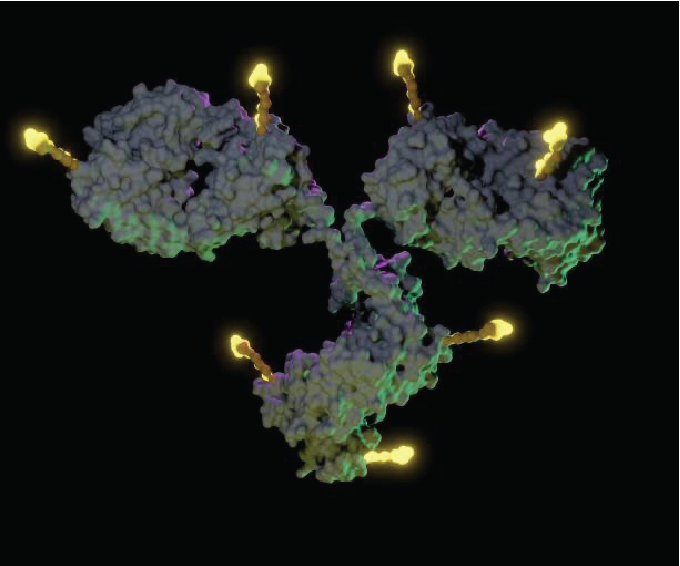 |
Henlius received NMPA approval for HLX37 trial combining bispecific antibody with ADC; Clinical trials and research. Credit: iStock. |
Henlius received NMPA approval for HLX37 trial combining bispecific antibody with ADC [30]
Henlius announced that China’s NMPA approved a Phase 1 trial of HLX37, a PD-L1xVEGF bispecific antibody, as monotherapy and in combination with chemotherapy or HLX43, a PD-L1-targeting ADC, in advanced/metastatic solid tumors. HLX37 is designed to block PD-1/PD-L1 signaling while inhibiting angiogenesis, with PD-L1 binding intended to enrich the bispecific within the TME. HLX43 combines immune checkpoint blockade with payload-mediated cytotoxicity and is being evaluated across >10 studies spanning multiple solid tumor types, with >1,000 patients enrolled globally. A separate Phase 1 study of HLX37 monotherapy is ongoing.
Risvutatug rezetecan met overall survival endpoint in Phase 3 SCLC trial [31]
GSK and Hansoh Pharma announced that ARTEMIS-008, a Phase 3 trial of risvutatug rezetecan (Ris-Rez) in advanced or relapsed SCLC in China, met its primary endpoint of OS versus topotecan, with consistent benefit on PFS and no new safety signals. Ris-Rez is a B7-H3-targeted ADC using a Topo-1 inhibitor payload, and this marks the first positive Phase 3 OS data for a B7-H3-targeted ADC in any tumor type. Hansoh will use the data for regulatory submission in China; GSK holds global rights outside Greater China and is running the global Phase 3 EMBOLD SCLC-301 trial.
Inotuzumab ozogamicin cleared measurable residual disease in B-cell ALL trial [32]
Researchers at MD Anderson Cancer Center published Phase 2 results in Blood Cancer Journal showing that inotuzumab ozogamicin, an ADC, achieved measurable residual disease (MRD) negativity in 70% of 37 patients with B-cell acute lymphoblastic leukemia, including responses in both Philadelphia chromosome-positive and -negative disease. Patients treated earlier had the most favorable outcomes. Relapse-free survival was 40 months, and median survival was 61 months. The treatment was well tolerated with manageable side effects. Investigators noted MRD clearance may improve eligibility for stem cell transplant or CAR-T cell therapy by lowering disease burden beforehand.
InnoCare Pharma dosed first patient with CDH17-targeted ADC [33]
InnoCare Pharma announced first-patient dosing of ICP-B208, a CDH17-targeting ADC using a humanized anti-CDH17 antibody coupled via a protease-cleavable linker to a proprietary payload, designed for precise tumor targeting with minimized off-target effects. CDH17 is highly expressed across gastrointestinal solid tumors including colorectal, gastric, pancreatic, and biliary tract cancers, with no CDH17-targeted ADCs currently marketed globally. ICP-B208 is the company’s second ADC candidate to enter clinical development, following ICP-B794 targeting B7-H3, as part of its broader differentiated ADC platform strategy.
Henlius dosed first patient with c-METxEGFR bispecific ADC in China [34]
Shanghai Henlius Biotech announced first-patient dosing in a Phase 1 trial of HLX48, a c-METxEGFR bispecific ADC built on its Hanjugator platform, in advanced/metastatic solid tumors. HLX48 conjugates a camptothecin-based Topo-1 inhibitor payload via a hydrophilic linker, with a DAR of ~4 and higher affinity for c-MET than EGFR, designed to limit EGFR-related normal-tissue toxicity while enabling strong bystander killing, which reported a >10-fold stronger activity than deruxtecan in preclinical models. The dose-escalation study spans six cohorts (1.5–15 mg/kg). HLX48 previously received clinical trial approval in China and Australia in May 2026.
ADC Therapeutics completed enrollment in ZYNLONTA plus glofitamab combination trial [35]
ADC Therapeutics announced completion of enrollment in the Phase 1b LOTIS-7 trial evaluating ZYNLONTA (loncastuximab tesirine-lpyl) combined with the bispecific antibody glofitamab in relapsed/refractory diffuse large B-cell lymphoma. The trial enrolled 100 patients at the selected 150 µg/kg ZYNLONTA dose across 30 sites. Previously reported data from 49 efficacy-evaluable patients showed an 89.8% ORR and 77.6% complete response rate with a manageable safety profile at a minimum 6-month follow-up. Full LOTIS-7 data are expected at a medical meeting and for publication by the end of 2026.
Avacta reported faridoxorubicin activity independent of FAP expression level [36]
Avacta Therapeutics reported clinical data for faridoxorubicin (AVA6000), a FAP-cleavable linker-conjugated doxorubicin using its pre|CISION platform, in salivary gland cancer (SGC) and soft tissue sarcoma cohorts. The SGC cohort showed four confirmed partial responses and eight minor responses, with median progression-free survival not yet mature. Biopsy and FAPI-PET imaging data showed no relationship between FAP expression level and tumor response, and FAP expression persisted despite tumor shrinkage, supporting a proposed ‘bystander effect’ in which the platform’s extracellular, FAP-cleavable linker enables activity independent of intracellular internalization or high target expression.
Araris and Taiho dosed first patient with CD79b-targeted ADC [37]
Araris Biotech and Taiho Oncology announced first-patient dosing in a Phase 1 trial of ARC-02, a CD79b-targeted ADC for non-Hodgkin lymphoma, and the first clinical candidate from Araris’ AraLinQ site-specific conjugation platform. ARC-02 uses the Arastatin linker-payload to deliver MMAE via site-specific attachment to the Q295 residue on the antibody Fc framework, designed to preserve antibody pharmacokinetics and effector function while providing stable, isopeptide-bond linkage with intracellular payload release. The companies noted that ARC-02’s preclinical safety profile may support future application beyond hematologic malignancies, including autoimmune diseases.
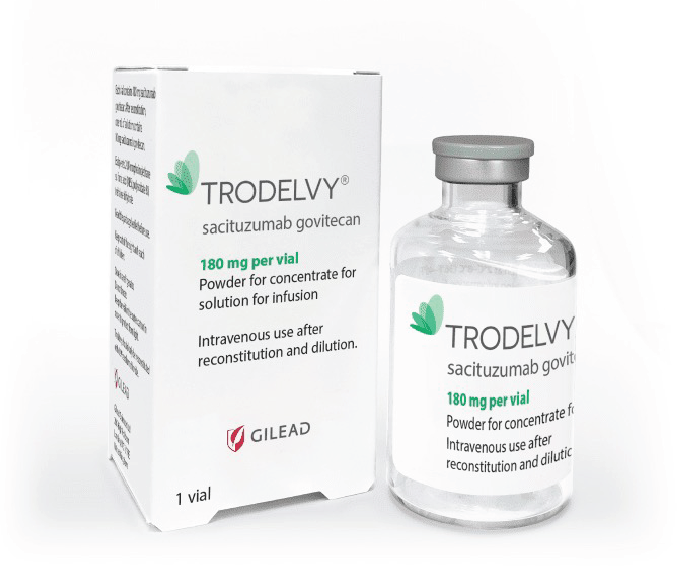 |
Trodelvy® became first ADC approved for first-line metastatic TNBC in Europe; Clinical trials and research. Credit: Trodelvy. |
Trodelvy became first ADC approved for first-line metastatic TNBC in Europe [38]
Gilead announced that the European Commission granted marketing authorization for Trodelvy (sacituzumab govitecan-hziy) as monotherapy for adults with unresectable or metastatic TNBC who have not received prior systemic therapy for metastatic disease and are not candidates for PD-1/PD-L1 inhibitor therapy. It is the first ADC approved for first-line metastatic TNBC across the EU, Norway, Iceland, and Liechtenstein. The approval is based on the Phase 3 ASCENT-03 study, which showed a 38% reduced risk of disease progression or death versus standard chemotherapy, using a crossover design allowing chemotherapy-arm patients to receive Trodelvy after progression.
Sigvotatug vedotin missed overall survival endpoint in Phase 3 NSCLC trial [39]
Pfizer reported topline Phase 3 SigVie-002 results for sigvotatug vedotin, an IB6-directed ADC, in previously treated non-squamous NSCLC. The study did not meet its primary endpoint of OS versus docetaxel in the overall population. In patients with only one prior line of therapy, a stronger OS and progression-free survival trend favored sigvotatug vedotin. No clear IB6 expression-response relationship was observed. Safety was manageable and consistent with prior studies. Pfizer is continuing development, including a Phase 3 trial combining sigvotatug vedotin with pembrolizumab in first-line NSCLC, and other pipeline ADCs using Topo-1 inhibitor and auristatin payloads.
Henlius received Australian regulatory clearance to expand PD-L1 ADC trial [40]
Shanghai Henlius Biotech announced that its Phase 2 trial evaluating HLX43, a PD-L1-targeting ADC, in combination with serplulimab for neoadjuvant treatment of NSCLC received Human Research Ethics Committee approval and Therapeutic Goods Administration acknowledgment in Australia, supporting multi-regional expansion. HLX43 combines immune checkpoint blockade with a topoisomerase inhibitor payload. A 205-patient analysis of HLX43 monotherapy showed encouraging anti-tumor activity across NSCLC subgroups regardless of histology or PD-L1 expression, with a manageable safety profile. Two further HLX43 studies are ongoing in multiple countries.
Tools and Technologies |
Altruist Biologics received trilateral regulatory clearance for ADC production at Hangzhou site [41]
Altruist Biologics announced that its application for segmented ADC production at its Hangzhou site passed inspection from three provincial regulatory bodies in China, marking the first trilateral approval of its kind. The facility supports high-potency ADC and AXC bioconjugation manufacturing at small and large scale, with single-use reactor systems handling conjugation up to 500 L (1,000–5,000 L under construction) and high-containment systems achieving an occupational exposure limit of 5 ng/m³. The site includes automated aseptic filling and lyophilization capacity. Altruist has managed more than 40 ADC and AXC projects spanning pre-IND through Phase 3 and PPQ.
Lonza expanded payload-linker manufacturing capacity at its Visp site [42]
Lonza announced plans to expand its drug-linker center of excellence and payload-linker manufacturing capacity at its Visp site, adding commercial-scale capabilities for highly potent APIs and ADC payload-linkers within an existing GMP facility. The expansion includes new production and purification capacity alongside dedicated analytical and process development laboratories, designed for flexible, multipurpose use with room for additional suites as demand grows. It connects to Lonza’s existing integrated ADC ecosystem in Visp and Stein, spanning antibody manufacturing, conjugation, drug product manufacturing, and quality control for highly potent payload-linkers. The facility is expected to become operational in 2028.

References
1. Ardigen. Ardigen and VERAXA Biotech announce AI-enabled drug discovery collaboration. Jul 13, 2026.
2. HanchorBio. HanchorBio and InxMed Sign Strategic MOU to Explore HCB101-Based Combination Therapies for Difficult-to-Treat Solid Tumors. Jul 8, 2026.
3. Biocytogen. Biocytogen and Whitehawk Therapeutics Enter Global Collaboration for Bispecific Antibody ADC Development. Jul 7, 2026.
4. Novartis. Novartis agrees to acquire Myricx Bio, advancing next-generation antibody-drug conjugate innovation with a novel NMTi payload, expanding options for cancer patients. Jul 6, 2026.
5. AimedBio. AimedBio Signs Strategic Collaboration with Inocras to Advance Precision Medicine-driven Oncology Drug Development. Jun 26, 2026.
6. One Biosciences. One Biosciences receives BOOST funding from ParisSaclay Cancer Cluster to advance the first single-cell assay approach for ADC therapies. Jun 22, 2026.
7. Navrogen. Navrogen Awarded Key Patent in China for NAV-001: An Innovative Anti-Mesothelin Antibody-Drug Conjugate (ADC) Targeting Difficult-to-Treat Cancer. Jul 14, 2026.
8. SOTIO Biotech. FDA Grants Fast Track Designation to SOTIO’s SOT109, a CDH17-targeting ADC for Colorectal Cancer. Jul 14, 2026.
9. Astellas Pharma. US FDA Approves PADCEV® plus Keytruda® as Neoadjuvant and Adjuvant Treatment for Muscle-Invasive Bladder Cancer Regardless of Cisplatin Eligibility. Jul 13, 2026.
10. Astellas Pharma. China’s National Medical Products Administration Accepts Biologics License Application for PADCEV™ (enfortumab vedotin) plus Keytruda® (pembrolizumab) in Muscle-Invasive Bladder Cancer. Jul 7, 2026.
11. CSPC Pharma. SYS6043 Granted Breakthrough Therapy Designation in China for the Treatment of Platinum-Resistant Ovarian Cancer, Primary Peritoneal Carcinoma and Fallopian Tube Cancer. Jul 2, 2026.
12. Daiichi Sankyo. Enhertu® Approved in the EU as First Tumor Agnostic HER2 Directed Therapy and Antibody Drug Conjugate for Patients with Previously Treated HER2 Positive Metastatic Solid Tumors. Jun 29, 2026.
13. Daiichi Sankyo. Datroway® Recommended for Approval in the EU by CHMP as First-Line Treatment for Patients with Metastatic Triple Negative Breast Cancer Who Are Not Candidates for Immunotherapy. Jun 26, 2026.
14. CanSinoBIO. CanSinoBIO’s MCV4 Receives Registration Approval in Argentina, Expanding Global Reach. Jun 25, 2026.
15. Gilead Sciences. US FDA Approves Trodelvy® for First-Line Treatment of Metastatic Triple-Negative Breast Cancer. Jun 24, 2026.
16. Astellas Pharma. European Commission Approves PADCEV™ (enfortumab vedotin) in Combination with Keytruda® (pembrolizumab) as the First and Only Approved Perioperative Treatment Option for Cisplatin-Ineligible Patients with Resectable Muscle-Invasive Bladder Cancer. Jun 24, 2026.
17. SystImmune. SystImmune Announces First Approval of Iza-bren for the Treatment of Recurrent or Metastatic Nasopharyngeal Carcinoma in China. Jun 22, 2026; SystImmune Announces Second Approval of Iza-bren in China for the Treatment of Recurrent or Metastatic Esophageal Squamous Cell Carcinoma. Jul 17, 2026.
18. Merck. US FDA Approves an Additional Indication for CAPVAXIVE® (Pneumococcal 21-valent Conjugate Vaccine) in Children and Adolescents Aged 2 through 17 at Increased Risk for Pneumococcal Disease. Jun 18, 2026.
19. Roche. FDA accepts supplemental Biologics License Application for Roche’s Lunsumio and Polivy combination for people with relapsed or refractory large B-cell lymphoma. Jun 18, 2026.
20. Zai Labs. Zai Lab Receives EMA Orphan Drug Designation for Zocilurtatug Pelitecan (Zoci) in Pulmonary Neuroendocrine Carcinomas. Jun 16, 2026.
21. Akari Therapeutics. Akari Therapeutics Completes Previously Announced PIPE, Strengthening Balance Sheet Ahead of Potential Key Clinical and Regulatory Milestones. Jun 29, 2026.
22. ADC Therapeutics. ADC Therapeutics Announces Strategic Reorganization to Support ZYNLONTA® Growth Opportunities and Regulatory Priorities. Jun 24, 2026.
23. Washington University School of Medicine. New approach to designing drugs supercharges cancer medication. Jul 15, 2026.
24. NeOnc Technology Holdings. FDA feedback provides detailed manufacturing and formulation requirements for continued late-stage development of NEO212. Jul 15, 2026.
25. RyboDyn. Rybodyn Awarded $1.3 million DOW Grant to Advance Novel Antibody Therapies for Lung Cancer. Jul 9, 2026.
26. Navrogen. Navrogen Publishes Breakthrough on NAV-005, A CA125 Antagonist That Improves Antibody Cancer Therapy and ADC Efficacy. Jul 8, 2026.
27. VERAXA Biotech AG. VERAXA Biotech Establishes in vitro Proof-of-Concept for Novel BiTAC-ADC Technology Platform and Launches Partnering Discussions at BIO International Convention 2026. Jun 18, 2026.
28. Intensity Therapeutics. Intensity Therapeutics, Inc. Restarts Patient Treatment in the Randomized, Presurgical Triple Negative Breast Cancer Phase 2 Clinical Trial (INVINCIBLE-4 Study). Jul 15, 2026.
29. Sichuan Kelun-Biotech Biopharmaceutical. Kelun-Biotech Announces Phase 3 Study of Sacituzumab Tirumotecan (sac-TMT) in Combination with Pembrolizumab as First-Line Treatment for PD-L1-Negative Non-Squamous NSCLC Met Primary Endpoint. Jul 14, 2026.
30. Shanghai Henlius Biotech. Henlius’ PD-L1×VEGF Bispecific Antibody HLX37 Receives NMPA IND Approval for a Phase 1 Study, Advancing Next-Generation IO Combination Strategy. Jul 10, 2026.
31. GSK. GSK’s licensor Hansoh Pharma announces positive Phase 3 results for Ris-Rez in China patient population. Jul 10, 2026.
32. The University of Texas MD Anderson Cancer Center. Novel antibody-drug conjugate eliminates residual cancer cells in majority of patients with B-cell ALL. Jul 7, 2026.
33. InnoCare Pharma. InnoCare Pharma’s novel ADC drug ICP-B208, targeting CDH17, has completed its first patient dosing. Jul 6, 2026.
34. Shanghai Henlius Biotech. Henlius Doses First Patient with c-MET x EGFR Bispecific ADC HLX48. Jul 1, 2026.
35. ADC Therapeutics. ADC Therapeutics Announces Completion of Enrollment in LOTIS-7 Phase 1b ZYNLONTA® Combination Trial. Jun 30, 2026.
36. Avacta Therapeutics. Avacta Reports Platform-Validating Data with Faridoxorubicin during BIO International Conference. Jun 25, 2026.
37. Taiho Oncology. Araris Biotech AG and Taiho Oncology Announce Dosing of First Patient in Phase 1 Trial of ARC-02, a Novel ADC for the Treatment of Non-Hodgkin Lymphoma. Jun 23, 2026.
38. Gilead Sciences. European Commission Approves Trodelvy® as a First-Line Treatment for Metastatic Triple-Negative Breast Cancer Patients Not Candidates for PD-(l)1 Inhibitors. Jun 23, 2026.
39. Pfizer. Pfizer Announces Topline Phase 3 Results for Sigvotatug Vedotin in Previously Treated Metastatic Non-Squamous Non-Small Cell Lung Cancer. Jun 22, 2026.
40. Shanghai Henlius Biotech. Exploring Earlier-Stage Treatment Potential: Henlius’ Phase 2 Clinical Trial of HLX43 in Combination with Serplulimab for Neoadjuvant Treatment of NSCLC Approved for Clinical Trial in Australia. Jun 17, 2026.
41. Altruist Biologics. Altruist Biologics’ Hangzhou Antibody-Drug Conjugate Facility Receives Provincial Regulatory Approval for Segmented Production. Jul 8, 2026.
42. Lonza. Lonza Expands HPAPI Capacity in Visp, Further Supporting its Position in Payload-Linker Manufacturing. Jun 30, 2026.