
Industry Insights: Regulatory milestones, high-volume dealmaking, and ASCO data readouts signal a landmark month for bioconjugates
Bioconjugate Insights 2026; 1(4), 185–201
DOI:10.18609/bci.2026.023
June brought an active month for the bioconjugate field, with a dense cluster of regulatory approvals, high-volume dealmaking, and an expansive ASCO Annual Meeting serving as the month’s central platform for clinical data disclosure. Regulatory highlights spanned multiple geographies and ADC formats: the US FDA approved pivekimab sunirine-pvzy for BPDCN and datopotamab deruxtecan for first-line metastatic TNBC, and granted two new indications for trastuzumab deruxtecan in early HER2-positive breast cancer. The EMA’s CHMP issued positive opinions for sacituzumab govitecan in first-line TNBC and enfortumab vedotin plus pembrolizumab as perioperative treatment in muscle-invasive bladder cancer. In China, NMPA approvals were received for tisotumab vedotin in cervical cancer and disitamab vedotin plus toripalimab in urothelial carcinoma, while Innovent Biologics submitted the first CLDN18.2-targeting ADC for regulatory review globally. The US FDA also issued a draft guidance proposing streamlined nonclinical safety requirements for conjugated oncology products, a development with broad implications for ADC development timelines. The ASCO Annual Meeting 2026 dominated the clinical data landscape, with more than 20 companies presenting ADC-related findings across solid tumors and haematological malignancies. Notable datasets included a 62% confirmed ORR for DLL3-targeting ADC BL-M14D1 in heavily pretreated SCLC, a 61% confirmed ORR for NaPi2b-targeting TUB-040 in platinum-resistant ovarian cancer, and compelling multicenter Phase 1 data for B7-H3-targeting SKB500 and SEZ6-targeting ABBV-706. Bispecific ADC formats featured prominently, with Phase 3 data for izalontamab brengitecan in TNBC and esophageal cancer, and first-in-human data for ABBV-969 and NEOK001/NEOK002. Beyond ASCO, updated Phase 1 data for ZW191 in gynecologic cancers and first-in-human data for LFD-200 in autoimmune disease extended the breadth of clinical activity into non-oncology indications. Dealmaking activity was substantial. The Pfizer–Innovent Biologics collaboration, covering 12 early-stage ADC and multispecific antibody programs for a $650 million upfront payment and up to $9.85 billion in milestones, represented the month’s headline transaction. Johnson & Johnson agreed to acquire Firefly Bio and its degrader antibody conjugate platform for $1 billion, and Gilead Sciences completed its $3.15 billion acquisition of Tubulis. Lonza featured across multiple licensing agreements, with Antharis Therapeutics, Stipple Bio, and AmMax Bio each accessing distinct elements of its ADC technology portfolio. Emerging modalities continued to attract investment, with Regeneron partnering with Parabilis Medicines on Antibody–Helicon Conjugates targeting intracellular proteins, and Novartis reporting positive Phase 1/2 biomarker data for del-brax, an antibody oligonucleotide conjugate, in facioscapulohumeral muscular dystrophy. In this issue: Collaborations, Partnerships, and Acquisitions Start-up Companies Regulatory Changes and Updates Market Trends Research and Development Highlights Clinical Trials and Research Tools and Technologies Conferences, Events, and Publications |
COLLABORATIONS, PARTNERSHIPS, AND ACQUISITIONS |
Antharis Therapeutics licensed Lonza's dual-payload ADC platform to develop next-generation ADCs for gastrointestinal cancers [1]
Antharis Therapeutics has entered into an exclusive, target-specific licensing agreement with Lonza to develop dual-payload ADCs targeting gastrointestinal cancers. Under the agreement, Antharis gains access to Lonza’s clinically validated, site-specific dual-payload ADC technology platform, which will be combined with Antharis’ proprietary antibody engineering and target biology capabilities. The collaboration will initially support Antharis’ lead ADC program, which is about to enter the clinic. Antharis retains full responsibility for research, development, and commercialization, while Lonza will manufacture components related to its proprietary payload and linker technologies and is eligible to receive milestone and royalty payments.
AmMax Bio licensed Lonza's SYNtecan exatecan linker-payload platform to develop ADC targeting venetoclax-resistant acute myeloid leukemia [2]
AmMax Bio has entered into a non-exclusive licensing agreement with Lonza, gaining access to its exatecan-based SYNtecan™ linker-payload platform for the development of AMB-104, an ADC targeting monocytic acute myeloid leukemia (AML) cells to address venetoclax and azacitidine resistance. AMB-104 combines a clinically validated monoclonal antibody with Lonza’s linker-payload technology to deliver a cytotoxic payload to hematological cancer cells. AmMax retains responsibility for research, development, and commercialization, while Lonza will manufacture components related to the licensed technologies and is eligible to receive milestone and royalty payments. An IND submission is planned for early 2027.
Johnson & Johnson agreed to acquire Firefly Bio and its degrader antibody conjugate platform targeting KRAS-driven tumors for $1 billion [3]
Johnson & Johnson has entered into a definitive agreement to acquire Firefly Bio for $1 billion in cash, gaining access to its proprietary Firelink™ degrader antibody conjugate (DAC) platform. The platform is designed to deliver selective protein degraders to KRAS-driven tumor cells while sparing healthy tissue, addressing a target historically considered undruggable. The acquisition is intended to expand Johnson & Johnson’s oncology pipeline with preclinical candidates across multiple KRAS-driven solid tumor types. Transaction close is expected later in 2026, subject to regulatory approvals and customary closing conditions.
 |
Stipple Bio licensed Lonza’s ADC platform to develop epitope-targeted precision oncology ADCs; Collaborations, partnerships, and acquisitions. Credit: Stipple Bio. |
Stipple Bio licensed Lonza's ADC platform to develop epitope-targeted precision oncology ADCs [4]
Stipple Bio has entered into a multi-target licensing agreement with Lonza to access its ADC technology platform for the development of precision oncology ADCs. Under the agreement, Stipple Bio gains access to Lonza’s GlycoConnect® site-specific antibody conjugation technology, HydraSpace® polar spacer technology, and toxSYN® linker-payload system to support its lead program STP-100 and additional targets. Stipple Bio’s Pointillist Platform identifies tumor-specific cell surface epitopes designed to enable high therapeutic index ADCs with reduced on-target/off-tumor toxicity. Lonza is eligible to receive milestone payments and royalties, while Stipple Bio retains responsibility for research, development, and commercialization.
Dark Horse Consulting Group and Altruist Biologics signed MOU to streamline biologics and ADC development and manufacturing in China [5]
Dark Horse Consulting Group and Altruist Biologics, a CDMO and wholly-owned subsidiary of Innovent Biologics, have signed a memorandum of understanding (MOU) to establish a strategic collaboration supporting the development and cGMP manufacture of biologics, including ADCs. Altruist Biologics operates cGMP facilities in Suzhou and Hangzhou offering services spanning cell line development through bioconjugation. Dark Horse contributes regulatory, CMC, clinical, and commercial consulting expertise. The collaboration is designed to provide sponsors outside China with a streamlined pathway to access Chinese biomanufacturing infrastructure while meeting NMPA, US FDA, and EMA regulatory requirements.
Intravacc and Primrose Bio renewed strategic partnership to offer integrated conjugate vaccine development and manufacturing solution [6]
Intravacc, a CDMO specializing in infectious disease and therapeutic vaccines, and Primrose Bio have renewed their strategic partnership to streamline conjugate vaccine development and supply. Under the agreement, Primrose Bio will supply its PeliCRM197® carrier protein while Intravacc contributes expertise in antigen conjugation process development, scale-up, and GMP manufacturing. The partnership is designed to offer third-party clients a seamless solution across conjugate vaccine development and manufacturing, spanning preclinical through clinical stages.
Pfizer and Innovent Biologics entered global licensing and collaboration agreement for 12 early-stage ADC and multispecific antibody programs [7]
Pfizer and Innovent Biologics have entered into a strategic global licensing and collaboration agreement covering 12 early-stage oncology programs, comprising eight Innovent-originated programs and four Pfizer-proposed discovery programs. The portfolio includes ADCs with novel differentiated payloads and multispecific antibodies with differentiated immune-engaging designs. Innovent will lead development through Phase 1, after which Pfizer will assume global development leadership. The licensing structure varies by program, spanning exclusive global licenses, ex-Greater China licenses, and co-development and co-commercialization arrangements in the US and Europe. Innovent will receive a $650 million upfront payment and is eligible for up to $9.85 billion in milestone payments.
Asahi Kasei Life Science licensed novel site-specific ADC conjugation technology from The Noguchi Institute [8]
Asahi Kasei Life Science has acquired a license for an ADC technology developed by The Noguchi Institute, enabling precise control over DAR and conjugation site for single- and dual-payload ADCs. The technology, derived from research into carbohydrates and glycans, is designed to improve molecular structure conformity and enhance the predictability of drug efficacy and safety. The agreement includes joint research to develop the platform and commercialization initiatives, such as potential sublicensing to biopharma companies and CDMOs, including Bionova Scientific, an Asahi Kasei company. The dual-payload platform capability is intended to broaden therapeutic applicability and potentially reduce toxicity across a range of disease indications.
Adcendo and MSD entered clinical trial collaboration to evaluate tissue factor-targeting ADC ADCE-T02 with pembrolizumab [9]
Adcendo has entered into a clinical trial collaboration and supply agreement with MSD to evaluate ADCE-T02, a Topoisomerase 1 (Topo-1) inhibitor-based ADC targeting tissue factor, in combination with pembrolizumab (Keytruda) in a Phase 1b study in patients with advanced solid tumors. Under the agreement, MSD will supply pembrolizumab, while Adcendo will sponsor the combination trial. Both companies retain independent commercial rights to their respective compounds. First patient dosing is anticipated in the second half of 2026. ADCE-T02 is currently under evaluation as monotherapy in the Phase 1 Tiffany-01 trial.

Adcendo and MSD entered clinical trial collaboration to evaluate tissue factor-targeting ADC ADCE-T02 with pembrolizumab; Collaborations, partnerships, and acquisitions. Credit: iStock.
Whitehawk Therapeutics secured option agreement with Hangzhou DAC for CPT113 linker-payload technology across up to five additional ADC programs [10]
Whitehawk Therapeutics has entered into an option agreement with Hangzhou DAC for access to the CPT113 linker-payload technology across five additional ADC programs. Whitehawk’s platform combines CPT113 with its proprietary Carbon Bridge Cysteine Re-pairing bioconjugation process, designed to improve ADC stability and therapeutic index. Whitehawk will retain global rights and full program control, with multiple INDs anticipated within 12–24 months.
Gilead Sciences completed acquisition of ADC biotech Tubulis [11]
Gilead Sciences has completed its acquisition of Tubulis GmbH, a clinical-stage ADC company, for $3.15 billion upfront and up to $1.85 billion in contingent milestone payments. The acquisition adds two clinical-stage ADC assets: TUB-040, a NaPi2b-directed Topo-1 inhibitor ADC utilizing Tubulis’ Tubutecan technology, which incorporates eight payloads attached via a stable, cleavable linker, currently in Phase 1/2a evaluation in platinum-resistant ovarian cancer and relapsed or refractory non-small cell lung cancer (NSCLC); and TUB-030, a 5T4-directed ADC under investigation across solid tumor types. Tubulis will continue operating from Munich as the Tubulis ADC Innovation Center.
Regeneron and Parabilis Medicines partnered to develop antibody–Helicon conjugates targeting intracellular proteins [12]
Regeneron and Parabilis Medicines have announced a strategic research collaboration to discover and develop therapeutics based on Parabilis’ Helicon platform, with a primary focus on Antibody–Helicon Conjugates (AHCs). Helicons are stabilized, cell-penetrant alpha-helical peptides designed to engage intracellular protein targets, including those considered undruggable by conventional small molecules. AHCs pair antibody-mediated cell targeting with Helicon payloads to selectively modulate intracellular proteins, analogous in delivery principle to ADCs. Parabilis will receive a $50 million upfront payment and a $75 million equity investment commitment, with up to approximately $2.2 billion in milestone payments across five initial targets plus tiered royalties on net sales.
START-UP COMPANIES |
ClearideBio Therapeutics launched as preclinical ADC company with pre-seed investment from LOTTE Holdings [13]
ClearideBio Therapeutics, a preclinical-stage biotechnology company developing next-generation ADCs for solid tumors, has been established in Basel, Switzerland, with pre-seed financing led by LOTTE Holdings CVC. Founded in December 2025, ClearideBio’s platform integrates differentiated antibody engineering with novel payload and conjugation strategies. The company is advancing a lead preclinical ADC program toward initial clinical development alongside a broader pipeline targeting multiple solid tumor indications. The investment marks LOTTE Holdings CVC’s first investment in a European biotechnology company.
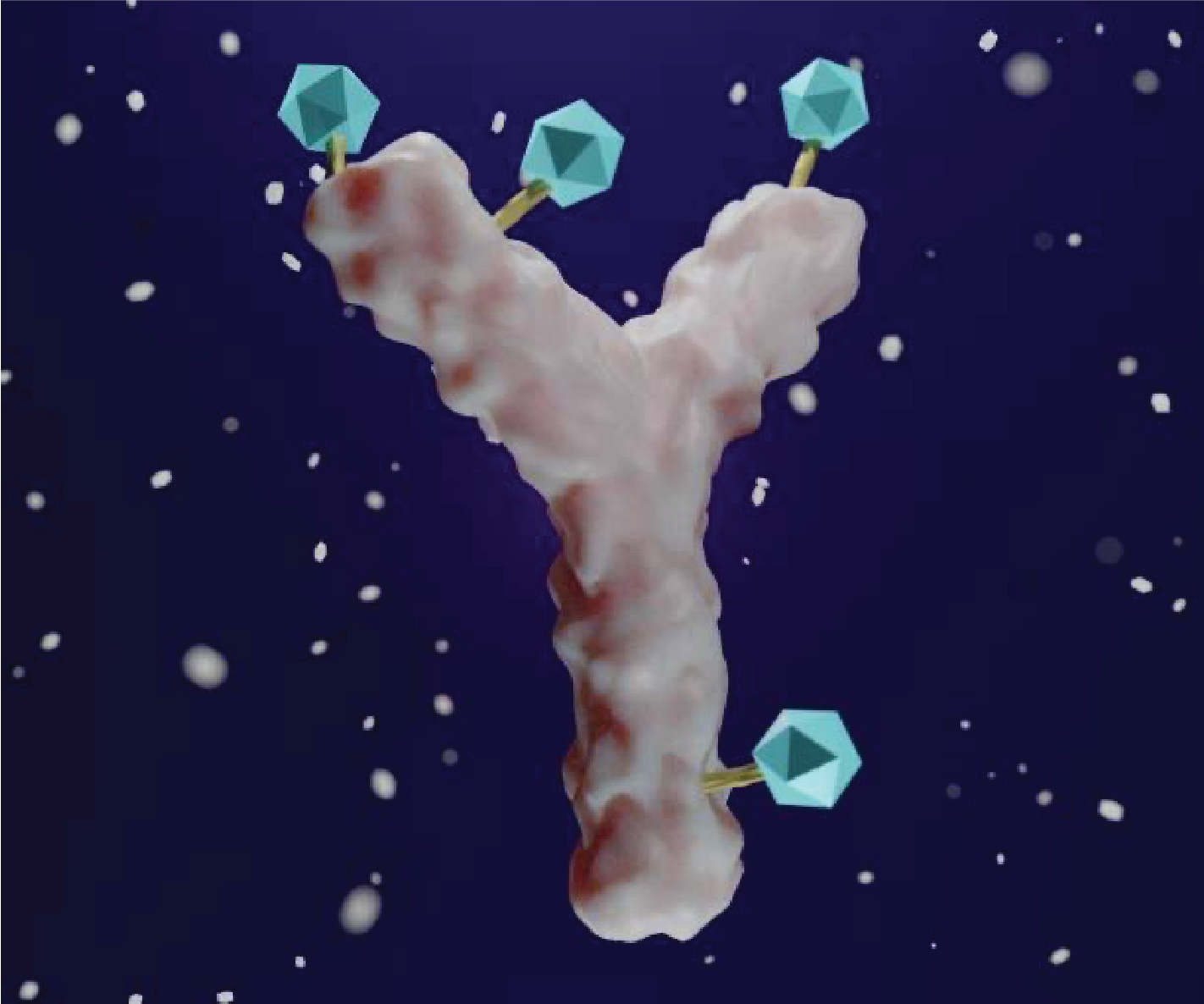
ClearideBio Therapeutics launched as preclinical ADC company with pre-seed investment from LOTTE Holdings; Start-up companies. Credit: iStock.
Biodelphis Therapeutics launched to develop antibody–peptide conjugates targeting cancer-driving proteases [14]
Biodelphis Therapeutics, an EPFL spin-off, has been founded to develop antibody–peptide conjugates designed to inhibit disease-driving proteases in solid tumors, including pancreatic and lung cancer. The platform combines peptide-based target specificity with targeted delivery to reduce toxicity in healthy tissues while improving treatment precision in cancers that do not respond to existing therapies. The company has received CHF 150,000 from Venture Kick to support the final stage of preclinical development of its lead assets and expand its drug development platform.
REGULATORY CHANGES AND UPDATES |
Tissue factor-targeting ADC tisotumab vedotin for recurrent or metastatic cervical cancer approved by China's NMPA [15]
China’s NMPA has approved tisotumab vedotin (TIVDAK), a tissue factor-targeting ADC utilizing a protease-cleavable linker to deliver MMAE, for adult patients with recurrent or metastatic cervical cancer with disease progression on or after chemotherapy. Approval is based on Phase 3 innovaTV 301 data, in which tisotumab vedotin demonstrated a significant overall survival (OS) benefit versus chemotherapy in the global intention-to-treat population. The China subpopulation showed consistent results, including in patients with prior anti-PD-(L)1 therapy exposure. Zai Lab holds an exclusive license for tisotumab vedotin in Greater China.
China's NMPA cleared IND for STEAP1-targeting ADC, expanding Phase 1 trial to include Chinese clinical centers [16]
Adcentrx Therapeutics has received IND clearance from China’s National Medical Products Administration (NMPA) for ADRX-0405, a STEAP1-targeting ADC comprising a humanized IgG1 antibody conjugated to a topoisomerase inhibitor linker-payload via the company’s i-Conjugation technology at DAR 8. The clearance enables the inclusion of China-based clinical centers in the ongoing Phase 1a/1b trial in patients with advanced solid tumors, including metastatic castration-resistant prostate cancer, gastric cancer, and NSCLC. The Phase 1a dose-escalation portion is anticipated to complete by Q4 2026.
Innovent Biologics submitted NDA for CLDN18.2-targeting ADC arcotatug tavatecan in gastric cancer following positive Phase 3 interim analysis [17]
Innovent Biologics has submitted an NDA to China’s NMPA for arcotatug tavatecan (IBI343), a CLDN18.2-targeting ADC incorporating an exatecan Topo-1 inhibitor payload via a cleavable linker and Fc silencing, for previously treated locally advanced unresectable or metastatic CLDN18.2-positive gastric or gastroesophageal junction adenocarcinoma. The submission, accepted with priority review, is supported by a positive per-protocol first interim analysis from the Phase 3 G-HOPE-001 trial, in which arcotatug tavatecan met its primary endpoints of progression-free survival (PFS) and OS versus investigator-selected therapy. Arcotatug tavatecan is reported to be the first CLDN18.2-targeting ADC to be submitted for regulatory review globally.
US FDA granted orphan drug designation to LRRC15-targeting ADC SOT106 for osteosarcoma [18]
The US FDA has granted orphan drug designation to SOT106, an ADC targeting leucine-rich repeat-containing 15 (LRRC15), for the treatment of osteosarcoma. LRRC15 is broadly expressed across sarcoma subtypes and in tumor-associated stroma. Preclinical data demonstrate anti-tumor activity in soft tissue and osteosarcoma models with favorable tolerability. SOTIO Biotech expects to initiate a first-in-human clinical trial of SOT106 in the second half of 2026. Osteosarcoma is the most common bone cancer in children and adolescents and has seen limited therapeutic innovation over the past four decades, with treatment continuing to rely primarily on chemotherapy, surgery, and radiation.
US FDA issued draft guidance to streamline nonclinical safety studies for biologics and conjugated products in oncology [19]
US FDA has issued a draft guidance titled ‘Oncology Pharmaceuticals: Streamlined Nonclinical Safety Studies for Biologics and Conjugated Products’, recommending measures to reduce unnecessary animal testing in nonclinical safety assessments for certain cancer drugs, including conjugated products. Recommendations include eliminating animal testing where no binding or pharmacologic activity exists, using a single rodent species rather than two, and replacing 3-month non-human primate studies with weight-of-evidence risk assessments incorporating New Approach Methodologies. The guidance supplements existing ICH guidance and FDA guidance on oncology radiopharmaceuticals.

US FDA issued draft guidance to streamline nonclinical safety studies for biologics and conjugated products in oncology; Regulatory changes and updates. Credit: iStock.
China's CDE endorsed pivotal Phase 3 study of CLDN18.2-targeting ADC in gastric and gastroesophageal junction adenocarcinoma [20]
Antengene has received endorsement from China’s Center for Drug Evaluation (CDE) to conduct the pivotal Phase 3 CLINCH-3 study of ATG-022, a Claudin 18.2 (CLDN18.2)-targeting ADC, in patients with CLDN18.2-positive advanced gastric or gastroesophageal junction adenocarcinoma. The randomized, controlled, open-label, multicenter study, planned as a multi-regional clinical trial, will evaluate ATG-022 monotherapy versus investigator’s choice, with PFS and OS as primary endpoints. The decision is supported by Phase 1/2 CLINCH study data, in which ATG-022 at 1.8 mg/kg achieved an objective response rate (ORR) of 46.7% and disease control rate (DCR) of 86.7% in patients with CLDN18.2 IHC 2+ >20% tumors, with a median PFS of 6.97 months and Grade 3+ treatment-related adverse event incidence of 19.4%.
US FDA approved CD123-targeting ADC for blastic plasmacytoid dendritic cell neoplasm [21]
US FDA approved Decnupaz (pivekimab sunirine-pvzy), a CD123-targeting ADC, for adult patients with blastic plasmacytoid dendritic cell neoplasm (BPDCN), an ultra-rare and aggressive hematologic malignancy. The payload is an IGN that alkylates DNA and induces single-strand breaks leading to apoptosis. Approval is based on Phase 1/2 CADENZA trial data, in which newly diagnosed patients achieved a composite complete response rate of 69.7% with a median duration of response of 9.7 months; 39.4% subsequently received stem cell transplant. In relapsed or refractory patients, the composite complete response rate was 15.7% with a median duration of response of 9.2 months.
CHMP issued positive opinion for sacituzumab govitecan as first-line monotherapy in metastatic triple-negative breast cancer [22]
The EMA’s Committee for Medicinal Products for Human Use (CHMP) adopted a positive opinion recommending marketing authorization for sacituzumab govitecan (Trodelvy) as monotherapy for adults with unresectable locally advanced or metastatic triple-negative breast cancer (TNBC) who have received no prior systemic therapy for metastatic disease and are not candidates for PD-1 or PD-L1 inhibitor therapy. The recommendation is based on Phase 3 ASCENT-03 data, in which sacituzumab govitecan demonstrated a 38% reduction in the risk of disease progression or death versus standard-of-care chemotherapy in the first-line setting. A CHMP decision is anticipated later in 2026. A supplemental US FDA application for the same indication has also been submitted.
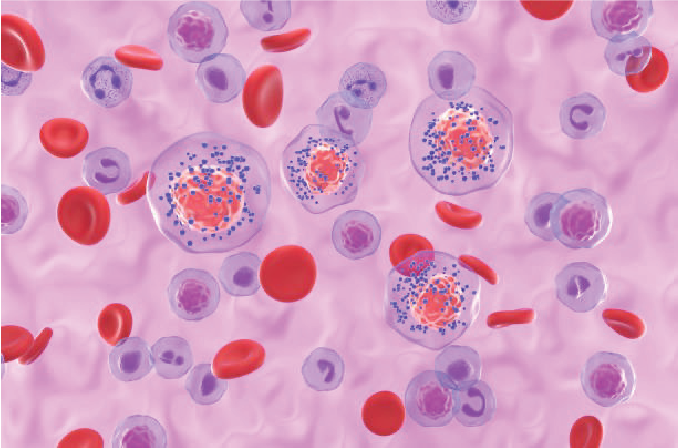
CHMP issued positive opinion for sacituzumab govitecan as first-line monotherapy in metastatic triple-negative breast cancer; Regulatory changes and updates. Credit: iStock.
EMA committee issued positive opinion for enfortumab vedotin plus pembrolizumab as perioperative treatment for muscle-invasive bladder cancer [23]
The EMA’s CHMP adopted a positive opinion recommending approval of enfortumab vedotin (Padvec) in combination with pembrolizumab as neoadjuvant treatment followed by adjuvant treatment after radical cystectomy in adults with resectable muscle-invasive bladder cancer (MIBC) ineligible for cisplatin-based chemotherapy. The recommendation is based on Phase 3 KEYNOTE-905 trial results, in which the combination significantly improved event-free survival, OS, and pathologic complete response rate versus surgery alone. A final European CHMP decision is expected by Q3 2026.
US FDA approved datopotamab deruxtecan for first-line metastatic TNBC in patients ineligible for immunotherapy [24]
The US FDA has approved datopotamab deruxtecan (Datroway), a TROP2-directed ADC co-developed by AstraZeneca and Daiichi Sankyo, for adults with unresectable or metastatic TNBC ineligible for PD-1 or PD-L1 inhibitor therapy. Approval was based on the Phase 3 TROPION-Breast02 study, in which datopotamab deruxtecan demonstrated a median OS of 23.7 months versus 18.7 months for chemotherapy (21% reduced risk of death), median PFS of 10.8 versus 5.6 months (43% reduced risk), and an ORR of 64% versus 30%. This represents datopotamab deruxtecan’s second breast cancer approval in the USA and its first in a first-line metastatic setting.
China approved disitamab vedotin and toripalimab combination for HER2-expressing urothelial carcinoma [25]
China’s NMPA approved the combination of disitamab vedotin, an ADC developed by RemeGen targeting HER2, and toripalimab, an anti-PD-1 antibody, for the first-line treatment of HER2-expressing locally advanced or metastatic urothelial carcinoma. Approval was based on the Phase 3 RC48-C016 study, in which the combination significantly improved PFS and OS versus gemcitabine plus cisplatin/carboplatin in treatment-naive patients. Median PFS was 13.1 versus 6.5 months and median OS was 31.5 versus 16.9 months. ORR was 76.1% versus 50.2%, with a median response duration of 14.6 versus 5.6 months.
GSK initiated pCPA negotiations for belantamab mafodotin combinations in relapsed or refractory multiple myeloma in Canada [26]
GSK has announced the start of negotiations with the pan-Canadian Pharmaceutical Alliance (pCPA) for belantamab mafodotin (Blenrep), an anti-BCMA ADC conjugated to the cytotoxic agent MMAF. Negotiations cover two combination regimens with bortezomib and dexamethasone, or with pomalidomide and dexamethasone for adult patients with relapsed or refractory multiple myeloma who have received at least one prior line of therapy.
FDA approved trastuzumab deruxtecan for neoadjuvant and adjuvant HER2-positive breast cancer [27]
The US FDA granted two new approvals for trastuzumab deruxtecan (Enhertu®). The neoadjuvant approval, supported by DESTINY-Breast11, demonstrated a pathologic complete response rate of 67.3% versus 56.3% for the standard ddAC-THP regimen. The adjuvant approval, based on DESTINY-Breast05, showed trastuzumab deruxtecan reduced the risk of invasive disease recurrence or death by 53% versus ado-trastuzumab emtansine. The approvals triggered milestone payments of $125 million and $30 million, respectively, from AstraZeneca to Daiichi Sankyo, and expand the drug’s treatable population by approximately 29,000 patients.
MARKET TRENDS |
Ona Therapeutics raised $86.6 million Series B to advance first-in-class ADC programs in breast and colorectal cancer [28]
Ona Therapeutics has closed an oversubscribed $86.6 million Series B financing, co-led by Columbus Venture Partners and Mérieux Equity Partners, with participation from COFIDES, Korys, and existing investors. Proceeds will fund clinical development of ONA-255, a first-in-class ADC targeting treatment-resistant breast cancer, and advance ONA-389, a first-in-class ADC targeting colorectal cancer, toward first-in-human studies.
Samsung Epis Holdings established Beijing R&D center with strategic focus on ADC technology platforms [29]
Samsung Epis Holdings has announced the establishment of a new R&D center in Changping District, Beijing, China, through its wholly owned subsidiary, Samsung Bioepis China R&D Center. Scheduled to open in June 2026, the center will serve as the company’s global R&D hub, with a strategic focus on securing ADC technology platforms and advancing novel biologic drug development. Located near Zhongguancun Life Science Park and academic institutions including Peking University and Tsinghua University, the center is designed to leverage China’s growing life sciences ecosystem and scientific talent base.

Samsung Epis Holdings established Beijing R&D center with strategic focus on ADC technology platforms; Market trends. Credit: Samsung Epis Holdings.
Akari Therapeutics raised $5.5 million in private placement to advance RNA splicing modulator ADC toward Phase 1 trial [30]
Akari Therapeutics has priced a private placement expected to raise approximately $5.5 million in gross proceeds to advance its lead ADC program toward a first-in-human Phase 1 clinical trial. The company’s lead candidate utilizes AKTX-101, a novel RNA splicing modulator payload. Proceeds will fund working capital and general corporate purposes, with gross proceeds distributed across three tranches between May and July 2026. The offering comprises 1,470,588 American Depository Shares priced at $3.74 per share, alongside Series H, I, and J Warrants, each exercisable for 1,470,588 shares at $3.74 per share with terms ranging from 18 to 60 months.
RESEARCH AND DEVELOPMENT HIGHLIGHTS |
Alteogen presented preclinical data supporting hyaluronidase ALT-B4 as an enabler of subcutaneous ADC delivery with improved pharmacokinetics and safety [31]
Alteogen presented preclinical data at the World ADC Summit South Korea evaluating subcutaneous (SC) administration of its anti-HER2 ADC ALT-P7 with and without its proprietary hyaluronidase ALT-B4 in minipigs. The ALT-B4 combination SC group demonstrated enhanced systemic exposure and bioavailability versus SC administration alone, alongside reduced local dermal toxicity. Compared with intravenous infusion, the ALT-B4 SC group showed a lower reduction in neutrophil counts and mitigated elevations in triglycerides and AST, suggesting an improved hematologic safety profile. The findings support ALT-B4 as a potential platform technology for optimizing the pharmacokinetics and tolerability of SC ADC formulations.
Real-world study identified significant hematologic toxicity variability across approved ADCs in clinical practice [32]
A real-world study led by researchers at the University of California, Irvine, analyzed treatment data from 3,511 patients across six University of California medical centers to evaluate hematologic toxicities associated with 10 US FDA-approved ADCs. The study found that rates of severe neutropenia, febrile neutropenia, and related complications, including hospitalization and intensive care admissions, varied considerably across individual ADCs. Underlying conditions such as anemia and immunodeficiency increased complication risk. The authors highlight the value of large-scale health system data for informing supportive care strategies and earlier monitoring interventions in ADC-treated patients.
Actinium Pharmaceuticals presented chelator-to-antibody ratio optimization data for actinium-225-labelled antibody radioconjugates [33]
Actinium Pharmaceuticals presented radiochemistry data at the SNMMI 2026 Annual Meeting evaluating chelator-to-antibody ratio (CAR) optimization for actinium-225 (225Ac)-labelled antibody radioconjugates. Key findings showed that CAR ≥1.7 enabled robust 225Ac labelling, while high CAR (7–9) reduced antigen binding and internalization. In vivo, a low-CAR (2.5) conjugate demonstrated comparable tumor uptake to higher-CAR conjugates but significantly reduced liver and spleen uptake, suggesting a wider therapeutic index. Both conjugates maintained radiochemical purity >97% over 7 days. The company states these findings underpin the radiochemistry design strategy across its broader radioconjugate pipeline.
Avacta reported clinical and preclinical progress across its peptide drug conjugate platform [34]
Avacta has reported FY25 progress across its pre|CISION peptide drug conjugate platform. AVA6103, a FAP-targeted exatecan conjugate, entered Phase 1 clinical trial in March 2026, with initial data anticipated in late H2 2026. AVA6000, a FAP-targeted doxorubicin conjugate, demonstrated encouraging efficacy and safety in salivary gland cancer, with a lifetime maximum dose restriction lifted following favorable cardiac safety data. Third-generation candidate AVA6207, incorporating dual-payload and sustained-release mechanisms, presented updated in vivo data at AACR.

Avacta reported clinical and preclinical progress across its peptide drug conjugate platform; Research and development highlights. Credit: Avacta.
Korro Bio added GalNAc-conjugated RNA-editing oligonucleotide KRRO-111 for alpha-1 antitrypsin deficiency to its pipeline [35]
Korro Bio has added KRRO-111 to its pipeline for the potential treatment of alpha-1 antitrypsin deficiency (AATD). KRRO-111 is a GalNAc-conjugated oligonucleotide administered subcutaneously, designed to recruit the endogenous adenosine deaminase acting on RNA enzyme to correct a pathogenic single nucleotide variant on AAT mRNA and restore normal AAT protein production. In preclinical studies, KRRO-111 corrected >90% of AAT transcripts in liver cells, translating to approximately 90% M-AAT protein.
Byondis established scientific advisory board to support ADC pipeline development [36]
Byondis has formed a Scientific Advisory Board to provide strategic and scientific counsel as the company advances its ADC pipeline and proprietary platform technologies. The board comprises four members with expertise spanning ADC development, clinical oncology, and antibody engineering: Anthony Tolcher, a specialist in early-phase oncology trials; John Lambert, a pioneer in ADC science with central roles in the development of trastuzumab emtansine (Kadcyla®) and mirvetuximab soravtansine (Elahere™); Kapil Dhingra, with extensive experience in ADC clinical and strategic development; and Paul Parren, an antibody technology inventor with contributions to nine US FDA- and EMA-approved therapeutic antibodies.
CLINICAL TRIALS AND RESEARCH |
Akeso enrolled first patient in Phase 1b/2 trial of HER3-targeting ADC AK138D1 in advanced breast cancer [37]
Akeso has enrolled the first patient in a Phase 1b/2 study (AK138D1-202) evaluating AK138D1, a HER3-targeting ADC comprising patritumab conjugated to deruxtecan via a cleavable MC-AAA linker, as monotherapy or in combination with ivonescimab in advanced breast cancer. The trial enrolls patients with hormone receptor-positive/HER2-negative and TNBC across multiple treatment lines. AK138D1 is engineered to reduce uptake in normal tissues and prevent ADC clustering on the tumor surface to improve tissue penetration. Early clinical data from studies in China and Australia have demonstrated anti-tumor activity with low hematologic toxicity and no observed interstitial lung disease.
Zymeworks reported Phase 1 data for FRα-targeting ADC ZW191 showing activity across FRα-positive and FRα-negative gynecologic cancers [38]
Zymeworks presented Phase 1 dose-escalation data for ZW191, a folate receptor alpha (FRα)-targeting ADC incorporating proprietary Topo-1 inhibitor payload ZD06519, at the ESMO Gynaecological Cancers Congress 2026. In platinum-resistant ovarian cancer, confirmed ORR was 78.6% in FRα-positive and 47.4% in FRα-negative patients across all dose levels, with 65.2% ORR in the 6.4–9.6 mg/kg dose range. In FRα-negative endometrial cancer patients, confirmed ORR was 40.0%. Median duration of response was not reached; median PFS was 7.6 months. Part 2a dose optimization in approximately 60 patients has completed enrollment, with data expected at a future meeting.
Immunome dosed first patient in Phase 1 trial of solid tumor ADC IM-1617 incorporating proprietary TOP1 inhibitor payload HC74 [39]
Immunome has dosed the first patient in a Phase 1 first-in-human trial of IM-1617, an ADC targeting an undisclosed receptor tyrosine kinase and incorporating HC74, Immunome’s proprietary Topo-1 inhibitor payload. The open-label, multicenter dose escalation and expansion study is evaluating safety, tolerability, pharmacokinetics, and preliminary anti-tumor activity in patients with advanced solid tumors, including colorectal cancer, NSCLC, and breast cancer. The targeted receptor is described as promoting tumor cell survival and mediating immune cell exclusion. Preclinical studies demonstrated tumor regression after a single clinically relevant dose across multiple solid tumor models.
Curium and PeptiDream completed patient dosing in Phase 2 registration trial of PSMA-targeting PET radioconjugate in Japan [40]
Curium Group, PeptiDream, and PDRadiopharma have completed patient dosing in a registrational Phase 2 trial of 64Cu-PSMA-I&T, a copper-64-labelled PSMA-targeting PET radioconjugate, in Japanese patients with newly diagnosed unfavorable intermediate to very high-risk prostate cancer scheduled for prostatectomy with pelvic lymph node dissection. The open-label, single-arm study is evaluating sensitivity, specificity, and safety, with results intended to support future regulatory submission in Japan. In parallel, a registrational trial of the therapeutic counterpart, 177Lu-PSMA-I&T, is advancing in metastatic castration-resistant prostate cancer as part of a theranostic development strategy.
Novartis reported positive biomarker data for anti-TfR1 antibody oligonucleotide conjugate del-brax in facioscapulohumeral muscular dystrophy [41]
Novartis has announced that the biomarker cohort (Cohort C) of the Phase 1/2 FORTITUDE study of del-brax, an antibody oligonucleotide conjugate (AOC) delivering siRNA to suppress DUX4 expression in muscle cells via transferrin receptor 1 (TfR1) targeting, met its primary and key secondary endpoints in facioscapulohumeral muscular dystrophy (FSHD). Significant reductions in KHDC1L, a DUX4-regulated circulating biomarker, and creatine kinase, a marker of muscle damage, were observed at the 2 mg/kg every 6 weeks dose. These data validate the dosing regimen adopted in the ongoing Phase 3 FORTITUDE-3 trial, currently enrolling 200 patients.
Phase 3 KEYNOTE-D46/EVOKE-03 trial of sacituzumab govitecan plus pembrolizumab in first-line metastatic NSCLC discontinued [42]
Merck and Gilead Sciences have discontinued the Phase 3 KEYNOTE-D46/EVOKE-03 trial evaluating sacituzumab govitecan, a Trop-2-directed ADC, in combination with pembrolizumab versus pembrolizumab monotherapy in previously untreated PD-L1-positive (TPS ≥50%) metastatic NSCLC. The external Data Monitoring Committee recommended discontinuation following a pre-specified final PFS and interim OS analysis; a numerical PFS improvement was observed but did not reach statistical significance, and OS benefit was considered unlikely at final analysis. The safety profile was consistent with the known profiles of each agent.
Lifordi Immunotherapeutics presented first-in-human data for VISTA-targeting glucocorticoid ADC LFD-200 in healthy participants [43]
Lifordi Immunotherapeutics has presented Phase 1 first-in-human data for LFD-200, a subcutaneously administered ADC comprising a VISTA-targeting monoclonal antibody conjugated to eight glucocorticoid payloads, at EULAR 2026. In healthy participants, LFD-200 was well tolerated and demonstrated dose-responsive anti-inflammatory activity with no impact on serum cortisol levels, supporting selective immune cell payload delivery without systemic glucocorticoid toxicity. The Phase 1 study, a randomized, double-blind, placebo- and active-controlled SAD/MAD trial, is now enrolling patients with moderate to severe rheumatoid arthritis, with data expected by year-end 2026.
UCLA initiated two trials evaluating claudin-6 and folate receptor-targeting ADCs as neoadjuvant therapy in ovarian cancer [44]
Investigators at UCLA Health Jonsson Comprehensive Cancer Center have initiated two clinical trials evaluating ADCs as neoadjuvant treatment in newly diagnosed ovarian cancer. The first, CATALINA-4, is evaluating ixotatug vedotin, a claudin-6-targeting ADC, in combination with chemotherapy before surgery in patients with claudin-6-positive tumors. The second trial is evaluating a folate receptor-targeting ADC in a similar neoadjuvant setting, building on the established clinical activity of mirvetuximab soravtansine. The trials are designed to be complementary, as claudin-6 and folate receptor expression are largely mutually exclusive, potentially extending targeted ADC therapy to a broad proportion of newly diagnosed patients.
Dyne Therapeutics completed enrollment in registrational cohort of Phase 1/2 trial of TfR1-targeted ASO conjugate z-basivarsen in myotonic dystrophy type 1 [45]
Dyne Therapeutics has completed enrollment in the registrational expansion cohort of the Phase 1/2 ACHIEVE trial evaluating zeleciment basivarsen (z-basivarsen), an antisense oligonucleotide (ASO) conjugated to an antigen-binding fragment (Fab) targeting TfR1, in patients with myotonic dystrophy type 1 (DM1). The conjugate is designed to enable muscle and central nervous system delivery of the ASO to reduce toxic DMPK RNA. Topline data are anticipated in Q1 2027 to support a potential BLA submission for US Accelerated Approval in Q3 2027, with a potential US launch targeted for H1 2028.
NEOK Bio dosed first patients in Phase 1 trials of bispecific ADCs NEOK001 and NEOK002 in advanced solid tumors [46]
NEOK Bio has dosed the first patients in Phase 1 clinical trials for two bispecific ADC candidates, NEOK001 and NEOK002, in advanced solid tumors. NEOK001 is a first-in-class bispecific ADC targeting B7-H3 and ROR1, two surface proteins co-expressed in cancer cells. NEOK002 targets EGFR and MUC1. Each study is evaluating safety, tolerability, and efficacy in patients with tumors co-expressing the respective targets. Both candidates demonstrated superior in vivo efficacy compared to monovalent ADCs in preclinical studies. Initial clinical data from both Phase 1 trials are expected in 2027.
Henlius advanced PD-L1 ADC HLX43 into Phase 2/3 registration trial and reported multiple pipeline milestones [47,48]
Henlius has reported several clinical advances across its ADC pipeline. HLX43, a PD-L1-targeting ADC comprising a fully humanized anti-PD-L1 IgG1 antibody conjugated via a novel tripeptide linker to a topoisomerase inhibitor payload (DAR ~8), has dosed its first patient in China in a Phase 2/3 study evaluating HLX43 in previously treated advanced or metastatic squamous NSCLC. The study, which has also received tacit approval from Japan’s Pharmaceuticals and Medical Devices Agency (PMDA), is intended to serve as the pivotal registration study for HLX43 in this setting. Additionally, HLX43 has dosed its first patient in the EU in the Phase 2 trial for advanced NSCLC. Separately, HLX48, a c-Met/EGFR bispecific ADC conjugated to a camptothecin-based Topo-1 inhibitor payload (DAR ~4), has received NMPA approval to initiate first-in-human trials in advanced solid tumors across China, Australia, and other regions.
Phase 3 data published for sacituzumab tirumotecan plus pembrolizumab as first-line treatment for PD-L1-positive NSCLC [49]
Sichuan Kelun-Biotech has published Phase 3 OptiTROP-Lung05 data for sacituzumab tirumotecan (sac-TMT), a TROP2-directed ADC, in combination with pembrolizumab as first-line treatment for PD-L1 tumor proportion score ≥1% NSCLC. The combination demonstrated a PFS hazard ratio of 0.35 versus pembrolizumab monotherapy, with consistent benefit across PD-L1 expression levels and histological subtypes. A positive OS trend was observed with HR: 0.55. No new safety signals were identified. This represents the first Phase 3 ADC plus immune checkpoint inhibitor combination to meet its primary endpoint in first-line NSCLC.
 |
Pfizer reported Phase 2 data for 25-valent pneumococcal conjugate vaccine candidate in infants and advanced Phase 3 program; Clinical trials and research. Credit: iStock. |
Pfizer reported Phase 2 data for 25-valent pneumococcal conjugate vaccine candidate in infants and advanced Phase 3 program [50]
Pfizer has reported Phase 2 data for a 25-valent pneumococcal conjugate vaccine (25vPnC) candidate evaluated in healthy infants against PREVNAR 20. One month after Dose 4, geometric mean titers for serotype 3 were approximately 15-fold higher with 25vPnC than with PREVNAR 20. The safety and tolerability profile was consistent with currently approved pneumococcal vaccines. Based on these data, Pfizer initiated a pivotal pediatric Phase 3 program in May 2026, enrolling up to 2,400 participants. A fifth-generation 35-valent adult candidate incorporating next-generation conjugation technology is expected to enter clinical development by the end of 2026.
Wave reported updated Phase 1b/2a clinical data for GalNAc-conjugated RNA-editing oligonucleotide in AATD [51]
Wave Life Sciences has reported updated data from the RestorAATion-2 trial of WVE-006, a GalNAc-conjugated, subcutaneously delivered A-to-I RNA-editing oligonucleotide for AATD. In the multi-dose 200 mg biweekly cohort, Z-AAT was reduced by 70.5% from baseline and M-AAT reached 64.4% of total circulating AAT, comparable to levels in heterozygous MZ individuals with low disease risk. Monthly dosing at 400 mg produced similarly robust responses. All adverse events were mild to moderate, with no serious adverse events reported. Wave anticipates regulatory feedback on a potential accelerated approval pathway in mid-2026.
First patient dosed in Phase 3 trial of anti-CEACAM5 ADC precemtabart tocentecan in metastatic colorectal cancer [52]
Merck has dosed the first patient in PROCEADE-CRC-03, a Phase 3 trial evaluating precemtabart tocentecan (Precem-TcT), an investigational anti-CEACAM5 ADC carrying an exatecan Topo-1 inhibitor payload, in metastatic colorectal cancer (mCRC). The study will enroll approximately 1,020 patients across 165 sites, assessing precemtabart tocentecan alone or with bevacizumab (Avastin) in patients refractory to prior systemic therapies. Phase 1 data at the recommended Phase 3 dose demonstrated a confirmed ORR of 20.7%, median PFS of 6.9 months, and a manageable safety profile. CEACAM5 is overexpressed in approximately 90% of colorectal cancers, supporting a non-selective patient selection approach.
TOOLS AND TECHNOLOGIES |
Biocytogen launched AI-powered antibody discovery platform supporting ADC and multispecific development [53]
Biocytogen has launched RenSuper Workstation, an AI-powered antibody discovery platform providing off-the-shelf access to a library of fully human therapeutic antibody sequences against >1,000 validated targets, alongside the RenSuper High-Throughput Antibody Manufacturing Automation Center. Built on the company’s proprietary RenMice platforms, the system integrates in vivo immune repertoires, AI-driven candidate selection, automated experimental validation, and scalable manufacturing infrastructure to support discovery of monoclonal antibodies, bispecifics, multispecifics, and ADCs.
CONFERENCES, EVENTS, AND PUBLICATIONS |
 |
ASCO presentations and updates; Conferences, events, and publications. Credit: ASCO. |
ASCO presentations and updates [54–76]
Several companies presented data at the American Society of Clinical Oncology (ASCO) Annual Meeting 2026 (May 29 to June 2, Chicago, IL, USA). Companies and their topics include:
- AbbVie: Data across ADC and T-cell engager portfolio, including ABBV-969 (PSMA/STEAP1 bispecific ADC; 45% ORR in mCRPC), ABBV-706 (SEZ6-directed ADC; 82% ORR in second-line SCLC), telisotuzumab adizutecan (c-Met ADC; multiple solid tumor indications), and etentamig (BCMA x CD3 T-cell engager; 64% ORR in post-CAR-T multiple myeloma).
- Akari Therapeutics: Preclinical combination synergy data between spliceosome-modulating ADC AKTX-101 and a KRAS inhibitor in KRAS-mutated pancreatic cancer models.
- Aktis Oncology: First-in-human imaging and dosimetry data for B7-H3-targeting miniprotein radioconjugate AKY-2519; robust tumor uptake and limited normal tissue exposure in mCRPC and multiple solid tumors.
- AstraZeneca: ADC data across multiple tumor types, including trastuzumab deruxtecan in HER2+ metastatic breast cancer (DESTINY-Breast07, DESTINY-Breast09), datopotamab deruxtecan additional efficacy endpoints in 1L TNBC (TROPION-Breast02), updated puxitatug samrotecan (B7-H4 ADC) data in endometrial and ovarian cancer (BLUESTAR), and sonesitatug vedotin in CLDN18.2-positive gastric cancer.
- Avacta Therapeutics: Updated Phase 1a/1b data for faridoxorubicin (AVA6000), a FAP-activated conjugated doxorubicin prodrug; 92% disease control rate in salivary gland cancer expansion cohort and no severe cardiac toxicity observed, supporting removal of the lifetime maximum dosing limit.
- BeOne Medicines: Phase 1 data for B7-H4-targeting Topo-1 inhibitor ADC BG-C9074 in advanced solid tumors; confirmed ORR of 45.5% in ovarian cancer and 40.0% in TNBC at doses under consideration for future development, with anti-tumor activity observed regardless of B7-H4 expression level.
- Bicycle Therapeutics: Phase 2 Duravelo-2 data for Nectin-4-targeting Bicycle® Drug Conjugate zelenectide pevedotin in metastatic urothelial cancer; 62% ORR in combination with pembrolizumab at optimal dose with low rates of neuropathy and skin toxicity.
- Bristol Myers Squibb/SystImmune: Phase 3 data for izalontamab brengitecan, a potentially first-in-class EGFRxHER3 bispecific ADC, versus chemotherapy in TNBC and esophageal squamous cell carcinoma (SCC).
- Callio Therapeutics: Trial-in-progress poster for Phase 1 study of CLIO-8221, a first-in-class dual-payload ADC delivering a Topo-1 inhibitor and ATR inhibitor to HER2-expressing solid tumors, including patients who progressed on trastuzumab deruxtecan.
- Caris Life Sciences: Molecular characterization of ADC biomarker targets in endometrial cancer, evaluating implications for therapeutic decision-making.
- City of Hope: Updated Phase 3 data for polatuzumab vedotin plus mosunetuzumab in relapsed/refractory large B-cell lymphoma; 70.3% ORR versus 40.0% for standard chemotherapy, with durable responses in second-line patients. First-in-human Phase 1 data for PSMA/STEAP1 dual-targeting ADC ABBV-969 in metastatic castration-resistant prostate cancer; 45% ORR and 67% PSA50 response rate in heavily pretreated patients.
- Corbus Pharmaceuticals: Phase 1/2 data for Nectin-4-targeting ADC CRB-701 in HPV-driven tumors; 42.9% confirmed ORR (cORR) in second-line oropharyngeal SCC and 34.4% cORR in second-line cervical cancer at the 3.6 mg/kg dose.
- Daiichi Sankyo: Analyses from the DESTINY-Breast05 and DESTINY-Breast06 Phase 3 trials of trastuzumab deruxtecan in early and metastatic HER2-positive breast cancer; trastuzumab deruxtecan safety and combination data in HER2-expressing gastric and gastroesophageal junction cancers (DESTINY-Gastric03/04); raludotatug deruxtecan (CDH6-directed ADC) exposure-response and pharmacokinetic analyses from REJOICE-Ovarian01 in platinum-resistant ovarian cancer; a trial-in-progress update for patritumab deruxtecan (HER3-DXd) versus physician’s choice in HR+/HER2− metastatic breast cancer (HERTHENA-Breast04); and a first-in-human Phase 1 trial-in-progress for DS3610, a STING agonist ADC, in advanced solid tumors.
- Formosa Pharmaceuticals: Preclinical data for bispecific EGFR x ROR1 ADC TSY-310; enhanced internalization in co-expressing tumor cells with bystander cytotoxicity in heterogeneous breast tumor models.
- GSK: Long-term DREAMM program data for BCMA-directed ADC belantamab mafodotin in multiple myeloma, including four-year DREAMM-7 OS results, DREAMM-8 durability analyses, and final DREAMM-9 data in transplant-ineligible newly diagnosed patients.
- Kelun-Biotech: First-in-human Phase 1 data for B7-H3-targeting ADC SKB500 across 192 patients with advanced solid tumors; 42.7% ORR at 12 mg/kg across all tumor types, with notable activity in SCLC (65.0% ORR, median PFS 7.2 months) and esophageal SCC (54.1% ORR).
- Mount Sinai Tisch Cancer Center: Efficacy and safety data for HLX43, an anti-PD-L1 ADC, in advanced NSCLC; comparative efficacy analysis of belantamab mafodotin plus bortezomib and dexamethasone versus standard of care in relapsed/refractory multiple myeloma; trial-in-progress for TROPION-Urothelial03, a Phase 2/3 study of datopotamab deruxtecan plus platinum chemotherapy versus gemcitabine plus platinum chemotherapy in locally advanced or metastatic urothelial carcinoma following progression on Padcev plus Pembrolizumab.
- NextCure: Phase 1 data for CDH6-targeting ADC SIM0505; 55% ORR in gynecologic cancers, including 52.9% in ovarian cancer and 66.7% in uterine serous carcinoma, at therapeutic doses of 4.8–8.0 mg/kg.
- Salubris Biotherapeutics: Phase 1/2 data for 5T4-targeting biparatopic ADC JK06 in solid tumors; 35% confirmed ORR in sqNSCLC (50% at 4.5 mg/kg) and activity across breast, EGFR-mutant NSCLC, and other tumor types.
- Servier: Phase 1 data for B7-H4-targeting ADC Emi-Le in adenoid cystic carcinoma (ACC); 35.6% ORR and 82.2% disease control rate across 45 evaluable patients, rising to 46.9% ORR and median PFS of 7.8 months in the aggressive ACC subtype subgroup.
- SystImmune: Phase 1 data for DLL3-targeting ADC BL-M14D1 in SCLC and neuroendocrine carcinoma; 62% confirmed ORR and median PFS of 7.2 months in heavily pretreated SCLC patients at 4.0 mg/kg, supporting advancement into global registrational studies.
- Telix Pharmaceuticals: Phase 3 ProstACT Global Part 1 safety and dosimetry data for PSMA-targeting lutetium-177 radioconjugate TLX591-Tx in metastatic castration-resistant prostate cancer (mCRPC); acceptable safety profile across all combination cohorts with standard-of-care therapies, no new safety signals, and organ radiation doses below established safety limits.
- Tubulis (Gilead Sciences): Updated Phase 1/2 NAPISTAR1-01 data for NaPi2b-targeting ADC TUB-040 in platinum-resistant ovarian cancer; confirmed ORR of 61% at doses of 1.67–3.3 mg/kg, with median PFS of 11 months across the 67-patient study population.
- Whitehawk Therapeutics: Real-world RNA analysis demonstrating SEZ6 expression in SCLC and neuroendocrine tumors exceeds established ADC targets by at least 3-fold, supporting development of biparatopic SEZ6-targeting ADC HWK-206; Phase 1 planned for Q3 2026.

References
1. Antharis Therapeutics. Lonza Issues Exclusive, Target-Specific License to Antharis Therapeutics to Advance Next-Generation Dual Payload ADCs for Gastrointestinal Cancers. Jun 11, 2026.
2. AmMax. AmMax Bio Licenses Antibody-Drug Conjugate Technology for Hematological Cancers from Lonza. Jun 9, 2026.
3. Johnson & Johnson. Johnson & Johnson to Acquire Firefly Bio, Inc. to Expand Oncology Pipeline with Novel Degrader Antibody Conjugate Platform. Jun 4, 2026.
4. Stipple Bio. Stipple Bio Enters Multi-Target License Agreement with Lonza to Advance Precision Oncology ADC Therapies. Jun 4, 2026.
5. Dark Horse Consulting Group. Dark Horse Consulting Group and Altruist Biologics Announce Memorandum of Understanding to Advance Biologics Manufacturing and Development in China. Jun 3, 2026.
6. Primrose Bio. Intravacc and Primrose Bio Renew Partnership to Enhance Conjugate Vaccine Development. Jun 1, 2026.
7. Pfizer. Pfizer and Innovent Biologics Enter Global Strategic Collaboration to Accelerate Development of Innovative Oncology Medicines. May 28, 2026.
8. Asahi Kasei Life Science. Asahi Kasei Life Science Acquires License for Novel Antibody-Drug Conjugate Technology from The Noguchi Institute – A Major Milestone for More Efficient and Safer Cancer Treatments. May 27, 2026.
9. Adcendo. Adcendo ApS Announces Clinical Collaboration and Supply Agreement with MSD to Evaluate ADCE-T02 in Combination with KEYTRUDA® (Pembrolizumab) in a Phase Ib Study in Patients with Advanced Solid Tumors. May 26, 2026.
10. Whitehawk Therapeutics. Whitehawk Therapeutics Expands ADC Pipeline with New Option Agreement for Use of CPT113 Linker-Payload. May 21, 2026.
11. Gilead Sciences. Gilead Sciences Completes Acquisition of Tubulis Further Strengthening Oncology Portfolio. May 21, 2026.
12. Regeneron Pharmaceuticals. Regeneron Announces Strategic Collaboration with Parabilis Medicines to Advance Novel Antibody-Helicon™ Conjugates Across Multiple Therapeutic Areas. May 18, 2026.
13. LOTTE Holdings. LOTTE HOLDINGS Healthcare and Biopharmaceutical CVC Announces Investment in ClearideBio Therapeutics. Jun 11, 2026.
14. Venture Kick. Biodelphis Therapeutics receives CHF 150,000 from Venture Kick to advance targeted therapies for difficult-to-treat cancers. May 22, 2026.
15. Zai Labs. Zai Lab Receives China NMPA Approval of TIVDAK® (tisotumab vedotin for injection) for the Treatment of Adult Patients with Recurrent or Metastatic Cervical Cancer. Jun 8, 2026.
16. Adcentrx Therapeutics. China NMPA Grants IND Clearance to Adcentrx Therapeutics’ ADRX-0405 STEAP1 ADC for the Treatment of Late-Stage Solid Tumors, Including Prostate Cancer. Jun 8, 2026.
17. Innovent Biologics. World’s First CLDN18.2 ADC for Regulatory Review: Innovent Biologics Announces IBI343 (arcotatug tavatecan) Met Primary Endpoint in International Phase 3 Study in Advanced Refractory Gastric Cancer and NDA Accepted by China NMPA. Jun 4, 2026.
18. SOTIO Biotech. SOTIO Receives US FDA Orphan Drug Designation for SOT106, a Potential Best-in-Class ADC for Sarcoma. Jun 3, 2026.
19. US Food & Drug Administration. FDA Issues Draft Guidance to Cut Unnecessary Animal Testing for Cancer Drugs. May 29, 2026.
20. Antengene. Antengene Receives CDE Endorsement to Initiate Pivotal Phase III CLINCH-3 Study of ATG-022 in CLDN18.2+ Advanced Gastric/GEJ Cancer. May 28, 2026.
21. AbbVie. US FDA Approves DECNUPAZ™ (pivekimab sunirine-pvzy) for Treatment of Adult Patients With Blastic Plasmacytoid Dendritic Cell Neoplasm, an Ultra-Rare and Aggressive Blood Cancer With Limited Treatment Options. May 27, 2026.
22. Gilead Sciences. Gilead Receives CHMP Positive Opinion for Trodelvy® in First-Line Metastatic Triple-Negative Breast Cancer for Patients Not Candidates for PD-(L)1 Inhibitors. May 22, 2026.
23. Merck. Merck Receives Positive EU CHMP Opinion for KEYTRUDA® (pembrolizumab) Plus Padcev® (enfortumab vedotin-ejfv) as Perioperative Treatment for Adults With Cisplatin-Ineligible Resectable Muscle-Invasive Bladder Cancer. May 22, 2026.
24. Daiichi Sankyo. Datroway® Approved in the US as First TROP2 Directed Antibody Drug Conjugate for First-Line Treatment of Patients with Metastatic Triple Negative Breast Cancer Who Are Not PD-1/PD-L1 Inhibitor Candidates. May 22, 2026.
25. Junshi Bioscience. Junshi Biosciences Announces Approval of Toripalimab NDA for the 1st-line treatment of HER2 Expressing Urothelial Carcinoma. May 21, 2026.
26. GSK. GSK and the pan-Canadian Pharmaceutical Alliance (pCPA) initiate negotiations for Blenrep for the treatment of relapsed or refractory multiple myeloma. May 20, 2026.
27. Daiichi Sankyo. Enhertu® Approved in the US for Two New Indications for Patients with HER2 Positive Early Breast Cancer. May 15, 2026.
28. Ona Therapeutics. Ona Therapeutics Raises $86.6 Million Series B to Advance First-in-Class ADCs into Clinical Development. Jun 4, 2026.
29. Samsung Epis Holdings. Samsung Epis Holdings Establishes New R&D Center in China. May 29, 2026.
30. Akari Therapeutics. Akari Therapeutics Announces $5.5 Million Private Placement Offering. May 21, 2026.
31. Alteogen. Alteogen Showcases ALT-B4’s Potential to Transform ADC Development at World ADC Summit 2026. Jun 10, 2026.
32. University of California, Irvine. UC Irvine study identifies serious infection risks linked to targeted cancer therapies. Jun 2, 2026.
33. Actinium Pharmaceuticals. Actinium Pharmaceuticals Presents New Radiochemistry Data at SNMMI 2026 Demonstrating That CAR Optimization Improves Tumor Targeting and Pharmacokinetics of Actinium-225 Radioconjugates. Jun 1, 2026.
34. Avacta Therapeutics. Unaudited Preliminary Results for the Year Ended December 31, 2025. May 19, 2026.
35. Korro Bio. Korro Selects KRRO-111 as Development Candidate for the Potential Treatment of Alpha-1 Antitrypsin Deficiency (AATD). May 19, 2026.
36. Byondis. Byondis Establishes Scientific Advisory Board of Recognized Leaders in Oncology Research and ADC Development. May 18, 2026.
37. Akeso Bio. Akeso’s Next-Generation HER3 ADC AK138D1 Combined with Ivonescimab: First Patient Enrolled in Phase Ib/II Breast Cancer Study, Advancing the IO2.0 + ADC2.0 Strategy. Jun 15, 2026.
38. Zymeworks. Zymeworks Presents New Phase 1 Data for Folate Receptor Alpha-Targeting ADC ZW191 at ESMO Gynaecological Cancers Congress 2026. Jun 14, 2026.
39. Immunome. Immunome Announces First Patient Dosed in Phase 1 Trial Evaluating IM-1617, a Potential First-in-Class ADC, in Patients with Advanced Solid Tumors. Jun 11, 2026.
40. Curium Group. Curium Group, PeptiDream and PDRadiopharma Announce Completion of Patient Dosing in Clinical Trial of 64Cu-PSMA-I&T for Prostate Cancer in Japan. Jun 11, 2026.
41. Novartis. Novartis delpacibart braxlosiran (del-brax) Phase I/II study in facioscapulohumeral muscular dystrophy (FSHD) meets primary biomarker endpoint. Jun 11, 2026.
42. Gilead Sciences. Merck and Gilead Provide Update on Phase 3 KEYNOTE-D46/EVOKE-03 Study. Jun 8, 2026.
43. Lifordi Immunotherapeutics. Lifordi Immunotherapeutics Presents Phase 1 Clinical Data for LFD-200, a Subcutaneous Glucocorticoid Antibody Drug Conjugate, at EULAR 2026. Jun 8, 2026.
44. University of California, Los Angeles, Health Sciences. New Targeted Therapies Aim to Deliver Chemotherapy More Precisely for Ovarian Cancer. Jun 4, 2026.
45. Dyne Therapeutics. Dyne Therapeutics Announces Completion of Enrollment in Registrational Expansion Cohort of ACHIEVE Trial of Z-Basivarsen for Myotonic Dystrophy Type 1 (DM1). Jun 3, 2026.
46. NEOK Bio. NEOK Bio Initiates Phase 1 Clinical Trials of Both Lead Bispecific ADCs. May 27, 2026.
47. Shanghai Henlius Biotech. Henlius Announces IND Approval from NMPA for Its Proprietary c-Met/EGFR Bispecific ADC HLX48. May 21, 2026.
48. Shanghai Henlius Biotech. Henlius Advances Global Development of PD-L1 ADC HLX43 as Phase 2/3 MRCT in Previously Treated Advanced sqNSCLC Completes First Patient Dosed in China. May 28, 2026.
49. Sichuan Kelun-Biotech. Sacituzumab Tirumotecan (sac-TMT) in Combination with Pembrolizumab for First-Line Treatment of PD-L1-Positive NSCLC Published in The Lancet. May 30, 2026.
50. Pfizer. Pfizer Advances Pivotal Pediatric Pneumococcal Vaccine Program Following Strong Positive Phase 2 Results. May 20, 2026.
51. Wave Life Sciences. Wave Life Sciences Announces Positive Update on RestorAATion-2 Trial: WVE-006 (GalNAc-RNA Editing) Achieves MZ-Like Phenotype Across Both Biweekly and Monthly Dosing. May 18, 2026.
52. Merck Group. Merck Announces First Patient Dosed in Phase 3 Study for Investigational Antibody-Drug Conjugate in Colorectal Cancer. May 21, 2026.
53. Biocytogen. Biocytogen Launches AI-Powered RenSuper™ Platform and Industry-First Fully Automated Antibody Discovery Infrastructure. May 26, 2026.
54. AbbVie. AbbVie Announces New Data at ASCO 2026 Demonstrating Breadth and Momentum Across its Next-Generation Oncology Pipeline. May 21, 2026.
55. Akari Therapeutics. Akari Therapeutics Discusses Breakthrough Potential of AKTX-101 and Novel Spliceosome-Modulating ADC Platform in Virtual Investor ‘What This Means’ Segment Following ASCO Abstract Acceptance. May 28, 2026.
56. Aktis Oncology. Poster presentation at the ASCO Annual Meeting titled, ‘First-in-Human PET/CT Imaging With (68Ga)Ga-AKY-2519, a B7-H3-Targeted Miniprotein Radioconjugate, to Demonstrate Tumor Uptake and Normal Tissue Exposure Across Various Advanced Solid Tumors’. May 30, 2026.
57. AstraZeneca. AstraZeneca to showcase Phase III data in liver, breast and bladder cancers and potential first-in-class rare disease therapy at ASCO 2026. May 22, 2026.
58. Avacta Therapeutics. Avacta presents updated clinical data showing encouraging early efficacy signals for AVA6000 in salivary gland cancers at ASCO 2026. Jun 1, 2026.
59. BeOne Medicines. BeOne Medicines Highlights Accelerating Solid Tumor Pipeline with New Data at ASCO 2026. Jun 1, 2026.
60. Bicycle Therapeutics. Bicycle Therapeutics to Present Initial Duravelo-2 Data at 2026 ASCO Annual Meeting. May 21, 2026.
61. Bristol Myers Squibb. Bristol Myers Squibb to Unveil New Data at ASCO® 2026 Demonstrating Strength and Breadth of Scientific Innovation Across Oncology Portfolio and Next-Generation Pipeline. May 21, 2026.
62. Callio Therapeutics. Callio Therapeutics to Present Phase 1 Trial Design of CLIO-8221, Novel Dual-Payload ADC, at ASCO 2026. May 27, 2026.
63. Caris Life Sciences. Caris Life Sciences to Present 32 Studies at ASCO 2026 Highlighting Advances in Multi-omic Biomarker Research and Real-World Evidence. May 22, 2026.
64. City of Hope. City of Hope Researchers Present Advances in Targeted Therapies, Microbiome Science and Blood Cancers at ASCO 2026. May 21, 2026.
65. Corbus Pharmaceuticals. Corbus Pharmaceuticals Reports Updated CRB-701 Phase 1/2 Clinical Data Demonstrating Robust Activity in 2L Oropharyngeal and Cervical Cancers. May 26, 2026.
66. Daiichi Sankyo. Daiichi Sankyo Showcases Progress Across Industry-Leading Oncology Portfolio with Latest Research Updates at ASCO. May 28, 2026.
67. Formosa Pharmaceuticals. Formosa Pharmaceuticals Announces Presentation of TSY-310 at the 2026 ASCO Annual Meeting. May 22, 2026.
68. GSK. GSK to showcase long-term outcomes and pipeline expansion with latest oncology research at ASCO and EHA. May 26, 2026.
69. Mount Sinai Tisch Cancer Center. Mount Sinai Researchers to Present Expansive Range of Cancer Research at 2026 ASCO Annual Meeting. May 27, 2026.
70. NextCure. NextCure Presents Positive SIM0505 Phase 1 Dose Escalation Data in Patients with Gynecologic Cancers at ASCO 2026. Jun 1, 2026.
71. Salubris Biotherapeutics. Salubris Biotherapeutics Presents Updated Expansion Cohort Data for JK06, 5T4-Targeted Antibody Drug Conjugate, at the American Society for Clinical Oncology. May 30, 2026.
72. Servier. Promising Phase 1 Data for Servier’s Emiltatug Ledadotin (Emi-Le) in Adenoid Cystic Carcinoma (ACC) Presented at ASCO 2026. Jun 1, 2026.
73. SystImmune. SystImmune Reports Phase 1 Data for BL-M14D1 Demonstrating Promising Activity in Small-Cell Lung Cancer at ASCO. Jun 1, 2026.
74. Telix Pharmaceuticals. ProstACT Global Phase 3 (Part 1) Data Presented in Late-Breaking Oral Session at ASCO 2026. Jun 2, 2026.
75. American Society of Clinical Oncology. NAPISTAR 1-01: Results of Phase 1 dose escalation of monotherapy with TUB-040, a novel NaPi2b-targeting exatecan ADC, in patients (pts) with platinum-resistant ovarian cancer (PROC). May 30, 2026.
76. Whitehawk Therapeutics. Whitehawk Therapeutics Presents Real‑World Analysis Confirming SEZ6 as a Highly Expressed, Clinically Relevant Target for SCLC and Other Neuroendocrine Tumors at ASCO 2026. May 30, 2026.