
In conversation with Yu Cao: engineering tomorrow’s needle-to-cure therapeutics with in vivo CAR-T
Cell & Gene Therapy Insights 2025; 11(9), 1179–1182
DOI: 10.18609/cgti.2025.135
Meet the Cell & Gene Therapy Insights Editorial Board
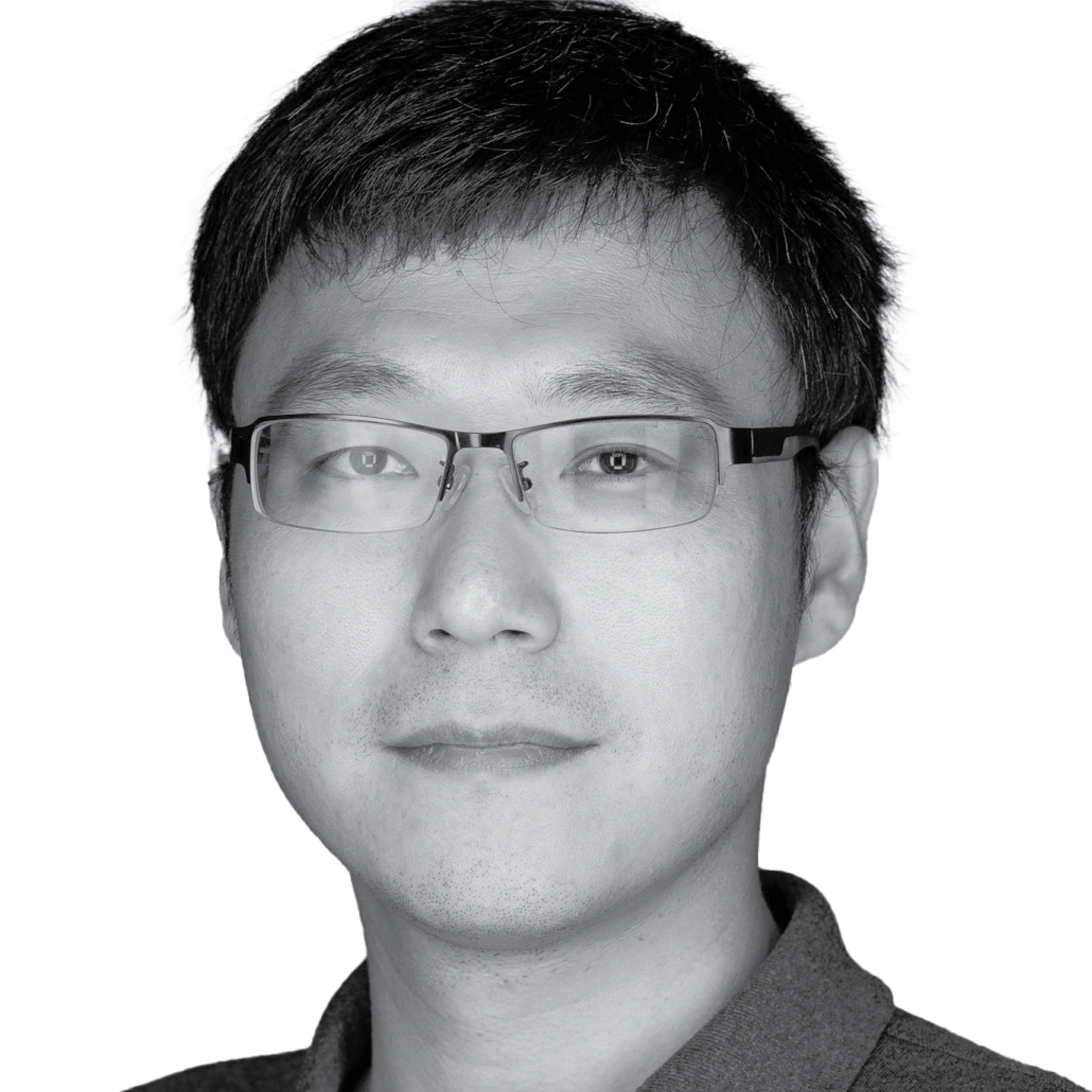
To celebrate Cell & Gene Therapy Insights’ 10th anniversary, Editorial Advisory Board member Dr Yu (Clay) Cao reflects on a decade in cellular immunotherapy, viral and non-viral vectors, gene editing, and stem cell therapy. He highlights the emergence of in vivo CAR-T therapies, transformative regulatory approvals in 2025, and the expanding reach of RNA- and CRISPR-based approaches. Dr Cao shares his perspective on translating cutting-edge science into scalable, patient-ready therapies, offering advice for researchers navigating this rapidly evolving field.
What inspired your journey into CGT?
The past decade has been a transformative era for cellular immunotherapies and gene editing. I was drawn to this field by its potential to fundamentally reshape the way we treat diseases ranging from cancer to autoimmune and neurological disorders. Over time, my work has expanded to encompass viral and non-viral vectors, in vivo gene editing, and stem cell–based approaches, all with the goal of advancing therapies that are not only more effective and safer but also more broadly accessible to patients.
What has been the most pivotal development in the past decade?
The emergence of in vivo CAR-T therapy over the past two years represents one of the most exciting and potentially disruptive breakthroughs in the field of cell therapy. Unlike traditional CAR-T approaches, which rely on extracting, engineering, and reinfusing patient T cells in an ex vivo process, in vivo strategies deliver gene-editing and reprogramming components directly into the patient. By enabling T cells to be modified within the body, this paradigm shift has the potential to redefine T-cell engineering, simplify manufacturing, and expand clinical access. If successful, in vivo CAR-T could make transformative immunotherapies faster, more affordable, and scalable to broader patient populations.
What excites you most about the current landscape?
2025 is shaping up to be a landmark year for CGT. We are witnessing rapid progress in in vivo gene editing and immune cell reprogramming, alongside the rise of novel RNA- and mRNA-based therapeutics expanding into rare diseases, autoimmune disorders, and cancer. Several in vivo CAR-T and CAR-M therapies have now advanced into clinical trials, showing early signs of efficacy and significant market potential. In parallel, highly effective in vivo gene therapies for sickle cell disease are demonstrating preclinical proof of concept, while precision CRISPR treatments are being designed and manufactured for individual patients within mere months. Beyond these milestones, RNA editing and exon-skipping strategies enabling durable dystrophin restoration in Duchenne muscular dystrophy, offering new hope to patients who previously had few options. While the long-term efficacy and safety of these approaches will require continued validation, the leap from concept to first-in-human applications represents the most exciting phase of innovation for me. I am confident that with iterative optimization, we will further mitigate risks and unlock the full potential of these transformative therapies.
What is one piece of advice you would offer to researchers entering the field today?
As a standalone motto: Master the biology but stay grounded in translational reality.
Exciting science alone is not enough; therapies succeed only when they are effective, safe, regulatory-ready, and manufacturable at scale. To truly advance the field, researchers should:
1. Understand the full translational journey from study design and platform development to clinical trials and patient access.
2. Collaborate across disciplines, working hand-in-hand with immunologists, bioengineers, regulatory experts, clinicians, and manufacturing teams throughout the process.
3. Gain early insight into CMC and regulatory science and build expertise in GMP manufacturing, potency assays, release criteria, and durability requirements upfront.
4. Think beyond the regulator. Patient safety and benefit are developer responsibilities. A strong drug developer goes deeper than regulatory minimums, not just ‘checking the box’.
5. Stay agile. Recognizing that animal data may not translate to humans, and today’s breakthrough may be obsolete tomorrow. Agility and innovation are essential.
What developments do you expect to shape CGT in the next 5–10 years?
The coming years will be transformative for cell and gene therapy—not only through scientific breakthroughs, but also through regulatory evolution and improved clinical accessibility. Therapies are set to become better, safer, faster, and cheaper. Key developments include:
1. Broadening indications
• Expanding from oncology and rare genetic disorders to autoimmune, cardiovascular, neurodegenerative, and metabolic diseases.
• Transitioning from high-mortality conditions to prevalent, chronic disorders affecting larger patient populations.
2. Rise of in vivo editing
• Rapid advancement in delivery modalities and editing platforms.
• Emergence of single-dose, outpatient ‘needle-to-cure’ approaches, supported by growing clinical evidence.
• Requires strong frameworks for safety monitoring and off-target risk management.
3. Precision and control technologies
• Introduction of tunable expression systems, safety switches, and reversible editing.
• Enhances therapeutic specificity while mitigating long-term risks.
4. Smarter, decentralized manufacturing
• Leveraging AI, automation, and point-of-care systems.
• Improves scalability, consistency, and affordability of advanced therapies.
5. Evolving clinical and regulatory paradigms
• Ongoing updates to regulatory guidance for ATMPs, gene editing, and cell therapies.
• Long-term safety monitoring embedded as a requirement for equitable and accelerated patient access.
It is worth noting that Asian biotech companies are emerging as a major force reshaping the global cell and gene therapy landscape. Based on the surge of East-to-West licensing deals in 2025, this trend is expected to accelerate, expanding both the diversity of technologies and the range of therapeutic applications.
China, in particular, has introduced a more flexible clinical investigation framework, enabling local innovations to gain clinical proof-of-concept more rapidly. As a result, an increasing number of Chinese-developed platforms are becoming attractive to global partners and investors. Over the next few years, this dynamic is likely to broaden the global CGT pipeline and intensify cross-border collaboration.
Biography
Yu Cao, is an accomplished biotech team builder and scientific leader with over 15 years of experience in drug discovery and translational development. Currently serving as Vice President and Global Head of Drug Discovery at GenEditBio, Dr Cao leads cross-functional teams advancing cell and gene therapies across rare diseases, oncology, and neurodegenerative disorders. He has deep expertise in preclinical development, IND-enabling studies, and in vivo delivery technologies, with a strong track record of progressing novel therapeutics from discovery to clinical stage. Prior roles include team leadership at Tessera Therapeutics and Agios Pharmaceuticals, where he drove innovative programs in immuno-oncology and gene editing. Trained as an immunologist and molecular biologist, Cao holds a PhD in Immunology, with additional credentials from Harvard Business School and Johns Hopkins University. He actively contributes to the field as an advisor or leadership member of different non-profit organizations.
Affiliation
Yu Cao PhD, Vice President and Global Head of Drug Discovery, GenEditBio, Boston, MA, USA
Authorship & Conflict of Interest
Contributions: The named author takes responsibility for the integrity of the work as a whole, and has given their approval for this version to be published.
Acknowledgements: None.
Disclosure and potential conflicts of interest: The author has no conflicts of interest.
Funding declaration: The author received no financial support for the research, authorship and/or publication of this article.
Article & Copyright Information
Copyright: Published by Cell & Gene Therapy Insights under Creative Commons License Deed CC BY NC ND 4.0 which allows anyone to copy, distribute, and transmit the article provided it is properly attributed in the manner specified below. No commercial use without permission.
Attribution: Copyright © 2025 Yu Cao. Published by Cell & Gene Therapy Insights under Creative Commons License Deed CC BY NC ND 4.0.
Article source: Invited.
Revised manuscript received: Sep 22, 2025.
Publication date: Oct 28, 2025.