
Industry Insights: Clinical momentum builds across ADCs and next‑generation conjugates
Bioconjugate Insights 2026; 1(2), 97–110
10.18609/bci.2026.014
 Earendil Labs and WuXi XDC announced strategic collaboration for AI-enabled development of next-generation ADCs; Collaborations, Partnerships, and Acquisitions. Credit: www.istockphoto.com February through March saw a high volume of clinical trial activity across the bioconjugate landscape, with multiple programs advancing through early- and late-stage development and generating increasingly competitive efficacy signals. Across oncology, several ADCs reported encouraging data, including CytomX's EpCAM-targeting candidate in colorectal cancer and Phase 3 results for enfortumab vedotin plus pembrolizumab in bladder cancer. Bispecific and next-generation ADCs continued to expand into harder-to-treat settings such as triple-negative breast cancer and lung cancer. First-in-human and early-stage studies were also initiated across a broad range of targets and formats, including PD‑L1, EGFR, B7‑H3, and dual-target ADCs, alongside emerging modalities such as antibody-targeted therapy conjugates and peptide-drug conjugates.Beyond ADCs, clinical momentum extended to oligonucleotides and RNA-based conjugates, with Dyne advancing into Phase 3 in myotonic dystrophy and multiple RNAi and RNA-editing programs progressing in metabolic and rare diseases. Radioconjugates and fluorescent peptide conjugates also continued to gain traction, supported by new trial initiations and positive late-stage readouts. On the dealmaking front, Aditxt acquired Ignite Proteomics, Novartis completed its acquisition of Avidity Biosciences, Fujifilm invested in VALANX Biotech to strengthen ADC manufacturing capabilities, and Earendil Labs partnered with WuXi XDC on AI-enabled ADC development. Additional collaboration activities include isotope supply, AI-based translational modeling, and radioligand support agreements. Regulatory activity remained active, with US FDA Priority Review for Enhertu in post-neoadjuvant HER2-positive early breast cancer, IND clearance for NEOK Bio's bispecific ADC, and China expanding the indication for CanSino Biologics' meningococcal conjugate vaccine. While dealmaking and platform innovation remained active, the breadth of clinical execution this month highlights an increasingly mature pipeline, with more programs moving toward registrational pathways, combination strategies, and earlier lines of therapy, signaling a shift from platform validation toward competitive clinical differentiation. |
COLLABORATIONS, ACQUISITIONS, AND PARTNERSHIPS |
Aditxt acquired Ignite Proteomics in $36M deal to expand precision oncology capabilities [1]Aditxt. Aditxt Acquires Ignite Proteomics to Address a Critical Challenge in Cancer Care: Optimizing Therapy Selection. Mar 13, 2026.
Aditxt announced the acquisition of Ignite Proteomics in a transaction valued at $36M in Series A‑2 convertible preferred stock. Ignite provides a functional proteomics platform based on reverse-phase protein array technology to support cancer therapy selection by measuring protein expression and activity. The platform is positioned to address a growing need for patient stratification as targeted therapies and ADCs expand, with an estimated $3B serviceable market in patients eligible for such treatments. The acquisition adds a commercial-stage diagnostic capability to Aditxt's oncology portfolio, supporting treatment selection and longitudinal monitoring in precision medicine.
Fujifilm invested in VALANX Biotech to advance site‑specific ADC manufacturing technologies [2]Fujifilm. Fujifilm Invests in VALANX Biotech to Strengthen ADC CDMO Capabilities. Mar 12, 2026.
Fujifilm announced a strategic investment in VALANX Biotech to strengthen its ADC CDMO capabilities through access to site‑specific conjugation technologies. VALANX's Golden Site™ Technology incorporates synthetic amino acids into antibodies to enable precise control of conjugation sites and DAR, supporting improved ADC uniformity and stability. The collaboration aligns with Fujifilm's strategy to expand end-to-end ADC manufacturing services, including antibody, linker, payload, conjugation, and formulation capabilities across its group companies. Fujifilm plans to launch integrated ADC manufacturing services in Japan by 2027. The investment was made through Fujifilm's corporate venture capital activities to support adoption of advanced bioconjugation technologies.
Novartis completed $12B acquisition of Avidity Biosciences to expand RNA therapeutics portfolio [3]Novartis. Novartis successfully completes acquisition of Avidity Biosciences, strengthening late-stage neuroscience pipeline and advancing xRNA strategy. Feb 27, 2026.
Novartis announced the completion of its acquisition of Avidity Biosciences, making the company an indirect wholly owned subsidiary. The transaction, originally announced in October 2025, provides Novartis with Avidity's Antibody Oligonucleotide Conjugate (AOC™) platform and associated neuromuscular disease pipeline. Under the terms of the merger, Avidity shareholders received $72/share in cash, valuing the company at approximately $12B on a fully diluted basis and an enterprise value of approximately $11B. Following the transaction, Avidity's shares ceased trading on the Nasdaq Stock Market. The acquisition adds muscle-targeted AOC therapeutics and late-stage programs for genetic neuromuscular diseases to Novartis' RNA therapeutics portfolio.
Earendil Labs and WuXi XDC announced strategic collaboration for AI‑enabled development of next‑generation ADCs [4]WuXi XDC. WuXi XDC Enters Strategic Collaboration with Earendil Labs on WuXiTecan-2 Payload-Linker Technology Platform. Feb 27, 2026.Earendil Labs and WuXi XDC announced a strategic collaboration to develop next-generation ADCs by combining Earendil's AI-driven antibody discovery platform with WuXi XDC's WuXiTecan-2 payload-linker technology. Under the agreement, WuXi XDC granted Earendil Labs an exclusive global license to the WuXiTecan-2 platform for multiple targets, enabling conjugation of antibodies and bispecific antibodies identified through Earendil's AI platform. The collaboration has a potential value of up to $885M, including upfront, development, regulatory, and sales milestone payments, along with tiered royalties on future product sales. WuXi XDC will provide CMC development and manufacturing through its CRDMO platform, while Earendil Labs will lead product development, regulatory submissions, and commercialization of resulting ADC candidates. |  |
| FDA cleared IND for NEOK Bio's bispecific ADC; Regulatory Changes and Updates. Credit: www.neokbio.com |
Affibody signs Lu‑177 supply agreement with SHINE to support radioligand therapy development [5]Affibody. Affibody Signs Letter of Intent with SHINE Technologies for Supply of Lutetium-177. Feb 19, 2026.
Affibody AB announced a Letter of Intent with SHINE Technologies to secure supply of non-carrier-added lutetium-177 (Lu-177) for its radioligand therapy (RLT) programs. Under the agreement, SHINE will provide Lu-177 to support clinical research and development, including Affibody's lead candidate ABY‑271, a Lu-177-conjugated HER2-targeting Affibody® molecule currently being evaluated in a Phase 1 trial for metastatic breast cancer. The collaboration may also extend to commercial supply if ABY‑271 advances toward market approval. The arrangement strengthens isotope supply infrastructure for Affibody's RLT pipeline, which leverages engineered Affibody molecules to deliver targeted radiation to tumors across multiple oncology indications.
BostonGene and Daiichi Sankyo collaborate to apply AI modeling to ADC clinical development [6]Boston Gene. BostonGene Announces Strategic Collaboration with Daiichi Sankyo to Accelerate Drug Development Through AI-Driven Multimodal Analytics. Feb 17, 2026.
BostonGene announced a strategic collaboration with Daiichi Sankyo to integrate AI‑driven translational analysis into the development of an ADC program. BostonGene's platform uses large-scale multiomic and histopathologic datasets to generate digital twin models of tumor and immune biology, enabling identification of molecular signatures associated with treatment response. The collaboration aims to move beyond conventional exploratory biomarker analysis by providing data-driven insights to guide patient selection strategies, development prioritization, and clinical positioning of the ADC candidate. By analyzing responder and non-responder profiles and mapping resistance pathways within the TME, the approach is intended to support improved trial design and more precise targeting of patient subgroups in oncology clinical development.
REGULATORY CHANGES AND UPDATES |
Enhertu received FDA Priority Review for post‑neoadjuvant treatment of HER2‑positive early breast cancer [7]Daiichi Sankyo. ENHERTU® Granted Priority Review in the U.S. as Post-Neoadjuvant Treatment for Patients with HER2 Positive Early Breast Cancer. Mar 09, 2026.
Daiichi Sankyo and AstraZeneca announced that the FDA granted Priority Review to a supplemental BLA for Enhertu (trastuzumab deruxtecan) as a post-neoadjuvant treatment for patients with HER2-positive early breast cancer with residual invasive disease. The application is based on the Phase 3 DESTINY‑Breast05 trial, in which Enhertu reduced the risk of invasive disease recurrence or death by 53% compared with trastuzumab emtansine (hazard ratio 0.47; p<0.0001), with a three-year invasive disease‑free survival rate of 92.4% versus 83.7%. The application is being reviewed under Project Orbis, with a Prescription Drug User Fee Act target action date of July 7, 2026.
FDA cleared IND for NEOK Bio's bispecific ADC [8]NEOK Bio. NEOK Bio Secures FDA IND Clearance for NEOK002, a Novel EGFR/MUC1 Bispecific ADC for Treatment of Solid Tumors. Mar 02, 2026.
NEOK Bio announced that the FDA cleared the IND application for NEOK002, a bispecific ADC targeting epidermal growth factor receptor (EGFR) and mucin 1 (MUC1) for the treatment of solid tumors expressing these targets. The clearance enables initiation of a Phase 1 clinical study to evaluate safety and preliminary activity in patients with EGFR- and MUC1-positive cancers. NEOK002 is designed to improve selectivity and internalization through dual-target engagement, with the aim of enhancing therapeutic window and reducing off‑target toxicity compared with monovalent ADC approaches. The program represents the company's second ADC to enter clinical development in 2026, following the recent IND clearance of NEOK001, a bispecific B7‑H3/ROR1‑targeting ADC.
CanSino Biologics receives China approval to expand indication for Menhycia meningococcal conjugate vaccine [9]CanSino Biologics. CanSino Biologics' Menhycia® (MCV4) Expands Age Indication to Include individuals up to age 6, Enhancing Meningococcal Prevention for School‑aged children. Feb 24, 2026.
CanSino Biologics announced that China's National Medical Products Administration (NMPA) approved a supplemental application expanding the indicated population for its ACYW135 meningococcal conjugate vaccine (CRM197), Menhycia®. The vaccine is now approved for use in infants and children aged three months to six years, protecting Neisseria meningitidis serogroups A, C, Y, and W135. The approval broadens protection in pediatric populations at high risk for meningococcal meningitis. The expanded indication also addresses evolving epidemiology in China, where circulating serogroups have diversified beyond A and C to include Y and W strains, increasing demand for broader-spectrum conjugate vaccines in national immunization programs.
EMA validates Type II variation for Enhertu in HER2‑positive breast cancer with residual disease [10]Daiichi Sankyo. ENHERTU® Type II Variation Application Validated in the EU as Post-Neoadjuvant Treatment for Patients with HER2 Positive Early Breast Cancer. Feb 19, 2026.
The European Medicines Agency (EMA) has validated a Type II variation application for Enhertu as monotherapy for adults with HER2-positive breast cancer who have residual invasive disease following neoadjuvant HER2-targeted therapy. Validation confirms the application is complete and initiates review by the EMA's Committee for Medicinal Products for Human Use (CHMP). The submission is based on results from the Phase 3 DESTINY‑Breast05 trial, where Enhertu demonstrated a statistically significant improvement in invasive disease-free survival compared with trastuzumab emtansine (T-DM1). If approved, the therapy could provide an additional post-neoadjuvant treatment option aimed at reducing recurrence risk and preventing progression to metastatic disease in patients with residual HER2-positive breast cancer.
MARKET TRENDS |
ADC Therapeutics reported 2025 financial results and outlined commercial and clinical outlook for ZYNLONTA® [11]ADC Therapeutics. ADC Therapeutics Reports Fourth Quarter and Full Year 2025 Financial Results and Provides Operational Update. Mar 10, 2025.
ADC Therapeutics reported 2025 financial results, with net product revenues of $73.6M for the full year compared to $69.3M in 2024, reflecting stable demand for ZYNLONTA®, a CD19-directed ADC. Cash and cash equivalents increased to $261.3M, supported by $150.8M in PIPE financings, providing a projected runway into 2028. Net loss decreased to $142.6M from $157.8M in 2024, driven by reduced operating expenses. The company highlighted upcoming clinical milestones, including anticipated Phase 3 LOTIS‑5 data in 2Q 2026, which may support a supplemental BLA and potential label expansion.
Decoy Therapeutics implemented 1‑for‑12 reverse stock split to maintain Nasdaq listing compliance [12]Decoy Therapeutics. Decoy Therapeutics Announces 1-for-12 Reverse Stock Split. Mar 05, 2026.
Decoy Therapeutics, a preclinical‑stage biopharmaceutical company engineering the next generation of peptide conjugate therapeutics, announced a 1-for-12 reverse stock split of its common stock to regain compliance with the Nasdaq Capital Market's $1 minimum bid price requirement. The split became effective March 06, 2026, with trading on a split‑adjusted basis beginning March 09, 2026, under a new CUSIP number. Following the adjustment, the number of outstanding shares was reduced from approximately 6.38M to about 532,000. The reverse split was approved by stockholders at a February 24, 2026, meeting and subsequently authorized by the company's board.
 | Gyre Therapeutics agreed to acquire Cullgen in $300M deal to expand targeted protein degrader and DAC pipeline [13]Gyre Therapeutics. Gyre Therapeutics Enters into Agreement to Acquire Cullgen to Gain Targeted Protein Degradation Platform and Pipeline. Mar 02, 2026.Gyre Therapeutics announced an agreement to acquire Cullgen in an all-stock transaction valued at approximately $300M. Following completion, Cullgen will become a wholly owned subsidiary of Gyre, forming an integrated biopharmaceutical company with operations in the US and China spanning discovery, manufacturing, and commercialization. Cullgen brings capabilities in targeted protein degrader and degrader-antibody conjugate (DAC) discovery and development, including clinical- and preclinical-stage programs. Gyre currently markets ETUARY® in China for lung fibrosis and is advancing Hydronidone (F351) for liver fibrosis toward an NDA submission in China. The companies expect the acquisition to expand Gyre's therapeutic pipeline across inflammatory diseases, cancers, and pain. The transaction is expected to close in the second quarter of 2026, subject to regulatory approvals. |
| Gyre Therapeutics agreed to acquire Cullgen in $300M deal to expand targeted protein degrader and DAC pipeline; Market Trends. Credit: www.gyretx.com |
ADC Therapeutics amends royalty agreement with HealthCare Royalty for ZYNLONTA [14]ADC Therapeutics. ADC Therapeutics Announces Amended HealthCare Royalty Financing Agreement. Feb 23, 2026.
ADC Therapeutics announced an amendment to its royalty purchase agreement with entities managed by HealthCare Royalty related to sales of the CD19-directed ADC ZYNLONTA (loncastuximab tesirine). The revised agreement reduces the potential change-of-control payment from $750M to $150M through the end of 2027 and $200M thereafter, providing the company with increased strategic flexibility. In exchange, HealthCare Royalty received warrants to purchase approximately 9.8M ADC Therapeutics shares at an exercise price of $3.81 per share, exercisable through 2030. ADC Therapeutics expects additional clinical data readouts that could support expanded indications and potential peak US sales of up to $1B annually.
Physiomics reports higher revenue and new ADC modelling contract in the half‑year results [15]Physiomics. Interim Results Statement for the six-month period ended 31 December 2025. Feb 16, 2026.
Physiomics reported unaudited financial results for the 6 months ending December 31, 2025, with total income rising 51% year‑on‑year to £528k and revenue increasing to £498k. The company recorded an operating loss of £327k, reflecting expanded staffing and temporary reliance on external contractors during team growth. Cash and cash equivalents stood at £257k at period end. Operationally, Physiomics secured eleven new contracts across its modelling and simulation and newly launched biometrics service lines. Post-period, the company announced a modelling and simulation contract with a South Korea-based biopharmaceutical client supporting the development of ADC and immuno-oncology programs. The company also expanded its biometrics capabilities and continued development of personalized dosing software integrated with the DoseMeRx platform.
Global oncology clinical trials market projected to grow to $23B by 2033 [16]Asture Analytica. Oncology Clinical Trials Market: Analysis By Phase Type (Phase 1, Phase 2, Phase 3, Phase 4); Study Design (Interventional Studies, Observational Studies, Expanded Access Studies); Region – Market Size, Industry Dynamics, Opportunity Analysis And Forecast For 2026–2035. Jan 20, 2026.
A recent industry analysis from Astute Analytica estimates the global oncology clinical trials market reaching ~$23.1B by 2033 as investment in precision oncology accelerates. ADCs represent one of the fastest-growing modalities in oncology, with more than 180 ADCs currently in clinical development and approximately 80% targeting solid tumors. The probability of technical success for ADCs in Phase 3 trials has increased to roughly 53%, compared with an estimated 35% industry average for conventional chemotherapy. Radiopharmaceuticals are also expanding rapidly following the commercial success of therapies such as lutetium-177–based radioligands.
RESEARCH AND DEVELOPMENT HIGHLIGHTS |
Daiichi Sankyo submitted supplement NDA in Japan for Enhertu as adjuvant therapy in HER2‑positive breast cancer [17]Daiichi Sankyo. ENHERTU® Supplemental New Drug Application Submitted in Japan as Adjuvant Therapy for Patients with HER2 Positive Early Breast Cancer. Feb 27, 2026.
Daiichi Sankyo submitted a supplemental NDA to Japan's Ministry of Health, Labour and Welfare for Enhertu as an adjuvant treatment for patients with HER2-positive breast cancer with residual invasive disease following neoadjuvant therapy. The submission is based on results from the Phase 3 DESTINY‑Breast05 trial, which enrolled 1,635 patients globally and compared Enhertu (5.4 mg/kg) with trastuzumab emtansine. Enhertu demonstrated a 53% reduction in the risk of invasive disease recurrence or death and a statistically significant improvement in invasive disease-free survival. Regulatory submissions based on DESTINY‑Breast05 are also under review in other regions.
CLINICAL TRIALS AND RESEARCH |
Avacta Therapeutics initiated Phase 1 trial of FAP‑activated peptide drug conjugate AVA6103 [18]Avacta Therapeutics. Avacta announces opening of Phase 1 trial for second pipeline asset, FAP-Exd (AVA6103) a sustained‑release pre|CISION® exatecan peptide-drug conjugate. Mar 16, 2026.
Avacta Therapeutics announced the opening of a Phase 1 trial evaluating AVA6103 (FAP‑Exd), a fibroblast activation protein (FAP)-activated peptide-drug conjugate delivering an exatecan payload, in patients with advanced solid tumors. The dose-escalation Phase 1a study will assess safety, pharmacokinetics, and preliminary efficacy across indications, including pancreatic, gastric, cervical, vulvar, and small cell lung cancers (SCLC). The trial includes parallel dosing schedules administered every two or three weeks to determine an optimal regimen for further development. Initial sites have been activated in the US, with first patient enrollment expected by the end of March 2026 and preliminary safety and pharmacokinetic data anticipated in the second half of 2026.
CytomX Therapeutics reported Phase 1 expansion data for EpCAM‑targeting ADC varsetatug masetecan in metastatic colorectal cancer [19]CytomX Therapeutics. CytomX's Varsetatug Masetecan (EpCAM PROBODY® ADC) Continues to Demonstrate Positive Data Supporting Potential as a New Treatment Option in Late-Line Colorectal Cancer. Mar 16, 2026.
CytomX Therapeutics reported Phase 1 expansion data for varsetatug masetecan (Varseta-M), a masked EpCAM-targeting ADC with a topoisomerase 1 (Topo 1) inhibitor payload, in late-line metastatic colorectal cancer. Among 56 efficacy-evaluable patients treated at doses of 7.2–10 mg/kg, confirmed overall response rates reached 20% at 8.6 mg/kg and 32% at 10 mg/kg, with median progression-free survival of 6.8 and 7.1 months, respectively. Disease control rates ranged from 84–90%. The safety profile was consistent with prior data, with manageable adverse events and no interstitial lung disease observed. Dose optimization at 8.6 and 10 mg/kg is ongoing, with plans to align with the FDA on a potential registrational study and to evaluate combination regimens.
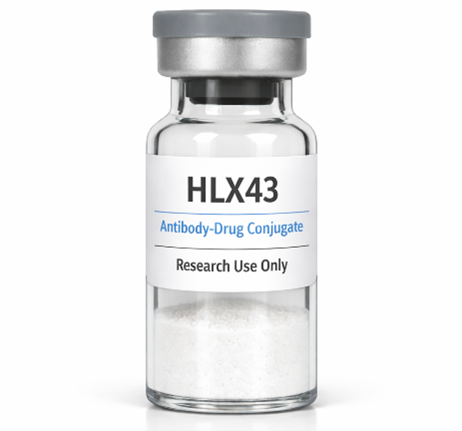 | Henlius initiated Phase 2/3 trial of PD‑L1‑targeting ADC in squamous non‑small cell lung cancer [20]Shanghai Henlius Biotech. Henlius Initiates a Phase 2/3 MRCT of Its Pan‑Tumor PD‑L1 ADC HLX43 for sqNSCLC in the US. Mar 12, 2026.Shanghai Henlius Biotech announced the initiation of a multi‑regional Phase 2/3 clinical trial (HLX43‑NSCLC302) evaluating HLX43, a PD‑L1‑targeting ADC, in patients with advanced or metastatic squamous non-SCLC (NSCLC) in the US. The study is designed to transition into a pivotal Phase 3 stage following Phase 2 completion and regulatory discussions. HLX43 combines immune checkpoint blockade with cytotoxic payload delivery and has demonstrated preliminary activity in prior studies, including an objective response rate of 40.0% and disease control rate of 73.3% at 2.0 mg/kg in later-line sqNSCLC. The program is part of a broader clinical development effort spanning multiple solid tumors, with ongoing evaluation of combination strategies including anti-EGFR antibodies and anti-PD-1 therapies. |
| Henlius initiated Phase 2/3 trial of PD-L1-targeting ADC in squamous non-small cell lung cancer; Clinical Trials and Research. Credit: www.indiamart.com |
Intensity Therapeutics reported interim data and protocol amendment for INVINCIBLE‑4 study of intratumoral conjugate INT230–6 [21]Intensity Therapeutics. Intensity Therapeutics, Inc. Provides Update on the Phase 2 Presurgical Triple-Negative Breast Cancer INVINCIBLE‑4 Study. Mar 12, 2026.
Intensity Therapeutics provided an update on the Phase 2 INVINCIBLE-4 study evaluating INT230–6, a non-covalently conjugated intratumoral therapy combining cisplatin and vinblastine, in triple-negative breast cancer (TNBC). Enrollment was paused due to skin irritation events, and a protocol amendment has been submitted to resume dosing with reduced injection volume. Among 14 patients treated, preliminary data showed a pathological complete response rate of 71.4% in patients receiving INT230–6 plus standard of care compared with 33% with standard therapy alone. Safety observations indicated fewer grade ≥3 adverse events in the combination cohort. The study is ongoing, with up to 61 patients planned, and further data are expected to be presented at a future conference.
Dyne Therapeutics initiated Phase 3 HARMONIA trial of antibody–oligonucleotide conjugate z‑basivarsen in myotonic dystrophy type 1 [22]Dyne Therapeutics. Dyne Therapeutics Announces Initiation of Phase 3 HARMONIA Trial of Z-Basivarsen in Myotonic Dystrophy Type 1 (DM1). Mar 08, 2026.
Dyne Therapeutics announced initiation of the global Phase 3 HARMONIA trial evaluating z-basivarsen, an AOC, in approximately 150 patients with myotonic dystrophy type 1 (DM1). The randomized, placebo-controlled, double‑blind study will assess efficacy, safety, and tolerability of intravenous dosing at 6.8 mg/kg every eight weeks over 48 weeks. The primary endpoint is the change from baseline in the five‑times sit‑to‑stand test at week 49, with secondary endpoints including video hand opening time and functional and patient-reported outcomes. Z-basivarsen comprises an antisense oligonucleotide conjugated to a transferrin receptor 1-targeting antibody fragment to enable delivery to muscle and central nervous system tissues. The trial is intended to support confirmatory evidence for potential conversion from accelerated to full regulatory approval.
NextCure provided clinical updates on CDH6- and B7‑H4‑targeting ADC programs in Phase 1 development [23]NextCure. NextCure Provides Business Update and Reports Full Year 2025 Financial Results. Mar 05, 2026.
NextCure reported progress across its ADC pipeline, including SIM0505, a cadherin‑6 (CDH6)-targeting ADC with a Topo 1 inhibitor payload, currently in a Phase 1 dose‑escalation study (NCT06792552) for advanced solid tumors, with a focus on platinum-resistant ovarian cancer. Dose-escalation data are expected in the second quarter of 2026, alongside plans to initiate a dose-optimization study and expand trial sites globally. The company also reported ongoing enrollment in a Phase 1 study of LNCB74, a B7-H4-targeting ADC incorporating a cleavable linker and monomethyl auristatin E (MMAE) payload, with higher dose cohorts now enrolling. Both programs are designed to target tumor-associated antigens with limited expression in healthy tissues to improve therapeutic window and antitumor activity.
Tangram Therapeutics initiated Phase 1/2 trial of GalNAc‑siRNA for metabolic dysfunction‑associated steatohepatitis [24]Tangram Therapeutics. Tangram Therapeutics Announces First Participant Dosed in Phase 1/2 RESTORE‑MASH Trial of TGM‑312, a Novel Investigational RNAi Medicine. Mar 05, 2026.
Tangram Therapeutics announced the first participant dosed in the Phase 1/2 RESTORE‑MASH trial evaluating TGM‑312, a GalNAc-conjugated small interfering RNA (siRNA) therapeutic, in healthy volunteers and individuals with metabolic dysfunction-associated steatohepatitis (MASH). TGM‑312 is designed to silence a liver-expressed gene target in hepatocytes and represents the first clinical‑stage candidate from the company's GalOmic platform. The study will assess safety, tolerability, and PK/PD, with MASH cohorts incorporating liver biopsy, imaging, and biomarker analyses. TGM‑312 is administered via subcutaneous injection and is being investigated as a potential quarterly therapy. Initial safety data from the trial are expected in the second half of 2026.
NeOnc Phase 1 dose‑escalation study of bioconjugated temozolomide NEO212 established recommended Phase 2 dose [25]NeOnc Technologies. NeOnc Technologies Reports Phase 1 Dose-Escalation Results for Dosing and Toxicity and Determination of Recommended Phase 2 Dose for Oral NEO212; Management Hosted KOL Conference Call. Mar 04, 2026.
NeOnc Technologies reported results from the dose‑escalation portion of the Phase 1/2 NEO212–01 trial evaluating NEO212, an oral bioconjugated therapy combining temozolomide with perillyl alcohol, for central nervous system cancers. The Phase 1 study reached the maximum tolerated dose at 810 mg following dose-limiting toxicities, establishing a recommended Phase 2 dose of 610 mg in a 28‑day cycle. Early signals of antitumor activity were observed in heavily pretreated patients with recurrent glioblastoma and brain metastases during the safety phase. NEO212 is designed to overcome O6‑methylguanine‑DNA methyltransferase-mediated resistance associated with standard temozolomide therapy. The trial will now proceed to Phase 2 expansion cohorts to further evaluate efficacy, and the company plans to engage the FDA to discuss development plans and a potential accelerated approval pathway.
HUTCHMED initiated first‑in‑human Phase 1/2a trial of EGFR‑targeted antibody‑targeted therapy conjugate [26]HUTCHMED. HUTCHMED Initiates Global Trial of PI3K/PIKK‑EGFR ATTC Candidate HMPL-A580 in Patients with Solid Tumors. Mar 04, 2026.HUTCHMED announced initiation of a first‑in‑human Phase 1/2a clinical trial (NCT07396584) evaluating HMPL-A580, an EGFR-targeted Antibody-Targeted Therapy Conjugate (ATTC), in patients with unresectable, advanced, or metastatic solid tumors in China and the US. HMPL-A580 comprises an anti-EGFR antibody linked via a cleavable linker to a selective PI3K/PIKK small-molecule inhibitor payload. The open-label, multicenter study will assess safety, tolerability, pharmacokinetics, immunogenicity, and preliminary efficacy. The Phase 1 dose-escalation stage aims to determine the maximum tolerated dose and recommended expansion dose, followed by a Phase 2a expansion phase to further evaluate safety and antitumor activity in selected solid tumors. HMPL-A580 represents the company's second program developed using its ATTC platform. |  |
| HUTCHMED initiated first-in-human Phase 1/2a trial of EGFR-targeted antibody-targeted therapy conjugate; Clinical Trials and Research. Credit: https://whambrands.com |
Alligator reports Phase 2/3 trial has been initiated, evaluating HLX87 ADC combination therapy in HER2‑positive breast cancer [27]Alligator Bioscience. Alligator Bioscience comments on Henlius dosing first patient in Phase 2/3 breast cancer study of HLX22. Mar 02, 2026.
Alligator Bioscience reported that Shanghai Henlius Biotech has dosed the first patient in a Phase 2/3 clinical trial (NCT07294508) evaluating HLX22 in combination with HLX87, a HER2-targeting ADC, for first‑line treatment of patients with HER2-positive recurrent or metastatic breast cancer in Mainland China. HLX22 is an anti-HER2 monoclonal antibody licensed by Henlius from AbClon and is being investigated across multiple indications. The study assesses the combination regimen as a first‑line therapy in advanced disease. Under an existing agreement with AbClon, Alligator Bioscience is entitled to 35% of AbClon's revenues generated from its sublicense to Henlius, including potential milestone payments and royalties if the program is successfully developed and commercialized.
Phase 3 EV‑304 trial reported improved event‑free survival with enfortumab vedotin plus pembrolizumab in muscle‑invasive bladder cancer [28]Astellas Pharma. PADCEV™ + Keytruda® Cuts Risk of Recurrence or Death by Nearly 50% in Cisplatin-Eligible Muscle-Invasive Bladder Cancer. Mar 01, 2026.
Astellas and Pfizer reported Phase 3 results from the EV‑304 (KEYNOTE‑B15) trial evaluating the Nectin-4–targeting ADC enfortumab vedotin (PADCEV™) in combination with pembrolizumab as perioperative treatment for cisplatin-eligible muscle-invasive bladder cancer. The regimen reduced the risk of tumor recurrence, progression, or death by 47% compared with standard neoadjuvant gemcitabine plus cisplatin chemotherapy. Two-year event-free survival was 79.4% with the combination versus 66.2% with chemotherapy. The study also showed a 35% reduction in risk of death and a pathological complete response rate of 55.8% versus 32.5% with chemotherapy. Results were presented at the American Society of Clinical Oncology Genitourinary Cancers Symposium and will inform regulatory discussions.
 | Alume Biosciences Phase 3 trials of fluorescent peptide–dye conjugate reported positive results for intraoperative nerve visualization [29]Alume Biosciences. Alume Delivers Positive Topline Results for Bevonescein, a Potential First-in-Class Surgical Nerve Visualization Drug. Feb 27, 2026.Alume Biosciences reported topline results from three concurrent Phase 3 registrational trials evaluating bevonescein (ALM‑488), a fluorescent peptide–dye conjugate designed for real-time nerve visualization during surgery. In patients undergoing head and neck surgery, two studies met both co-primary endpoints of nerve conspicuity and nerve length measurement, while the third met one co-primary endpoint. A key secondary endpoint assessing nerve branching delineation showed statistically significant improvement across all trials. Safety findings were favorable, and a thorough QT study reported no cardiac safety concerns at doses up to 1,000 mg. Bevonescein is designed for use with fluorescence‑enabled surgical visualization systems to improve intraoperative identification of vulnerable nerves. The company plans to submit an NDA to the FDA in the second half of 2026. |
| Alume Biosciences Phase 3 trials of fluorescent peptide–dye conjugate reported positive results for intraoperative nerve visualization; Clinical Trials and Research. Credit: www.istockphoto.com |
Phase 3 trial of EGFR×HER3 bispecific ADC reported positive interim results in TNBC [30]Bristol Myers Squibb. SystImmune and Bristol Myers Squibb Highlight Positive Phase 3 Interim Topline Results for izalontamab brengitecan (Iza-bren) in Previously Treated Unresectable Locally Advanced or Metastatic Triple-Negative Breast Cancer. Feb 26, 2026.
SystImmune and Bristol Myers Squibb reported positive topline results from a pre‑specified interim analysis of the Phase 3 BL‑B01D1–307 study evaluating izalontamab brengitecan (iza-bren), an EGFR×HER3 bispecific ADC, in patients with unresectable locally advanced or metastatic TNBC whose disease progressed following prior taxane therapy. The study met its dual primary endpoints, demonstrating statistically significant improvements in progression-free survival and overall survival compared with physician's choice chemotherapy. The randomized, open-label, multi-center trial was conducted in China and sponsored by Sichuan Biokin Pharmaceutical Co., Ltd., SystImmune's parent company. Iza-bren is jointly developed by SystImmune and Bristol Myers Squibb outside China and delivers a Topo 1 inhibitor payload following antibody-mediated internalization. Data from the study are expected to be presented at a future medical meeting.
Kivu Bioscience presented preclinical data for CEACAM5‑targeted ADC KIVU‑305 and initiated a Phase 1 clinical trial [31]Kivu Biosciences. Kivu Bioscience Presents KIVU‑305 Preclinical Data at World ADC London 2026 and Advances into Phase 1 Clinical Trial. Feb 25, 2026.
Kivu Bioscience presented preclinical data for KIVU‑305, a CEACAM5-targeted ADC, at World ADC London 2026 and announced Human Research Ethics Committee approval and Clinical Trial Notification clearance in Australia to initiate a first‑in‑human Phase 1 study. KIVU‑305 comprises a humanized antibody conjugated using GlycoConnect® technology to a HydraSpace®-linked SYNtecan E™ topoisomerase inhibitor payload and incorporates an Fc-silenced antibody with a DAR of four. Preclinical studies showed selective nanomolar binding to CEACAM5-positive tumor cells, target-dependent cytotoxicity with bystander activity, and anti‑tumor efficacy in cell‑line and patient-derived xenograft models, including chemotherapy-resistant tumors. Favorable pharmacokinetics, high plasma stability, low free payload levels, and tolerability in non-human primates supported advancement into clinical evaluation in patients with advanced CEACAM5-expressing solid tumors.
IDEAYA Biosciences enrolls first patient in Phase 1 trial of bispecific ADC IDE034 [32]IDEAYA Biosciences. IDEAYA Biosciences Announces First‑Patient‑In for Phase 1 Trial of IDE034, a Potential First‑In‑Class B7H3/PTK7 Bispecific TOP1 ADC. Feb 25, 2026.
IDEAYA Biosciences has enrolled the first patient in a Phase 1 dose escalation and expansion study evaluating IDE034, a PTK7/B7H3 bispecific ADC carrying a Topo 1 inhibitor payload. The trial will assess the safety, tolerability, and pharmacokinetics of IDE034 as a monotherapy. IDEAYA also plans to evaluate the ADC in combination with DNA damage response pathway inhibitors, including its proprietary poly(ADP-ribose) glycohydrolase (PARG) inhibitor IDE161. IDE034 is designed to be internalized when PTK7 and B7H3 are co-expressed on the same tumor cell, which may improve selectivity. Dosing of the first patient triggered a $5M milestone payment to Biocytogen under the companies' Option and License Agreement.
AtomVie Global Radiopharma supports first patient dosing in Radiopharm Theranostics' Phase 1/2a trial of 177Lu‑BetaBart [33]AtomVie Global Radiopharma. AtomVie Global Radiopharma Supplies First Patient Dose in Radiopharm Theranostics' Phase 1/2a Clinical Study of 177Lu-BetaBart (RV‑01). Feb 24, 2026.
AtomVie Global Radiopharma announced that it supported the first patient dosing in Radiopharm Theranostics' Phase 1/2a clinical trial of 177Lu-BetaBart (RV-01) by providing GMP manufacturing and distribution services for the radiotherapeutic. The candidate is a lutetium-177–conjugated monoclonal antibody targeting the 4Ig isoform of B7‑H3, an immune checkpoint protein overexpressed in multiple solid tumors. The first‑in‑human study is designed as a dose-escalation and expansion trial evaluating safety, biodistribution, pharmacokinetics, radiation dosimetry, and preliminary anti-tumor activity while establishing a recommended dose for future studies. The trial plans to enroll 61 patients with a range of advanced solid tumors, including prostate, colorectal, lung, ovarian, and TNBC.
Avidity publishes Phase 1/2 MARINA data for antibody‑oligonucleotide conjugate therapy [34]Avidity Biosciences. The New England Journal of Medicine Publishes Results from Phase 1/2 MARINA® Trial of Delpacibart Etedesiran (del-desiran) for Treatment of Myotonic Dystrophy Type 1. Feb 18, 2026.
Avidity Biosciences published final results from the Phase 1/2 MARINA trial evaluating delpacibart etedesiran (del-desiran), an AOC, in DM1. Del-desiran is designed to reduce toxic DMPK mRNA, the underlying genetic driver of DM1 pathology. In the randomized, placebo-controlled study of 38 participants, treatment resulted in approximately 40% mean reduction of DMPK mRNA in muscle tissue and improvements in RNA splicing across key muscle-related genes. Exploratory functional measures showed improvements in myotonia, muscle strength, mobility, and activities of daily living. The therapy demonstrated an acceptable safety profile, with most adverse events mild or moderate. Del-desiran is currently being evaluated in the global Phase 3 HARBOR trial, with topline results expected in the second half of 2026.
IDEAYA advances DLL3 ADC and initiates clinical development of B7H3 PTK7 bispecific ADC following financial update [35]IDEAYA Biosciences. IDEAYA Biosciences Reports Fourth Quarter and Full Year 2025 Financial Results and Provides a Business Update. Feb 17, 2026.
IDEAYA Biosciences reported pipeline and financial updates for the fourth quarter and full year 2025, highlighting progress across its precision oncology portfolio, including multiple ADC programs. The company plans to provide a clinical data update from the ongoing Phase 1 study of IDE849, a DLL3‑targeted Topo 1 ADC, and aims to initiate a registrational monotherapy trial in second-line or refractory SCLC or neuroendocrine carcinoma by the end of 2026. IDEAYA also received FDA IND clearance for IDE034, a B7H3/PTK7 bispecific Topo 1 ADC, with first patient dosing in a Phase 1 dose-escalation trial expected in the first quarter of 2026. The company reported approximately $1.05B in cash and marketable securities as of December 31, 2025, supporting continued clinical development across its pipeline.
TOOLS AND TECHNOLOGIES |
Piramal Pharma Solutions completed 1,500th ADC manufacturing batch at Grangemouth facility [36]Piramal Pharma Solutions. Piramal Pharma Solutions' Grangemouth, UK Facility Successfully Delivers 1,500th ADC Batch. Mar 16, 2026.Piramal Pharma Solutions announced completion of its 1,500th ADC batch at its bioconjugate development and manufacturing facility in Grangemouth, UK, including a commercial oncology ADC batch. The milestone reflects the company's integrated ADC capabilities spanning proof-of-concept, clinical, and commercial-scale manufacturing. |  |
| Piramal Pharma Solutions completed 1,500th ADC manufacturing batch at Grangemouth facility; Tools and Technologies. Credit: www.piramalpharmasolutions.com |
Huonslab presented preclinical data on hyaluronidase platform enabling subcutaneous delivery of ADCs [37]Huonslab. Huonslab Announces Applicable SC delivery for Antibodies and ADCs with 'HyDIFFUZE™ Platform'. Mar 05, 2026.
Huonslab reported preclinical data on its HyDIFFUZE™ recombinant human hyaluronidase platform, demonstrating enhanced subcutaneous delivery of monoclonal antibodies and ADCs at the 2026 American Society for Clinical Pharmacology and Therapeutics meeting. Pharmacokinetic studies in rats across 11 antibodies and three ADCs showed that HyDIFFUZE increased area under the curve by 116–162% and maximum plasma concentration by 113–170% compared with standard formulations. Comparable exposure was maintained even with approximately 25% dose reduction. The platform is designed to improve drug dispersion and enable subcutaneous administration across biologics.
Cellectar expands global patent estate covering phospholipid drug conjugate platform and radiotherapeutics [38]Cellectar. Cellectar Biosciences Expands Global Intellectual Property Estate. Feb 17, 2026.
Cellectar Biosciences announced an expansion of its global intellectual property (IP) portfolio covering its phospholipid-drug conjugate platform and related radiotherapeutic programs. Newly issued patents protect therapeutic and imaging applications of ether and alkyl phospholipid compounds, including the iodine‑131 radioconjugate iopofosine I 131 and the iodine-125 Auger-emitting program CLR 125. Additional patents cover fractionated dosing regimens for iopofosine I 131 in oncology. The strengthened IP estate comes ahead of the company's planned third-quarter 2026 filing with the EMA for conditional marketing authorization of iopofosine I 131 in Waldenström macroglobulinemia. The platform enables targeted delivery of radioisotopes and cytotoxic payloads to cancer cells.
CONFERENCES, EVENTS, AND PUBLICATIONS |
Wave Life Sciences announced late‑breaking presentation of RNA editing therapy WVE-006 clinical data [39]Wave Life Science. Wave Life Sciences Announces Acceptance of Late-Breaking Oral Presentation on WVE‑006 for Alpha‑1 Antitrypsin Deficiency at the American Thoracic Society International Conference. Mar 05, 2026.
Wave Life Sciences announced that data from the ongoing RestorAATion-2 clinical trial evaluating WVE‑006 will be presented as a late-breaking oral presentation at the American Thoracic Society International Conference in May 2026. WVE‑006 is a GalNAc-conjugated RNA editing oligonucleotide designed to correct the mutant transcript responsible for alpha-1 antitrypsin deficiency (AATD). The presentation is expected to include data from the 400 mg multidose cohort and the 600 mg single-dose cohort of the trial. The RestorAATion-2 study is evaluating safety and pharmacologic activity of the candidate in patients with AATD. Wave is also advancing regulatory engagement regarding a potential accelerated approval pathway for WVE‑006, with feedback from regulators anticipated in mid‑2026.
Avidity Biosciences announced presentation of AOC clinical and preclinical data at the 2026 Muscular Dystrophy Association Clinical & Scientific Conference [40]Avidity Biosciences. Avidity Biosciences Announces Multiple Upcoming Presentations at 2026 Muscular Dystrophy Association (MDA) Clinical & Scientific Conference.
Avidity Biosciences announced one oral and six poster presentations at the 2026 Muscular Dystrophy Association Clinical & Scientific Conference, highlighting data from its AOC programs for neuromuscular diseases. The oral presentation will report one-year results from the Phase 1/2 EXPLORE44 trial of delpacibart zotadirsen in individuals with Duchenne muscular dystrophy amenable to exon 44 skipping (DMD44), including near normalization of creatine kinase levels and improvements in functional outcomes. Additional posters will present analyses from the EXPLORE44 program, the design of the Phase 3 SAFARI44 trial evaluating del-zota in DMD44, and studies related to myotonic dystrophy type 1 and facioscapulohumeral muscular dystrophy.
ARTHEx Biotech publishes preclinical data supporting ATX‑01 microRNA therapy for DM1 [41]ARTHEx Biotech. ARTHEx Biotech publishes preclinical data supporting ATX-01 microRNA therapy for myotonic dystrophy type 1. Feb 25, 2026.
ARTHEx Biotech has published new research in The American Journal of Human Genetics describing the development of ATX-01, a lipid-conjugated antisense oligonucleotide designed to inhibit microRNA‑23b (miR‑23b) for the treatment of DM1. The study highlights the use of oleic acid conjugation to enhance delivery of the anti-miR compound to skeletal muscle, addressing a major challenge in oligonucleotide therapeutics for neuromuscular disorders. In preclinical models, the conjugated molecule demonstrated improved pharmacokinetics and biodistribution, enabling suppression of miR‑23b, restoration of MBNL1 protein expression, and correction of disease-associated RNA splicing defects. The work underscores the role of lipid conjugation strategies in improving tissue targeting and therapeutic activity of RNA-based medicines.
Promatix Biosciences presents preclinical data for EGFR/EphA2 bispecific ADC PBS293‑MMAE [42]Promatix Biosciences. Promatix Biosciences Presents Positive Preclinical Data with First-in-Class PBS293 EGFR×EphA2 Cis‑Bispecific ADC Demonstrating Enhanced Tumour Selectivity. Feb 24, 2026.
Promatix Biosciences presented preclinical data at the 16th World ADC London Summit for PBS293‑MMAE, a cis‑bispecific ADC targeting EGFR and EphA2 for colorectal cancer. The candidate was developed using Promatix's proteomics-based discovery platform, which identifies tumor-selective antigen pairs to enable 'AND-gate' targeting through hybrid avidity, requiring simultaneous binding to both antigens on the same cell. Preclinical studies demonstrated strong co-expression of EGFR and EphA2 in colorectal cancer models and confirmed dual‑antigen–dependent binding, internalization, and cytotoxic activity. In xenograft models, PBS293‑MMAE showed significantly greater tumor growth inhibition compared with cetuximab-MMAE and exhibited reduced cytotoxicity in normal keratinocytes, suggesting improved tumor selectivity. The program represents a first‑in‑class bispecific ADC approach designed to expand therapeutic targeting in colorectal cancer.
Kyntra Bio to present Phase 1b/2 data for CD46‑targeted ADC FG‑3246 at ASCO GU 2026 [43]Kyntra Bio. Kyntra Bio Announces Positive Data from the Investigator-Sponsored Phase 1b/2 Study of FG‑3246 in Combination with Enzalutamide in Patients with Metastatic Castration Resistant Prostate Cancer to Be Presented at ASCO GU 2026. Feb 23, 2026.
Kyntra Bio announced that results from an investigator‑sponsored Phase 1b/2 study evaluating the CD46‑targeted ADC FG‑3246 in combination with enzalutamide in metastatic castration-resistant prostate cancer (mCRPC) will be presented at the 2026 ASCO Genitourinary Cancers Symposium. In the study of 44 patients with progressive mCRPC, the combination demonstrated a composite response rate of 21% overall and 40% in patients previously treated with only one androgen receptor pathway inhibitor (ARPI). Median radiographic progression‑free survival was 7.0 months in the overall cohort and 10.1 months in patients with one prior ARPI. The ADC targets CD46, which is highly expressed in prostate tumors, and is conjugated to the cytotoxic payload MMAE. A companion CD46‑targeted PET imaging agent, FG‑3180, is also being evaluated as a biomarker for patient selection.
OKYO Pharma to present Phase 2a data for lipid‑conjugated peptide at ARVO 2026 [44]OKYO Pharma. OKYO Abstract Selected for Presentation at Premier Global Ophthalmology Congress. Feb 23, 2026.
OKYO Pharma announced that data from its Phase 2a proof-of-concept trial of urcosimod will be presented at the Association for Research in Vision and Ophthalmology 2026 Annual Meeting. Urcosimod is a lipid-conjugated chemerin peptide agonist targeting the ChemR23 receptor and is being developed as a non-opioid topical therapy for neuropathic corneal pain. In the first‑in‑human study, treatment resulted in clinically meaningful reductions in pain measured by the Visual Analogue Scale, improvements in patient quality-of-life metrics, and potential restoration of corneal nerve structure. The therapy demonstrated encouraging safety and efficacy signals in the Phase 2a trial. Urcosimod has received FDA Fast Track designation, and OKYO plans to initiate a larger multicenter Phase 2b/3 trial involving approximately 150 patients.
Radiance Biopharma presents RB‑601 bispecific nano ADC at World ADC London [45]Radiance Biopharma. Radiance Biopharma showcases First‑in‑Class c‑MET/EGFR bispecific Nano ADC at leading global ADC conference. Feb 20, 2026.
Radiance Biopharma's CEO, Robert K. Brooks, presents at the 16th Annual World ADC London Conference on the company's lead program RB‑601, a first‑in‑class c‑MET/EGFR bispecific nano ADC. The candidate is designed to simultaneously target two oncogenic pathways frequently co-expressed in solid tumors such as NSCLC and colorectal cancer. Approximately half the molecular size of conventional ADCs, the nano-engineered construct is intended to improve tumor penetration, enhance payload delivery efficiency, and reduce systemic toxicity. RB‑601 is currently being evaluated in a Phase 1/2 clinical trial in China, with plans to initiate US clinical studies in 2026 as part of the program's global development strategy.

References
1. Aditxt. Aditxt Acquires Ignite Proteomics to Address a Critical Challenge in Cancer Care: Optimizing Therapy Selection. Mar 13, 2026.
2. Fujifilm. Fujifilm Invests in VALANX Biotech to Strengthen ADC CDMO Capabilities. Mar 12, 2026.
3. Novartis. Novartis successfully completes acquisition of Avidity Biosciences, strengthening late-stage neuroscience pipeline and advancing xRNA strategy. Feb 27, 2026.
4. WuXi XDC. WuXi XDC Enters Strategic Collaboration with Earendil Labs on WuXiTecan-2 Payload-Linker Technology Platform. Feb 27, 2026.
5. Affibody. Affibody Signs Letter of Intent with SHINE Technologies for Supply of Lutetium-177. Feb 19, 2026.
6. Boston Gene. BostonGene Announces Strategic Collaboration with Daiichi Sankyo to Accelerate Drug Development Through AI-Driven Multimodal Analytics. Feb 17, 2026.
7. Daiichi Sankyo. ENHERTU® Granted Priority Review in the U.S. as Post-Neoadjuvant Treatment for Patients with HER2 Positive Early Breast Cancer. Mar 09, 2026.
8. NEOK Bio. NEOK Bio Secures FDA IND Clearance for NEOK002, a Novel EGFR/MUC1 Bispecific ADC for Treatment of Solid Tumors. Mar 02, 2026.
9. CanSino Biologics. CanSino Biologics' Menhycia® (MCV4) Expands Age Indication to Include individuals up to age 6, Enhancing Meningococcal Prevention for School‑aged children. Feb 24, 2026.
10. Daiichi Sankyo. ENHERTU® Type II Variation Application Validated in the EU as Post-Neoadjuvant Treatment for Patients with HER2 Positive Early Breast Cancer. Feb 19, 2026.
11. ADC Therapeutics. ADC Therapeutics Reports Fourth Quarter and Full Year 2025 Financial Results and Provides Operational Update. Mar 10, 2025.
12. Decoy Therapeutics. Decoy Therapeutics Announces 1-for-12 Reverse Stock Split. Mar 05, 2026.
13. Gyre Therapeutics. Gyre Therapeutics Enters into Agreement to Acquire Cullgen to Gain Targeted Protein Degradation Platform and Pipeline. Mar 02, 2026.
14. ADC Therapeutics. ADC Therapeutics Announces Amended HealthCare Royalty Financing Agreement. Feb 23, 2026.
15. Physiomics. Interim Results Statement for the six-month period ended 31 December 2025. Feb 16, 2026.
16. Asture Analytica. Oncology Clinical Trials Market: Analysis By Phase Type (Phase 1, Phase 2, Phase 3, Phase 4); Study Design (Interventional Studies, Observational Studies, Expanded Access Studies); Region – Market Size, Industry Dynamics, Opportunity Analysis And Forecast For 2026–2035. Jan 20, 2026.
17. Daiichi Sankyo. ENHERTU® Supplemental New Drug Application Submitted in Japan as Adjuvant Therapy for Patients with HER2 Positive Early Breast Cancer. Feb 27, 2026.
18. Avacta Therapeutics. Avacta announces opening of Phase 1 trial for second pipeline asset, FAP-Exd (AVA6103) a sustained‑release pre|CISION® exatecan peptide-drug conjugate. Mar 16, 2026.
19. CytomX Therapeutics. CytomX's Varsetatug Masetecan (EpCAM PROBODY® ADC) Continues to Demonstrate Positive Data Supporting Potential as a New Treatment Option in Late-Line Colorectal Cancer. Mar 16, 2026.
20. Shanghai Henlius Biotech. Henlius Initiates a Phase 2/3 MRCT of Its Pan‑Tumor PD‑L1 ADC HLX43 for sqNSCLC in the US. Mar 12, 2026.
21. Intensity Therapeutics. Intensity Therapeutics, Inc. Provides Update on the Phase 2 Presurgical Triple-Negative Breast Cancer INVINCIBLE‑4 Study. Mar 12, 2026.
22. Dyne Therapeutics. Dyne Therapeutics Announces Initiation of Phase 3 HARMONIA Trial of Z-Basivarsen in Myotonic Dystrophy Type 1 (DM1). Mar 08, 2026.
23. NextCure. NextCure Provides Business Update and Reports Full Year 2025 Financial Results. Mar 05, 2026.
24. Tangram Therapeutics. Tangram Therapeutics Announces First Participant Dosed in Phase 1/2 RESTORE‑MASH Trial of TGM‑312, a Novel Investigational RNAi Medicine. Mar 05, 2026.
25. NeOnc Technologies. NeOnc Technologies Reports Phase 1 Dose-Escalation Results for Dosing and Toxicity and Determination of Recommended Phase 2 Dose for Oral NEO212; Management Hosted KOL Conference Call. Mar 04, 2026.
26. HUTCHMED. HUTCHMED Initiates Global Trial of PI3K/PIKK‑EGFR ATTC Candidate HMPL-A580 in Patients with Solid Tumors. Mar 04, 2026.
27. Alligator Bioscience. Alligator Bioscience comments on Henlius dosing first patient in Phase 2/3 breast cancer study of HLX22. Mar 02, 2026.
28. Astellas Pharma. PADCEV™ + Keytruda® Cuts Risk of Recurrence or Death by Nearly 50% in Cisplatin-Eligible Muscle-Invasive Bladder Cancer. Mar 01, 2026.
29. Alume Biosciences. Alume Delivers Positive Topline Results for Bevonescein, a Potential First-in-Class Surgical Nerve Visualization Drug. Feb 27, 2026.
30. Bristol Myers Squibb. SystImmune and Bristol Myers Squibb Highlight Positive Phase 3 Interim Topline Results for izalontamab brengitecan (Iza-bren) in Previously Treated Unresectable Locally Advanced or Metastatic Triple-Negative Breast Cancer. Feb 26, 2026.
31. Kivu Biosciences. Kivu Bioscience Presents KIVU‑305 Preclinical Data at World ADC London 2026 and Advances into Phase 1 Clinical Trial. Feb 25, 2026.
32. IDEAYA Biosciences. IDEAYA Biosciences Announces First‑Patient‑In for Phase 1 Trial of IDE034, a Potential First‑In‑Class B7H3/PTK7 Bispecific TOP1 ADC. Feb 25, 2026.
33. AtomVie Global Radiopharma. AtomVie Global Radiopharma Supplies First Patient Dose in Radiopharm Theranostics' Phase 1/2a Clinical Study of 177Lu-BetaBart (RV‑01). Feb 24, 2026.
34. Avidity Biosciences. The New England Journal of Medicine Publishes Results from Phase 1/2 MARINA® Trial of Delpacibart Etedesiran (del-desiran) for Treatment of Myotonic Dystrophy Type 1. Feb 18, 2026.
35. IDEAYA Biosciences. IDEAYA Biosciences Reports Fourth Quarter and Full Year 2025 Financial Results and Provides a Business Update. Feb 17, 2026.
36. Piramal Pharma Solutions. Piramal Pharma Solutions' Grangemouth, UK Facility Successfully Delivers 1,500th ADC Batch. Mar 16, 2026.
37. Huonslab. Huonslab Announces Applicable SC delivery for Antibodies and ADCs with 'HyDIFFUZE™ Platform'. Mar 05, 2026.
38. Cellectar. Cellectar Biosciences Expands Global Intellectual Property Estate. Feb 17, 2026.
39. Wave Life Science. Wave Life Sciences Announces Acceptance of Late-Breaking Oral Presentation on WVE‑006 for Alpha‑1 Antitrypsin Deficiency at the American Thoracic Society International Conference. Mar 05, 2026.
40. Avidity Biosciences. Avidity Biosciences Announces Multiple Upcoming Presentations at 2026 Muscular Dystrophy Association (MDA) Clinical & Scientific Conference.
41. ARTHEx Biotech. ARTHEx Biotech publishes preclinical data supporting ATX-01 microRNA therapy for myotonic dystrophy type 1. Feb 25, 2026.
42. Promatix Biosciences. Promatix Biosciences Presents Positive Preclinical Data with First-in-Class PBS293 EGFR×EphA2 Cis‑Bispecific ADC Demonstrating Enhanced Tumour Selectivity. Feb 24, 2026.
43. Kyntra Bio. Kyntra Bio Announces Positive Data from the Investigator-Sponsored Phase 1b/2 Study of FG‑3246 in Combination with Enzalutamide in Patients with Metastatic Castration Resistant Prostate Cancer to Be Presented at ASCO GU 2026. Feb 23, 2026.
44. OKYO Pharma. OKYO Abstract Selected for Presentation at Premier Global Ophthalmology Congress. Feb 23, 2026.
45. Radiance Biopharma. Radiance Biopharma showcases First‑in‑Class c‑MET/EGFR bispecific Nano ADC at leading global ADC conference. Feb 20, 2026.